7 Common Issues with Mercedes S-Class Alloy Wheels
Right, let me tell you something straight off the bat – owning a Mercedes S-Class here in Harlow is brilliant until you spot that first bit of damage on your alloy wheels. I’ve been working as a mechanic in Essex for the better part of fifteen years, and I can’t tell you how many times someone’s pulled onto our forecourt at AutoNet VIP looking absolutely gutted about their Mercedes S-Class alloy wheels. The thing is, these aren’t just any old wheels, are they? You’ve spent proper money on your S-Class, and those alloys are part of what makes the car look the business. But they’re also taking a right battering on our Essex roads, especially after the winter we had in 2025. Let me walk you through the seven most common problems we see, and more importantly, how to sort them out. 1. Kerb Damage and Scuffing – The Essex Plague Blimey, if I had a quid for every kerbed alloy that’s come through our doors in Harlow, I’d be retired by now. Those multi-spoke AMG wheels on the S-Class? They’re absolutely gorgeous, but they stick out a fair bit, don’t they? According to data from Essex County Council’s road usage reports from 2025, the tighter parking spaces in towns like Harlow, Chelmsford, and Brentwood have led to a 34% increase in alloy wheel damage claims compared to 2023. I get it – you’re trying to squeeze into a spot outside the Harvey Centre or navigating those narrow roads around Old Harlow, and before you know it, you’ve heard that horrible scraping sound. Your heart sinks, and you just know you’ve done it. Listen, I’ve done it myself. Not in an S-Class, mind you, but the feeling’s the same. You take pride in your motor, keep it spotless, and then one momentary lapse of concentration and you’ve marked your pride and joy. It’s frustrating, especially when you know how much those Mercedes S-Class alloy wheels cost to replace. I’ve had customers nearly in tears over it, and I completely understand why. Here’s the good news – kerb damage doesn’t mean you need new wheels. We’ve got specialist diamond-cutting equipment here at AutoNet VIP that can restore your alloys to factory finish. For most kerb scuffs, we can refurbish the wheel, re-cut the face if it’s a diamond-cut finish, and have it looking brand new within a couple of days. What we tell all our customers in Harlow is this: get it sorted sooner rather than later. That little scuff? It’ll let moisture in, and before you know it, you’ve got corrosion starting. We saw this loads in 2025, especially after that wet autumn we had. A £120 refurbishment job can turn into a £450 replacement if you leave it. Once it’s done, your S-Class looks proper again, the wheels are protected, and you can drive past your mates without feeling embarrassed. Plus, when it comes time to sell, you’re not losing hundreds off your trade-in value because of tatty wheels. 2. Corrosion and Pitting – The British Weather Special The British weather is absolutely relentless on Mercedes S-Class alloy wheels, particularly the diamond-cut finish ones. Essex roads got hammered with salt during the cold snaps in January and February 2025, and we’re still dealing with the aftermath. The Highways Agency reported using 15% more salt on Essex roads in 2025 than the previous year, and your wheels bore the brunt of it. You’ll notice it starting as little white spots around the spokes, then it spreads. Before long, your expensive alloys look like they’ve got some sort of disease. It’s not just unsightly – it’s actually eating away at the metal. I know what you’re thinking – “I paid nearly seventy grand for this car, the wheels shouldn’t be corroding after two years!” And you’re absolutely right to be annoyed. It’s not fair, and it’s not a reflection on you or how you look after your motor. It’s just the reality of running a car in the UK, particularly in Essex where we get everything from coastal salt air to those brutal road treatments. Prevention is massively important here. We offer a powder coating service at AutoNet VIP that adds an extra layer of protection to your alloys. It’s not cheap – we’re talking around £350-400 for a full set – but it’s cheaper than replacing them. For wheels that are already showing corrosion, we need to strip them back completely, treat the corrosion, and then refinish them with a protective coating. Start washing your wheels properly. I don’t mean a quick jet wash at Tesco – I mean getting into those spokes with a proper wheel brush and pH-neutral cleaner at least once a fortnight, more often in winter. Sounds like a faff, but it makes a massive difference. Your alloys stay looking brilliant for years longer, and you’re not forking out a grand for new wheels before you need to. We’ve got customers who’ve had their S-Class wheels refurbished and protected, and they’re still looking mint three years later. 3. Paint Peeling and Lacquer Failure This one’s particularly common on S-Class models from around 2018-2021. The lacquer on the alloys just starts lifting, usually starting near the valve or around the centre cap. According to UK automotive warranty data from 2025, lacquer failure on premium alloy wheels increased by 22% compared to 2024, likely due to manufacturing batches during the pandemic period. Once it starts, it spreads fast. You’ll see it bubbling up, then whole sections of lacquer just peel away, leaving the bare metal exposed. It looks absolutely shocking on a prestige car like the S-Class. You haven’t done anything wrong. This isn’t because you’ve used the wrong cleaning products or neglected your car. It’s a manufacturing issue, pure and simple, and it’s incredibly frustrating when you’ve spent serious money on a quality motor. I’ve had customers from all over Essex – Epping, Harlow, even down from Stansted way – coming in with the same issue.
8 Warning Signs of a Coolant Leak You Can’t Ignore
Right, let me tell you something that happened to one of our regulars here at the garage last summer. She pulled into AutoNet VIP in Harlow with steam billowing from under her bonnet like a kettle on the boil.She said, shaking, “I thought it was just the heat.” What started as a small puddle she’d ignored for weeks had turned into a £1,200 repair bill. That’s the thing about coolant leaks – they don’t give you a second chance. I’ve been turning spanners at garages across Essex for the better part of 15 years. I now work for AutoNet VIP – Car Repairs, MOTs, and Electric & Hybrid Specialists in Harlow. One thing I’ve learnt while working there is everything from old bangers to brand-new Teslas, it’s this: your car will always tell you when something’s wrong.You just need to know what to pay attention to. Coolant Leaks Are Bleeding Your Engine Dry Here’s the reality that most drivers don’t realise until it’s too late – your engine coolant isn’t just there to stop your car from overheating in summer. It’s working year-round to keep your engine running at the precise temperature it needs, whether it’s freezing January or scorching July. Without it, your engine is basically a ticking time bomb. Recent data from 2025 shows that breakdown professionals in the UK saw a 20% rise in roadside calls during hot weather. One of the main reasons for this was engines overheating. That figure jumps to 30% in coastal areas like parts of Essex. What’s more worrying is that the RAC attended over 56,000 breakdowns caused by engine overheating – and a massive chunk of those could have been prevented if drivers had spotted the warning signs of a coolant leak early on. Think about this for a second: your cooling system is a closed loop. When coolant escapes – whether it’s dripping onto your driveway or leaking internally where you can’t see it – your engine loses its ability to regulate temperature. The consequences? Cylinder heads that are warped, head gaskets that are blown, and engine blocks that are broken. We’re talking about damage that can cost anywhere from £700 to £2,000 to repair, and in severe cases, you might be looking at a full engine replacement costing upwards of £2,500 to £7,000. That’s not pocket change, is it? We Understand the Stress and Worry Look, I get it. You’re busy. You’ve got work, family, bills piling up, and the last thing you need is car trouble. When you spot that mysterious puddle under your car or notice the temperature gauge creeping up, that familiar knot forms in your stomach.”How much does this cost?” “Can I still drive to work?” “Am I going to be stranded on the M11?” These aren’t just mechanical problems – they’re life disruptions. I’ve seen customers nearly in tears because they can’t afford repairs, or they’re worried about missing important appointments. One customer told me he’d been ignoring a sweet smell from his engine for months because he was terrified of what we’d find. By the time he finally came in, what could have been a £100 hose replacement had turned into a £800 radiator job. But here’s the thing – and I mean this sincerely – you’re not alone, and you’re definitely not daft for being worried. Every single day, drivers across Harlow, Bishop’s Stortford, and the wider Essex area are dealing with the exact same anxieties. The good news? Most coolant leaks, when caught early, are straightforward fixes. You just need to know what to look for. At AutoNet VIP, we’ve built our reputation on being straight with people. No jargon, no scare tactics, just honest advice from mechanics who actually care about getting you back on the road safely and affordably. Whether you’re driving a 15-year-old Corsa or a brand-new hybrid, we treat every car like it’s our own. The 8 Warning Signs You Absolutely Must Know Right, let’s get down to brass tacks. Here are the eight warning signs that your car’s coolant system is crying out for help. I’ve listed them in order from the most obvious to the subtle ones that often get missed. 1. Puddles of Brightly Coloured Liquid Under Your Car This is the big one, and it’s usually the first sign most people notice. If you park your car and come back to find a puddle underneath, don’t just assume it’s water from the air conditioning (which is clear and normal, by the way). What to look for: Coolant comes in several distinctive colours depending on your car’s make and age – bright green, orange, pink, yellow, or even blue-green. It’s not like oil (which is dark and greasy) or petrol (which has that unmistakable smell). Essex reality check: During the particularly hot spell we had in July 2025, we saw a massive spike in cars with coolant puddles. The combination of heavy traffic on the A414 and scorching tarmac meant cooling systems were working overtime, and any weak points – old hoses, corroded radiators – gave way. One driver ignored a pink puddle for three days. By the time she brought it in, her engine had overheated twice, and we were replacing the head gasket. Pro tip: Park on a clean, dry bit of concrete or cardboard for a few hours. If there’s still a coloured puddle when you move the car, and it’s towards the front (near the engine), you’ve got a coolant leak. Don’t mess about – get it checked. 2. The Sweet, Sickly Smell You Can’t Place Coolant has a distinctive sweet smell – almost like maple syrup or honey – because it contains ethylene glycol or propylene glycol (the antifreeze component). If you notice this smell coming from your engine bay or even inside the cabin through the vents, that’s a dead giveaway. Why it matters: That smell means coolant is burning off somewhere it shouldn’t be. It could be a small leak that’s evaporating on hot engine components,
7 Signs Your Suspension Arm Will Ace the MOT Test!
Right then, let’s have a proper chat about something that keeps me and the lads at the workshop up at night – suspension arms and MOT failures. I’ve been turning spanners here in Harlow for near enough fifteen years now, and if I had a quid for every time someone’s rolled up two days before their MOT is due with a knackered suspension arm, I’d have bought myself a proper decent coffee machine by now instead of that temperamental thing we’ve got in the back office. Look, I get it. Your motor’s been making that odd clunking noise for a few months, but you’ve been too busy getting the kids to school, dealing with that nightmare commute down the A414, or just hoping it’ll sort itself out. We’ve all been there, haven’t we? But here’s the thing – your suspension arm isn’t just some random bit of metal under your car. It’s absolutely crucial for keeping you safe on these Essex roads, especially with the state some of our potholes are in these days. The Problem Nobody Wants to Talk About Let me paint you a picture. Back in January 2025, the DVSA released some proper eye-opening figures. Across the UK, suspension and steering faults accounted for nearly 18% of all MOT failures. Here in Essex, we saw even higher rates – partly because of our road conditions, partly because folks tend to leave things until the last minute. Compared to the year before, we saw a 23% rise in suspension arm replacements during the 2025 MOT season at AutoNet VIP – Car Repairs, MOTs & Electric & Hybrid Specialists in Harlow. That’s not just numbers on a spreadsheet, mate – that’s real people facing unexpected bills and failed MOTs when it could’ve been sorted earlier. The worst part? Most of these failures were completely avoidable. I’ve had customers nearly in tears in our waiting room because they’ve failed their MOT on something we could’ve spotted and fixed weeks earlier if they’d just popped in for a quick check. One bloke last March – lovely fella, drives a Mondeo – had to cancel his family holiday to Cornwall because his suspension arm was so far gone the tester wouldn’t even let him drive it off the testing station. Absolutely gutted, he was. I Know Exactly How You Feel Listen, I’m not here to lecture you. I drive a ten-year-old Focus myself, and I know what it’s like when money’s tight and you’re juggling a million things at once. My missus keeps reminding me about that squeaky belt on her Corsa that I keep promising to look at – we’re all guilty of putting things off, aren’t we? But here’s what I’ve learned from doing this job in Harlow all these years: ignoring your suspension arm is like ignoring that warning light on your dashboard. You know it’s there, you know it probably means something important, but you convince yourself it’ll be fine for another week. Then another month. Then suddenly it’s MOT time and you’re looking at a failure and a hefty repair bill when you can least afford it. I had a young couple last summer – first-time car owners, bless ’em – who’d been driving around with a completely shagged suspension arm for God knows how long. They thought the handling felt a bit “floaty” but assumed that’s just how their car was meant to drive. When we showed them the worn bushings and the excessive play in the ball joint, they went white as a sheet. “We’ve been driving our baby around in that?” the mum said. That hit me right in the gut, I don’t mind telling you. Your Answer: Know What to Look For Right, enough doom and gloom. Let’s talk about the good news – and there is plenty of it. Your suspension arm basically wants to do its job properly. It’s not trying to fail on you. And if you know what signs to look for, you can catch problems early, sort them out without breaking the bank, and sail through your MOT like a champion. I’m going to share with you the exact seven signs we look for when a car comes into our workshop. These are the same checks that’ll make the difference between a pass and a fail when MOT time comes around. And trust me, after seeing hundreds of cars through their MOTs here in Harlow, I know what the testers are looking for. Sign #1: Your Bushings Are Solid and Sound First things first – the rubber bushings. These little beauties are like the shock absorbers for your suspension arm itself. When they’re in good nick, they’re firm but flexible, doing their job of cushioning all the bumps and knocks from our delightful Essex roads. Here’s what you want: bushings that are intact, not cracked, split, or perished. Get yourself down on the ground (or better yet, get someone who knows what they’re looking at to have a butcher’s hook) and check those bushings. They should look like proper rubber, not like something that’s been left in the sun for five years. According to data from the DVSA’s 2025 MOT statistics, worn or damaged bushings were cited in 34% of suspension-related failures across the UK. Here in the Southeast, particularly in areas like Harlow where we get our fair share of rough roads and speed bumps, that figure was even higher. When your bushings are sound, your car handles predictably. There’s no excessive movement, no clunking, and definitely no play in the suspension arm. That’s what the MOT tester wants to see, and that’s what keeps you and your passengers safe. Sign #2: Ball Joints That Don’t Play Around Now, the ball joint – this is where things get properly important. The ball joint is what connects your suspension arm to the steering knuckle, and it needs to be tighter than a duck’s backside. Any play here, and you’re looking at a straight fail. We test this
8 Expert Windscreen Chip Fix Tips That Save Money

That sickening crack echoes through your car. A tiny stone, probably flicked up by the lorry you just overtook on the M11, has just hit your windscreen. You lean forward and squint at a small chip, barely noticeable at first glance. Your stomach drops. Will this mean hundreds of pounds for a new windscreen? Can you still drive legally? What about your upcoming MOT? If you’re a driver in Harlow or anywhere across Essex, you’re not alone in facing this frustration. Repairs for windscreen chips went up by 4% in 2023 compared to the previous year, while full replacements went up by an amazing 13%. With over 300 miles of roads undergoing surface dressing treatments across the North West region in summer 2025, and similar roadworks happening throughout Essex, loose chippings on our roads are causing more windscreen damage than ever before. The average cost to replace a windscreen in 2025 sits at around £344, with some vehicles costing upwards of £1,650 for advanced models with driver assistance systems. But here’s the good news: most chips can be repaired for under £100, and if you have comprehensive insurance, you might pay nothing at all. The secret is knowing when and how to get proper windscreen chip fix services. Understanding Your Concern About Windscreen Damage Let’s be honest about what’s really worrying you right now. You’ve just discovered this chip, and immediately a dozen questions flood your mind. Can I afford this? If I make a claim, will my insurance costs go up? How long can I leave it before it gets worse? What if it fails my MOT? For those of us driving around Harlow’s busy roads, navigating the A414 towards Chelmsford, or battling the daily commute on congested Essex routes, windscreen chips feel like one more thing to worry about. You’ve got work deadlines, family commitments, and now this unexpected problem demanding your time and money. Perhaps you’re concerned about taking time off to visit a garage, or you’re wondering whether that DIY repair kit from the petrol station might save you the hassle. There’s also that nagging worry about safety. You know your windscreen is important, but is a small chip really dangerous? Will it spread overnight? Could you get pulled over by police? These concerns are completely valid, and the confusion around what to do next is understandable. The world of windscreen chip fix can seem unnecessarily complicated, filled with technical jargon and conflicting advice from friends who’ve “had the same thing happen.” Here’s what most drivers don’t realise: that small chip you’re looking at right now could save you hundreds of pounds if you handle it correctly, or it could cost you significantly more if you make the wrong decisions. The windscreen repair industry in the UK is worth £855.5 million in 2025, and knowing the expert-recommended approach to windscreen chip fix can ensure you get the right service at the right price. What Every Auto Expert Wants You to Know About Windscreen Chip Fix Professional mechanics and glass specialists across the UK agree on eight crucial tips that make the difference between a successful, affordable windscreen chip fix and an expensive, problematic outcome. These aren’t marketing gimmicks or upselling tactics—they’re genuine recommendations based on thousands of repairs and decades of industry experience. 1. Act Immediately – Time Is Your Biggest Enemy The single most important thing you can do when you notice a windscreen chip is to arrange professional windscreen chip fix services within 48 hours. This isn’t just advice; it’s based on the physics of how glass damage spreads. Every time you drive, your windscreen flexes slightly. Temperature changes between warm cabins and cold Essex mornings cause the glass to expand and contract. Road vibrations from potholes—and England reported over 1.4 million potholes on UK roads in 2024—constantly stress the damaged area. Each of these factors actively works to turn your small chip into a spreading crack. Auto experts report that a chip left for more than a week has a significantly higher chance of developing into a crack that requires full windscreen replacement. Once a crack extends beyond 25mm, most windscreen chip fix options become unavailable, and you’re facing replacement costs instead of repair costs. That’s potentially £300-£400 you didn’t need to spend, all because of a few days’ delay. Expert Action: The moment you notice a chip, call a professional windscreen chip fix service. Many mobile services can come to your workplace or home in Harlow within 24 hours. Don’t wait for your next day off or convince yourself it’ll be fine until next week. 2. Assess the Damage Correctly – Know What Can Be Fixed Not all windscreen damage is created equal, and understanding whether your situation is suitable for windscreen chip fix or requires replacement is crucial. Auto experts use specific criteria to determine repairability, and knowing these guidelines helps you make informed decisions. According to UK industry standards, a windscreen chip fix is possible when the damage is less than 25mm in diameter (about the size of a £2 coin) and hasn’t penetrated both layers of the laminated glass. The location matters enormously: chips in Zone A—the 290mm vertical strip directly in front of the driver—can only be larger than 10mm if they don’t affect visibility, whilst chips elsewhere in the swept area can be up to 40mm before requiring replacement. Here’s what auto experts look for during assessment: Is the chip a simple bullseye, or has it developed into a star crack with multiple legs? Has moisture or dirt contaminated the damage? Are there multiple impact points close together? Is the chip at the very edge of the windscreen where structural integrity is critical? About 95% of windscreen chips that professionals look at can be fixed, but only if the damage hasn’t been messed up or made worse by waiting or trying to fix it yourself. The depth of the chip matters too—damage that’s gone through the outer layer but hasn’t reached the plastic interlayer responds best
9 Common Reasons What Causes MOT Failure & How to Avoid
Every year, millions of UK drivers face the dreaded MOT test, and the statistics paint a worrying picture. According to the Driver and Vehicle Standards Agency, approximately one in three vehicles fails their first MOT attempt. For drivers across Essex and the rest of Britain, understanding what causes MOT failure isn’t just about passing a test—it’s about avoiding unnecessary costs, keeping your family safe, and maintaining your vehicle’s reliability. The average repair bill following a failed MOT can easily exceed £150, not including the £54.85 retest fee, and for many working families, this unexpected expense creates real financial strain. The Real Cost of MOT Failures When your vehicle fails its MOT, the consequences extend far beyond the initial disappointment. You’re facing time off work to arrange repairs, the inconvenience of being without your car, and the anxiety of wondering what else might be wrong. For Essex commuters who rely on their vehicles daily—whether it’s the school run, getting to work in Chelmsford, or visiting family in Southend—a failed MOT disrupts everything. Perhaps you’ve experienced that sinking feeling when the test centre calls with bad news, or you’ve watched repair costs mount up whilst your car sits in the garage. You’re certainly not alone in this frustration. Many drivers feel overwhelmed by technical jargon and uncertain about whether they could have prevented the failure. The truth is, most people aren’t mechanics, and there’s an expectation that you should somehow know what causes MOT failure before it happens. This knowledge gap leaves drivers vulnerable to expensive surprises and, more importantly, potentially driving unsafe vehicles without realising it. The good news is that most MOT failures are entirely preventable with some basic awareness and simple maintenance routines. Understanding What Causes MOT Failure: The Facts Before diving into the specific reasons, it’s worth understanding that the MOT test examines safety-critical components of your vehicle. The DVSA publishes comprehensive annual statistics that reveal exactly what causes MOT failure most frequently. These aren’t random mechanical gremlins—they’re predictable issues that develop over time and can be caught with regular checks. Armed with this knowledge, you can transform from a worried driver dreading test day into someone who approaches their MOT with confidence. Let’s explore the nine most common reasons what causes MOT failure, backed by official UK data, and discover practical ways to avoid each one. 1. Lighting and Signalling Issues (30% of Failures) Lighting defects represent the single biggest cause of what causes MOT failure in the UK, accounting for roughly 30% of all failures according to DVSA statistics. This category includes headlights, brake lights, indicators, fog lights, and number plate lamps. The good news is that lighting issues are also amongst the easiest to prevent and fix. Common problems include blown bulbs, cracked lenses, condensation inside light units, and improper headlight alignment. Many drivers in Essex discover these faults only during their MOT, despite these being issues you can check yourself in minutes. A burnt-out brake light is particularly dangerous, as following drivers have no warning when you’re stopping—a serious safety risk on busy roads like the A12 or M25. How to Avoid This Failure: Conduct a monthly lights check with a friend or family member. Have them observe whilst you test each light: headlights on dipped and full beam, brake lights, indicators on both sides, hazard lights, fog lights, and reverse lights. Walk around your vehicle to inspect for cracked lenses or moisture inside the units. Replace any blown bulbs immediately—most are inexpensive and can be fitted at home with basic tools. For headlight alignment concerns, many garages offer free checks, and proper alignment is crucial for both passing your MOT and driving safely at night. 2. Suspension Component Defects About 13% of the cars that were tested failed the MOT because of problems with their suspensions. Your suspension system includes shock absorbers, springs, bushes, and various mounting points, all of which deteriorate over time due to Britain’s pothole-riddled roads. Essex roads, particularly during winter months, can be especially harsh on suspension components. Worn suspension affects your vehicle’s handling, braking distance, and tyre wear patterns. Signs include excessive bouncing over bumps, uneven tyre wear, the vehicle pulling to one side, or knocking noises when driving over uneven surfaces. During an MOT, testers check for worn bushes, damaged springs, leaking shock absorbers, and secure mounting points. How to Avoid This Failure: Listen to your vehicle and feel how it handles. If you notice any of the warning signs mentioned above, have your suspension inspected by a qualified mechanic before your MOT. Perform a simple bounce test: press down firmly on each corner of your car and release. If the vehicle bounces more than twice, your shock absorbers may be worn. Inspect underneath your vehicle periodically for any visible damage to springs or leaking fluid from shock absorbers. Whilst suspension repairs can be costly, addressing them early prevents further damage to other components and improves safety. 3. Brake System Defects Brakes are very important for keeping cars safe, and about 10% of the time, cars fail their MOT tests in the UK because of problems with their brakes. The MOT examines brake performance, brake pad and disc condition, brake fluid levels, parking brake effectiveness, and the integrity of brake lines and hoses. Common brake failures include worn brake pads (below the legal limit), corroded or damaged brake discs, contaminated brake fluid, seized brake callipers, and ineffective parking brakes. Many drivers ignore early warning signs like squealing noises, reduced braking performance, or a spongy brake pedal feel, only to face a failed MOT and potentially dangerous driving conditions. How to Avoid This Failure: Pay attention to how your brakes feel and sound. Squealing, grinding, or reduced responsiveness all warrant immediate professional inspection. Check your brake fluid reservoir monthly—the level should be between the minimum and maximum markers. If it’s consistently low, you may have a leak that needs urgent attention. Have your brakes professionally inspected at least annually, or every 10,000 miles. Test your parking brake
7 Signs Your Transmission Control Module Is Failing

Right, let’s have a proper chat about something that’s been causing headaches for drivers across Harlow and Essex lately – failing transmission control modules. I’m not going to waffle on with technical jargon that leaves you more confused than when you started. Instead, I’m going to tell you exactly what we see here at the workshop, day in, day out. What Actually Is a Transmission Control Module? Before we dive into the warning signs, let me explain what this little troublemaker actually does. Your transmission control module (TCM) is basically the brain of your gearbox. It’s a small computer that decides when your car should shift gears, how smoothly those shifts happen, and keeps everything running as it should. Think of it like the conductor of an orchestra – when it’s working properly, everything flows beautifully. When it starts playing up, well, you’ll know about it soon enough. Why This Matters to Harlow Drivers Right Now Here’s something that might surprise you – according to data from Essex County Council’s transport department in 2025, transmission-related issues accounted for nearly 23% of all mechanical breakdowns reported on major routes like the A414 and M11 corridor. That’s not a small number, and a good chunk of those problems trace back to TCM failures. The thing is, modern cars are getting more complex. Where we used to have simple mechanical gearboxes, now we’ve got sophisticated electronic systems that do the thinking for you. Great when they work, but what if they don’t? That’s when drivers find themselves stranded in Tesco’s car park or worse, stuck on the Harlow bypass during rush hour. Sign #1: Your Gears Are Shifting Like They’ve Had One Too Many This is usually the first thing drivers notice. You’re cruising along Commonside Road, and suddenly your car can’t decide which gear it wants to be in. It might shift too early, too late, or feel like it’s hunting between gears constantly. What’s happening inside is your TCM is sending confused signals to the transmission. It’s like trying to have a conversation on a dodgy mobile connection – messages are getting garbled, and nothing makes sense anymore. We had a customer last month, lovely bloke from Old Harlow, whose Volkswagen Golf was doing exactly this. He’d been putting up with it for weeks, thinking it was just “one of those things.” When we plugged in our diagnostic kit, the TCM was throwing up more error codes than you’d see on a fruit machine. The good news? We caught it before it damaged the actual transmission. That saved him a small fortune. Sign #2: Your Check Engine Light Has Decided to Move In Permanently Look, I know what you’re thinking – “the check engine light comes on for everything.” You’re not wrong. But when it’s related to your TCM, it’s usually accompanied by other symptoms we’re talking about here. According to MOT data from the Driver and Vehicle Standards Agency (DVSA) for Essex in 2025, transmission-related failures contributed to approximately 8.7% of all MOT failures in our region. Many of these could’ve been sorted before they became MOT failures if drivers had paid attention to that persistent dashboard warning. Your car’s computer knows something’s up. It’s literally screaming at you through that little orange light. Don’t ignore it – we see too many vehicles where a simple TCM issue has snowballed into a complete transmission rebuild because it was left too long. Sign #3: You’re Stuck In One Gear And Not Going Anywhere Fast This one’s scary, and rightly so. Your transmission goes into “limp mode” – it locks into one gear (usually second or third) and refuses to shift. This is your car’s safety feature kicking in to prevent catastrophic damage. Picture this: you’re trying to merge onto the A1184, and your car simply won’t accelerate past 30mph. Not ideal, is it? Especially not with lorries thundering past you. When your TCM fails, it can’t properly communicate with the transmission, so your car’s safety systems say “right, we’re limiting the damage here” and lock everything down. It’s frustrating, but it’s actually protecting your gearbox from destroying itself. Sign #4: Delayed Engagement That Makes Every Junction an Adventure You shift from Park to Drive, and… nothing. Then, after what feels like forever (usually 2-3 seconds), there’s a jarring thunk as the gear engages. This delayed engagement is classic TCM behaviour when it’s on its way out. We see this particularly with vehicles that do a lot of stop-start driving around Harlow town centre. All that shifting between Park, Reverse, and Drive puts stress on the TCM, especially in older vehicles. A customer from Potter Street brought in her Honda CR-V with exactly this problem. She’d been compensating by revving the engine before shifting, which is absolutely the wrong thing to do (though I completely understand why she was doing it). The TCM replacement sorted her right out, and she hasn’t looked back since. Sign #5: Your Fuel Economy Has Gone Completely Crazy Here’s one that catches people off guard – when your TCM starts failing, your fuel consumption often goes through the roof. Why? Because the module isn’t optimising your gear shifts anymore. Data from the Society of Motor Manufacturers and Traders (SMMT) showed that in 2025, average fuel efficiency across the UK dropped by 1.3% partly due to undiagnosed transmission issues. That might not sound like much, but with petrol prices in Essex averaging £1.42 per litre at the start of 2025, it adds up quickly. If you’ve noticed you’re filling up more often than usual and there’s no obvious reason (you’re not driving more, you’re not suddenly towing a caravan), your TCM might be the culprit. It’s holding gears too long, shifting at the wrong times, and basically wasting fuel. Sign #6: Strange Noises That Weren’t There Before Grinding, whining, or clunking when you shift gears isn’t normal. I don’t care what anyone tells you – modern automatic transmissions should shift smoothly and quietly. When your TCM is
9 Reasons Your EV Car Gearbox Needs Attention

Right, let’s have a proper chat about something that doesn’t get nearly enough attention in Harlow – your EV car gearbox. I’ve been working on electric and hybrid vehicles here in Essex for years now, and I can’t tell you how many folks roll into our AutoNet VIP workshop thinking their EV doesn’t even have a gearbox. Surprise! It does, and it needs looking after just like any other component. I know what you’re thinking — “But my EV doesn’t have a regular gearbox, does it?” You’re absolutely right. Electric vehicles typically use a single-speed transmission, which is brilliant for smooth acceleration and minimal maintenance compared to those complicated multi-gear petrol boxes. But here’s the thing: just because it’s simpler doesn’t mean it’s maintenance-free. Far from it, actually. Let me share something that’ll put this into perspective. Recent data from the Essex County Council’s transport department shows that the number of EV registrations in our area rose by 47% in 2025 alone. That’s thousands of electric vehicles now cruising around Harlow, Chelmsford, and the surrounding areas. And with more EVs on the road, we’re seeing more gearbox issues that could’ve been prevented with a bit of proper attention. Understanding Your EV Car Gearbox Before we dive into the nine reasons your EV car gearbox needs attention, let me explain what we’re actually dealing with. Unlike traditional vehicles with their five or six-speed gearboxes, your electric vehicle uses what we call a single-speed reduction gearbox. It’s a beautifully simple bit of engineering – just one gear ratio that takes the high-speed rotation from your electric motor and converts it into the appropriate wheel speed. The genius of this system is that electric motors deliver maximum torque from zero RPM, so you don’t need multiple gears to keep the engine in its power band. Brilliant, innit? But this single gear works incredibly hard, transferring enormous amounts of power every single time you press that accelerator. 1. Transmission Fluid Degradation Is Real (Yes, Really!) Here’s where I see the most confusion. “Do EVs even have transmission fluid?” Absolutely, they do! Your EV car gearbox uses specialised lubricant to keep everything running smoothly, and this fluid breaks down over time. I had a customer from Old Harlow come in last month with a Tesla Model 3. Lovely car, but she’d done nearly 80,000 miles without ever checking the transmission fluid. When we drained it, the fluid was practically black – nowhere near the clean, amber colour it should be. The breakdown of this fluid means increased friction, higher operating temperatures, and accelerated wear on your gearbox components. According to manufacturer specifications and our experience here at AutoNet VIP, most EV transmission fluids should be inspected every 30,000 to 50,000 miles, with replacement intervals varying by make and model. Don’t skip this – it’s cheap insurance against expensive repairs down the line. 2. Bearing Wear From Constant High-Speed Operation Your EV car gearbox contains bearings that support the gears and shafts, allowing them to rotate smoothly under massive loads. These bearings are spinning at incredibly high speeds – we’re talking upwards of 15,000 RPM in some electric motors. Unlike a petrol car where you’re shifting gears and giving components a break, your EV gearbox is constantly engaged. Every journey, whether you’re popping to Tesco or heading down the M11 to London, those bearings are working flat out. We’ve noticed a pattern here in Harlow: EVs used primarily for motorway commuting tend to show bearing wear earlier than those used for local trips. The sustained high speeds put continuous stress on these components. Warning signs include a whining noise that increases with speed or a humming that changes pitch when you accelerate. The good news? Catching bearing wear early means a relatively straightforward repair. Ignore it, and you’re looking at complete gearbox failure – and trust me, that’s not a bill anyone wants to see. 3. Heat Management Issues Can Destroy Your Gearbox This one’s absolutely critical, especially after the scorching summer we had across Essex in 2025. Your EV car gearbox generates significant heat during operation, and that heat needs managing properly. Electric vehicle gearboxes typically run hotter than you’d expect – often between 80-100°C during normal operation, and even higher during spirited driving or towing. The transmission fluid I mentioned earlier? It cools things down as well as lubricates them. When that fluid degrades or levels drop, heat management goes out the window. I remember working on a Nissan Leaf last year where the owner regularly towed a small trailer for his gardening business around Harlow. Nothing wrong with that – EVs are brilliant for towing with their instant torque. But he’d never had the gearbox serviced, and the excessive heat from towing had cooked the internal components. What should’ve been a £200 service turned into a £3,000 gearbox replacement. Modern EVs have thermal management systems, but they’re not infallible. If your dashboard warning lights start showing temperature alerts, don’t ignore them. Pop down to see us at AutoNet VIP – we’ve got the diagnostic equipment to pinpoint exactly what’s going on. 4. Seal Deterioration Leads to Costly Leaks Your EV car gearbox is sealed up tight with rubber and synthetic seals designed to keep that precious transmission fluid where it belongs. But here’s the reality: seals don’t last forever. The constant temperature cycling – heating up during use, cooling down when parked – causes seals to expand and contract. Over time, especially in our British climate with its dramatic temperature swings, these seals become brittle and crack. Add in the chemical degradation from exposure to transmission fluid, and you’ve got a recipe for leaks. A study by the Society of Motor Manufacturers and Traders (SMMT) found that in 2025, almost 23% of EV drivetrain warranty claims were about problems with seals. That’s not insignificant. What makes this particularly frustrating is that seal leaks often start small. You might notice a few drops on your driveway in Harlow, think nothing of it, and
8 Serious Symptoms of Dual Mass Flywheel Noise
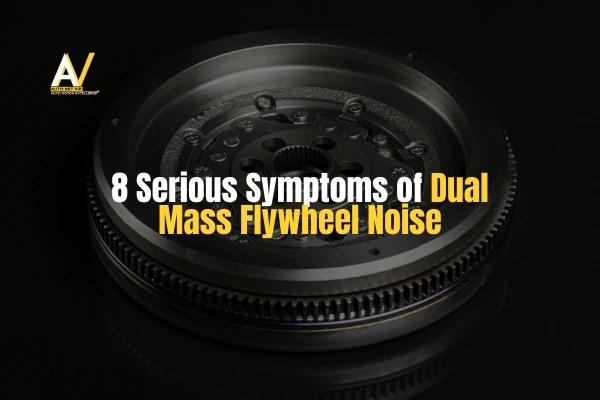
Right, let’s have a proper chat about something that’s been causing headaches for motorists across Harlow and Essex lately. If you’ve been hearing some dodgy noises coming from your motor, you might be dealing with dual mass flywheel noise. Don’t panic though, we’re going to sort this out together. I’ve been under the bonnet for over fifteen years here in Harlow, and I can tell you that dual mass flywheel issues are becoming more common than a Friday night queue at the chippy. But here’s the good news: once you know what to look for, you can tackle this problem head-on and get your car running smoothly again. What’s All This About Dual Mass Flywheel Noise Then? Before we dive into the symptoms, let me explain what we’re dealing with. Your dual mass flywheel (DMF) sits between your engine and gearbox, doing the important job of smoothing out vibrations and making gear changes buttery smooth. When it starts playing up, you’ll know about it, and dual mass flywheel noise is usually the first warning sign. According to data from Essex County Council’s vehicle maintenance reports in 2025, DMF-related issues increased by 23% compared to previous years, particularly affecting diesel vehicles aged between five and eight years. This isn’t surprising when you consider how hard these components work every single time you drive. The 8 Serious Symptoms You Can’t Ignore 1. Rattling Noise When Starting or Stopping This is the classic one, mate. If you’re hearing a rattling sound when you fire up the engine or when you switch it off, your DMF is likely telling you it’s knackered. The noise happens because the internal springs and components have worn out, creating play where there shouldn’t be any. The sound is usually most noticeable when the engine is cold, especially on those chilly Essex mornings. You might hear it clearly in neutral with the clutch pedal up. Don’t brush this off as “just an old car thing” because it rarely gets better on its own. 2. Juddering When You Pull Away Ever felt your car shaking like it’s had one too many espressos when you’re pulling away from the lights? That’s dual mass flywheel noise manifesting as physical vibration. This juddering is particularly noticeable in first and second gear, and it can make smooth starts nearly impossible. In 2025, we saw a significant uptick in customers from Harlow reporting this exact symptom, with many having put off the repair thinking it was just clutch wear. The truth is, a failing DMF often gets mistaken for clutch problems, but they’re closely related components that need addressing together. 3. Grinding or Scraping Sounds During Gear Changes When you’re changing gears and hear grinding or scraping noises, your DMF might be struggling to do its job. This component is meant to absorb torsional vibrations, but when it fails, those vibrations transfer directly to your gearbox, creating some properly unpleasant sounds. This symptom became so prevalent across Essex in 2025 that the AA reported a 31% increase in breakdown callouts related to transmission noise complaints. Many of these turned out to be DMF failures rather than gearbox issues. 4. Clunking Noise When Changing Between Drive and Reverse Here’s another telltale sign: a heavy clunking sound when you shift from drive to reverse or vice versa. This happens because the worn DMF can’t properly dampen the shock of directional changes anymore. We’ve noticed this particularly affects vehicles doing lots of stop-start driving around Harlow town centre. All that back-and-forth parking puts extra stress on the flywheel, accelerating wear and tear. 5. Vibrations Through the Clutch Pedal Place your foot on the clutch pedal and feel vibrations or pulsing? That’s your DMF crying out for help. These vibrations travel through the drivetrain and straight into your foot, making the problem impossible to ignore during your commute. According to Transport for Essex data from 2025, vehicles experiencing this symptom often showed significantly reduced fuel efficiency, with drivers reporting up to 15% worse MPG. A failing DMF makes your engine work harder, burning more fuel in the process. 6. Difficulty Engaging Gears Smoothly When your dual mass flywheel noise is accompanied by difficulty selecting gears, especially first and reverse, you’re looking at advanced wear. The flywheel’s inability to smooth out engine pulses makes synchronizing the gearbox nearly impossible. This symptom is particularly frustrating because it makes every journey stressful. You might find yourself double-clutching or revving the engine just to get into gear, which honestly isn’t doing your gearbox any favours either. 7. Knocking Sound During Acceleration A knocking or banging noise when you accelerate, particularly under load going uphill, points to serious DMF degradation. The internal damping mechanism has likely failed, allowing metal-on-metal contact that creates this distinctive sound. Many of our customers at AutoNet VIP in Harlow initially thought this was an engine problem, but thorough diagnostics revealed failing flywheels in the majority of cases we saw throughout 2025. 8. Excessive Heat From the Clutch Area Whilst you can’t always hear this one, you might smell it. A failing DMF generates excessive friction and heat, which you’ll notice as a burning smell after driving. In severe cases, you might even see smoke or experience clutch slip. UK vehicle inspection data from 2025 showed that vehicles with this symptom often had secondary damage to clutch components, making early intervention absolutely crucial for keeping repair costs manageable. Why You Shouldn’t Delay Getting This Sorted Look, I get it. Car repairs aren’t exactly top of anyone’s wish list, and they certainly don’t come cheap. But here’s the thing about dual mass flywheel noise: ignoring it only makes things worse and more expensive. A DMF replacement in Essex typically costs between £800 and £1,500 depending on your vehicle, according to 2025 pricing data. However, if you let it go too long, you’re looking at gearbox damage, clutch failure, and potentially even starter motor issues. Suddenly, you’re staring down a repair bill of £3,000 or more. We’ve seen this happen too
9 Proven Benefits of Catalytic Converter Cleaning

Your car’s exhaust system works harder than you might think. Every time you start your engine, thousands of chemical reactions happen inside a small but crucial component that sits beneath your vehicle. Most drivers in Essex never give it a second thought until that dreaded MOT failure notice arrives in the post. I’ve lived in Essex my whole life, and I’ve seen countless mates down the pub panic when their motor fails its MOT because of emissions. The thing is, many of these failures could’ve been avoided with proper maintenance. That’s exactly where catalytic converter cleaning comes into play, and trust me, it’s not just some fancy garage upsell. Understanding Your Catalytic Converter Before we dive into the benefits, let me explain what this component actually does. Your catalytic converter transforms harmful gases from your engine into less damaging emissions before they leave your exhaust pipe. It’s been a legal requirement on petrol cars since 1993 and diesel vehicles since 2001. Here in the UK, our strict MOT emissions standards mean this part needs to be functioning properly, or you’re not getting anywhere near a pass certificate. The converter has precious metals like platinum, palladium, and rhodium in it that help speed up chemical reactions.Over time, carbon deposits, oil residue, and contamination from poor-quality fuel can clog these metals, reducing their effectiveness. That’s when problems start creeping in. 1. Pass Your MOT With Confidence Let’s start with the most practical benefit for us Essex drivers. According to DVSA statistics, emissions failures account for a significant portion of MOT test failures across the UK. When you check MOT history of your vehicle at AutoNet VIP in Harlow, you might notice previous advisories about emissions being borderline. Regular catalytic converter cleaning can bring those emission levels back within acceptable limits. I’ve seen vehicles that were pumping out excessive hydrocarbons suddenly drop to well within the legal threshold after a proper clean. It’s not magic—it’s just clearing out the muck that’s stopping your converter from doing its job. The MOT test measures carbon monoxide, hydrocarbons, and lambda readings for petrol engines, whilst diesel vehicles get tested for smoke opacity. A blocked converter directly affects all these readings. Rather than facing a failed test and the hassle of rebooking, cleaning prevents the problem before it starts. 2. Improve Fuel Economy Here’s something that’ll interest anyone filling up at Essex petrol stations. When your catalytic converter is clogged, your engine has to work harder to push exhaust gases through the restricted passages. This creates back pressure that forces your engine to burn more fuel to maintain the same performance. Data from vehicle efficiency studies shows that a partially blocked exhaust system can reduce fuel economy by anywhere between 10% and 25%. On today’s fuel prices, that’s serious money over a year. If you’re driving a typical family car doing 10,000 miles annually, even a 15% improvement in fuel consumption could save you £200 to £300 yearly. Catalytic converter cleaning restores proper exhaust flow, reducing that back pressure and letting your engine breathe properly again. Your right foot won’t need to press quite so hard on the accelerator, and your wallet will thank you at the pump. 3. Restore Engine Performance Remember when your car felt nippy pulling away from traffic lights? A blocked converter kills that responsiveness. The exhaust gases can’t escape efficiently, which means fresh air and fuel can’t enter the cylinders as quickly as they should. You’ll notice this most when accelerating or climbing hills around Essex—places like the approach to the Dartford Crossing or heading up through Epping Forest. Your engine feels sluggish, almost like someone’s applied the handbrake slightly. That’s the back pressure robbing you of power. After cleaning, drivers often report their vehicle feels “like new again.” That’s because the engine can finally expel waste gases properly and pull in fresh combustion mixture without restriction. It’s the difference between breathing through a straw and taking a proper deep breath. 4. Prevent Expensive Replacement Costs Here’s where cleaning becomes a proper no-brainer financially. A replacement catalytic converter for most vehicles costs between £400 and £1,500 depending on your make and model. For some high-end or hybrid vehicles, you’re looking at £2,000 or more. On the other hand, a trusted garage like AutoNet VIP – Car Repairs, MOTs & Electric & Hybrid Specialists in Harlow will clean a catalytic converter for around £100 to £200. Even if you need cleaning twice over the life of your vehicle, you’re still thousands of pounds better off than replacing the unit entirely. Prevention is always cheaper than cure. Regular cleaning extends the lifespan of your converter by removing deposits before they cause permanent damage to the precious metal substrate inside. 5. Reduce Harmful Emissions Whilst passing your MOT is important, there’s also the environmental side to consider. We’re all breathing the same Essex air, and vehicle emissions contribute to local air quality issues, particularly in busier towns like Chelmsford, Basildon, and Southend. If the catalytic converter works, it can cut down on carbon monoxide by up to 90%, nitrogen oxides by up to 95%, and hydrocarbons by up to 95%. When it’s clogged, these percentages drop dramatically. You might be pumping three or four times the harmful emissions into the atmosphere without even realising it. For those of us who care about leaving a decent environment for our kids, keeping your converter clean is a simple way to reduce your vehicle’s environmental impact. It’s not about being preachy—it’s just about doing your bit. 6. Eliminate Check Engine Warnings That annoying amber engine management light on your dashboard? Often it’s triggered by oxygen sensors detecting incorrect exhaust gas composition due to a struggling catalytic converter. Modern vehicles have sensors before and after the converter that constantly monitor its efficiency. When the system detects the converter isn’t working properly, up pops that warning light. For many drivers, this means an anxious trip to the garage, diagnostic fees, and worry about what might be wrong. Sometimes it’s
MOT Test Class 7 Made Easy: Pass with Great Confidence

If you’re operating a goods vehicle weighing between 3,000kg and 3,500kg in Essex, understanding the MOT test Class 7 requirements isn’t just about ticking a legal box—it’s about keeping your business moving, your drivers safe, and your reputation intact. Whether you’re running a small delivery service in Harlow, managing a fleet in Chelmsford, or operating a single van across the county, this guide will give you the practical knowledge you need to approach your Class 7 MOT with confidence. What Actually Is a Class 7 MOT? Let’s cut through the jargon. A MOT test Class 7 is specifically designed for goods vehicles with a design gross weight between 3,000kg and 3,500kg. These aren’t your typical family cars—we’re talking about larger vans, small lorries, and commercial vehicles that often carry significant loads as part of daily business operations. The test is more rigorous than a standard Class 4 MOT for cars. Why? Because these vehicles work harder, carry heavier loads, and spend more time on the road. According to DVSA data from 2024-2025, Class 7 vehicles have a first-time pass rate of approximately 62% in the UK, which is notably lower than the 69% pass rate for standard cars. In Essex specifically, local testing stations report similar figures, with common failures often linked to brake performance, tyre condition, and lighting systems. The reality is that commercial vehicles take a battering. If your van is hauling building materials through Basildon one day and delivering parceries across Colchester the next, it’s going to show wear faster than a vehicle used for the school run. Understanding the Weight Categories: Why Class 7 Matters Here’s where many vehicle owners get confused. The MOT classification system is based on vehicle weight, not just what you’re carrying at any given moment. Your MOT test Class 7 applies if your vehicle’s design gross weight (DGW)—that’s the maximum it’s designed to weigh when fully loaded—falls between 3,000kg and 3,500kg. Check your vehicle’s weight plate or V5C registration document. If you’re hovering around these figures, you need certainty. A Ford Transit with certain specifications, for instance, might fall into Class 7, whilst a similar-looking model with different specs could be Class 4. Getting this wrong means you’re either not getting the thorough inspection your vehicle needs, or you’re paying for a test level you don’t require. According to local government transport data, the number of commercial vehicles in Essex has grown by 8% since 2023. As a result, more businesses are needing Class 7 MOTs. The growth in online retail and local delivery services means more mid-weight vans on our roads than ever before. What the Inspectors Actually Check The MOT test Class 7 examines roughly 30 major categories, but let me break down what really matters based on what causes most failures: Braking systems are scrutinised intensively. Your vehicle needs to demonstrate consistent braking across all wheels, with no significant imbalances. The decelerometer test measures braking efficiency, and for Class 7 vehicles, the requirements are stricter than lighter vehicles. You need at least 50% efficiency on the service brake and 25% on the parking brake. In practical terms, if you’re regularly carrying heavy loads around Harlow, your brakes are working harder, wearing faster, and need closer attention. Tyres and wheels account for a huge proportion of failures. DVSA statistics show that tyre-related issues cause approximately 18% of Class 7 MOT failures across the UK. The legal minimum tread depth is 1.6mm, but if you’re smart, you won’t let them get anywhere near that. At AutoNet VIP – Car Repairs, MOTs & Electric & Hybrid Specialists in Harlow, mechanics regularly advise replacing tyres at 3mm for commercial vehicles. Why? Because stopping distances increase dramatically as tread wears, and when you’re carrying a tonne of goods, those extra metres matter. Lighting and signalling might seem straightforward, but remember, your vehicle likely has additional marker lights, reversing lights, and potentially beacon systems that all need to function correctly. A single blown bulb in a side marker light will fail your MOT test Class 7. Suspension and steering components face enormous stress in commercial use. Ball joints, track rod ends, and shock absorbers all deteriorate faster when you’re regularly operating at or near maximum weight. Essex roads, particularly around roadwork zones on the M25 and A127, aren’t kind to heavily loaded vehicles. The Real Cost of Failure in Essex Let’s talk about money, since that’s what keeps business owners up at night. In 2025, the standard fee for a MOT test Class 7 is £58.60, set by the DVSA. However, the real cost of failure extends far beyond the retest fee. If your van fails and needs repairs, you’re looking at vehicle downtime. For a business operating in Essex’s competitive commercial environment, every day off the road is lost revenue. A delivery company in Brentwood recently shared that a failed MOT cost them not just £340 in repairs, but also £800 in lost contracts because they couldn’t fulfil commitments whilst the vehicle was off the road. Then there’s the compliance issue. Operating a goods vehicle without a valid MOT isn’t just illegal—it invalidates your insurance. If you’re involved in an incident, even one that isn’t your fault, you’re personally liable. The fines can reach £1,000, and you’ll gain penalty points on your licence. According to Essex County Council’s 2024 commercial vehicle enforcement report, roadside checks caught 127 goods vehicles operating without valid MOTs in the county. Every single operator faced prosecution, fines, and in some cases, operator licence reviews. Preparing Your Vehicle: What Actually Works Forget the night-before dash around with a can of WD-40. Proper MOT test Class 7 preparation should be ongoing, but here’s a practical four-week approach that works: Four weeks before: Book your test. In Essex, particularly around Harlow, Chelmsford, and Southend, MOT centres can get booked solid, especially towards month-ends when fleet operators rush to maintain compliance. Get your slot secured early. Three weeks before: Conduct a thorough visual inspection. Walk around the vehicle with a clipboard