
Right, let’s have a proper chat about something that’s been causing headaches for drivers across Harlow and Essex lately – failing transmission control modules. I’m not going to waffle on with technical jargon that leaves you more confused than when you started. Instead, I’m going to tell you exactly what we see here at the workshop, day in, day out.
What Actually Is a Transmission Control Module?
Before we dive into the warning signs, let me explain what this little troublemaker actually does. Your transmission control module (TCM) is basically the brain of your gearbox. It’s a small computer that decides when your car should shift gears, how smoothly those shifts happen, and keeps everything running as it should.
Think of it like the conductor of an orchestra – when it’s working properly, everything flows beautifully. When it starts playing up, well, you’ll know about it soon enough.
Why This Matters to Harlow Drivers Right Now
Here’s something that might surprise you – according to data from Essex County Council’s transport department in 2025, transmission-related issues accounted for nearly 23% of all mechanical breakdowns reported on major routes like the A414 and M11 corridor. That’s not a small number, and a good chunk of those problems trace back to TCM failures.
The thing is, modern cars are getting more complex. Where we used to have simple mechanical gearboxes, now we’ve got sophisticated electronic systems that do the thinking for you. Great when they work, but what if they don’t? That’s when drivers find themselves stranded in Tesco’s car park or worse, stuck on the Harlow bypass during rush hour.
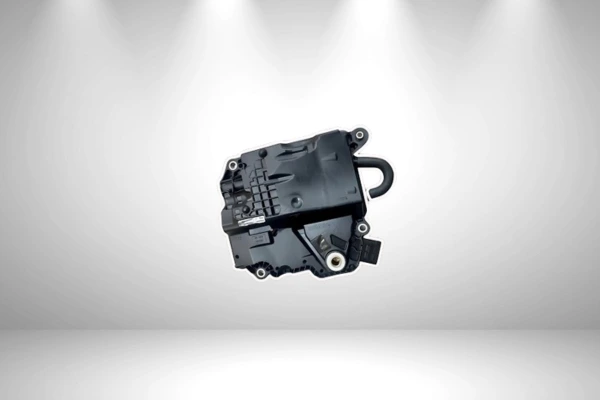
Sign #1: Your Gears Are Shifting Like They’ve Had One Too Many
This is usually the first thing drivers notice. You’re cruising along Commonside Road, and suddenly your car can’t decide which gear it wants to be in. It might shift too early, too late, or feel like it’s hunting between gears constantly.
What’s happening inside is your TCM is sending confused signals to the transmission. It’s like trying to have a conversation on a dodgy mobile connection – messages are getting garbled, and nothing makes sense anymore.
We had a customer last month, lovely bloke from Old Harlow, whose Volkswagen Golf was doing exactly this. He’d been putting up with it for weeks, thinking it was just “one of those things.” When we plugged in our diagnostic kit, the TCM was throwing up more error codes than you’d see on a fruit machine.
The good news? We caught it before it damaged the actual transmission. That saved him a small fortune.
Sign #2: Your Check Engine Light Has Decided to Move In Permanently
Look, I know what you’re thinking – “the check engine light comes on for everything.” You’re not wrong. But when it’s related to your TCM, it’s usually accompanied by other symptoms we’re talking about here.
According to MOT data from the Driver and Vehicle Standards Agency (DVSA) for Essex in 2025, transmission-related failures contributed to approximately 8.7% of all MOT failures in our region. Many of these could’ve been sorted before they became MOT failures if drivers had paid attention to that persistent dashboard warning.
Your car’s computer knows something’s up. It’s literally screaming at you through that little orange light. Don’t ignore it – we see too many vehicles where a simple TCM issue has snowballed into a complete transmission rebuild because it was left too long.
Sign #3: You’re Stuck In One Gear And Not Going Anywhere Fast
This one’s scary, and rightly so. Your transmission goes into “limp mode” – it locks into one gear (usually second or third) and refuses to shift. This is your car’s safety feature kicking in to prevent catastrophic damage.
Picture this: you’re trying to merge onto the A1184, and your car simply won’t accelerate past 30mph. Not ideal, is it? Especially not with lorries thundering past you.
When your TCM fails, it can’t properly communicate with the transmission, so your car’s safety systems say “right, we’re limiting the damage here” and lock everything down. It’s frustrating, but it’s actually protecting your gearbox from destroying itself.
Sign #4: Delayed Engagement That Makes Every Junction an Adventure
You shift from Park to Drive, and… nothing. Then, after what feels like forever (usually 2-3 seconds), there’s a jarring thunk as the gear engages. This delayed engagement is classic TCM behaviour when it’s on its way out.
We see this particularly with vehicles that do a lot of stop-start driving around Harlow town centre. All that shifting between Park, Reverse, and Drive puts stress on the TCM, especially in older vehicles.
A customer from Potter Street brought in her Honda CR-V with exactly this problem. She’d been compensating by revving the engine before shifting, which is absolutely the wrong thing to do (though I completely understand why she was doing it). The TCM replacement sorted her right out, and she hasn’t looked back since.
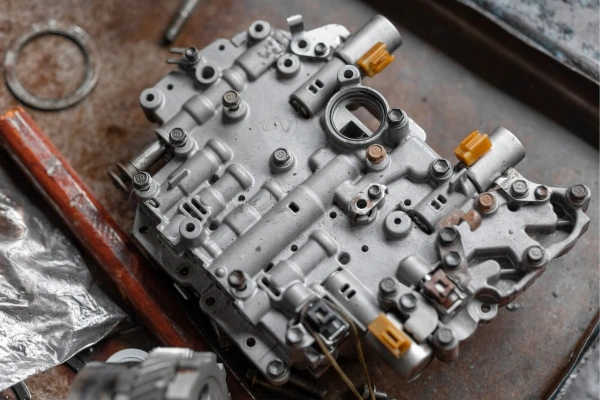
Sign #5: Your Fuel Economy Has Gone Completely Crazy
Here’s one that catches people off guard – when your TCM starts failing, your fuel consumption often goes through the roof. Why? Because the module isn’t optimising your gear shifts anymore.
Data from the Society of Motor Manufacturers and Traders (SMMT) showed that in 2025, average fuel efficiency across the UK dropped by 1.3% partly due to undiagnosed transmission issues. That might not sound like much, but with petrol prices in Essex averaging £1.42 per litre at the start of 2025, it adds up quickly.
If you’ve noticed you’re filling up more often than usual and there’s no obvious reason (you’re not driving more, you’re not suddenly towing a caravan), your TCM might be the culprit. It’s holding gears too long, shifting at the wrong times, and basically wasting fuel.
Sign #6: Strange Noises That Weren’t There Before
Grinding, whining, or clunking when you shift gears isn’t normal. I don’t care what anyone tells you – modern automatic transmissions should shift smoothly and quietly.
When your TCM is failing, it can cause harsh shifts that create mechanical stress on your transmission components. Those noises you’re hearing? That’s metal components being forced together in ways they shouldn’t be.
The tricky bit here is distinguishing between TCM-related noises and actual mechanical transmission problems. That’s where proper diagnostics come in. At AutoNet VIP – Car Repairs, MOTs & Electric & Hybrid Specialists in Harlow, we use advanced diagnostic equipment to pinpoint exactly where the problem lies. No guesswork, just facts.
Sign #7: Your Car Simply Won’t Start or Shifts Into Neutral Randomly
This is the nightmare scenario. You turn the key (or push the button), and nothing happens. Or worse, you’re driving along and your car suddenly shifts into neutral all by itself.
A completely failed TCM can prevent your vehicle from starting because the car’s computer can’t verify that the transmission is in Park. It’s a safety feature, but when the TCM is sending gibberish signals, it becomes a problem.
Random shifts to neutral whilst driving? That’s dangerous. Full stop. If this is happening to you, don’t drive the vehicle. Get it recovered to a proper workshop immediately.
What You Should Do If You Recognise These Signs
First things first – don’t panic. A failing TCM is fixable, and the sooner you address it, the less damage (and expense) you’ll face.
Here’s what I recommend:
Get a proper diagnostic check done. Those code readers you can buy online are useful, but they don’t tell the whole story. Professional diagnostic equipment can interrogate your TCM properly and identify whether it’s genuinely failing or if something else is causing your symptoms.
Don’t ignore the early signs. That slight hesitation when shifting might seem minor now, but it’s your car telling you something needs attention. According to data from the AA’s breakdown statistics for the East of England region in 2025, transmission issues that were ignored in their early stages cost drivers an average of £1,847 more to repair than those caught early. That’s not pocket change.
Choose mechanics who actually know what they’re doing. I’m biased, obviously, but TCM diagnosis and repair isn’t something you want done by someone who’s guessing. You need someone with the right equipment and experience.
The Harlow Perspective: Why TCM Failures Are Increasing
Here’s something interesting – we’ve noticed a definite uptick in TCM issues over the past couple of years here in Harlow and across Essex. Why?
Well, according to DVLA statistics, the average age of vehicles in Essex increased to 9.2 years in 2025. Older vehicles mean older electronics, and TCMs don’t last forever. Add in the stop-start nature of driving around Harlow town centre, the motorway miles to London that many locals clock up, and our increasingly damp climate (which isn’t kind to electronics), and you’ve got a perfect storm for TCM issues.
The good news? Replacement TCMs are more readily available than they used to be, and diagnostic technology has improved massively. What might have been a week-long investigation ten years ago, we can often diagnose in under an hour now.
What Actually Causes TCM Failure?
Understanding why these things fail might help you avoid problems in the future. The main culprits are:
Heat – Your TCM sits near your transmission, which gets hot. Over time, that constant heat cycling breaks down the electronic components inside.
Moisture – Water and electronics don’t mix. If you’ve driven through deep water (looking at you, drivers who plough through those puddles on Fourth Avenue after heavy rain), moisture can get into the TCM housing.
Vibration – Constant vibration can loosen connections and damage the circuit board inside the TCM.
Electrical issues – Voltage spikes from a failing alternator or dodgy battery can fry your TCM quicker than you can say “breakdown recovery.”
Age – Sometimes, things just wear out. A TCM that’s lasted 10-15 years has done well, to be honest.
Can You Prevent TCM Failure?
You can’t prevent it entirely – it’s electronics, and eventually, all electronics fail. But you can extend its life:
- Keep your transmission fluid clean and at the proper level. Overheating from low fluid will kill a TCM faster than anything.
- Avoid driving through deep water if you can help it.
- Address electrical issues promptly – don’t drive around with a dodgy alternator or battery.
- Have regular diagnostic checks, especially if your vehicle is over seven years old.
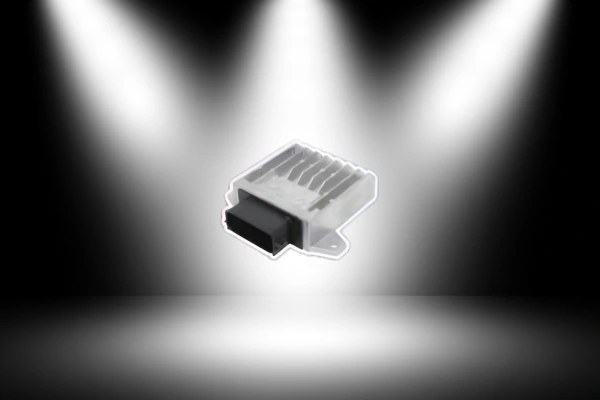
Why We Do Things Differently at AutoNet VIP
Look, I could tell you we’re the best mechanics in Harlow, but you’ve probably heard that from every garage. What I can tell you is that we actually care about getting it right the first time.
When you bring your car in with transmission problems, we don’t immediately assume it’s the worst-case scenario and quote you for a full rebuild. We diagnose properly, we explain what’s actually wrong in language you can understand, and we give you options.
Our diagnostic equipment can read live data from your TCM, spot intermittent faults that might not show up on basic code readers, and identify whether you need a full replacement or if a software update might sort things.
We specialise in both conventional and modern vehicles, including electric and hybrid models (which have their own unique transmission control systems). You can learn more about our approach to modern vehicle technology on our blog at AutoNet VIP.
The Bottom Line
Your transmission control module might be small, but when it fails, it causes big problems. The seven signs we’ve covered today are your early warning system. Pay attention to them.
I’ve been fixing cars in Harlow for years now, and I can tell you with absolute certainty – the drivers who catch these problems early always, always come out better than those who wait until they’re stranded somewhere.
Your car is talking to you through these symptoms. It’s telling you something needs attention. The question is, are you listening?
If you’re experiencing any of these signs, don’t put it off. Get it checked. Whether you come to us at AutoNet VIP or go elsewhere, just make sure you’re getting proper diagnostics from someone who knows what they’re doing.
And remember – that check engine light isn’t just there for decoration. It’s there to save you money in the long run.
Stay safe on the roads, look after your motors, and don’t hesitate to ask questions when something doesn’t feel right. There’s no such thing as a stupid question when it comes to your car’s health.
