AutoNet VIP

9 Causes of a Worn Out Clutch and How to Prevent Expensive Repairs

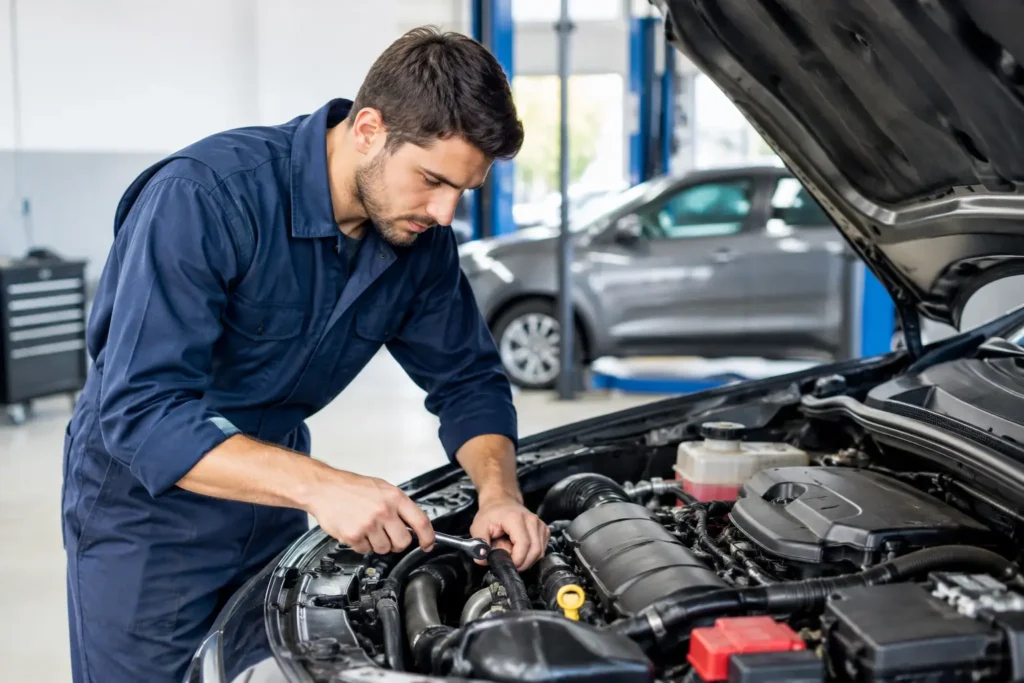
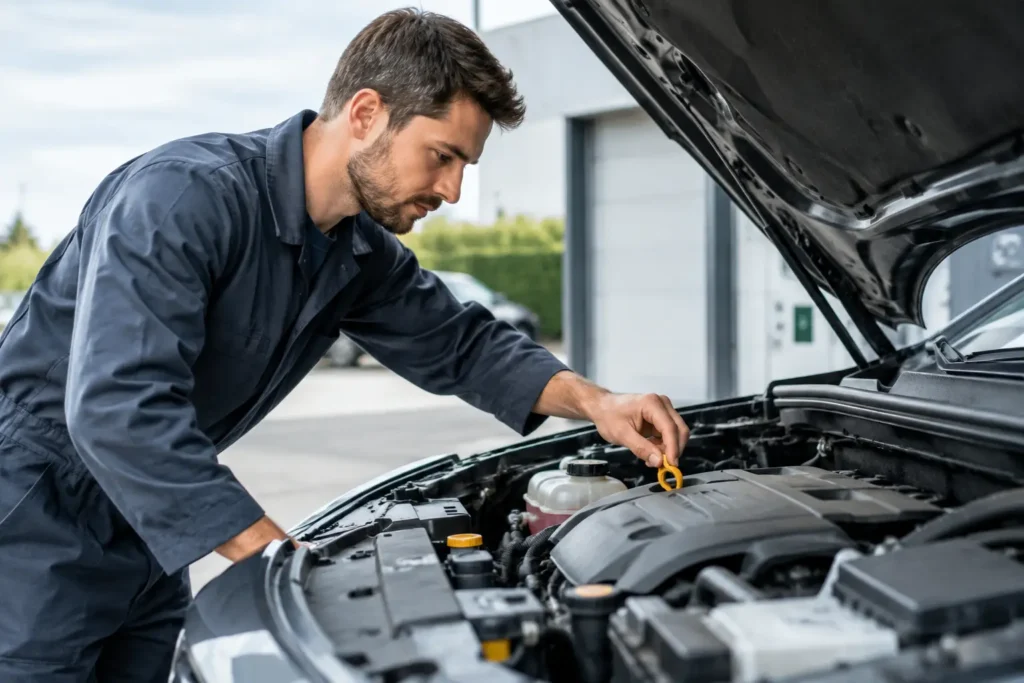
Worn-Out-Clutch-being-inspected-by-a-mechanic-at-AutoNet-VIP-in-Harlow

There is a particular feeling that makes many drivers immediately realise something is wrong. That soft slipping sensation when pulling away from a junction. The burning smell coming through the footwell after heavy traffic. The engine revving higher than expected while the vehicle struggles to accelerate. Your clutch. It is one of the hardest working components in your vehicle, yet it is often one of the most overlooked. Many drivers only think about their clutch when it starts failing. Unfortunately, by that stage, the damage may already be significant. A worn out clutch usually does not fail without warning. It often gives small signs for weeks or even months before becoming a major repair. At AutoNet VIP in Harlow, we regularly inspect vehicles with clutch problems and help drivers understand what is happening before a minor issue becomes an expensive repair. A clutch naturally wears over time, but many premature failures are caused by driving habits, incorrect use, or problems that could have been identified earlier. In this guide, we explain nine common causes of a worn out clutch and what you can do to protect it. 1. Riding the Clutch While Driving One of the most common causes of a worn out clutch is a habit many drivers do without realising. Riding the clutch means keeping your foot lightly resting on the clutch pedal while driving instead of fully removing it when you are not changing gear. Even slight pressure on the pedal can prevent the clutch from fully engaging. This creates a condition where the clutch friction plate remains partially engaged, generating unnecessary heat and increasing wear. Over time, this constant friction can reduce the lifespan of the clutch significantly. Common examples include: Resting your foot on the clutch pedal during normal driving Keeping the clutch slightly pressed while approaching traffic lights Hovering over the pedal during slow journeys The solution is simple. When you are not changing gear, keep your left foot on the footrest. This small change in driving technique can help reduce unnecessary clutch wear and extend the life of the component. 2. Excessive Clutch Use in Heavy Traffic Driving in heavy traffic is part of everyday life for many Essex drivers. Routes around Harlow, the A414 and busy commuter roads often involve repeated stopping and starting. During slow traffic, some drivers allow the vehicle to creep forward by constantly slipping the clutch instead of using the brake and selecting neutral when stopped. Although this may feel smoother, it creates a large amount of heat inside the clutch assembly. The clutch is designed to engage and disengage smoothly during gear changes. It is not designed to act as a replacement for the brake in constant stop start traffic. To reduce clutch wear: Use the brake when stationary Select neutral during longer stops Avoid slowly moving forward using only clutch control Allow enough space so you are not constantly moving a few metres at a time Your clutch will last longer, and you may also reduce unnecessary stress on your left leg during long journeys. 3. Holding the Vehicle on a Hill Using the Clutch Many drivers use the clutch bite point to keep their vehicle stationary on a hill. This technique may feel convenient, but it places significant stress on the clutch. The clutch bite point is designed for moving the vehicle smoothly from a stationary position. It is not designed to hold the full weight of the vehicle on an incline. When the clutch is used this way, the friction plate continues working against the flywheel, creating heat and accelerating wear. The correct technique is: Apply the handbrake. Bring the clutch to the bite point. Release the handbrake smoothly as you move away. Many modern vehicles also have hill start assist, which can make this process easier. Using the correct technique reduces heat build up and helps protect the clutch. 4. Regular Towing or Carrying Heavy Loads A clutch works harder when a vehicle carries additional weight. Drivers who regularly tow caravans, trailers, equipment or heavy loads place extra demand on the clutch system. Every additional kilogram increases the amount of work required during: Hill starts Pulling away from junctions Low speed manoeuvres Parking situations A clutch that performs perfectly during normal driving may begin showing signs of wear much sooner when regularly used under heavy loads. If you regularly tow or carry heavy equipment, it is important to consider your driving style and maintenance schedule. At AutoNet VIP in Harlow, our technicians can inspect your vehicle and advise whether your clutch system requires additional attention based on your driving habits. 5. Incorrect Gear Selection The way you change gears has a direct impact on clutch wear. Many drivers do not realise that selecting the wrong gear for the speed and driving conditions can place unnecessary stress on the clutch. For example: Using a high gear at very low speeds Accelerating heavily while in the wrong gear Skipping gears incorrectly during changes Allowing the engine to struggle instead of changing down When the engine speed and vehicle speed do not match correctly, the clutch has to absorb the difference during engagement. This creates extra friction and heat. Over thousands of miles, repeated incorrect gear selection can contribute to a worn out clutch. The best approach is to select the correct gear for your speed and driving conditions. Smooth gear changes reduce stress on the clutch system and improve overall driving comfort. 6. Clutch Cable or Hydraulic System Problems Not every clutch problem is caused by driving habits. Sometimes the issue comes from the clutch operating system itself. Depending on the vehicle, the clutch may use either a cable system or a hydraulic system to operate. If the clutch cable becomes stretched, damaged or incorrectly adjusted, the clutch may not engage or disengage properly. Hydraulic clutch systems can also develop problems due to: Low hydraulic fluid Leaks Worn seals Air entering the system When the clutch cannot operate correctly, the friction surfaces may remain

10 Serious Effects of a Leaking Radiator on Your Engine

Leaking-Radiator-causing-green-coolant-to-drip-underneath-a-car-in-a-garage

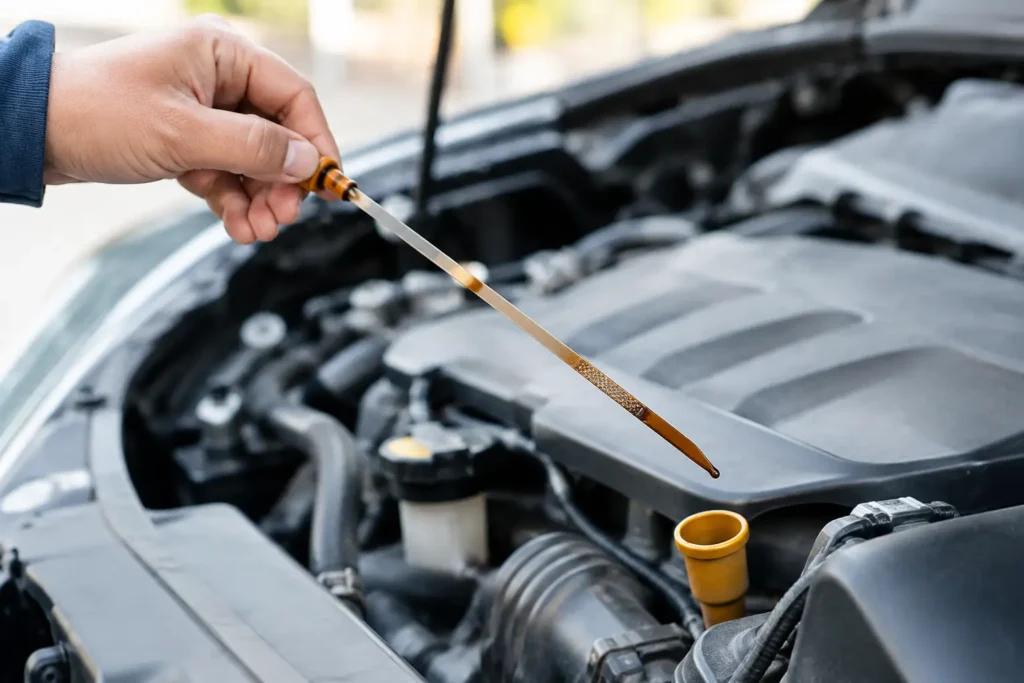
You have probably spotted it before. A puddle under the car, a faint sweet smell on a cold morning, or the temperature gauge creeping slightly higher than normal. You might even be telling yourself that the car will be fine for a few more miles. The problem is that a leaking radiator is not something you should ignore. A relatively small cooling system fault can eventually cause serious and expensive engine damage if coolant continues to escape. At AutoNet VIP, we regularly inspect vehicles with cooling system problems. In many cases, spotting the problem early can prevent much more serious damage later. Whether you drive an older petrol or diesel vehicle, a family car used for the school run, or a newer hybrid, keeping the cooling system in good condition is essential. Here are 10 serious effects a leaking radiator can have on your engine. 1. Engine Overheating The radiator plays a vital role in controlling engine temperature. Coolant circulates through the engine, absorbs heat and then passes through the radiator where that heat is released. When coolant escapes because of a leaking radiator, there may eventually be too little coolant inside the system to control the engine temperature effectively. The result can be engine overheating. According to the RAC coolant leak guide, coolant leaks can cause an engine to overheat and may lead to serious engine damage if the problem is ignored. Signs of overheating include: The temperature gauge moving towards the red A temperature warning light appearing Steam coming from underneath the bonnet A noticeable loss of engine performance A strong hot or sweet smell If your vehicle begins overheating, continuing to drive can significantly increase the risk of engine damage. If you suspect a radiator problem, our heating and cooling system services include radiator replacement, thermostat replacement, water pump replacement and cooling fan diagnostics. 2. Blown Head Gasket One of the most serious consequences of repeated engine overheating is a blown head gasket. The head gasket sits between the engine block and cylinder head. It helps seal combustion pressure while keeping engine oil and coolant in their correct passages. When an engine becomes excessively hot, the cylinder head and surrounding components can expand. This places significant stress on the head gasket. Eventually, the gasket can fail. The RAC head gasket guide identifies overheating as one of the common causes of head gasket failure. Possible symptoms include: White smoke from the exhaust Engine overheating Loss of power Coolant disappearing without an obvious external leak Milky contamination inside the engine oil Bubbles appearing inside the coolant reservoir A head gasket repair can be significantly more expensive than fixing the original cooling system leak. That is why investigating coolant loss early is so important. 3. Warped Cylinder Head The cylinder head is manufactured to precise tolerances and needs to remain perfectly aligned with the engine block. Excessive heat can cause the metal to distort. When a leaking radiator causes repeated overheating, the cylinder head may eventually warp. Even relatively small amounts of distortion can prevent the cylinder head from sealing correctly. This may lead to: Reduced engine compression Loss of power Rough running Coolant entering the combustion chamber Oil leaks White exhaust smoke Head gasket failure Repairing a warped cylinder head may require specialist machining or complete cylinder head replacement. Catching a cooling system problem before repeated overheating occurs can help prevent this type of damage. 4. Complete Engine Failure At the most serious end of the problem is complete engine failure. Engines are designed to operate within a controlled temperature range. When coolant becomes dangerously low and the engine continues operating at excessive temperatures, internal components can expand beyond their normal limits. Oil can also become less effective at protecting moving components when exposed to extreme heat. In severe cases, pistons, bearings and other internal components can suffer permanent damage. The engine may eventually seize and stop completely. Once this happens, repairing the vehicle may require extensive internal engine work or even a replacement engine. If major damage has already occurred, AutoNet VIP also provides engine rebuild and replacement services. However, dealing with the original radiator or coolant leak before serious overheating occurs is always preferable. 5. Internal Corrosion Engine coolant does much more than simply carry heat away from the engine. Correct coolant contains corrosion inhibitors that help protect metal surfaces throughout the cooling system. These include: The radiator Engine coolant passages Water pump Thermostat housing Heater matrix Coolant pipes and connections When coolant repeatedly leaks from the system, its protective properties can be reduced. Problems can become worse if the system is repeatedly topped up using plain water instead of the correct coolant mixture. Over time, corrosion can develop inside the cooling system. This can result in blocked coolant passages, weakened components and additional leaks. Using the correct coolant and keeping the cooling system properly maintained helps protect these components. Our car servicing team in Harlow can inspect coolant condition and identify signs of cooling system problems during routine maintenance. 6. Engine Oil Contamination A radiator leak itself does not normally cause coolant to enter the engine oil. However, if coolant loss causes severe overheating and the head gasket becomes damaged, coolant and engine oil may begin mixing. One common warning sign is a creamy or milky substance underneath the oil filler cap. You may also notice unusual contamination on the dipstick. Coolant contaminated engine oil cannot lubricate engine components as effectively as clean oil. This may increase wear on: Engine bearings Crankshaft components Camshafts Pistons Internal engine surfaces Ignoring contaminated oil can eventually lead to significant engine damage. If you discover milky oil combined with coolant loss or overheating, the vehicle should be inspected as soon as possible. 7. Damage to Other Cooling System Components A leaking radiator does not only affect the radiator. The entire cooling system works together. If coolant levels remain too low, additional components may be placed under increased stress. These can include: Water pump The water pump circulates coolant around

8 Warning Signs of Warped Brake Rotors to Check

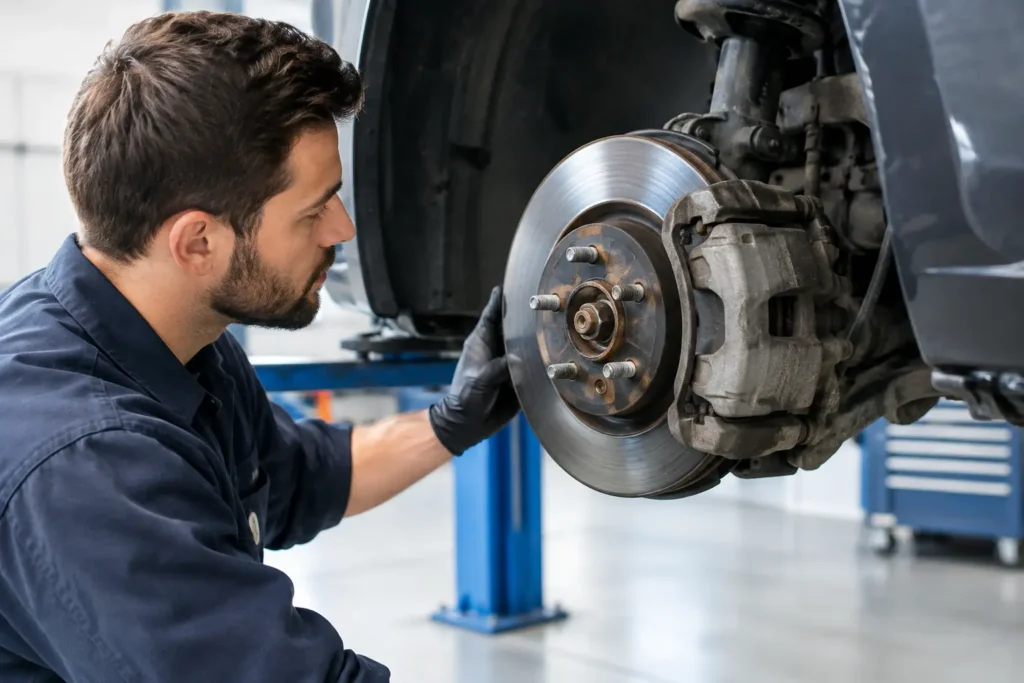
Warped-Brake-Rotors-warning-signs-shown-on-a-worn-brake-disc-and-caliper-at-AutoNet-VIP

That shudder through the steering wheel. The judder underfoot when you press the brake pedal on the A414. The faint grinding sound coming through the footwell as you slow down for the roundabout on Edinburgh Way. Sound familiar? If any of that sounds like your daily drive, there is a very strong chance you are dealing with warped brake rotors — and here in Harlow and across Essex, it is one of the most common reasons drivers bring their cars in for an urgent check. The roads around Harlow, Epping, Bishops Stortford and the wider Essex area are no picnic. Between the stop-start of the M11 junction queues, the tight bends through Roydon, and the sudden braking that the A10 corridor demands, your brakes are working harder than most people realise. Warped brake rotors are not just a nuisance. Left unchecked, they can compromise your stopping distance and, on Essex’s busier A-roads, that is a risk nobody can afford to take. The good news? Spotting the signs early means the fix is straightforward — and your car will feel like a different machine once it is sorted. Here are the eight warning signs every driver in Harlow and Essex should know — explained in plain English, by people who work on brakes every single day. What Actually Happens When Brake Rotors Warp? Before diving into the signs, it helps to understand what is actually going on. A brake rotor — sometimes called a brake disc — is the large metal disc that your brake pads clamp against to slow your car down. When everything is working correctly, the rotor surface is perfectly flat and smooth, giving the pads an even surface to grip. Over time — particularly with repeated heavy braking, long downhill stretches, or driving habits that put excessive heat through the system — the metal can develop what mechanics call uneven thickness variation (UTV). The disc does not always physically bend in the traditional sense; rather, the surface develops high and low spots, or uneven deposits of brake pad material bake themselves onto the rotor face at high temperature. The result, however, is the same: the brake pads hit those raised or uneven areas with every rotation, and that is what causes the symptoms you can feel and hear. Sign 1: Steering Wheel Vibration When Braking This is the one that most drivers notice first, and it is hard to miss. As you apply the brakes — even gently — a rhythmic pulsation or shudder travels up through the steering column and into your hands. It might feel almost like the car is hitting small rumble strips, even on a smooth road surface. This happens because the uneven rotor surface is pushing the brake caliper and pad back and forth with each rotation. That movement travels directly into the steering rack on front-wheel systems. It is not subtle — once it starts, it tends to get progressively worse the longer it is left. If you’re experiencing this problem, read our guide on how to spot brake vibration early to understand the common causes and when your brakes should be inspected. Worth knowing: if the vibration is coming through the seat or pedal rather than the steering wheel, there is a good chance the problem is with the rear rotors rather than the front. Either way, it needs attention. Sign 2: Brake Pedal Pulsation or Spongy Feel Press your foot on the brake pedal and instead of smooth, progressive resistance, you feel a pulsing — almost as if the pedal is pushing back against your foot in a rhythmic pattern. In some cases, the pedal might feel softer than usual, or like it travels further before the brakes fully engage. This pedal pulsation is a direct mechanical signal from the rotor’s high spots pushing against the brake pads and transmitting that force back through the hydraulic system to your foot. It is particularly noticeable at lower speeds, such as pulling into a car park or approaching a junction, where the rotation is slower and the individual pulses are easier to feel. A genuinely spongy pedal with no pulsation can also indicate a hydraulic issue such as air in the brake lines — but that is a separate conversation. If the sponginess comes with a pulse, warped rotors are very much in the frame. Sign 3: Car Pulling to One Side Under Braking You brake in a straight line, but the car drifts — sometimes sharply — to the left or right without any input from the steering wheel. This is both alarming and genuinely dangerous, particularly at speed on dual carriageways like the A414 or the M11. When one rotor is more warped or worn than the other, the braking force is uneven across the axle. One side grips more effectively, and the car naturally steers towards the side with greater braking force. This can also be caused by a sticking caliper or uneven pad wear, so a proper inspection is essential to identify the root cause — but warped rotors are frequently the culprit. Sign 4: Squealing, Squeaking, or Grinding Noises Your brakes are not meant to be noisy — at least, not as a regular occurrence. An occasional light squeal when the discs are cold and damp on an Essex morning is fairly normal and usually clears itself within a few seconds. But a persistent squeal, a high-pitched scraping, or a grinding noise that continues throughout braking is a different matter entirely. With warped rotors, you often hear a rhythmic squealing that matches the rotation of the wheel — it speeds up as you go faster and slows as you decelerate. This is the brake pad riding over the uneven surface. A grinding sound, on the other hand, often indicates that the pads have worn down to the metal backing plate and the rotor itself is being scored — which takes things from a rotor issue to a rotor-and-pad replacement situation. The moral? Do not assume