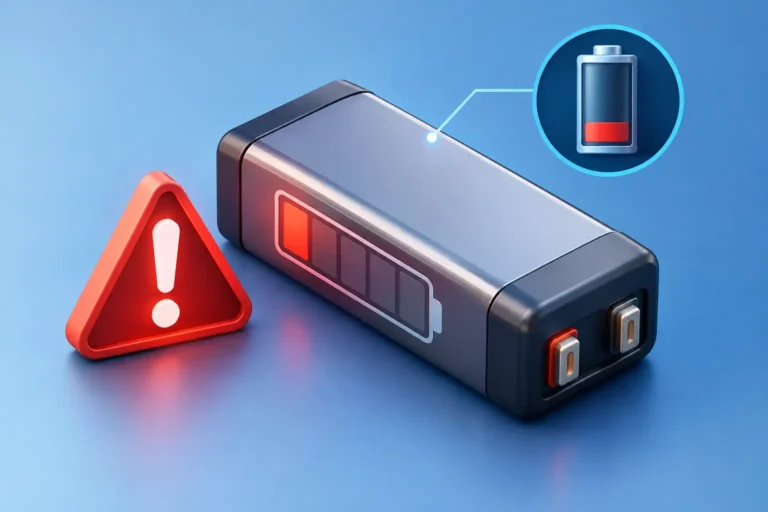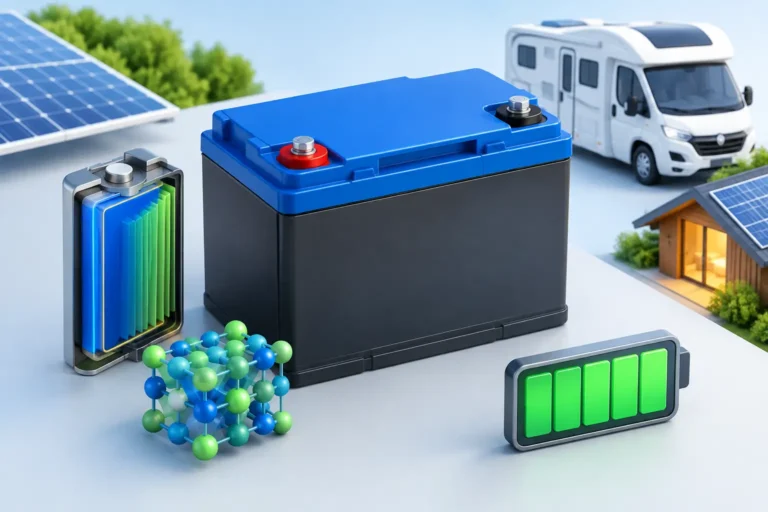
A warning for a low voltage battery “li-ion” (16v) can be alarming, particularly when the car still starts and drives normally. This message usually refers to a separate lithium-ion battery that supports the vehicle’s electrical system, rather than the main starter battery you may be familiar with. Ignoring it can lead to further warnings, electrical faults or, in some cases, a vehicle that will not start.
Modern cars rely on far more electronics than older vehicles. Safety systems, infotainment, driver assistance features, stop-start technology and comfort equipment all need a stable power supply. A 16V lithium-ion battery is designed to help provide that support, but it needs the correct charging, monitoring and repair approach.
What does a low voltage Li-Ion (16V) battery warning mean?
The warning means the vehicle has detected that its 16V lithium-ion battery is below the voltage level it expects. Depending on the make and model, this battery may support the car’s low-voltage electrical network, work alongside a conventional 12V battery, or supply particular control units and convenience systems.
It is not necessarily a sign that the battery has completely failed. Sometimes the voltage has dropped after the vehicle has been parked for an extended period, used mainly for very short journeys, or left with electrical equipment running. However, modern battery management systems monitor more than simple voltage. They can also identify poor charging performance, an internal battery fault, excessive temperature or a communication problem between the battery and the vehicle.
That is why clearing the message without investigating its cause is rarely a sensible long-term fix.
Why a 16V lithium-ion battery goes low
A battery can lose charge naturally when a vehicle is not being driven, but there is usually more to investigate when a dashboard warning appears. The most common issue is an imbalance between how much energy the car uses and how much it is able to replace during driving.
Short, stop-start journeys are a frequent contributor. Starting the vehicle, using heated screens, lights, climate control and infotainment can place considerable demand on the electrical system. If the engine is switched off again after only a few miles, the battery may not have enough time to recover.
A weak charging system can also be responsible. The alternator, DC-DC converter, associated wiring and battery monitoring sensor all play a part in maintaining the correct charge. A fault in one area may leave the battery undercharged even though there is no obvious problem while driving.
In other cases, the battery itself is nearing the end of its serviceable life. Lithium-ion batteries generally perform well, but they are not immune to age, repeated deep discharge, heat exposure or internal cell deterioration. A battery that cannot hold charge properly may trigger warnings again soon after it has been charged.
Electrical drain while parked is another possibility. Some vehicles take time to enter sleep mode after locking, and a fault in a module, accessory or wiring circuit can keep systems awake for longer than intended. This is often called a parasitic drain. Finding it requires proper testing rather than guesswork.
Signs you should not ignore
The dashboard warning may be the only symptom at first, but drivers can sometimes notice other changes. Stop-start may stop operating, comfort functions may be restricted, or several unrelated warning messages may appear at once. The central locking, electric seats, infotainment display or parking systems can also behave unpredictably when system voltage is unstable.
If the vehicle struggles to start, displays a red warning, loses electrical functions while driving, or reports a charging-system fault, arrange professional assistance promptly. Do not assume that a long motorway journey will cure the issue. It might temporarily raise battery voltage, but it will not repair a deteriorating battery, a failed converter or an unwanted electrical drain.
For hybrid and electric vehicles, take warning messages particularly seriously. These cars have multiple electrical systems and safety procedures that should be followed carefully. The 16V battery is different from the high-voltage traction battery, but a problem with either system can affect how the vehicle operates.
Can you charge a 16V lithium-ion battery yourself?
This depends entirely on the vehicle and the equipment specified by its manufacturer. A conventional 12V battery charger is not automatically suitable for a 16V lithium-ion unit. Using the wrong charger or connecting to the wrong terminals can damage the battery management system, create further faults and present a safety risk.
Lithium-ion batteries require controlled charging. Their internal electronics monitor cell condition, temperature and charge limits. Unlike a traditional lead-acid starter battery, they should not be treated as a simple battery that can be charged with any available device.
If the car needs jump-starting, follow the handbook exactly and use only the designated jump points. These may be connected to a separate 12V system rather than directly to the 16V battery. Never attempt to open, dismantle or bypass a lithium-ion battery pack. If the battery is swollen, leaking, damaged after a collision or unusually hot, keep clear of it and seek professional help.
Proper diagnosis matters more than a quick replacement
Replacing a battery without testing the wider system can be expensive and may not solve the problem. A new 16V lithium-ion battery can still go flat if a control module is staying awake, the charging system is underperforming or the vehicle has a wiring fault.
A professional diagnostic process should begin with a full vehicle scan. This identifies stored fault codes and shows whether the battery control module has recorded low-voltage events, charging faults or communication errors. The technician can then check battery condition, voltage behaviour, charging performance and electrical consumption when the vehicle is locked down.
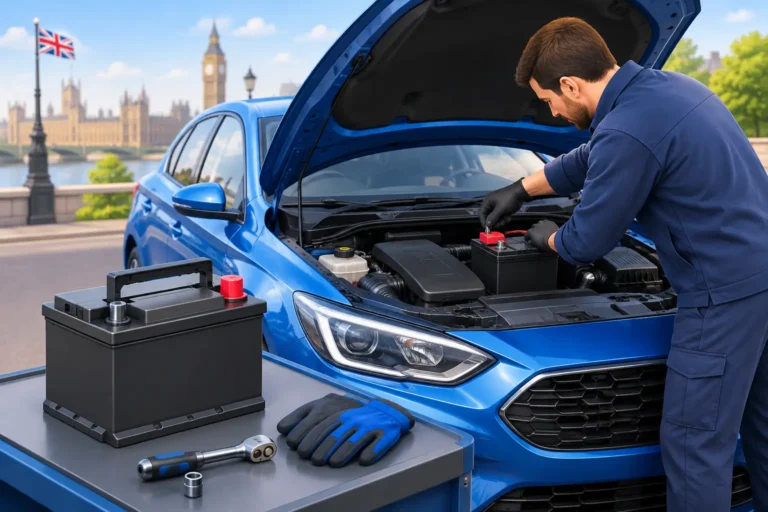
The vehicle may also need battery registration, coding or calibration after replacement. Many modern cars need to know the exact battery type and capacity fitted so the charging strategy can be adjusted correctly. Skipping this step may shorten the life of the replacement battery or leave warning messages active.
At AutoNet VIP, electrical diagnosis is approached as a system check, not simply a battery sale. That means identifying whether the fault lies with the battery, the charging circuit, a software issue or an excessive drain before recommending work. It gives drivers a clearer explanation of what has failed and why the repair is needed.
How to reduce the chance of low-voltage warnings
Regular use helps, especially for vehicles that are driven only occasionally. A longer journey can allow the charging system time to replenish the battery after repeated short trips. That said, driving alone will not overcome a faulty battery or charging circuit.
Avoid leaving accessories running unnecessarily when the engine is off. Dash cameras with parking mode, aftermarket trackers, chargers and poorly fitted accessories can all contribute to battery drain if they are not installed or configured correctly.
If your vehicle is stored for weeks at a time, ask for advice before connecting a maintenance charger. The correct solution varies by vehicle. Some cars have approved charging points and manufacturer-recommended conditioners, while others need a more specific procedure due to the way their electrical systems are managed.
Routine servicing is also a useful opportunity to raise concerns about intermittent warnings, sluggish starting or stop-start not operating. Catching an electrical issue early can be simpler than dealing with a no-start situation on a busy morning.
When to book a battery and electrical check
Book an inspection if the low-voltage warning returns after driving, appears repeatedly after overnight parking, or is joined by other electrical messages. It is also worth arranging a check before winter if you have noticed slow starting or reduced electrical performance. Cold weather increases the load on batteries and makes existing weaknesses more noticeable.
Bring details of when the message appeared, how long the vehicle had been parked and whether any accessories were connected. This information can help narrow down the cause. A clear diagnosis protects both your time and your budget, while helping ensure the car remains reliable for the journeys you depend on every day.
A battery warning does not always mean an immediate breakdown, but it is the car asking for attention. Acting while the vehicle is still driveable gives you the best chance of resolving the issue calmly, safely and with the right repair.