
Your car’s exhaust system works harder than you might think. Every time you start your engine, thousands of chemical reactions happen inside a small but crucial component that sits beneath your vehicle. Most drivers in Essex never give it a second thought until that dreaded MOT failure notice arrives in the post.
I’ve lived in Essex my whole life, and I’ve seen countless mates down the pub panic when their motor fails its MOT because of emissions. The thing is, many of these failures could’ve been avoided with proper maintenance. That’s exactly where catalytic converter cleaning comes into play, and trust me, it’s not just some fancy garage upsell.
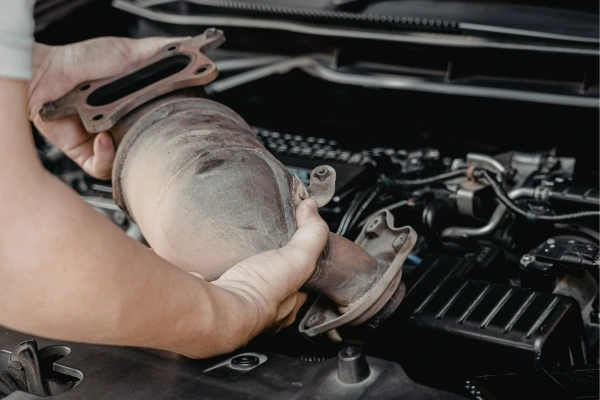
Understanding Your Catalytic Converter
Before we dive into the benefits, let me explain what this component actually does. Your catalytic converter transforms harmful gases from your engine into less damaging emissions before they leave your exhaust pipe. It’s been a legal requirement on petrol cars since 1993 and diesel vehicles since 2001. Here in the UK, our strict MOT emissions standards mean this part needs to be functioning properly, or you’re not getting anywhere near a pass certificate.
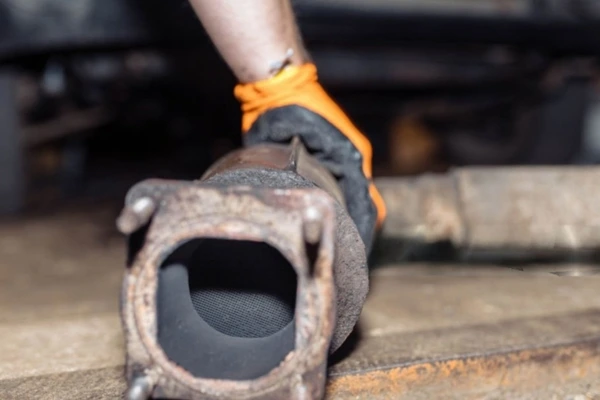
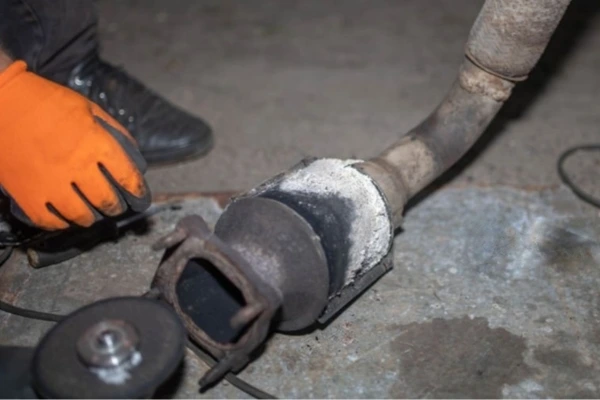
The converter has precious metals like platinum, palladium, and rhodium in it that help speed up chemical reactions.Over time, carbon deposits, oil residue, and contamination from poor-quality fuel can clog these metals, reducing their effectiveness. That’s when problems start creeping in.
1. Pass Your MOT With Confidence
Let’s start with the most practical benefit for us Essex drivers. According to DVSA statistics, emissions failures account for a significant portion of MOT test failures across the UK. When you check MOT history of your vehicle at AutoNet VIP in Harlow, you might notice previous advisories about emissions being borderline.
Regular catalytic converter cleaning can bring those emission levels back within acceptable limits. I’ve seen vehicles that were pumping out excessive hydrocarbons suddenly drop to well within the legal threshold after a proper clean. It’s not magic—it’s just clearing out the muck that’s stopping your converter from doing its job.
The MOT test measures carbon monoxide, hydrocarbons, and lambda readings for petrol engines, whilst diesel vehicles get tested for smoke opacity. A blocked converter directly affects all these readings. Rather than facing a failed test and the hassle of rebooking, cleaning prevents the problem before it starts.
2. Improve Fuel Economy
Here’s something that’ll interest anyone filling up at Essex petrol stations. When your catalytic converter is clogged, your engine has to work harder to push exhaust gases through the restricted passages. This creates back pressure that forces your engine to burn more fuel to maintain the same performance.
Data from vehicle efficiency studies shows that a partially blocked exhaust system can reduce fuel economy by anywhere between 10% and 25%. On today’s fuel prices, that’s serious money over a year. If you’re driving a typical family car doing 10,000 miles annually, even a 15% improvement in fuel consumption could save you £200 to £300 yearly.
Catalytic converter cleaning restores proper exhaust flow, reducing that back pressure and letting your engine breathe properly again. Your right foot won’t need to press quite so hard on the accelerator, and your wallet will thank you at the pump.
3. Restore Engine Performance
Remember when your car felt nippy pulling away from traffic lights? A blocked converter kills that responsiveness. The exhaust gases can’t escape efficiently, which means fresh air and fuel can’t enter the cylinders as quickly as they should.
You’ll notice this most when accelerating or climbing hills around Essex—places like the approach to the Dartford Crossing or heading up through Epping Forest. Your engine feels sluggish, almost like someone’s applied the handbrake slightly. That’s the back pressure robbing you of power.
After cleaning, drivers often report their vehicle feels “like new again.” That’s because the engine can finally expel waste gases properly and pull in fresh combustion mixture without restriction. It’s the difference between breathing through a straw and taking a proper deep breath.
4. Prevent Expensive Replacement Costs
Here’s where cleaning becomes a proper no-brainer financially. A replacement catalytic converter for most vehicles costs between £400 and £1,500 depending on your make and model. For some high-end or hybrid vehicles, you’re looking at £2,000 or more.
On the other hand, a trusted garage like AutoNet VIP – Car Repairs, MOTs & Electric & Hybrid Specialists in Harlow will clean a catalytic converter for around £100 to £200. Even if you need cleaning twice over the life of your vehicle, you’re still thousands of pounds better off than replacing the unit entirely.
Prevention is always cheaper than cure. Regular cleaning extends the lifespan of your converter by removing deposits before they cause permanent damage to the precious metal substrate inside.
5. Reduce Harmful Emissions
Whilst passing your MOT is important, there’s also the environmental side to consider. We’re all breathing the same Essex air, and vehicle emissions contribute to local air quality issues, particularly in busier towns like Chelmsford, Basildon, and Southend.
If the catalytic converter works, it can cut down on carbon monoxide by up to 90%, nitrogen oxides by up to 95%, and hydrocarbons by up to 95%. When it’s clogged, these percentages drop dramatically. You might be pumping three or four times the harmful emissions into the atmosphere without even realising it.
For those of us who care about leaving a decent environment for our kids, keeping your converter clean is a simple way to reduce your vehicle’s environmental impact. It’s not about being preachy—it’s just about doing your bit.
6. Eliminate Check Engine Warnings
That annoying amber engine management light on your dashboard? Often it’s triggered by oxygen sensors detecting incorrect exhaust gas composition due to a struggling catalytic converter. Modern vehicles have sensors before and after the converter that constantly monitor its efficiency.
When the system detects the converter isn’t working properly, up pops that warning light. For many drivers, this means an anxious trip to the garage, diagnostic fees, and worry about what might be wrong. Sometimes it’s a genuine fault, but frequently it’s just a dirty converter affecting sensor readings.
Cleaning can reset these readings to normal levels, switching off that warning light and saving you the stress and diagnostic costs. Of course, if the light comes back on, you need proper investigation, but cleaning often solves the issue permanently.
7. Maintain Vehicle Value
When you eventually come to sell your motor or trade it in, buyers and dealers check everything. They’ll look at the service history, run diagnostics, and definitely check MOT history of your vehicle to see its track record.
A car with consistent MOT passes and no emissions advisories is worth more than one with a patchy history of failures and fixes. It tells potential buyers the vehicle has been looked after properly. Regular catalytic converter cleaning is part of that maintenance story.
Additionally, if you’re selling privately, a buyer who test drives your car will notice if it feels sluggish or smells rich from the exhaust. These are red flags that can knock hundreds off your asking price or scare buyers away entirely.
8. Improve Overall Engine Health
Your engine is a system where everything connects. When exhaust gases can’t escape efficiently, it affects valve operation, piston movement, and even oil contamination. Running an engine with constant back pressure forces components to work outside their designed parameters.
Over time, this additional stress can lead to premature wear on valves, rings, and bearings. Oil can become contaminated with carbon more quickly. The knock-on effects of a clogged converter extend far beyond the exhaust system itself.
By keeping your converter clean, you’re protecting your entire engine. It’s the same principle as changing your oil regularly—small preventative maintenance that protects expensive components down the line.
9. Experience Quieter Operation
A partially blocked catalytic converter changes how your exhaust system resonates. You might notice unusual sounds—sometimes a rattling from debris inside the converter, other times a deeper, throatier exhaust note that sounds impressive until you realise it’s costing you power and fuel.
After cleaning, your exhaust returns to its normal sound profile. For most family cars, that means quieter operation. If you’ve got neighbours in a typical Essex residential street, they’ll appreciate not hearing your motor rumble to life at 6am for the commute.
Why Choose Professional Cleaning
You might’ve seen additive products in Halfords or online that claim to clean your catalytic converter from a bottle. Whilst some of these can help with very light deposits, they’re not a substitute for professional cleaning if you’ve got significant blockage.
Professional services use specialist equipment and cleaning solutions that thoroughly remove deposits without damaging the delicate catalyst substrate. At AutoNet VIP – Car Repairs, MOTs & Electric & Hybrid Specialists in Harlow, the process involves proper assessment, targeted cleaning, and verification that emissions have improved to acceptable levels.
The team understands both conventional and modern electric and hybrid vehicles, which often have more complex exhaust systems. Getting it done right first time saves you hassle and gives you confidence in the results.
When Should You Consider Cleaning?
Look out for these signs:
- Failed or borderline MOT emissions test
- Reduced fuel economy with no other explanation
- Loss of power, especially under acceleration
- Check engine light related to catalytic converter efficiency
- Strong sulphur smell from the exhaust
- Unusual exhaust noises
Even without obvious symptoms, considering cleaning every 50,000 to 60,000 miles as preventative maintenance makes sense, particularly if you do lots of short journeys around Essex where the engine rarely reaches full operating temperature.
Take Action Today
Your catalytic converter works silently in the background until it doesn’t. Don’t wait for an MOT failure to force your hand. Whether you’re driving through Harlow, along the A127, or anywhere across Essex, your vehicle deserves proper maintenance that keeps it running efficiently and legally.
Check MOT history of your vehicle to see if there have been emissions advisories creeping upwards over recent tests. That’s your early warning system telling you it’s time to act.
Visit AutoNet VIP in Harlow for expert catalytic converter cleaning from technicians who understand Essex driving conditions and MOT requirements inside out. Book your appointment today and give your motor the care it deserves. You’ll drive away with better performance, improved economy, and the confidence that your next MOT won’t throw up any nasty surprises.
Your car looks after you every day. Return the favour with proper maintenance that makes financial and environmental sense. That’s not just good advice—it’s common sense from someone who’s been driving Essex roads for years and learned these lessons the practical way.
