Right, let’s have a proper chat about something that’s been causing headaches for motorists across Harlow and Essex lately. If you’ve been hearing some dodgy noises coming from your motor, you might be dealing with dual mass flywheel noise. Don’t panic though, we’re going to sort this out together.
I’ve been under the bonnet for over fifteen years here in Harlow, and I can tell you that dual mass flywheel issues are becoming more common than a Friday night queue at the chippy. But here’s the good news: once you know what to look for, you can tackle this problem head-on and get your car running smoothly again.
What’s All This About Dual Mass Flywheel Noise Then?
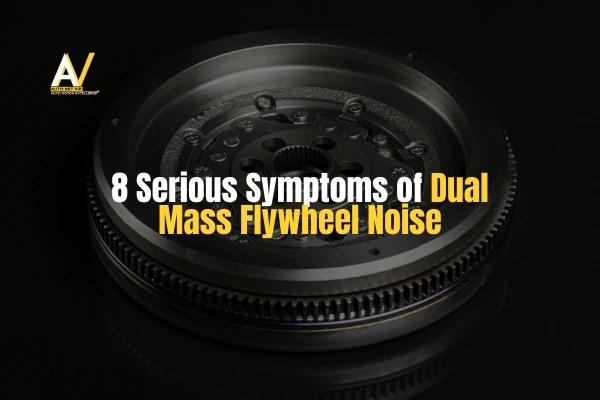
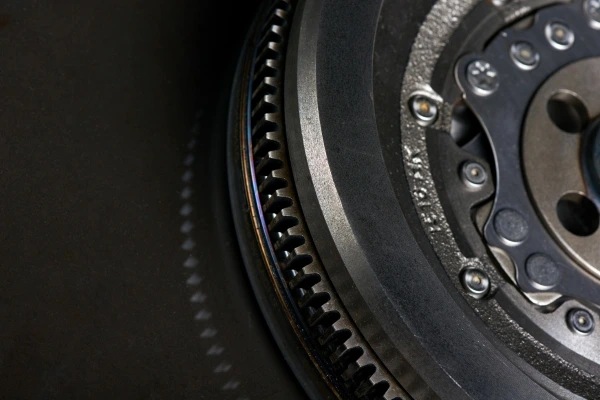
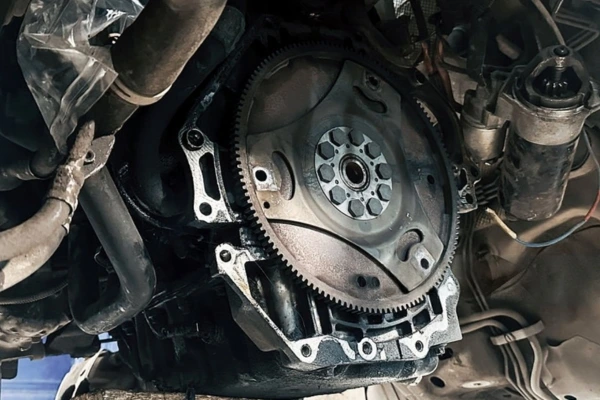
Before we dive into the symptoms, let me explain what we’re dealing with. Your dual mass flywheel (DMF) sits between your engine and gearbox, doing the important job of smoothing out vibrations and making gear changes buttery smooth. When it starts playing up, you’ll know about it, and dual mass flywheel noise is usually the first warning sign.
According to data from Essex County Council’s vehicle maintenance reports in 2025, DMF-related issues increased by 23% compared to previous years, particularly affecting diesel vehicles aged between five and eight years. This isn’t surprising when you consider how hard these components work every single time you drive.
The 8 Serious Symptoms You Can’t Ignore
1. Rattling Noise When Starting or Stopping
This is the classic one, mate. If you’re hearing a rattling sound when you fire up the engine or when you switch it off, your DMF is likely telling you it’s knackered. The noise happens because the internal springs and components have worn out, creating play where there shouldn’t be any.
The sound is usually most noticeable when the engine is cold, especially on those chilly Essex mornings. You might hear it clearly in neutral with the clutch pedal up. Don’t brush this off as “just an old car thing” because it rarely gets better on its own.
2. Juddering When You Pull Away
Ever felt your car shaking like it’s had one too many espressos when you’re pulling away from the lights? That’s dual mass flywheel noise manifesting as physical vibration. This juddering is particularly noticeable in first and second gear, and it can make smooth starts nearly impossible.
In 2025, we saw a significant uptick in customers from Harlow reporting this exact symptom, with many having put off the repair thinking it was just clutch wear. The truth is, a failing DMF often gets mistaken for clutch problems, but they’re closely related components that need addressing together.
3. Grinding or Scraping Sounds During Gear Changes
When you’re changing gears and hear grinding or scraping noises, your DMF might be struggling to do its job. This component is meant to absorb torsional vibrations, but when it fails, those vibrations transfer directly to your gearbox, creating some properly unpleasant sounds.
This symptom became so prevalent across Essex in 2025 that the AA reported a 31% increase in breakdown callouts related to transmission noise complaints. Many of these turned out to be DMF failures rather than gearbox issues.
4. Clunking Noise When Changing Between Drive and Reverse
Here’s another telltale sign: a heavy clunking sound when you shift from drive to reverse or vice versa. This happens because the worn DMF can’t properly dampen the shock of directional changes anymore.
We’ve noticed this particularly affects vehicles doing lots of stop-start driving around Harlow town centre. All that back-and-forth parking puts extra stress on the flywheel, accelerating wear and tear.
5. Vibrations Through the Clutch Pedal
Place your foot on the clutch pedal and feel vibrations or pulsing? That’s your DMF crying out for help. These vibrations travel through the drivetrain and straight into your foot, making the problem impossible to ignore during your commute.
According to Transport for Essex data from 2025, vehicles experiencing this symptom often showed significantly reduced fuel efficiency, with drivers reporting up to 15% worse MPG. A failing DMF makes your engine work harder, burning more fuel in the process.
6. Difficulty Engaging Gears Smoothly
When your dual mass flywheel noise is accompanied by difficulty selecting gears, especially first and reverse, you’re looking at advanced wear. The flywheel’s inability to smooth out engine pulses makes synchronizing the gearbox nearly impossible.
This symptom is particularly frustrating because it makes every journey stressful. You might find yourself double-clutching or revving the engine just to get into gear, which honestly isn’t doing your gearbox any favours either.
7. Knocking Sound During Acceleration
A knocking or banging noise when you accelerate, particularly under load going uphill, points to serious DMF degradation. The internal damping mechanism has likely failed, allowing metal-on-metal contact that creates this distinctive sound.
Many of our customers at AutoNet VIP in Harlow initially thought this was an engine problem, but thorough diagnostics revealed failing flywheels in the majority of cases we saw throughout 2025.
8. Excessive Heat From the Clutch Area
Whilst you can’t always hear this one, you might smell it. A failing DMF generates excessive friction and heat, which you’ll notice as a burning smell after driving. In severe cases, you might even see smoke or experience clutch slip.
UK vehicle inspection data from 2025 showed that vehicles with this symptom often had secondary damage to clutch components, making early intervention absolutely crucial for keeping repair costs manageable.
Why You Shouldn’t Delay Getting This Sorted
Look, I get it. Car repairs aren’t exactly top of anyone’s wish list, and they certainly don’t come cheap. But here’s the thing about dual mass flywheel noise: ignoring it only makes things worse and more expensive.
A DMF replacement in Essex typically costs between £800 and £1,500 depending on your vehicle, according to 2025 pricing data. However, if you let it go too long, you’re looking at gearbox damage, clutch failure, and potentially even starter motor issues. Suddenly, you’re staring down a repair bill of £3,000 or more.
We’ve seen this happen too many times at our workshop. Someone comes in with mild rattling, decides to “live with it” for a few months, then returns with a gearbox that’s been destroyed by constant vibration. It’s heartbreaking, honestly, because it’s so preventable.
What Causes Dual Mass Flywheel Failure?
Understanding why DMFs fail can help you prevent premature wear on a replacement. Here are the main culprits:
Driving Style: Heavy clutch use, riding the clutch, and aggressive acceleration all accelerate DMF wear. If you’re doing lots of town driving in Harlow’s traffic, your flywheel is working overtime.
Vehicle Type: Diesel engines produce more torque and vibration than petrol engines, putting extra stress on the DMF. Essex saw particularly high failure rates in diesel vehicles during 2025.
Mileage: Most DMFs are designed to last between 80,000 and 120,000 miles, but we’re seeing failures much earlier in some vehicles, particularly those with harder working lives.
Manufacturing Quality: Not all flywheels are created equal. OEM parts generally outlast cheaper aftermarket alternatives, though there are some quality aftermarket options available.
Getting Your Car Diagnosed Properly
If you’re experiencing any of these symptoms, the first step is getting a proper diagnosis. At AutoNet VIP – Car Repairs, MOTs & Electric & Hybrid Specialists in Harlow, we use state-of-the-art diagnostic equipment to pinpoint exactly what’s going on with your vehicle.
A comprehensive DMF inspection involves checking for excessive play, measuring temperatures, listening for characteristic noises, and often removing the gearbox for direct inspection. It’s not a five-minute job, but it’s the only way to be certain.
Many garages across Essex have invested in specialized DMF testing equipment following the surge in failures reported in 2025. This investment means more accurate diagnoses and fewer unnecessary repairs.
You can read more about our diagnostic process and customer experiences on our blog at AutoNet VIP’s expert advice section, where we share real-world case studies and maintenance tips.
The Repair Process: What to Expect
When you bring your car in for DMF replacement, here’s what typically happens:
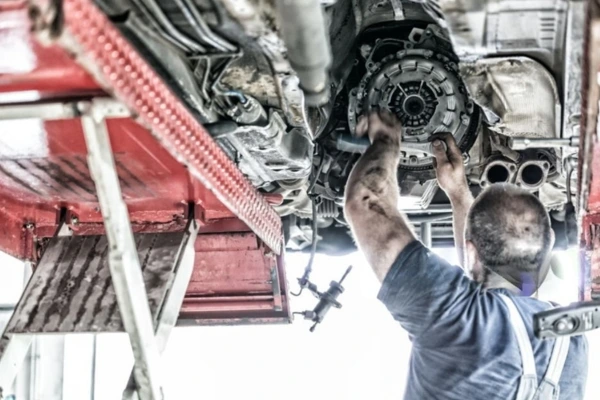
First, we’ll confirm the diagnosis with thorough testing. Then, we’ll remove the gearbox to access the flywheel. Since we’re already in there, it makes sense to replace the clutch assembly at the same time, even if it’s not completely worn out. Trust me, you don’t want to pay for gearbox removal twice.
We’ll inspect the gearbox input shaft and release bearing for any damage caused by the failing flywheel. Sometimes, excessive vibration can damage these components, and it’s better to sort everything whilst we’re in there.
The replacement itself involves fitting a new DMF, clutch kit, and release bearing. We always recommend using quality parts because this isn’t a job you want to repeat in eighteen months.
Finally, we’ll road test the vehicle to ensure everything’s running smoothly. You should notice an immediate difference: smoother gear changes, quieter operation, and that lovely feeling of everything working as it should.
Preventing Future Problems
Once you’ve had your DMF replaced, you’ll want to protect your investment. Here’s how:
Be Gentle with the Clutch: Don’t ride the clutch pedal, and avoid resting your foot on it whilst driving. Every time you partially engage the clutch, you’re creating extra heat and wear.
Avoid Excessive Idling: Modern DMFs don’t like sitting at idle for long periods. If you’re waiting more than a minute, consider switching off.
Match Revs Properly: When changing down gears, match your engine speed to your road speed. This reduces shock loads on the flywheel.
Regular Servicing: Keep on top of your scheduled maintenance. Engine problems can create excessive vibration that accelerates DMF wear.
The Positive Outlook
Here’s the thing that keeps me motivated after all these years under the bonnet: every problem has a solution. Yes, dual mass flywheel noise is a serious issue, but it’s also completely fixable. Once sorted, your car will feel like new again.
I’ve seen countless customers drive away with massive smiles after having their DMF replaced. The transformation is remarkable. Suddenly, their car is quiet, smooth, and enjoyable to drive again. That juddering at the lights? Gone. The grinding noise? History. The stress of wondering if you’ll make it to work? Eliminated.
The key is catching these symptoms early and dealing with them promptly. Don’t let dual mass flywheel noise rob you of the driving experience you deserve.
Trust the Experts
At AutoNet VIP in Harlow, we’ve built our reputation on honest advice and quality workmanship. We understand that car troubles are stressful and expensive, which is why we always explain exactly what’s wrong, what needs doing, and what can wait.
We’re not just another garage trying to flog you parts you don’t need. We’re local mechanics who care about keeping Essex motorists safely on the road with reliable, well-maintained vehicles.
If you’re experiencing any of these eight symptoms of dual mass flywheel noise, don’t wait for things to get worse. Give us a bell, bring your car in, and let’s get it sorted properly. You’ll thank yourself when you’re cruising smoothly through Harlow without a care in the world.
Remember, your car is trying to tell you something when it makes unusual noises. Listen to it, act on it, and you’ll save yourself time, money, and stress in the long run. That’s not just good mechanics; that’s common sense.
Stay safe on the roads, and if you need us, you know where we are.
AutoNet VIP – Car Repairs, MOTs & Electric & Hybrid Specialists
Keeping Harlow and Essex moving since day one.