Every year, millions of UK drivers face the dreaded MOT test, and the statistics paint a worrying picture. According to the Driver and Vehicle Standards Agency, approximately one in three vehicles fails their first MOT attempt. For drivers across Essex and the rest of Britain, understanding what causes MOT failure isn’t just about passing a test—it’s about avoiding unnecessary costs, keeping your family safe, and maintaining your vehicle’s reliability. The average repair bill following a failed MOT can easily exceed £150, not including the £54.85 retest fee, and for many working families, this unexpected expense creates real financial strain.
The Real Cost of MOT Failures
When your vehicle fails its MOT, the consequences extend far beyond the initial disappointment. You’re facing time off work to arrange repairs, the inconvenience of being without your car, and the anxiety of wondering what else might be wrong. For Essex commuters who rely on their vehicles daily—whether it’s the school run, getting to work in Chelmsford, or visiting family in Southend—a failed MOT disrupts everything. Perhaps you’ve experienced that sinking feeling when the test centre calls with bad news, or you’ve watched repair costs mount up whilst your car sits in the garage. You’re certainly not alone in this frustration.
Many drivers feel overwhelmed by technical jargon and uncertain about whether they could have prevented the failure. The truth is, most people aren’t mechanics, and there’s an expectation that you should somehow know what causes MOT failure before it happens. This knowledge gap leaves drivers vulnerable to expensive surprises and, more importantly, potentially driving unsafe vehicles without realising it. The good news is that most MOT failures are entirely preventable with some basic awareness and simple maintenance routines.
Understanding What Causes MOT Failure: The Facts
Before diving into the specific reasons, it’s worth understanding that the MOT test examines safety-critical components of your vehicle. The DVSA publishes comprehensive annual statistics that reveal exactly what causes MOT failure most frequently. These aren’t random mechanical gremlins—they’re predictable issues that develop over time and can be caught with regular checks. Armed with this knowledge, you can transform from a worried driver dreading test day into someone who approaches their MOT with confidence.
Let’s explore the nine most common reasons what causes MOT failure, backed by official UK data, and discover practical ways to avoid each one.
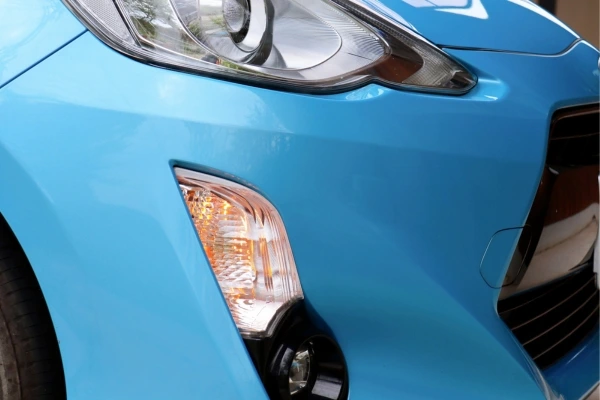
1. Lighting and Signalling Issues (30% of Failures)
Lighting defects represent the single biggest cause of what causes MOT failure in the UK, accounting for roughly 30% of all failures according to DVSA statistics. This category includes headlights, brake lights, indicators, fog lights, and number plate lamps. The good news is that lighting issues are also amongst the easiest to prevent and fix.
Common problems include blown bulbs, cracked lenses, condensation inside light units, and improper headlight alignment. Many drivers in Essex discover these faults only during their MOT, despite these being issues you can check yourself in minutes. A burnt-out brake light is particularly dangerous, as following drivers have no warning when you’re stopping—a serious safety risk on busy roads like the A12 or M25.
How to Avoid This Failure: Conduct a monthly lights check with a friend or family member. Have them observe whilst you test each light: headlights on dipped and full beam, brake lights, indicators on both sides, hazard lights, fog lights, and reverse lights. Walk around your vehicle to inspect for cracked lenses or moisture inside the units. Replace any blown bulbs immediately—most are inexpensive and can be fitted at home with basic tools. For headlight alignment concerns, many garages offer free checks, and proper alignment is crucial for both passing your MOT and driving safely at night.
2. Suspension Component Defects
About 13% of the cars that were tested failed the MOT because of problems with their suspensions. Your suspension system includes shock absorbers, springs, bushes, and various mounting points, all of which deteriorate over time due to Britain’s pothole-riddled roads. Essex roads, particularly during winter months, can be especially harsh on suspension components.
Worn suspension affects your vehicle’s handling, braking distance, and tyre wear patterns. Signs include excessive bouncing over bumps, uneven tyre wear, the vehicle pulling to one side, or knocking noises when driving over uneven surfaces. During an MOT, testers check for worn bushes, damaged springs, leaking shock absorbers, and secure mounting points.
How to Avoid This Failure: Listen to your vehicle and feel how it handles. If you notice any of the warning signs mentioned above, have your suspension inspected by a qualified mechanic before your MOT. Perform a simple bounce test: press down firmly on each corner of your car and release. If the vehicle bounces more than twice, your shock absorbers may be worn. Inspect underneath your vehicle periodically for any visible damage to springs or leaking fluid from shock absorbers. Whilst suspension repairs can be costly, addressing them early prevents further damage to other components and improves safety.
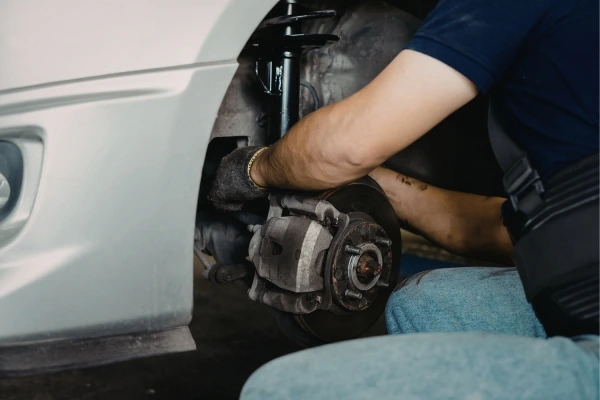
3. Brake System Defects
Brakes are very important for keeping cars safe, and about 10% of the time, cars fail their MOT tests in the UK because of problems with their brakes. The MOT examines brake performance, brake pad and disc condition, brake fluid levels, parking brake effectiveness, and the integrity of brake lines and hoses.
Common brake failures include worn brake pads (below the legal limit), corroded or damaged brake discs, contaminated brake fluid, seized brake callipers, and ineffective parking brakes. Many drivers ignore early warning signs like squealing noises, reduced braking performance, or a spongy brake pedal feel, only to face a failed MOT and potentially dangerous driving conditions.
How to Avoid This Failure: Pay attention to how your brakes feel and sound. Squealing, grinding, or reduced responsiveness all warrant immediate professional inspection. Check your brake fluid reservoir monthly—the level should be between the minimum and maximum markers. If it’s consistently low, you may have a leak that needs urgent attention. Have your brakes professionally inspected at least annually, or every 10,000 miles. Test your parking brake on a slight incline—it should hold the vehicle securely. Never ignore brake warning lights on your dashboard. Whilst brake repairs can seem expensive, remember that brakes are what stops your vehicle and protects your passengers.
4. Tyres and Wheels Problems
Tyre-related issues are amongst the top reasons for what causes MOT failure, representing roughly 10% of failures. The legal minimum tread depth in the UK is 1.6mm across the central three-quarters of the tyre, around the entire circumference. However, testers also check for damage, uneven wear, correct tyre size, and proper inflation pressure.
Many Essex drivers are caught out by tyres that appear fine at a glance but fail the detailed MOT inspection. Cuts, bulges, exposed cords, objects embedded in the tread, and mixing different tyre types on the same axle all constitute failures. Additionally, your spare tyre (if your vehicle has one that’s visible during the test) must also meet the minimum standards.
How to Avoid This Failure: Check your tyres weekly using the 20p test: insert a 20p coin into the tread grooves. Your tread is below the legal limit if you can see the outer band of the coin. Inspect all four tyres (and your spare) for any visible damage, bulges, or embedded objects. Check tyre pressures monthly when tyres are cold, using the pressures recommended in your vehicle handbook or on the driver’s door jamb.To make sure that your tyres wear evenly, you should rotate them every 6,000 to 8,000 miles. If you notice uneven wear patterns, this may indicate alignment or suspension issues that need addressing. Replace tyres before they reach the legal minimum—most safety experts recommend changing them at 3mm for optimal wet weather performance.
5. Mirrors and Visibility Issues
Problems with mirrors, windscreens, and general visibility account for a notable percentage of what causes MOT failure. This category includes cracked or damaged windscreens, faulty windscreen wipers, inadequate washer fluid, and missing or damaged mirrors.
A common misconception is that small windscreen chips don’t matter. However, any damage larger than 10mm in the driver’s direct line of sight (the area swept by the wipers directly in front of the driver) will fail the MOT. Damage up to 40mm elsewhere in the swept area is also a failure. Similarly, worn wiper blades that leave streaks or fail to clear the screen adequately will result in a failed test.
How to Avoid This Failure: Address windscreen chips immediately—most can be repaired quickly and often at no cost if you have comprehensive insurance. The longer you wait, the more likely the chip will spread into a crack requiring full windscreen replacement. Replace wiper blades every 12 months or sooner if they leave streaks, chatter, or miss sections of the screen. Keep your washer fluid topped up at all times. Check all mirrors are securely attached and provide clear visibility. Clean your windows inside and out regularly, as film buildup can significantly impair visibility, especially at night or in bright sunlight.
6. Exhaust Emissions and Systems
Environmental standards mean that excessive exhaust emissions are a key factor in what causes MOT failure, particularly for older vehicles. The MOT includes an emissions test that measures pollutants in your exhaust gases. Petrol vehicles are tested for carbon monoxide and hydrocarbons, whilst diesel vehicles undergo a smoke opacity test.
A failing catalytic converter, faulty oxygen sensors, engine management issues, or simply poor engine maintenance can all lead to emissions failures. Warning signs include black or blue smoke from the exhaust, the engine management light illuminating on your dashboard, or a noticeable decrease in fuel economy.
How to Avoid This Failure: Ensure your engine is properly maintained with regular servicing according to the manufacturer’s schedule. Use quality fuel from reputable stations. If your engine management light appears, have the fault diagnosed and repaired before your MOT—continuing to drive with engine faults often worsens the problem and increases repair costs. Before your MOT, take your vehicle for a good motorway run at normal speeds; this can help clear carbon deposits and improve emissions readings. If your vehicle has consistently struggled with emissions tests, consider using a fuel system cleaner product before your next MOT, though this is not a substitute for proper repairs if there’s an underlying fault.
7. Steering System Faults
Steering problems contribute to what causes MOT failure in approximately 5-7% of cases. The test examines power steering fluid levels, steering rack condition, track rod ends, steering column security, and excessive play in the steering wheel.
Signs of steering issues include heavy or loose steering, knocking noises when turning, visible leaks of power steering fluid, or the steering wheel not returning to centre after cornering. These problems not only cause MOT failures but also compromise your ability to control the vehicle safely, particularly in emergency manoeuvres.
How to Avoid This Failure: Check your power steering fluid level monthly if your vehicle has hydraulic power steering. Listen for unusual noises when turning the steering wheel, both whilst stationary and moving. With the engine running and wheels pointed straight ahead, try moving the steering wheel—there should be minimal play before the wheels begin to turn. Excessive play indicates wear that needs professional attention. Have your steering and suspension components checked during routine servicing. If you notice any leaks under your vehicle, investigate immediately as power steering fluid leaks can worsen rapidly.
8. Seat Belts and Restraint Systems
Whilst representing a smaller percentage of what causes MOT failure, seat belt defects are taken extremely seriously due to their critical safety function. All seat belts must be present, secure, and function correctly. Testers check that belts retract properly, buckles engage and release correctly, and there’s no excessive wear or damage to the webbing.
Common issues include frayed webbing, damaged buckles, seat belts that don’t retract or lock properly, and missing or inoperative pre-tensioners in newer vehicles. Some older vehicles have had seat belts removed or modified incorrectly, which constitutes an immediate failure.
How to Avoid This Failure: Test every seat belt monthly. Pull each belt out fully and check for fraying, cuts, or excessive wear. Ensure each belt retracts smoothly and locks when pulled sharply. Test that all buckles click securely and release properly. Never use damaged seat belts—they may fail in an accident. If you see any problems, have a qualified technician look at them and fix them. Seat belt replacement is relatively inexpensive compared to the potential consequences of a faulty restraint system. Never attempt DIY seat belt repairs or modifications.
9. Windscreen Wiper and Washer Defects
Problems with windscreen wipers and washers are frequently overlooked until the MOT, yet they’re a common element of what causes MOT failure. Both the wipers and washers must function correctly to pass the test. Worn blades, seized wiper mechanisms, empty washer bottles, or blocked washer jets all result in failures.
In Britain’s frequently wet climate, particularly during Essex winters, functional wipers aren’t just about passing an MOT—they’re essential for safe driving. Worn blades that judder, streak, or leave sections of the screen unclear create dangerous blind spots, especially when driving towards low sun or oncoming headlights.
How to Avoid This Failure: Replace your wiper blades annually, or sooner if they show signs of wear. Quality blades needn’t be expensive and take minutes to fit. Keep your washer bottle topped up year-round—use screenwash additive rather than plain water to prevent freezing in winter and to help remove road grime effectively. Test your washers regularly to ensure all jets spray correctly onto the windscreen. If jets are blocked, clean them with a pin or needle. Check that your wipers move smoothly across the full sweep of the screen and return to the correct rest position. Address any unusual noises or hesitation immediately.
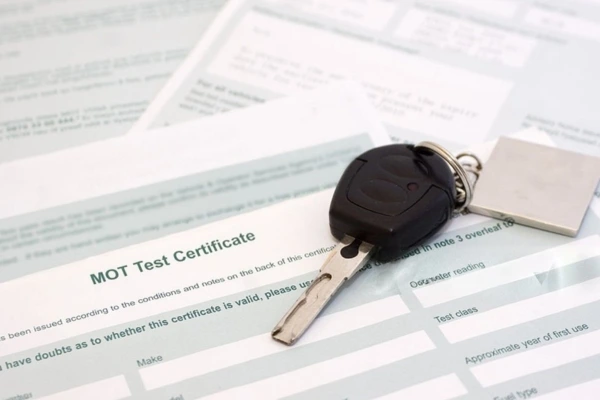
Creating Your Pre-MOT Prevention Routine
Now that you understand what causes MOT failure, you can implement a simple prevention routine that takes less than 30 minutes monthly. This small investment of time can save hundreds of pounds and the inconvenience of a failed test.
Start with a visual walk-around inspection: check all lights work, tyres have adequate tread and no damage, mirrors are secure, and there are no obvious fluid leaks beneath the vehicle. Pop the bonnet and check fluid levels including engine oil, coolant, brake fluid, power steering fluid, and washer fluid. Test your seat belts, horn, and all dashboard warning lights. Take a short drive and pay attention to how your vehicle feels—any unusual noises, vibrations, or handling characteristics warrant investigation.
Consider booking your MOT two weeks before your current certificate expires. This gives you time to address any failures without your vehicle becoming illegal to drive. Many test centres offer free or discounted retests if repairs are completed within a specified timeframe, typically 10 working days.
The Value of Regular Servicing
Whilst understanding what causes MOT failure is important, regular servicing by a qualified mechanic is your best defence against unexpected failures. A good service includes checks of all the systems examined during an MOT, plus deeper investigation of items like timing belts, cambelt condition, and other components not directly tested in an MOT.
Throughout Essex, reputable garages offer service packages that represent excellent value when you consider the cost of repairs following a failed MOT. Establish a relationship with a trusted local garage where mechanics get to know your vehicle and can spot developing problems before they become serious faults.
Moving Forward with Confidence
Understanding what causes MOT failure transforms the test from a source of anxiety into a straightforward confirmation that your vehicle is safe and roadworthy. By implementing the preventative measures outlined for each of the nine common failure reasons, you’re not only increasing your chances of passing first time—you’re ensuring your vehicle is safer for you, your passengers, and other road users.
The investment in regular checks, prompt repairs, and proper maintenance pays dividends through reduced running costs, better fuel economy, fewer breakdowns, and higher resale value. Most importantly, you gain peace of mind knowing that your vehicle is reliable and safe for your daily journeys around Essex and beyond.
Don’t wait until the last minute to think about your MOT. Book your test early, conduct your own pre-MOT checks using this guide, and address any concerns with a qualified mechanic beforehand. Take control of your vehicle maintenance, and you’ll find that MOT test day becomes just another routine appointment rather than a source of worry.
Remember, the MOT test is designed to keep dangerous vehicles off our roads and protect everyone who uses them. By understanding what causes MOT failure and taking proactive steps to maintain your vehicle, you’re contributing to safer roads whilst avoiding unnecessary costs and inconvenience. Your future self—and your bank balance—will thank you when you collect that pass certificate for the first time, every time.
Take Action Today: Your MOT Success Checklist
Don’t leave your MOT to chance. Here’s what you should do right now:
This Week:
- Check your MOT expiry date (you can find this on your current certificate or check online at gov.uk using your vehicle registration)
- Book your MOT test at least two weeks before your current certificate expires
- Download our free pre-MOT checklist and complete a thorough inspection of your vehicle
- Address any obvious issues you discover, particularly lighting and tyre problems
Before Your Test:
- Top up all fluids including washer fluid, engine oil, and brake fluid
- Replace any worn wiper blades and blown bulbs
- Check your tyre tread depth using the 20p test on all four tyres
- Give your vehicle a good motorway run to help clear the engine
Need Professional Help? If you’ve discovered issues during your checks or you’re not confident about any aspect of what causes MOT failure on your vehicle, don’t wait. Contact AutonetVIP today for a comprehensive pre-MOT inspection. Our experienced technicians can identify potential failures before your test and provide honest, transparent advice on any repairs needed. We offer competitive pre-MOT checks that could save you hundreds in unexpected repair bills and ensure you pass first time.
Book your MOT or pre-MOT inspection with AutonetVIP now and experience the peace of mind that comes with professional vehicle care from Essex’s trusted automotive specialists.
Share This Guide: Know someone dreading their upcoming MOT? Share this article with friends and family across Essex and help them avoid the stress and expense of MOT failures. Together, we can keep our roads safer and our vehicles running smoothly.
Ready to book your MOT with confidence? Use the knowledge you’ve gained here, complete your pre-test checks, and approach your next MOT knowing you’ve done everything possible to ensure a first-time pass. Your journey to stress-free MOT testing starts today.