9 Common Symptoms of a Bad Car Thermostat
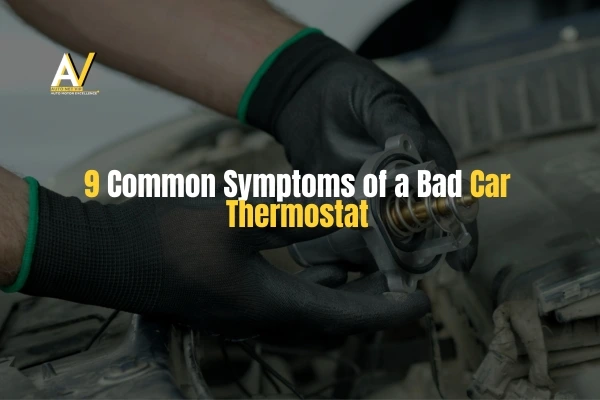
Your vehicle’s cooling system works tirelessly to maintain optimal engine temperature, and at the heart of this system sits a small but mighty component: the car thermostat. This humble device acts as a gatekeeper, controlling coolant flow between your engine and radiator. When functioning properly, it keeps your engine running at peak efficiency. However, when it fails, the consequences can range from minor inconveniences to catastrophic engine damage. For motorists across the UK, particularly in Essex and surrounding areas, understanding thermostat failure symptoms is crucial. Recent data from 2025 shows that cooling system failures remain one of the leading causes of vehicle breakdowns on UK motorways, with Friday consistently being the worst day for breakdowns. In fact, cooling system malfunctions, including faulty thermostats, contribute significantly to the increasing breakdown statistics on England’s roadways. Whether you’re driving through Harlow’s busy streets or navigating the M11, recognising the warning signs of a failing car thermostat can save you from expensive repairs and dangerous roadside emergencies. Let’s explore the nine most common symptoms that indicate your thermostat needs attention. Understanding Your Car Thermostat Before diving into the symptoms, it’s helpful to understand what your car thermostat actually does. This temperature-sensitive valve regulates coolant circulation within your engine’s cooling system. The thermostat stays closed when the engine is cold, which lets the engine warm up quickly. Once the engine reaches its optimal operating temperature—typically between 195°F and 220°F (90°C to 104°C)—the thermostat opens, permitting coolant to flow through the radiator where it can be cooled before returning to the engine. Modern vehicles, including the growing number of hybrid and electric vehicles on UK roads (which increased by 38% as of March 2025 according to government statistics), still rely on similar cooling principles, though their systems may be more complex. Regardless of your vehicle type, the thermostat’s role remains critical to engine health and performance. 1. Engine Overheating The most prevalent symptom of a faulty car thermostat is engine overheating. When a thermostat becomes stuck in the closed position—often due to corrosion, age, or debris accumulation—coolant cannot reach the radiator for cooling. The result is a rapid temperature spike that can cause severe engine damage. You’ll notice this problem when your temperature gauge climbs into the red zone, sometimes within just 10-15 minutes of driving. If you experience this symptom, pull over safely immediately and turn off the engine. Continuing to drive with an overheating engine can lead to warped cylinder heads, blown head gaskets, or even complete engine seizure—repairs that can cost thousands of pounds. 2. Engine Running Too Cold (Overcooling) Whilst overheating garners more attention, overcooling presents its own set of problems. When a car thermostat becomes stuck in the open position, coolant flows continuously through the radiator, preventing the engine from reaching its proper operating temperature. This condition manifests through several indicators: your temperature gauge may never move beyond the “cold” mark, or it might take an unusually long time to reach normal operating temperature. The consequences aren’t immediately dramatic like overheating, but they’re insidious. An engine running too cold suffers from incomplete fuel combustion, leading to increased carbon buildup, reduced fuel economy, and accelerated engine wear. Over time, this can significantly decrease your engine’s lifespan. 3. Erratic Temperature Gauge Fluctuations Does your temperature gauge seem to have a mind of its own, jumping between cold and hot readings without explanation? This erratic behaviour typically indicates a car thermostat that’s failing intermittently, opening and closing unpredictably rather than responding properly to engine temperature. These fluctuations disrupt your engine’s thermal management, causing inefficient performance and potentially triggering your vehicle’s check engine light. The inconsistency also makes it difficult to identify other cooling system problems, as you can’t rely on accurate temperature readings. 4. Check Engine Light Illumination Modern vehicles equipped with electronically controlled thermostats monitor cooling system performance through various sensors. When these sensors detect abnormal temperature patterns caused by thermostat malfunction, they trigger the check engine light on your dashboard. Using an OBD-II scanner, mechanics can retrieve specific diagnostic trouble codes, with P0128 being particularly common for thermostat-related issues. This code indicates that the engine isn’t reaching its expected operating temperature within a specified timeframe. If you’re in the Harlow area and see this warning light, professional diagnostics can quickly determine whether your car thermostat is the culprit. 5. Poor Cabin Heating Performance One of the more immediately noticeable symptoms, especially during British winters, is inadequate heating from your vehicle’s climate control system. Your car’s heater relies on hot coolant circulating through the heater core to warm the air entering your cabin. When a car thermostat fails, particularly if it’s stuck open, the engine never reaches sufficient temperature to heat the coolant adequately. The result is lukewarm or cold air blowing from your vents, even when the heater is set to maximum. This isn’t just uncomfortable—it’s a safety concern, as proper visibility depends on effective windscreen demisting. 6. Coolant Leaks Around the Thermostat Housing Whilst the car thermostat itself doesn’t contain coolant, the gasket sealing its housing can deteriorate, leading to coolant leaks. These leaks typically appear as puddles of brightly coloured fluid (usually green, orange, or pink) beneath your vehicle, particularly after it’s been parked. You might also notice drip marks, deposits, or wet spots around the thermostat housing when inspecting under the bonnet. Coolant leaks not only waste expensive coolant but also reduce the cooling system’s effectiveness, potentially leading to overheating. In Essex’s variable climate, where temperatures can fluctuate dramatically, maintaining proper coolant levels is essential for reliable vehicle operation. 7. Strange Noises from the Cooling System Unusual sounds emanating from your engine bay shouldn’t be ignored. A failing car thermostat can cause several distinctive noises: Rumbling or gurgling sounds indicate coolant boiling in the radiator due to insufficient cooling Knocking noises may suggest air pockets in the cooling system caused by erratic thermostat operation Hissing sounds often point to excessive pressure buildup from overheating These auditory warnings frequently accompany other symptoms like temperature fluctuations or overheating. If you
15 Must-Do Car Checks Before Christmas Travel
Car checks become absolutely crucial during the festive season. The holidays bring joy, celebrations, and family gatherings across the UK. With Christmas and New Year just around the corner, millions of British motorists will be hitting the roads for holiday travel. However, winter weather combined with increased traffic makes this period one of the most demanding times for your vehicle. Understanding proper car checks and maintenance can be the difference between a smooth journey and a stressful breakdown on the motorway. Why Winter Car Checks Matter More Than Ever With over 42.3 million licensed vehicles on UK roads, the festive travel season puts unprecedented pressure on Britain’s road network. Recent industry analysis reveals a concerning trend: over 1.2 million vehicle breakdowns are expected during the winter months, equivalent to more than nine breakdowns every minute. The winter months present unique challenges for vehicle owners. Cold temperatures, shorter daylight hours, and harsh weather conditions all take their toll on car components. Research shows that winter driving carries significantly higher risks, with drivers experiencing increased collision rates during these months compared to summer. At Autonet VIP, we understand the importance of keeping your vehicle in peak condition throughout the festive season. Our commitment to providing exceptional automotive care ensures that your Christmas travels remain safe, comfortable, and worry-free. The Shocking Reality of Winter Breakdowns Battery-related issues dominate winter breakdown statistics. Flat batteries account for over 440,000 winter breakdowns, representing 35 per cent of all call outs, with battery-related call outs increasing 60 per cent during winter months. Monday mornings see the highest number of call-outs as vehicles parked throughout the weekend struggle to start in freezing conditions. The financial impact of vehicle neglect extends beyond breakdown costs. Insurance data indicates that claim costs have risen substantially, with average costs per claim reaching significant levels due to increased parts, labour, and garage expenses. Proper maintenance before your Christmas journey can save you from becoming another statistic. Understanding FORCES: Your Winter Maintenance Checklist Before embarking on your festive travels, remember the acronym FORCES, which stands for Fuel, Oil, Rubber, Coolant, Electrics, and Screen wash. This simple memory aid covers the most critical checks that can prevent the majority of winter breakdowns. 1. Fuel: Plan Your Festive Journeys Wisely Running out of fuel might seem unlikely, yet it remains one of the most common reasons for roadside assistance calls, particularly during harsh winter weather. With Christmas traffic congestion and unexpected diversions, what should be a short journey can quickly become extended. Always ensure you have sufficient fuel for your planned journey, plus a reserve for unexpected delays. During the festive season, petrol stations may have reduced hours or experience temporary closures. Planning your fuel stops in advance eliminates unnecessary stress and ensures you reach your Christmas destination smoothly. Consider the increased fuel consumption during winter months. Cold engines require more fuel to run efficiently, and using heaters, defrosters, and lights adds additional strain on your vehicle’s fuel economy. Keeping your tank above half-full also prevents moisture condensation in your fuel system, which can cause starting problems in freezing temperatures. 2. Oil: The Lifeblood of Your Engine Oil maintenance represents one of the most crucial yet frequently overlooked aspects of vehicle care. Moving parts stay smooth and lubricated with engine oil, which also helps keep the engine at the right temperature. During winter, oil thickens in cold conditions, making it work harder to protect your engine. Check your oil level regularly, especially before long Christmas journeys. Locate your dipstick, withdraw it, wipe it clean, reinsert it fully, then remove it again to check the oil level. The oil should be in the middle of the zero and one mark. If it’s low, top up with the correct specification oil for your vehicle, which you’ll find in your owner’s handbook. Dark, dirty oil or oil that feels gritty between your fingers indicates it’s time for an oil change. Fresh oil flows more easily in cold weather, providing better engine protection. At Autonet VIP, our experienced technicians can perform comprehensive oil changes using quality lubricants perfectly matched to your vehicle’s requirements. 3. Rubber: Tyres and Wipers That Keep You Safe Rubber components face particular challenges during winter months. Tyres and wiper blades are your primary defence against hazardous winter conditions, yet both deteriorate faster in cold, wet weather. Tyre Safety for Winter Travel Your tyres are the only contact point between your vehicle and the road surface. Legal minimum tread depth stands at 1.6mm across the central three-quarters of the tyre, but winter driving demands more. Safety experts recommend maintaining at least 3mm of tread depth during winter months for adequate grip on wet and icy roads. Check all four tyres for signs of damage, including cuts, bulges, or embedded objects. Uneven wear patterns indicate alignment problems or incorrect inflation pressure. Speaking of pressure, cold weather causes tyre pressure to drop approximately one PSI for every 10-degree temperature decrease. Under-inflated tyres reduce fuel efficiency, increase stopping distances, and heighten the risk of blowouts. The UK has 34.36 million cars on its roads, and proper tyre maintenance across this vast fleet could prevent countless accidents each winter. Verify correct tyre pressures at least fortnightly, and always before long journeys. Your vehicle’s handbook or the placard inside the driver’s door specifies the correct pressures. Wiper Blade Excellence Wiper blades endure constant punishment from rain, snow, ice, and road debris. Splits, cracks, or stiff rubber reduce wiping efficiency, leaving dangerous smears across your windscreen. During winter, this becomes particularly hazardous as reduced daylight and poor weather already compromise visibility. Examine your wiper blades for deterioration. If they judder, skip, or leave streaks, replacement is essential. Modern wiper blades incorporate winter-specific designs that prevent ice buildup and maintain flexibility in freezing conditions. Prevent wiper blades from freezing to your windscreen by lifting them away from the glass when parking overnight during frosty weather. 4. Coolant: Preventing Frozen Engines Despite its name, coolant serves dual purposes: preventing engine overheating in summer and
When Is My MOT Due? Step By Step MOT Guide
Auto Expert Advice Unlock Your Car’s Potential: Driving & Vehicle Guides from AutoNet VIP Garage Welcome to AutoNet VIP Garage’s Driving & Vehicle Guides – your definitive source for expert automotive knowledge tailored for UK car owners. From essential vehicle maintenance schedules to practical driving safety tips and insights into automotive technology, our guides are crafted by our skilled team at your trusted Harlow garage. We empower you to make informed decisions about your car’s health, understand common car When Is My MOT Due? Step-by-Step MOT Guide for Drivers in Harlow Many of us only think about our MOT when the reminder pops up—or worse, when it doesn’t. But knowing when your MOT is due, what it covers, and how to prepare can save you a lot of stress, not to mention money. If you’re in Harlow and want to stay on the right side of the law, here’s a complete, no-nonsense breakdown of everything you need to know. Whether you’ve owned your car for years or you’re new to driving, this guide is for you. What is an MOT and Why Does It Matter? An MOT test—short for Ministry of Transport test—is a legal requirement for most vehicles in the UK once they reach three years of age. After that, it’s required every 12 months. The test checks that your car is safe to drive and meets environmental standards. It’s not about how well your car is running mechanically—it’s about making sure it isn’t a risk to you, your passengers, or other road users. Failing to have a valid MOT can: Invalidate your insurance Result in a fine of up to £1,000 Cause penalty points on your license Lead to your car being flagged by ANPR cameras or stopped by police Think of it this way: your car might feel fine to drive, but if your brake lights are out or your tyres are bald, you’re putting yourself—and others—at serious risk.
Common Signs of Fuel Injector Problems
Auto Expert Advice Unlock Your Car’s Potential: Driving & Vehicle Guides from AutoNet VIP Garage Welcome to AutoNet VIP Garage’s Driving & Vehicle Guides – your definitive source for expert automotive knowledge tailored for UK car owners. From essential vehicle maintenance schedules to practical driving safety tips and insights into automotive technology, our guides are crafted by our skilled team at your trusted Harlow garage. We empower you to make informed decisions about your car’s health, understand common car Common Signs of Fuel Injector Problems (And How to Spot Them) Fuel injectors are vital to your engine’s performance. They spray fuel into the combustion chamber at the right moment and in the right amount — which is essential for your car to run smoothly. But when fuel injectors go bad, they can trigger a range of frustrating symptoms. Here’s the challenge: many signs of faulty injectors mimic other issues in the fuel, ignition, or air intake systems. That’s why accurate diagnostics are essential before replacing any parts. Below, we break down the 5 most common signs of fuel injector problems, explain what causes them, and help you understand the other potential culprits to rule out.