
Recognising when your suspension arm pin or bush worn components need attention is crucial for vehicle safety and performance. Your car’s suspension system works tirelessly every time you drive, absorbing bumps, maintaining tyre contact with the road, and keeping you comfortable. At the heart of this system are components that many drivers never think about until something goes wrong: the suspension arm pins and bushes. These small but crucial parts connect your suspension arms to the chassis, allowing controlled movement whilst maintaining stability.
According to recent MOT failure statistics from the Driver and Vehicle Standards Agency (DVSA), suspension defects account for approximately 9.2% of all MOT failures across the UK in 2024-2025. Many of these failures relate directly to worn suspension arm pins and bushes, making them one of the most common yet overlooked maintenance issues facing Essex drivers today.
Understanding when your suspension arm pin or bush worn components need attention can save you from costly repairs, prevent MOT failures, and most importantly, keep you safe on the road. Let’s explore the warning signs that indicate it’s time for a professional inspection.
What Are Suspension Arm Pins and Bushes?
Before diving into the warning signs, it’s helpful to understand what these components actually do. Suspension arms (also called control arms or wishbones) connect your wheels to the car’s chassis. The suspension arm pin or bush worn issue occurs where these arms pivot and flex.
Bushes are rubber or polyurethane components that act as cushions between metal parts, reducing noise and vibration whilst allowing necessary movement. Pins secure these assemblies together. Over time, the constant flexing, road salt, moisture, and general wear cause deterioration, leading to various symptoms that affect your driving experience.
1. Clunking Noises When Driving Over Bumps
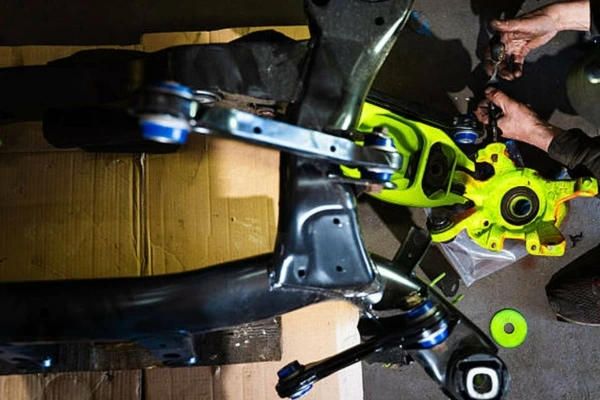
One of the earliest and most noticeable signs of a suspension arm pin or bush worn problem is a distinct clunking or knocking sound when you drive over speed bumps, potholes, or uneven surfaces. This noise occurs because worn bushes no longer properly cushion the metal-to-metal contact in your suspension.
Essex roads, particularly after the winter months, are notorious for potholes and deteriorating surfaces. If you notice these sounds becoming more frequent on your daily commute through Harlow, Chelmsford, or surrounding areas, it’s time for an inspection. The noise typically comes from the front of the vehicle and may sound like something is loose underneath.
Don’t ignore these sounds. What starts as an annoying rattle can quickly develop into a safety concern if the suspension components separate completely.
2. Excessive Tyre Wear on Inner or Outer Edges
Your tyres should wear evenly across their entire surface. When you notice uneven wear patterns—particularly excessive wear on the inner or outer edges—this often indicates alignment problems caused by worn suspension components.
A suspension arm pin or bush worn beyond its serviceable life allows excessive movement in your suspension geometry. This creates incorrect wheel alignment angles that remain unfixed even after a professional alignment service. Recent research from tyre manufacturers suggests that worn suspension bushes can reduce tyre life by up to 40%, significantly increasing your running costs.
Check your tyres regularly by running your hand across the tread surface. If you feel noticeably more wear on one edge, book an inspection immediately. Replacing worn suspension components before fitting new tyres ensures you get the maximum life from your investment.
3. Steering Feels Vague or Unresponsive
Modern cars should feel precise and responsive when you turn the steering wheel. If your vehicle feels vague, requires more steering input than usual, or seems to wander on straight roads, worn suspension bushes might be the culprit.
The connection between your steering input and wheel response depends on tight tolerances throughout the suspension system. When bushes deteriorate, they allow excessive play in the suspension arms. This play translates to delayed or imprecise steering response, making the car feel disconnected from your inputs.
This symptom is particularly noticeable on motorways like the M11 or A12, where maintaining a straight line requires constant steering corrections. Such behaviour isn’t just annoying—it’s dangerous, especially in emergency situations where precise vehicle control becomes critical.
4. Vehicle Pulls to One Side When Braking
If your car consistently pulls to the left or right when you apply the brakes, most people assume it’s a brake problem. However, a suspension arm pin or bush worn issue can cause identical symptoms.
Worn bushes allow the suspension arm to shift position under braking forces. This movement changes the wheel alignment dynamically, causing uneven braking pressure and directional pull. The effect becomes more pronounced during harder braking, such as approaching roundabouts or traffic lights.
According to brake specialists, approximately 30% of vehicles that present with brake-pulling symptoms actually have underlying suspension wear rather than brake faults. AutoNet VIP – Car Repairs, MOTs & Electric & Hybrid Specialists in Harlow can accurately diagnose the root cause through comprehensive suspension and brake system checks.
5. Visible Cracks or Splits in Rubber Bushes
Sometimes, identifying a suspension arm pin or bush worn problem is as simple as looking underneath your vehicle. During routine maintenance or when changing your tyres, take a moment to inspect the visible suspension components.
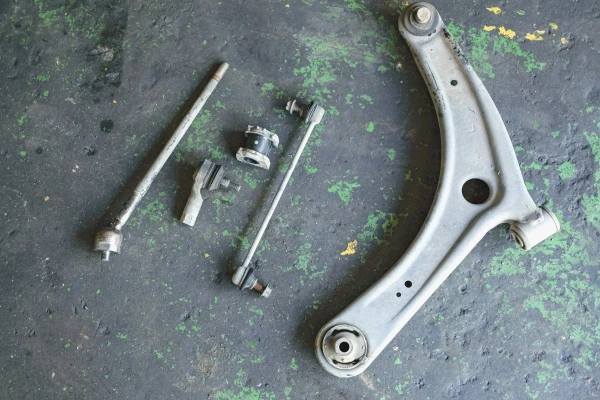
Healthy rubber bushes appear solid and uniform. Worn bushes show visible cracking, splitting, or perishing of the rubber material. You might also notice the rubber has separated from the metal sleeve it surrounds, or that the bush appears compressed and deformed.
The British climate is particularly harsh on rubber components. Temperature fluctuations, road salt during winter, and moisture accelerate deterioration. Most manufacturers recommend inspecting suspension bushes every 12 months or 12,000 miles, whichever comes first.
6. Increased Body Roll During Cornering
Your suspension system controls how much your car leans (or rolls) when cornering. Properly functioning bushes maintain the correct suspension geometry, limiting body roll to acceptable levels designed by the manufacturer.
When bushes wear out, they allow excessive suspension arm movement, resulting in increased body roll during turns. This makes your car feel less stable and controlled, particularly on Essex’s winding country roads or when navigating roundabouts at normal speeds.
You might notice the car feels like it’s leaning more than usual, taking longer to settle after cornering, or feeling generally “floaty” and disconnected from the road surface. These sensations indicate that your suspension can no longer properly control body movement.
7. Vibrations Through the Steering Wheel
Unusual vibrations transmitted through the steering wheel, particularly at motorway speeds, often point towards suspension arm pin or bush worn components. These vibrations differ from the high-frequency shaking caused by wheel balancing issues.
Worn bushes allow components to vibrate at their natural frequencies rather than being properly damped. This creates a rhythmic pulsing or shaking sensation that varies with vehicle speed. The vibration might intensify when accelerating or during light braking as forces shift through the suspension.
Current MOT testing standards include checks for excessive play in suspension components. However, vibrations often develop between annual tests, making regular inspections valuable for maintaining comfort and safety.
8. Unusual Noises When Turning the Steering Wheel
Beyond the clunks over bumps, a suspension arm pin or bush worn problem often creates specific noises when turning the steering wheel, even when stationary or moving slowly through car parks.
Listen for creaking, groaning, or squeaking sounds as you manoeuvre. These noises occur because worn bushes no longer provide smooth, lubricated movement between components. Instead, you’re hearing metal rubbing against deteriorated rubber or, in severe cases, metal-to-metal contact.
The sounds are typically most noticeable on full lock when turning into parking spaces—a common scenario around Harlow’s shopping centres and residential areas. If you hear these noises, schedule an inspection before the wear progresses further.
9. MOT Advisory Notices About Suspension Play
MOT testers check for excessive play in suspension components during the annual test. Even if your vehicle passes, you might receive advisory notices stating “slight play in suspension” or similar warnings about suspension arm pin or bush worn conditions.
DVSA statistics show that approximately 15-20% of vehicles receive suspension-related advisories during MOT tests. These advisories serve as early warnings that components are deteriorating and will eventually cause a failure if left unaddressed.
Don’t ignore MOT advisories. Addressing them promptly is considerably more economical than dealing with an MOT failure, subsequent retest fees, and the potential for additional component damage that occurs when worn parts are left in service.
10. Vehicle Sits Lower on One Side
If you notice your car sitting noticeably lower on one corner or side, whilst springs are the usual suspect, severely worn suspension bushes can contribute to this problem. When bushes collapse or compress unevenly, they allow the suspension to settle into abnormal positions.
This symptom often develops gradually, making it difficult to notice day-to-day. Park your car on level ground and view it from several metres away—both front and rear—to check for uneven ride height. Compare both sides carefully.
Uneven ride height affects everything from headlight aim to handling characteristics. It’s also a clear indicator that suspension components require immediate professional attention.
The Consequences of Ignoring Worn Suspension Components
Delaying repairs when you’ve identified a suspension arm pin or bush worn issue creates several problems beyond the symptoms themselves. Worn bushes accelerate wear on adjacent components, including ball joints, shock absorbers, and tyres. What might initially require replacing only bushes could escalate into a comprehensive suspension rebuild costing significantly more.
More critically, deteriorated suspension components compromise your vehicle’s handling, braking performance, and stability. In emergency situations—avoiding obstacles, sudden braking, or evasive manoeuvring—worn suspension components reduce your ability to maintain control.
Recent insurance industry data suggests that suspension-related faults contribute to approximately 3% of road traffic accidents in the UK, with many of these incidents occurring because drivers were unaware of the deteriorated condition of their vehicle’s suspension.
When to Seek Professional Inspection
If you’ve identified any of these ten signs, the next step is a professional inspection by qualified technicians. Modern vehicles, particularly electric and hybrid models becoming increasingly common on Essex roads, feature complex suspension designs that require specialist knowledge and equipment for accurate diagnosis.
AutoNet VIP – Car Repairs, MOTs & Electric & Hybrid Specialists in Harlow offers comprehensive suspension inspections using the latest diagnostic equipment. Their technicians understand the specific challenges facing vehicles operating in the Essex area, from the damage caused by deteriorating road surfaces to the corrosive effects of winter road treatments.
Professional inspection involves lifting the vehicle safely, checking each suspension component for wear, testing for excessive play, and assessing the overall condition of bushes, pins, ball joints, and related components. This thorough approach ensures accurate diagnosis rather than guesswork.
Prevention and Maintenance
Whilst suspension components inevitably wear over time, several practices can extend their service life. Regular inspection—at least annually or when symptoms appear—allows early detection before minor wear becomes major problems.
Having your wheel alignment checked and corrected when needed reduces stress on suspension bushes. Misaligned wheels force suspension components to work harder, accelerating deterioration. Similarly, maintaining appropriate tyre pressures and avoiding overloading your vehicle reduces suspension strain.
Driving style matters too. Whilst it’s impossible to avoid every pothole, reducing speed when approaching road defects and avoiding mounting kerbs unnecessarily reduces impact loads on suspension components. These small adjustments can significantly extend component life.
The Value of Quality Repairs
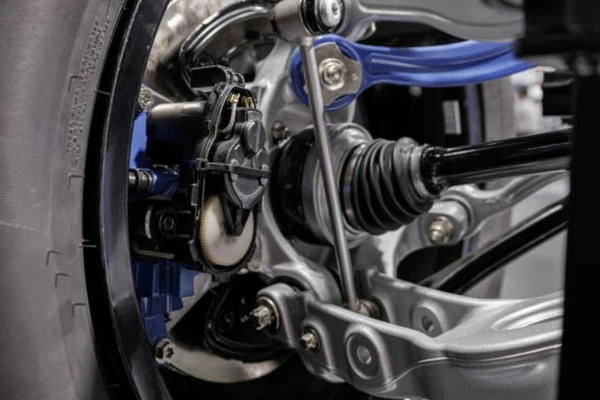
When replacement becomes necessary, component quality matters enormously. Economy bushes might save money initially but often deteriorate faster than original equipment or premium aftermarket parts. Suspension arm pin or bush worn issues that return within 12-18 months indicate poor-quality parts or improper installation.
Reputable repair facilities use quality components and provide warranties covering both parts and labour. This protection ensures that if problems recur, you’re not paying twice for the same repair. Ask about warranty coverage before authorising work.
Professional installation is equally important. Suspension bushes must be fitted with the vehicle at its normal ride height, not hanging on the lift. Incorrect installation preloads the bushes, causing premature failure. Experienced technicians understand these critical details.
Taking Care of Your Car’s Suspension
Your vehicle’s suspension system deserves attention and car care. The ten signs discussed—from clunking noises to uneven tyre wear—provide clear indicators that your suspension arm pin or bush worn components require professional attention.
Essex drivers face particular challenges, including deteriorating road surfaces, harsh weather conditions, and the corrosive effects of winter treatments. Regular inspection and timely repairs maintain your vehicle’s safety, performance, and reliability whilst avoiding the increased costs associated with delayed maintenance.
If you’ve recognised any of these symptoms in your vehicle, don’t delay. Contact AutoNet VIP – Car Repairs, MOTs & Electric & Hybrid Specialists in Harlow to schedule a comprehensive suspension inspection. Their experienced team provides accurate diagnosis, quality repairs, and the peace of mind that comes from knowing your vehicle is safe and properly maintained.
Remember, your suspension doesn’t just provide comfort—it’s fundamental to your vehicle’s handling, braking, and overall safety. Addressing suspension arm pin or bush worn issues promptly protects you, your passengers, and other road users whilst maintaining your vehicle’s value and reliability for years to come.
