
Understanding electric vehicle battery life has become essential for drivers across Essex and the wider UK. Electric vehicles have transformed the way we drive, offering cleaner, quieter and more efficient transportation. However, one question keeps popping up amongst EV owners in Harlow and surrounding areas: how can you make your electric vehicle battery life last as long as possible?
Understanding how to care for your EV’s battery properly isn’t just about saving money—it’s about getting the most from your investment whilst reducing environmental impact. The battery represents the heart of your electric vehicle, and treating it right means enjoying better performance, extended range, and fewer worries about costly replacements down the line.
Let’s explore seven practical, proven methods that’ll help you squeeze every mile out of your EV battery whilst maintaining optimal performance for years to come.
1. Mind Your Charging Habits
The way you charge your electric vehicle makes a massive difference to your battery’s longevity. Many EV owners in Essex make the mistake of charging their vehicles to 100% every single night, but this habit can actually reduce electric vehicle battery life over time.
Lithium-ion batteries—the type used in virtually all modern EVs—perform best when kept between 20% and 80% charge. Constantly charging to full capacity puts unnecessary stress on the battery cells, accelerating degradation. Think of it like overeating at every meal; your body wouldn’t thank you for it, and neither will your battery.
For daily driving around Harlow, aim to charge your vehicle to around 80%. Save the full charges for longer journeys when you genuinely need the extra range. Most modern EVs allow you to set charging limits through their infotainment systems, making this easier than ever.
Similarly, avoid letting your battery drop below 20% regularly. Deep discharges can harm battery health, particularly in colder months when batteries already work harder. Essex winters, whilst milder than northern regions, still impact battery performance, so maintaining that sweet spot becomes even more important.
2. Choose the Right Charging Speed
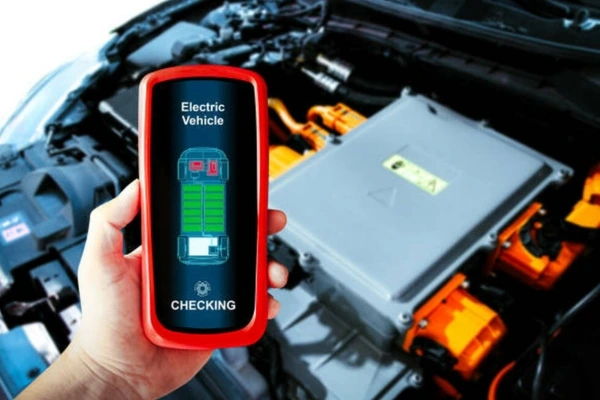
Fast charging might seem brilliant when you’re in a rush, but relying on rapid chargers too frequently can shorten electric vehicle battery life. The high currents involved in fast charging generate more heat, which degrades battery cells faster than gentle, slow charging.
For everyday use, stick to home charging or standard public chargers. These slower methods are kinder to your battery and often cheaper too. According to recent data from the UK’s Society of Motor Manufacturers and Traders, home charging costs roughly £7 to fully charge a typical 64kWh battery, whilst rapid charging at motorway services can cost considerably more.
Reserve rapid charging for longer trips or genuine emergencies. If you’re driving from Harlow to London and need a quick top-up, that’s perfectly fine. But for your regular charging routine, slower is definitely better for maintaining battery health.
AutoNet VIP – Car Repairs, MOTs & Electric & Hybrid Specialists in Harlow understand these nuances and can advise on optimal charging strategies specific to your vehicle model during routine car checks.
3. Manage Temperature Exposure
Temperature significantly affects electric vehicle battery life, with extreme heat or cold both causing problems. Essex generally enjoys moderate weather, but we still experience summer heatwaves and winter freezes that can impact battery performance.
When possible, park your EV in a garage or covered area. This protects the battery from temperature extremes and helps maintain more consistent operating conditions. If you’re searching for an electric vehicle garage near me in Harlow, facilities that offer covered parking can make a real difference to your battery’s long-term health.
During summer months, avoid leaving your vehicle parked in direct sunlight for extended periods. The battery management system works harder to cool everything down, which consumes energy and creates additional wear. Similarly, in winter, parking undercover helps the battery maintain temperature, improving your electric vehicle mileage rate when you set off.
Preconditioning your vehicle whilst it’s still plugged in also helps. This feature warms or cools the cabin and battery using mains electricity rather than draining the battery itself. You’ll start your journey with optimal battery temperature and full charge, maximising efficiency from the first mile.
4. Drive Smoothly and Efficiently
Your driving style directly impacts both immediate range and long-term electric vehicle battery life. Aggressive acceleration and heavy braking force the battery to work harder, creating more heat and faster degradation.
Smooth, progressive driving helps maintain battery health whilst also improving your electric vehicle mileage rate. Anticipate traffic flow, accelerate gently, and use regenerative braking to slow down whenever possible. This driving style not only extends battery life but also makes your journey more comfortable and efficient.
In Essex, where you’ll encounter everything from country lanes to motorway stretches, adapting your driving to conditions makes sense. On the A414 through Harlow, for instance, maintaining steady speeds rather than constantly accelerating and braking preserves energy and reduces battery stress.
Many EVs offer different driving modes—eco, normal, and sport. For daily driving, eco mode reduces power output and encourages gentler acceleration, which benefits both range and battery longevity. Save sport mode for when you genuinely need that extra performance.
5. Keep Up with Regular Maintenance
Electric vehicles require less maintenance than traditional petrol or diesel cars, but they’re not maintenance-free. Regular car checks ensure your EV operates efficiently and help identify potential issues before they become serious problems.
Battery cooling systems need particular attention. These systems prevent overheating during charging and driving, which is crucial for maintaining electric vehicle battery life. Coolant levels should be checked regularly, and the system should be flushed according to manufacturer recommendations.
Tyre pressure also matters more than many people realise. Tyres that are not fully inflated make it harder for the engine and battery to perform since they have to roll more. This reduces range and creates unnecessary battery stress. Check your tyre pressures monthly, especially before longer journeys.
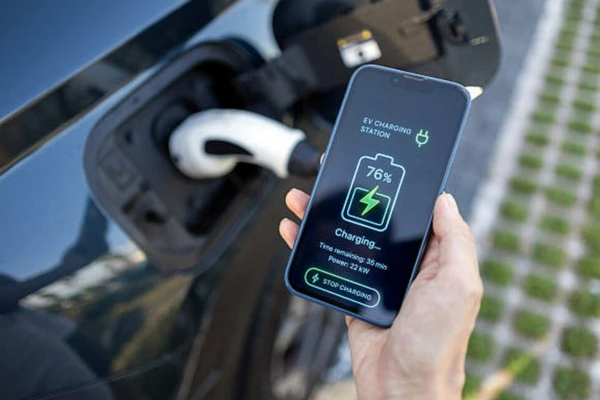
AutoNet VIP – Car Repairs, MOTs & Electric & Hybrid Specialists in Harlow provide comprehensive EV maintenance services, including battery health assessments, cooling system checks, and general car checks tailored specifically for electric and hybrid vehicles. Their expertise ensures your vehicle receives the specialist care it needs.
6. Plan for Long-Term Storage
If you need to leave your EV unused for an extended period, proper storage preparation protects electric vehicle battery life. Simply parking it up with a full or empty battery can cause damage.
For storage periods longer than a week, aim to leave the battery at around 50% charge. This minimises stress on the cells whilst ensuring enough power for the battery management system to maintain itself. Modern EVs slowly drain their batteries even when parked, powering various systems and maintaining cell balance.
If storing for several weeks or months, check the battery level periodically and top it up to 50% if it’s dropped below 30%. Some manufacturers recommend plugging in during long-term storage, with the vehicle’s systems managing charge levels automatically.
Park in a cool, dry location away from direct sunlight. Temperature stability matters enormously during storage, helping preserve battery capacity and overall health.
7. Monitor Battery Health Regularly
Keeping tabs on your battery’s condition helps you spot problems early and adjust your habits accordingly. Most EVs display battery health information through their infotainment systems, showing current capacity compared to when the vehicle was new.
Some degradation is normal and expected. Quality EV batteries typically retain around 80% capacity after eight years or 100,000 miles, with many performing considerably better. UK warranty regulations require manufacturers to guarantee EV batteries for at least eight years or 100,000 miles, whichever comes first.
However, if you notice unusually rapid degradation or significant changes in electric vehicle mileage rate, get a professional assessment. Specialists can perform detailed battery diagnostics to identify issues with individual cells or cooling systems.
Regular professional car checks at facilities like AutoNet VIP – Car Repairs, MOTs & Electric & Hybrid Specialists in Harlow include battery health assessments using specialist diagnostic equipment. These checks provide detailed insights into your battery’s condition and help you make informed decisions about its care.
Understanding Battery Technology
Modern electric vehicle battery life benefits from continuous technological improvements. UK manufacturers and researchers are developing batteries that last longer, charge faster, and perform better in varied conditions. Essex-based facilities contribute to this research, helping advance battery technology for British drivers.
Current lithium-ion batteries represent mature, reliable technology, but solid-state batteries emerging over the next few years promise even better performance and longevity. These developments mean that properly maintained current EV batteries should serve reliably until newer, better technology becomes widely available.
Battery chemistry continues evolving, with manufacturers experimenting with different lithium-ion formulations to improve energy density and lifespan. Nickel-manganese-cobalt (NMC) and lithium-iron-phosphate (LFP) batteries each offer distinct advantages, with LFP batteries showing particularly impressive longevity characteristics.
Recent studies from UK universities indicate that modern EV batteries degrade more slowly than initially predicted. Data collected from thousands of vehicles shows that many retain over 90% capacity after five years of typical use. This exceeds early estimates and demonstrates that careful battery management really does make a measurable difference.
Temperature management technology has improved dramatically too. Modern thermal management systems maintain optimal battery temperatures more effectively, reducing stress and extending lifespan. These systems work quietly in the background, but their contribution to preserving electric vehicle battery life cannot be overstated.
Real-World Performance in Essex
Essex drivers benefit from relatively moderate climate conditions compared to other UK regions, which naturally supports better electric vehicle battery life. The county’s mix of urban and rural driving also suits EV characteristics well, allowing drivers to maximise regenerative braking opportunities and maintain efficient driving patterns.
Local infrastructure continues improving, with more charging points appearing across Harlow and surrounding towns. This increased availability means drivers can charge more conveniently, reducing the temptation to constantly charge to 100% “just in case”. When you know reliable charging exists nearby, maintaining that optimal 20-80% range becomes much easier.
The Bottom Line
Maximising electric vehicle battery life doesn’t require complicated procedures or expensive equipment. Simple, consistent habits—charging sensibly, driving smoothly, managing temperature exposure, and maintaining your vehicle properly—make the biggest difference.
For residents of Harlow and across Essex, finding a trusted electric vehicle garage near me in Harlow that understands these vehicles’ unique requirements is essential. Specialist facilities provide the expertise needed to keep your EV performing brilliantly for years.
Your electric vehicle represents a significant investment and an important step towards cleaner transportation. Treating its battery with care ensures you enjoy all the benefits of electric driving whilst minimising costs and environmental impact. Whether you’re commuting through Harlow, exploring Essex’s countryside, or making longer journeys, these seven proven strategies will help your EV battery deliver reliable, efficient performance for many years to come.
Regular car checks, sensible charging habits, and professional maintenance from specialists who truly understand electric vehicles—these are the keys to maximising your electric vehicle battery life and getting the very best from your investment.