You usually feel the difference between a dealer and a local garage the moment something goes wrong. A warning light comes on, the brakes start making noise, or your service date sneaks up on you, and suddenly the question becomes practical very fast: dealer vs local garage – which one is actually the better choice for your car, your time, and your budget?
The honest answer is that neither option is automatically best in every situation. It depends on the age of the vehicle, the type of repair, the technology involved, and how much value you place on price, convenience, and specialist knowledge. What matters most is understanding where each option is strong and where it can fall short.
Dealer vs local garage: the real difference
A dealership is tied to a specific manufacturer. That usually means brand-specific training, access to manufacturer systems, and a strong focus on newer vehicles from that make. If you drive a late-model car and need software work, recall-related checks, or a problem that is unique to that brand, a dealer can be the right place.
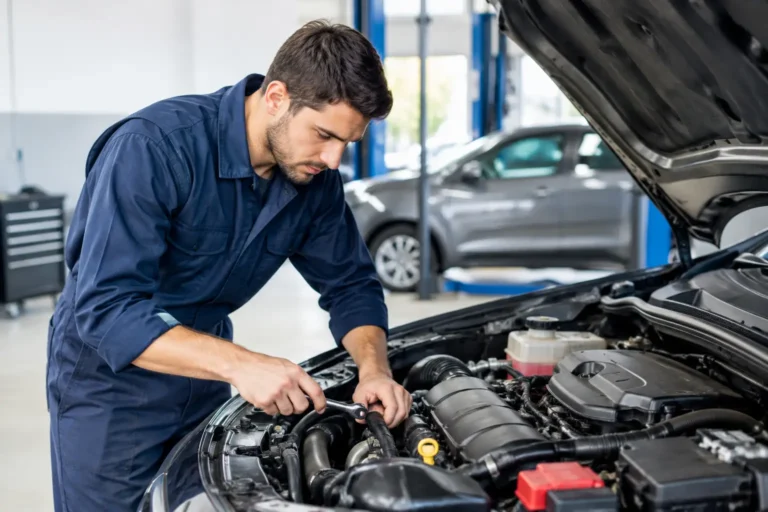
A local garage works differently. A good independent shop is built around broad capability rather than one badge on the hood. That can be a major advantage if you want one place that can handle routine servicing, diagnostics, brakes, tires, suspension, air conditioning, MOT testing, and bigger mechanical work without pushing you into dealership pricing.
For many drivers, the choice comes down to this: do you need factory-backed brand specialization, or do you need a trusted workshop that offers strong technical coverage, fair pricing, and a more personal service experience?
When a dealer makes sense
There are times when a dealer is the smart choice, and pretending otherwise would not be helpful.
If your vehicle is still under a manufacturer campaign, needs recall work, or has a software issue that only the dealer network can carry out, the dealer may be necessary. The same applies to some very new models where certain updates, coding procedures, or brand-specific systems are tightly controlled.
A dealer can also make sense if you have a performance or luxury model with a highly unusual fault and the issue clearly points to a manufacturer-specific problem. In those cases, brand familiarity can speed things up.
Some owners also prefer dealer history for resale reasons, especially on newer premium cars. That matters more to some buyers than others, but it is a real factor. If keeping a full dealer stamp record helps you feel more confident about long-term value, that preference is valid.
That said, the dealer route often comes with trade-offs. Labor rates are typically higher. Communication can feel more formal and less flexible. You may also find that jobs which are straightforward in an experienced independent garage are priced at a level that simply does not make sense for an older car.
When a local garage is the better choice
For routine maintenance and most repairs, a well-equipped local garage is often the better all-around option.
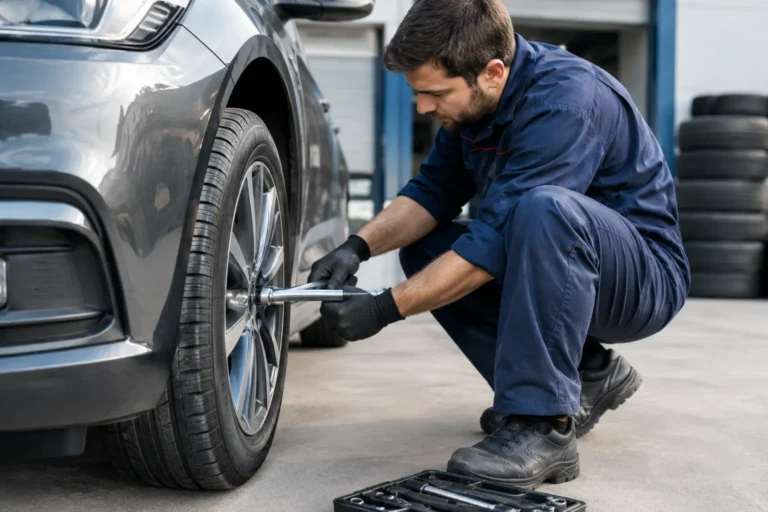
That starts with cost. Independent garages usually offer more competitive labor rates, and that can make a real difference on annual servicing, brake work, suspension repairs, tires, diagnostics, and general wear-and-tear items. Lower cost does not have to mean lower standards. What matters is whether the garage has the right tools, the right technicians, and the habit of explaining work clearly.
Then there is convenience. A local garage often feels easier to deal with because the relationship is more direct. You are more likely to speak to someone who listens, explains what is urgent and what can wait, and gives you options instead of a rigid script.
That matters because most car owners do not just want a repair. They want clarity. They want to know what failed, what it means, what it costs, and whether there is a smarter way to approach it. A strong local garage is often better at that side of service.
In areas like Harlow and the wider Essex and London region, many drivers want one workshop they can return to for everything from MOTs to major repairs. That long-term relationship is where a good independent garage really stands out.
Cost is important, but value matters more
A lot of dealer vs local garage comparisons stop at price, but that is too simplistic.
Yes, dealers are often more expensive. But the lowest quote is not always the best value either. If a garage misses the real fault, uses poor quality parts, or does not communicate properly, a cheap repair can become expensive very quickly.
Real value comes from accurate diagnosis, suitable parts, skilled workmanship, and honest recommendations. If a garage tells you that three items need replacing when only one is urgent, that is not value. If they explain priorities properly and help you plan repairs sensibly, that is.
This is especially important on older vehicles. A dealer may quote to a standard that is hard to justify on a car with modest market value. A trustworthy local garage will usually help you think more practically. They can tell you what is essential for safety and reliability, what can wait, and what is not worth doing.
What about warranty and servicing?
This is one area where drivers are often more cautious than they need to be.
Many people assume they must use a dealer for servicing to protect their warranty. In practice, routine servicing can often be carried out by a qualified independent garage as long as the work follows manufacturer schedules and the correct parts and fluids are used. The key is proper standards and proper records.
That means you should not choose just any shop. You should choose one that understands modern service requirements and documents work correctly. A professional local garage with trained technicians and up-to-date equipment can often maintain newer cars to a very high standard.
Where things become more dealer-specific is manufacturer-only software actions, recalls, and certain coding procedures. So again, it depends on the type of job, not just the age of the car.
Dealer vs local garage for diagnostics
Diagnostics is where the quality gap between garages becomes obvious.
Modern vehicles are packed with electronics. Faults are not always mechanical, and warning lights do not always point directly to the failed part. This is why equipment and experience matter so much. A local garage that invests in advanced diagnostics and ongoing technician training can be every bit as capable as a dealer for many problems, and sometimes more practical in its approach.
The difference is that a good independent garage will often focus on diagnosing the actual cause rather than replacing parts based on a narrow process. That saves money and avoids unnecessary work.
This is also where customers should be selective. Not every independent garage is equal. If a shop cannot explain its findings in plain English or seems to rely on guesswork, that is a red flag. Strong diagnostics should feel clear, logical, and transparent.
Hybrids, EVs, and newer vehicles
One outdated idea still lingers: that local garages are only for older gas or diesel cars.
That is no longer true if you choose the right workshop. Many modern independent garages now have the training and equipment to work on hybrid and electric vehicles, including high-voltage systems, electronic diagnostics, and software-related issues. The question is not whether the garage is independent. The question is whether it has invested properly in the technology and technician skill required.
If you drive a hybrid or EV, ask direct questions. Can they service your model? Are technicians trained for high-voltage work? Can they handle diagnostics as well as mechanical repairs? A serious garage will answer clearly.
That is one reason garages like AutoNet VIP appeal to drivers who want dealership-level technical capability without the distance or formality that often comes with the dealer experience.
How to choose the right place for your car
The better question is not dealer or local garage in general. It is dealer or local garage for this specific job.
If your car needs recall work, a factory software update, or a highly brand-specific issue on a new model, start with the dealer. If you need routine maintenance, brakes, suspension work, diagnostics, MOT testing, tires, air conditioning service, or most repairs, a well-run local garage is often the smarter choice.
Look for a shop that explains work clearly, prices transparently, and has the capability to match the type of vehicle you drive. Ask how they diagnose faults, what parts they use, and whether they can support future maintenance too. The best garage is not just the one that fixes today’s problem. It is the one you trust when the next one appears.
A car is expensive enough to own without paying more than necessary or guessing your way through repairs. Choose the place that gives you confidence, not just a quote. When a garage combines technical skill with honest advice, that is usually where the best long-term decision gets made.