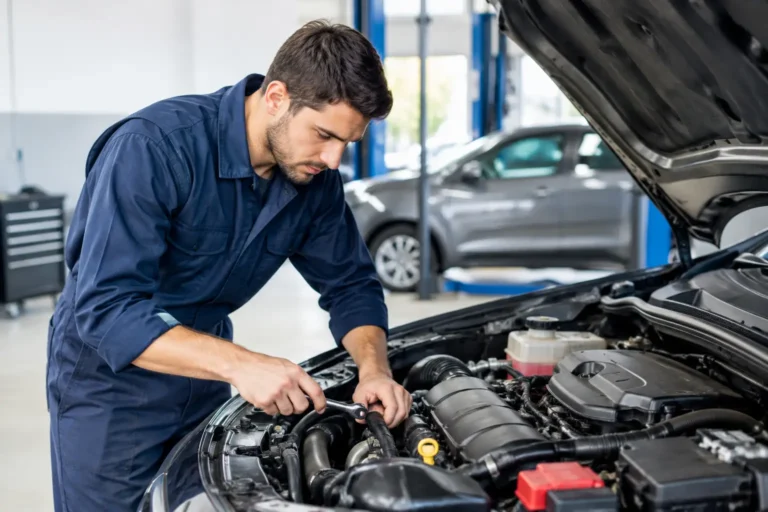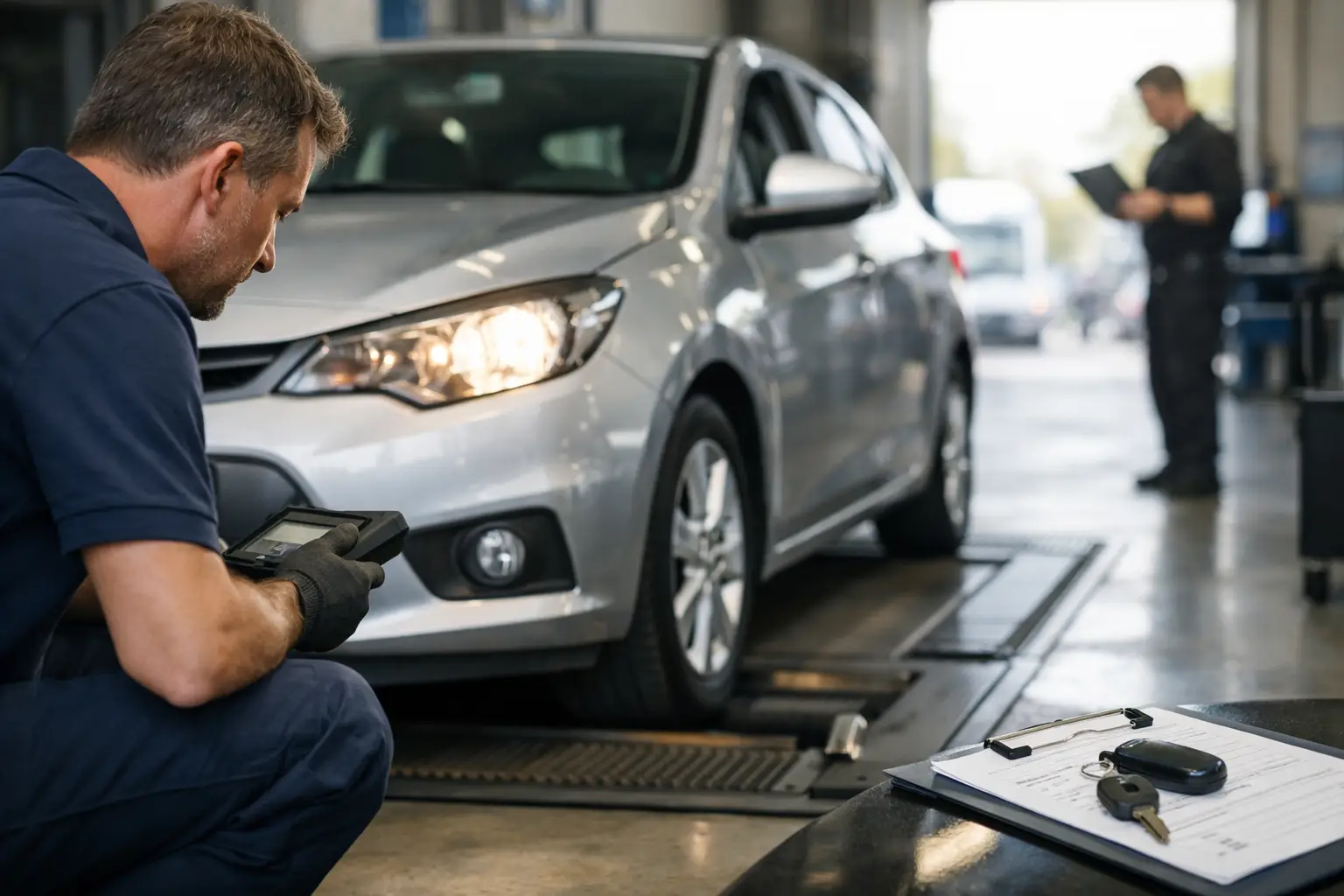
Few things are more frustrating than booking an MOT, rearranging your day, and then failing for something small like a blown bulb or worn wiper blade. If you want to know how to prepare for MOT properly, the good news is that a little attention before test day can save time, money, and hassle.
An MOT is not the same as a full service, and that catches a lot of drivers out. A car can feel fine on the road and still fail on safety or compliance items. The best approach is simple – check the basics yourself, deal with obvious issues early, and leave enough time to fix anything borderline before your appointment.
How to prepare for MOT without last-minute stress
The easiest way to prepare is to think like a tester. They are not judging how clean your car is or whether it drives nicely on a short trip. They are checking whether key safety and legal standards are met on the day of the test.
Start with the items you can see and use every day. Check all exterior lights, including brake lights, reverse lights, indicators, fog lights, and license plate lights. If possible, ask someone to help while you press the brake pedal and operate the controls. A single failed bulb can be enough to turn a routine pass into a retest.
Your tires are another common issue. Look at tread depth across the full width of each tire, not just the center. Uneven wear can point to alignment or suspension problems, and cuts, bulges, or exposed cords will raise concern immediately. Also make sure the tires are inflated correctly. Underinflation will not usually fail a test by itself, but it can affect how the vehicle feels and may suggest poor overall upkeep.
Wipers and washers matter more than many drivers expect. If your blades smear badly or miss large sections of the windshield, replace them before the test. Top up the washer fluid too. It is a small job, but it is one of the easiest things to overlook.
Take a close look at your windshield for chips and cracks, especially in the driver’s field of view. Not every mark means a fail, but location and size matter. If there is any doubt, get it assessed before the MOT rather than hoping it will be fine.
The checks many drivers miss
Some of the most common MOT failures come from things people rarely think about until a warning light appears or a tester points them out.
First, check the dashboard when you start the car. Warning lights for engine management, ABS, airbags, or other key systems should illuminate briefly and then go out if everything is working properly. If a light stays on, do not ignore it. Modern vehicles, including hybrid and electric models, can store faults that need proper diagnostics before the test.
Your horn should work clearly and consistently. Seat belts should pull smoothly, latch securely, and show no obvious damage. Mirrors need to be secure and provide a proper view. The license plate should be clean, readable, and properly fixed. These are simple details, but they count.
Doors are another overlooked area. The tester needs to be able to open required doors from both inside and outside, and they must latch securely. If a door sticks, a handle is loose, or a lock is unreliable, it is worth sorting out beforehand.
Inside the car, clear away anything that could interfere with the test. That includes clutter in the footwells, heavy items in the trunk that make inspection awkward, or phone mounts that block part of the windshield. You do not need to present a spotless car, but it should be safe and accessible.
Brakes, suspension, and steering
This is where home checks become more limited. You can often spot warning signs, but you cannot fully assess braking performance or suspension condition without proper equipment.
Pay attention to how the car feels in the week or two before the MOT. If the steering pulls to one side, the brake pedal feels weak, the car knocks over bumps, or you hear grinding when braking, do not wait for the test to confirm the problem. These symptoms often point to issues that could cause a failure and may already be affecting safety.
The same goes for excessive vibration, uneven ride height, or strange tire wear. Sometimes the fix is straightforward. Sometimes it is part of a larger issue involving shocks, springs, control arms, or alignment. Either way, early inspection gives you more control over cost and timing.
Emissions and exhaust – where short trips can work against you
If you drive mostly short distances, your car may not be in the best condition for an emissions test on a cold engine. Petrol and diesel vehicles both benefit from a proper run before the appointment so the engine reaches full operating temperature.
That does not mean trying to hide a fault. If there is a genuine engine or emissions issue, it still needs repair. But a fully warmed-up engine can help the system operate as intended and reduce the chance of a borderline result.
If your car feels sluggish, smokes excessively, smells strongly of fuel, or has an engine warning light on, book diagnostics before the MOT. Emissions failures are often linked to faults in sensors, ignition components, injectors, filters, or the exhaust system itself.
Should you service the car before an MOT?
In many cases, yes. A recent service can improve your chances because worn items and developing faults are more likely to be caught early. It is especially useful if your car is due for maintenance anyway, if you have not had it checked in a while, or if you are relying on it every day and want fewer surprises.
That said, a service is not a guarantee of an MOT pass. The two checks are different. A car can be freshly serviced and still fail on something outside the service scope, and a car can pass an MOT while still needing maintenance. The value is in reducing risk, not eliminating it entirely.
For older vehicles or cars with higher mileage, combining a pre-MOT inspection with routine maintenance is often the most sensible route. It gives you a clearer picture of what is urgent, what is advisory, and what can wait.
How to prepare for MOT if your car is older or more complex
Older cars tend to fail on wear-and-tear items – brakes, suspension components, tires, corrosion, and lighting issues. Newer vehicles may be more likely to run into electronic faults, sensor problems, or warning lights that trigger a failure even when the car seems to drive normally.
Hybrid and electric vehicles add another layer. The MOT still covers many familiar items such as lights, tires, brakes, steering, and suspension, but diagnostics and repairs can be more specialized if faults are present. If you drive one of these vehicles, it helps to use a workshop that is comfortable with both conventional systems and newer technology.
Vans and heavily used commuter vehicles deserve extra attention too. Higher mileage, heavier loads, and stop-start driving can accelerate wear. If your vehicle works hard, leave more time before the MOT in case repairs are needed.
Timing matters more than most drivers realize
One of the smartest things you can do is avoid booking your MOT at the last possible moment. If the car fails and parts are needed, you may be left without transport or forced into a rushed decision.
Booking a little earlier gives you options. You have time to review repair recommendations, compare urgency, and avoid the pressure that comes with an expired certificate looming over you. For families, commuters, and business owners, that flexibility matters.
If you already know something is not quite right, do not use the MOT as a diagnosis. A test will tell you whether the vehicle passes or fails against set standards, but it is not a substitute for investigating a specific fault properly.
What to bring and what to expect
For most drivers, the process is straightforward. Make sure the car is reasonably clean around the areas being inspected, arrive on time, and bring any details requested when booking. If your vehicle has had previous advisories, it is worth checking whether those items have actually been addressed rather than assuming they are still fine.
A good garage will explain the result clearly. If the car passes with advisories, take them seriously. Advisory notes are not just paperwork. They are early warnings that something may soon need attention. Acting on them before they become failures is usually cheaper and far less inconvenient.
At a modern workshop like AutoNet VIP, that conversation should be clear and pressure-free. You want to understand what failed, what is recommended, what is urgent, and what the repair path looks like.
Preparing for an MOT is not about gaming the test. It is about giving your car the best chance of passing for the right reasons – because it is safe, roadworthy, and properly looked after. A few simple checks, a bit of planning, and honest advice from a garage you trust can make the whole process feel much easier.