An electric car can feel almost maintenance-free compared with a petrol or diesel model. There is no engine oil to change, no exhaust system to corrode and fewer moving parts under the bonnet. But “less maintenance” does not mean “no maintenance”. This EV maintenance guide UK explains what still needs regular attention, when to book professional help and how to avoid small issues becoming expensive repairs.
For drivers who rely on their car for commuting, school runs or longer journeys, the goal is simple: keep the vehicle safe, efficient and dependable without paying for work it does not need. A good garage should explain the condition of each item clearly, show you what is required now and advise on what can reasonably wait.
EV maintenance guide UK: the essentials
Electric vehicles have a high-voltage battery and electric motor, but much of the car is familiar. Tyres, brakes, suspension, steering, lights, wipers, air conditioning and the 12-volt battery all require inspection and maintenance. As EVs are often heavier than equivalent petrol cars, some components can work particularly hard.
Your handbook and manufacturer service schedule remain the starting point. Requirements vary by make, model, mileage, age and whether the car is used mainly for short town journeys, motorway driving or towing. Most EVs need a routine inspection every year or at the specified mileage interval, even if they have covered relatively few miles.
A professional EV service usually includes a visual safety inspection, diagnostic scan, tyre and brake checks, fluid checks, inspection of charging equipment and a review of the vehicle’s service history and software status. Work on high-voltage systems should only be carried out by suitably trained technicians using the correct safety procedures.
Tyres deserve more attention than most owners expect
Tyres are one of the biggest running-cost considerations for an EV. Instant torque, extra vehicle weight and regenerative braking can change wear patterns, particularly on cars used regularly in urban traffic. A tyre may look acceptable at a glance while wearing unevenly on its inner edge or developing damage from potholes.
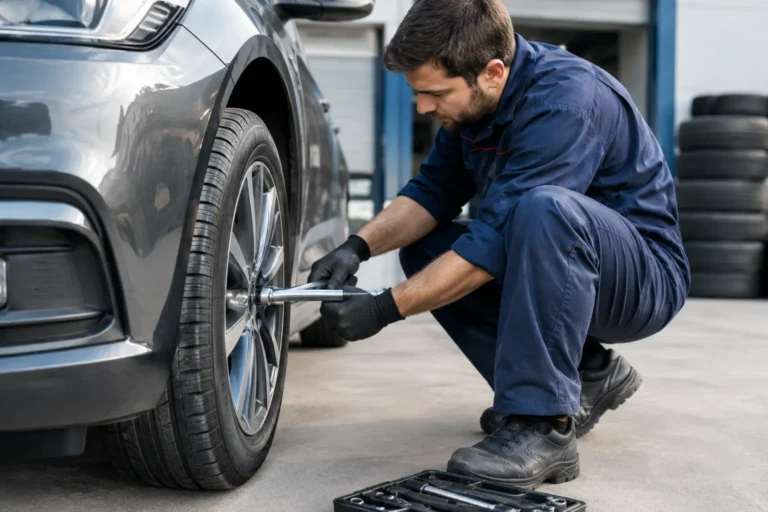
Check tyre pressures at least once a month, and before a long trip. Use the pressure figure specified for your vehicle, not a generic setting. Under-inflated tyres reduce range, affect handling and wear faster. Over-inflation can make the ride harsher and reduce grip.
The legal minimum tread depth in the UK is 1.6mm across the central three-quarters of the tyre, around its full circumference. In practice, replacing tyres before they reach that limit gives better wet-weather performance. If the steering wheel vibrates, the car pulls to one side or tyre wear looks uneven, arrange an inspection. Wheel alignment, balancing, suspension wear or a damaged tyre may be the cause.
Choose replacement tyres carefully. EV-specific tyres can be designed to cope with higher loads and reduce road noise, but they are not automatically the best value for every vehicle. The correct size, load rating and speed rating matter more than a marketing label.
Brakes can wear less – and still need servicing
Regenerative braking slows the car by recovering energy into the battery. It reduces use of the conventional friction brakes, which is good for pad and disc life. The trade-off is that brake components may be used less often, particularly on drivers who favour strong regenerative settings.
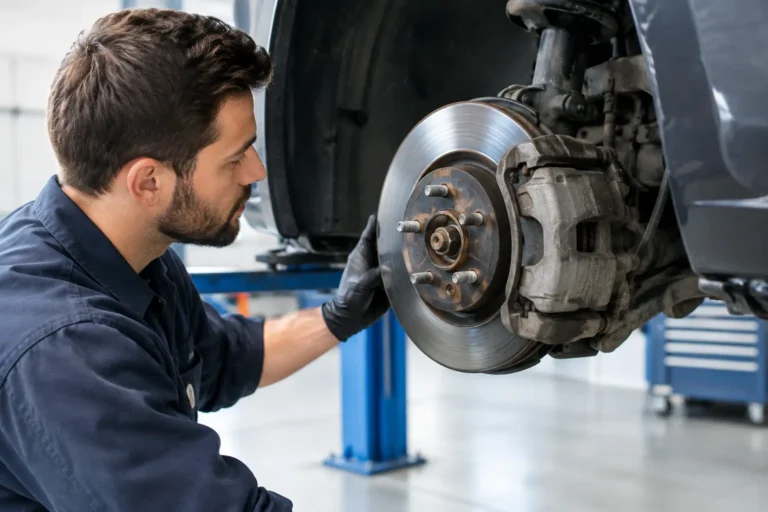
In the UK’s wet, salty winter conditions, discs can corrode and callipers can begin to stick. This may lead to uneven braking, noise, binding brakes or premature replacement of parts that should have lasted longer. Regular brake inspections and cleaning or servicing where required are especially worthwhile on EVs that cover short journeys.
Do not ignore a grinding sound, a brake warning light, vibration through the pedal or a change in how the car stops. These symptoms need prompt attention, whether the car is electric, hybrid or conventional.
The high-voltage battery: protect it, do not obsess over it
The traction battery is the component that concerns many prospective and new EV owners. Modern battery packs are designed with sophisticated management systems, cooling or heating arrangements and protection against overcharging. Most owners do not need to manage their battery with military precision.
That said, a few sensible habits can support long-term battery health. Avoid leaving the vehicle at 100% charge for long periods unless you need the range soon. For everyday use, many manufacturers recommend a lower charge limit, often around 80%, though the right figure depends on the vehicle. Equally, avoid repeatedly running the battery close to empty when it is unnecessary.
Rapid charging is useful on longer journeys, but relying on it for every charge can generate more heat and may place greater demand on the battery than slower AC charging. This is not a reason to avoid rapid chargers altogether. It is simply a reason to use the most practical charging option for the journey.
A sudden and noticeable range reduction, repeated charging faults, warning messages or unusual cooling-system noises should be checked by an EV-capable workshop. Range naturally changes with cold weather, cabin heating, driving speed, terrain and tyre pressure, so one short winter journey is not enough evidence of a battery problem.
Do not forget the 12-volt battery and fluids
Every EV still uses a conventional 12-volt battery to power control systems, locks, lights and essential electronics. If it becomes weak, the vehicle may refuse to start properly or display several alarming warning messages. Because drivers do not hear an engine cranking, a deteriorating 12-volt battery can catch them by surprise.
Have it tested during routine servicing, especially once the vehicle is a few years old. If warning lights appear intermittently, the central locking becomes unreliable or the car struggles to wake up after being parked, book a diagnostic check rather than assuming the high-voltage battery is at fault.
EVs also use fluids. Brake fluid absorbs moisture over time and must be changed at the manufacturer’s recommended interval. Screenwash needs topping up, and many models have coolant circuits that regulate battery, motor and power-electronics temperatures. These systems should be inspected only with the correct knowledge and equipment. Never attempt to open or work on high-voltage cooling components yourself.
Air conditioning is part of battery care
The air conditioning system does more than cool the cabin. On many EVs, it is integrated with thermal management, helping keep the battery and electrical systems within their preferred operating temperature range. A poorly performing system can affect comfort, demisting and, on some models, efficiency.
If the cabin takes much longer to cool or heat, windows do not clear properly, there is an unpleasant smell from the vents or you hear unfamiliar noises when climate control is running, have the system inspected. Replacing the cabin filter at the appropriate interval also helps airflow and air quality.
Software updates, charging checks and diagnostics
Software plays a larger role in electric vehicles than in many older cars. Updates may improve charging behaviour, energy management, infotainment functions or known faults. Some updates can be completed remotely, while others require workshop equipment.
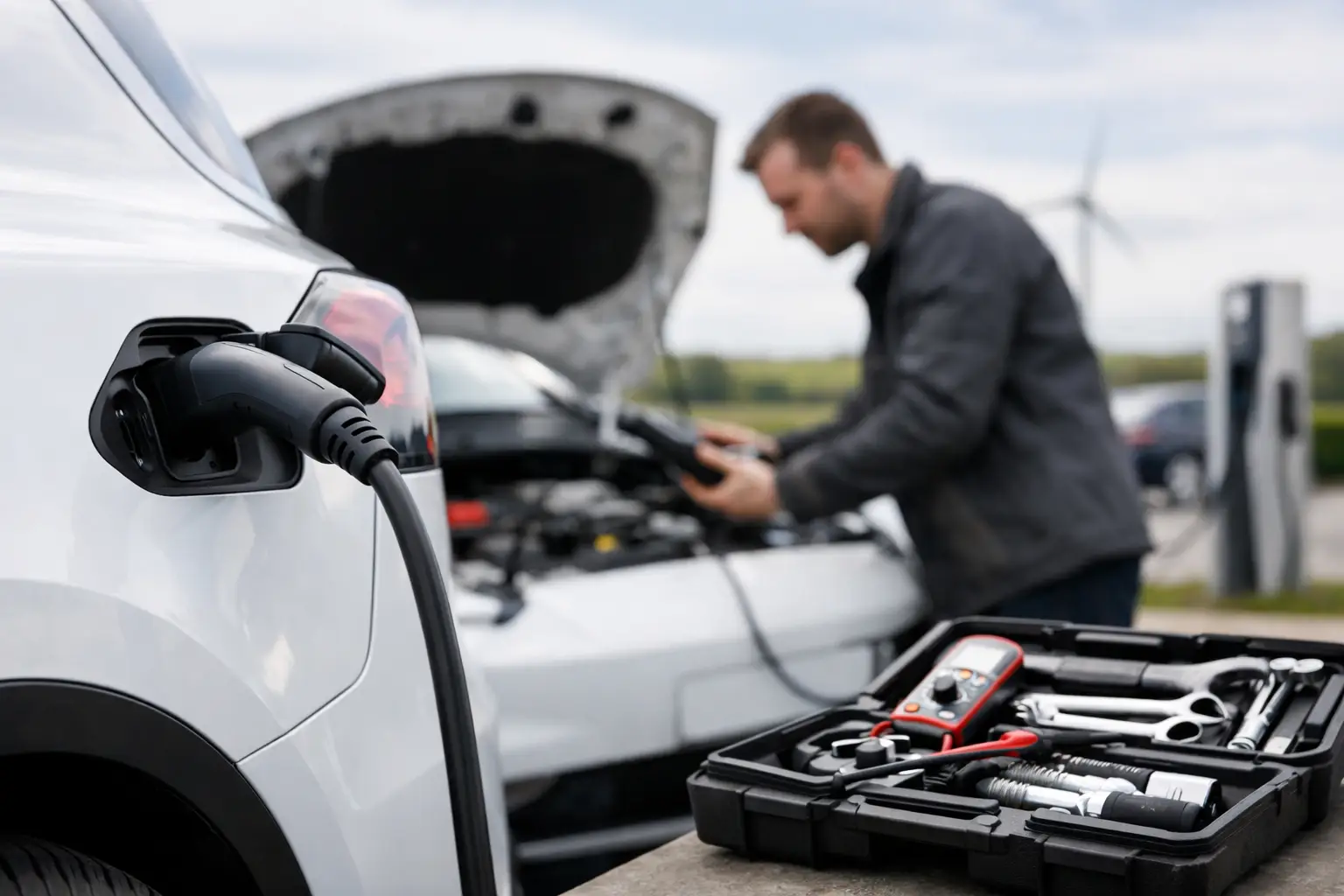
It is worth reporting even occasional fault messages, charging interruptions or changes in driving behaviour. An accurate diagnostic scan can identify stored fault codes before a warning becomes a breakdown. Keep a note of what happened, whether the car was charging, the battery level and any warning message shown. That information helps a technician diagnose the issue more efficiently.
Your charging cable, connector and home charging equipment also deserve a quick visual check. Look for cracked casing, bent pins, heat damage, loose fittings or water ingress. Stop using damaged charging equipment and have it assessed by a qualified professional. Do not use extension leads or improvised adaptors for regular EV charging.
MOT requirements for electric cars
Electric cars need an MOT once they are three years old, just like most other cars in the UK. The test does not include emissions testing, but it still covers vital roadworthiness items such as tyres, brakes, suspension, steering, lights, seatbelts, wipers and the condition of the vehicle.
An EV can fail an MOT for the same everyday issues as any other car: worn tyres, ineffective brakes, damaged suspension components, faulty lights or poor visibility. Booking an inspection before the MOT can reduce the chance of an inconvenient failure and gives you time to understand any recommended work.
When should you book an EV service?
Follow the manufacturer’s schedule, but do not wait for a service reminder if something feels wrong. Book an inspection promptly for warning lights, charging problems, brake noise, reduced range that cannot be explained by weather or driving conditions, steering changes, tyre damage, fluid leaks or unusual noises.
For EV owners in Harlow and the surrounding area, AutoNet VIP can provide clear, practical servicing and diagnostics for electric and hybrid vehicles. You should expect straightforward advice, a clear explanation of findings and transparent pricing before work goes ahead.
Electric driving should be easier, quieter and cheaper to maintain, not a reason to put off basic car care. Keep up with the essentials, act early when something changes and choose technicians equipped to work safely with the systems that make an EV different.