That moment when a dashboard light comes on right before a busy week is when most drivers remember servicing matters. A good car servicing guide helps you stay ahead of that stress, protect your vehicle, and avoid paying for problems that started small and got expensive.
Servicing is not just about keeping a stamp in the record book. It is how you catch worn brakes before they become unsafe, low fluid levels before they damage major components, and software or electrical issues before they leave you stranded. Whether you drive a compact gas car, a family SUV, a van for work, or a hybrid or EV, regular maintenance gives you better reliability, safer performance, and fewer surprises.
What this car servicing guide actually covers
A service is a planned inspection and maintenance visit designed to keep your car operating properly. What gets checked depends on the age of the vehicle, the mileage, the manufacturer schedule, and how you use it day to day.
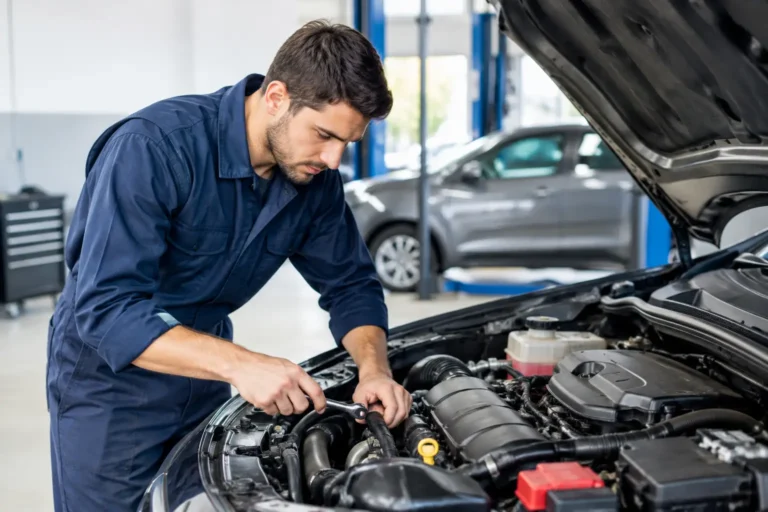
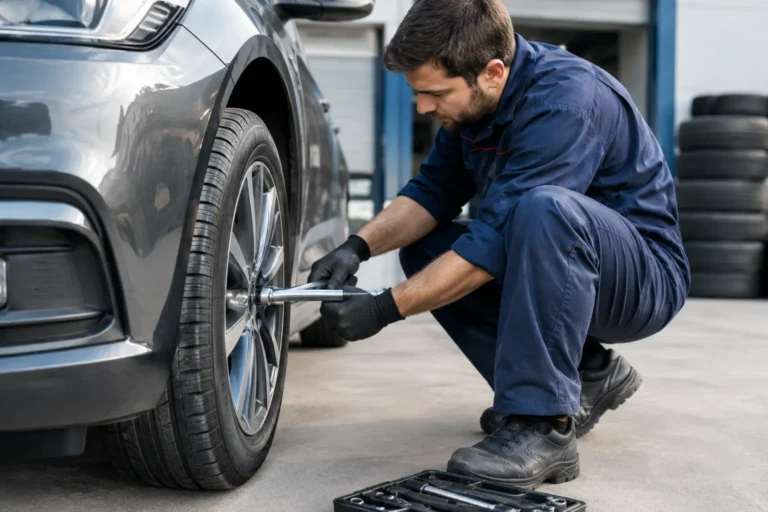
In most cases, a proper service includes an inspection of safety-critical parts, a review of fluid condition and levels, and replacement of routine service items where needed. That can mean engine oil and filter changes, brake inspections, tire checks, suspension review, battery testing, and diagnostic scans. On newer vehicles, it may also include software updates, electronic system checks, and resetting service indicators.
This is where many drivers get confused. A basic oil change is not the same as a full service. An MOT-style inspection is not the same as maintenance either. One checks roadworthiness at a point in time, while servicing is about preventing wear-related issues and keeping the car healthy between major failures.
How often should you service your car?
The honest answer is that it depends. The right interval is based on your manufacturer recommendations, but real-world driving habits matter just as much.
If you do mostly short trips, stop-start commuting, school runs, or urban driving, your vehicle often needs more attention than the mileage alone suggests. That kind of use is harder on oil, brakes, batteries, and filters. If you do long highway drives, components may wear differently, but you still should not ignore time-based service intervals.
For many vehicles, an annual service or a service every 10,000 to 12,000 miles is a reasonable rule of thumb. Some cars call for shorter intervals, especially performance models or vehicles driven under heavy load. Hybrids and EVs may need fewer traditional maintenance items, but they still require regular inspections for brakes, tires, suspension, cooling systems, and electronic components.
If you are unsure, do not guess. The safest approach is to check the service schedule for your exact vehicle and pair that with advice from a garage that understands how your car is actually being used.
Signs your car needs service sooner
You do not always have to wait for the scheduled date. Cars often give early warnings when something needs attention.
A change in braking feel, unusual noises over bumps, rough idling, poor fuel economy, warning lights, weak air conditioning, vibration through the steering wheel, or slow starting can all point to maintenance needs. Sometimes the issue is minor. Sometimes it is the first sign of a bigger repair on the horizon.
This is one of the biggest trade-offs drivers face. Waiting a little longer can seem convenient if the car still runs, but small issues rarely stay small. A worn tire, contaminated oil, weak battery, or failing suspension component may not stop the vehicle today, but it can cost more and create safety risks if ignored.
Full, interim, and major services
Not every service visit is the same, and that is a good thing. Different levels of servicing exist so the work matches the condition and use of the vehicle.
An interim service is usually suited to high-mileage drivers or vehicles that need a check between annual services. It often focuses on the essentials, such as oil, filters, fluid levels, brakes, and tires.
A full service is more comprehensive and is commonly carried out once a year. It covers a broader range of inspection points and routine maintenance items.
A major service goes deeper and usually includes additional replacements based on mileage or age, such as spark plugs, fuel filters, cabin filters, brake fluid, or other scheduled items. The exact content varies by make and model.
This is why price comparisons can be misleading. Two garages may both advertise a full service, but the number of checks, the quality of parts, and whether diagnostics are included can be very different. Transparent itemized explanations matter more than a headline figure on its own.
What a good garage should explain clearly
A professional service experience should leave you better informed, not more confused. You should know what was checked, what was replaced, what is wearing out, and what can reasonably wait.
The best garages separate urgent safety work from advisory items. If your front brake pads are close to the limit, that should be explained plainly. If your rear tires are wearing but still legal, you should be told the likely timeframe rather than pressured into replacing them immediately.
That kind of communication matters because most customers are not looking for the cheapest possible invoice. They want fair pricing, honest advice, and confidence that the work recommended is actually needed. At a modern workshop, diagnostics should support that process rather than complicate it.
Servicing gas, diesel, hybrid, and EV vehicles
A practical car servicing guide should not treat every powertrain the same, because they are not.
Gas vehicles usually follow the most familiar pattern, with routine oil changes, filters, spark plugs, and inspections of belts, brakes, tires, and suspension. Diesel vehicles may need extra attention around fuel filters, emissions systems, and driving patterns that affect components such as DPF systems.
Hybrids still have many conventional service needs, but brake wear can be different because regenerative braking reduces use in some situations. They also require technicians who understand both mechanical systems and high-voltage components.
EVs remove some traditional service items, but they are not maintenance-free. Tires, brakes, suspension, cabin filters, coolant systems on some models, software health, and battery-related checks still matter. In fact, because EVs are heavier than many drivers realize, tire and suspension wear can become more significant over time.
The key is choosing a garage with the right tools and training for your specific vehicle. General experience helps, but modern cars increasingly need model-aware diagnostics and technicians who can work confidently across both mechanical and electronic systems.
How servicing helps control long-term costs
Many drivers think of servicing as an expense to be minimized. In practice, regular maintenance is one of the few ways to control ownership costs before they escalate.
Clean oil protects the engine. Brake inspections catch uneven wear before discs are damaged. Tire checks help preserve handling and fuel economy. Battery testing can prevent inconvenient breakdowns. Diagnostic scans can identify faults early, when the repair is usually simpler.
There is still a balance to strike. Not every advisory item needs immediate action, and older vehicles may not justify every premium option. A trustworthy garage will help you prioritize based on safety, reliability, and value, rather than pushing every recommendation as urgent.
Service history matters more than many people think
If you plan to keep your car for years, service history helps maintain reliability. If you plan to sell it, it can also protect resale value.
Buyers notice evidence that a vehicle has been looked after properly. More importantly, service records show patterns. They reveal whether fluids were changed on time, whether recurring issues were addressed, and whether the car received proper maintenance instead of occasional quick fixes.
For leased, financed, or warranty-covered vehicles, following the correct schedule can be even more important. Missed or undocumented maintenance can create problems later if a claim or inspection comes up.
Choosing the right garage for servicing
A good service is not only about technical skill. It is also about trust, transparency, and consistency. You should feel comfortable asking questions and confident that the answers are clear.
Look for a garage that can explain what your vehicle needs in plain language, use proper diagnostic equipment, and handle the type of car you drive. If you own a hybrid, EV, performance car, or working van, that capability matters even more. A modern workshop should also give you a realistic view of what needs doing now, what can wait, and what the likely costs are before work begins.
That customer-first approach is what turns servicing from a frustrating chore into straightforward vehicle care. It is also why many local drivers choose workshops such as AutoNet VIP – not just for routine maintenance, but because they want one place that can handle everything from scheduled service to diagnostics and repairs without the usual guesswork.
A well-serviced car rarely asks for attention at a convenient time. Staying ahead of maintenance is not glamorous, but it is one of the simplest ways to keep your driving safer, your costs steadier, and your week running to plan.