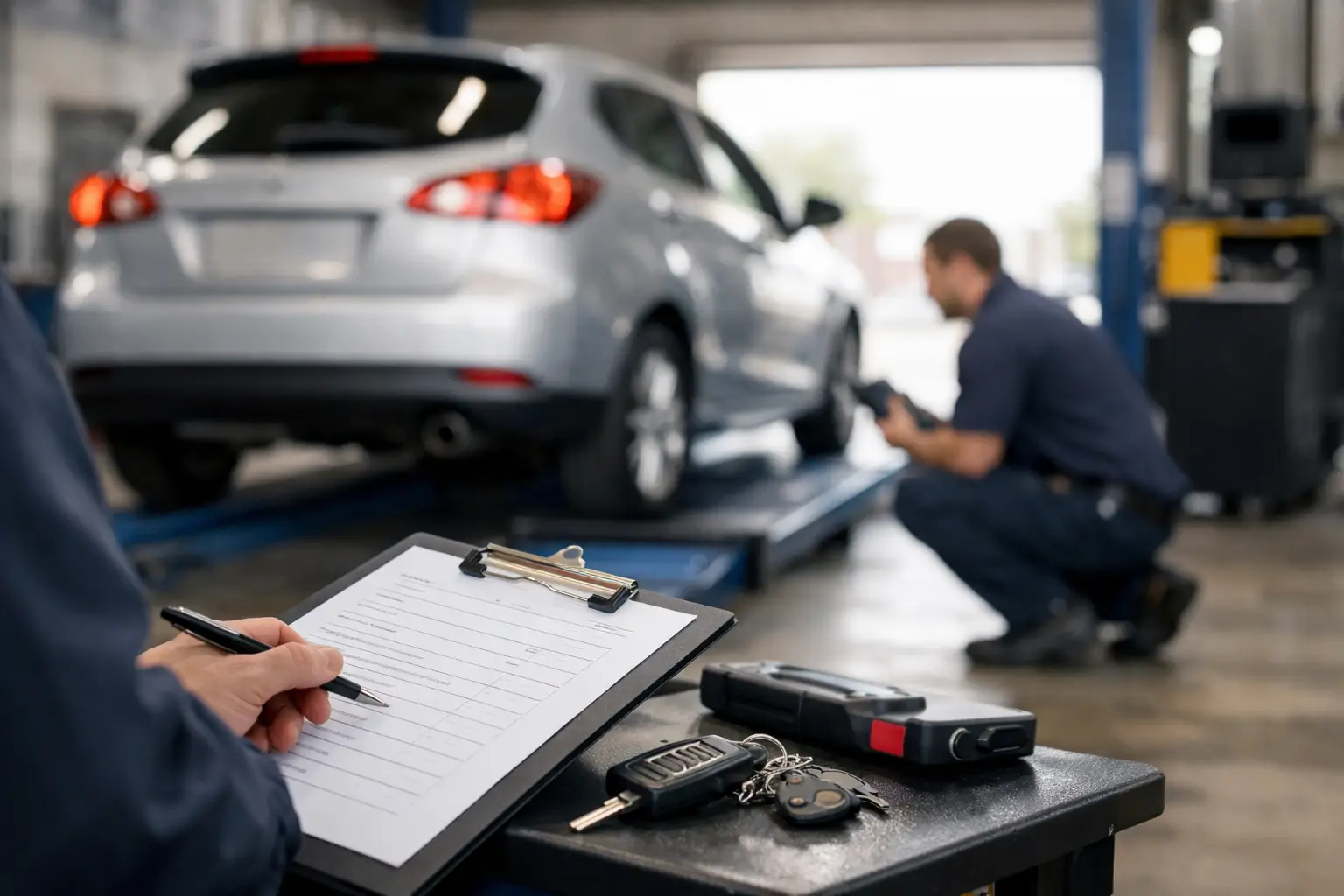
A dashboard warning light, a worn tire, or a noisy brake can feel easy to put off when life is busy. But when it is time to book MOT test Harlow drivers should treat the appointment as more than a box to tick. It is a useful annual check on whether your vehicle meets the minimum legal safety and environmental standards for the road.
A well-planned MOT booking gives you time to deal with small issues before they become failed items, expensive repairs, or an unwanted disruption to your week. The right garage should make that process clear: confirm what your vehicle needs, explain any concerns in plain language, and give you honest options if work is required.
When Should You Book an MOT Test in Harlow?
Most cars, vans, and motorcycles in the UK need their first MOT once they are three years old, then every year after that. The expiry date is shown on your current MOT certificate and can also be checked through the official MOT history service.
You can have the test completed up to one month, minus a day, before the current certificate expires and keep the same renewal date. For example, if your MOT runs out on June 20, you can test from May 21 without losing the June 20 anniversary for the following year. This is often the sensible choice, particularly if you rely on your vehicle for commuting, school runs, deliveries, or work appointments.
Leaving the booking until the final day creates unnecessary pressure. If the vehicle fails, you may need repairs and a retest before it can be used normally. A little breathing room lets you make decisions calmly rather than accepting the first available option.
What an MOT Checks and What It Does Not
An MOT is not the same as a service. The test assesses whether key road-safety and emissions-related components meet the required standard on the day. It does not replace routine maintenance, and it will not necessarily identify every developing mechanical issue.
During an MOT, the tester will inspect areas such as the brakes, steering, suspension, lights, windshield wipers, washer fluid system, tires, seat belts, mirrors, horn, registration plates, exhaust, and emissions equipment. They will also look for excessive corrosion or damage that could affect the safety of the vehicle.
The exact checks vary slightly by vehicle type and fuel source. Diesel vehicles have emissions requirements that differ from petrol models, while hybrids and electric vehicles do not have a conventional exhaust emissions test. Electric vehicles still need thorough attention to safety items such as tires, brakes, steering, suspension, lighting, visibility, and seat belts. Their high-voltage systems require knowledgeable handling whenever repair or diagnostic work is needed.
A service, by comparison, is designed around maintenance. It may include oil and filter changes, fluid checks, brake inspection, diagnostic scanning, and recommendations based on mileage or manufacturer schedules. Pairing an MOT with a service can be convenient, but it depends on when your service is due and the vehicle’s condition. There is little value in replacing service items early simply because an MOT is booked, unless there is a genuine maintenance reason.
A Few Checks Worth Making Before Your Appointment
You do not need to become a mechanic before bringing your car in. A short walk-around can, however, prevent simple avoidable failures and help the test run without delays.
First, check that all exterior lights work, including brake lights, turn signals, headlights, reverse lights, and the rear number-plate light. Ask someone to stand behind the vehicle while you press the brake pedal, or use a reflection to check if you are on your own. Replace failed bulbs before the appointment where practical.
Look at your tires for obvious cuts, bulges, exposed cords, or very low tread. The legal minimum tread depth is 1.6 mm across the central three-quarters of the tire, around its full circumference, but waiting until a tire reaches the legal limit is not ideal for wet-weather grip. Also make sure the tires are inflated to the recommended pressure.
Top up windshield washer fluid and check that the wipers clear the screen effectively. A washer system that does not work can lead to a failed test because clear visibility is a safety requirement. Remove any large obstructions from the windshield area and make sure your registration plates are clean, secure, and easy to read.
Finally, pay attention to warning lights. An illuminated engine management light, airbag warning light, ABS light, or tire-pressure monitoring warning should not be ignored. These can result in an MOT failure, depending on the warning and vehicle. Mention any alerts, unusual noises, pulling under braking, or changes in handling when you book. Clear information helps the garage plan the right checks from the start.
What Happens if Your Vehicle Fails?
A failed MOT is frustrating, but it is also specific. You should receive a clear record of the reasons for failure, along with any advisories. Failures identify faults that must be corrected for the vehicle to pass. Advisories are items that do not currently fail the test but may need attention soon, such as tires nearing the legal limit or a component beginning to show wear.
Do not treat advisories as automatic repair instructions. Their urgency depends on the condition of the part, how you use the vehicle, and whether the issue could worsen quickly. A transparent garage will explain what is safety-critical now, what can be monitored, and what should be budgeted for in the near future. That distinction matters when you are managing household or business vehicle costs.
Whether you can drive after a failed MOT depends on your circumstances. If your existing MOT certificate is still valid and the vehicle has no dangerous defects, you may generally drive it. You can also drive to a pre-booked repair appointment or retest. However, a vehicle must always be roadworthy, and a dangerous defect means it should not be driven on public roads. If there is any uncertainty, ask the garage for practical guidance before leaving.
Choosing the Right MOT Garage
Price matters, but it should not be the only factor when booking an MOT. The value of a local workshop comes from accurate testing, clear communication, and the ability to handle any follow-on work properly if an issue is found.
Look for a garage that explains the findings rather than using technical language to pressure you into repairs. You should know what failed, why it matters, what the repair involves, and the cost before work begins. This is especially valuable for modern vehicles, where a warning light may require proper diagnostic equipment rather than guesswork.
It is also worth choosing a workshop with broad capability. A family hatchback, a diesel van, a performance car, a hybrid, and an EV may all need an MOT, but their maintenance and repair requirements can be very different. AutoNet VIP combines MOT testing with mechanical repair, diagnostics, servicing, and support for petrol, diesel, hybrid, and electric vehicles, so drivers can get straightforward advice without being passed between specialists.
Make the Booking Work Around Your Schedule
When you call or request an appointment, have your registration number and preferred dates ready. Let the garage know if your vehicle has warning lights, a suspected fault, accessibility requirements, or a deadline such as an expiring certificate. If you run a van for work, mention that too. Minimizing downtime may be just as important as the test itself.
Ask whether any repair work can be discussed and authorized only after you have received an estimate. A customer-first garage will respect that you need clarity before committing to costs. It should also be able to explain retest arrangements if the vehicle does not pass first time.
Booking early is not about expecting the worst from your car. It is about giving yourself choices. A properly maintained vehicle is safer for you, your passengers, and everyone sharing the road, and a calm, well-timed MOT appointment is one less thing to worry about.