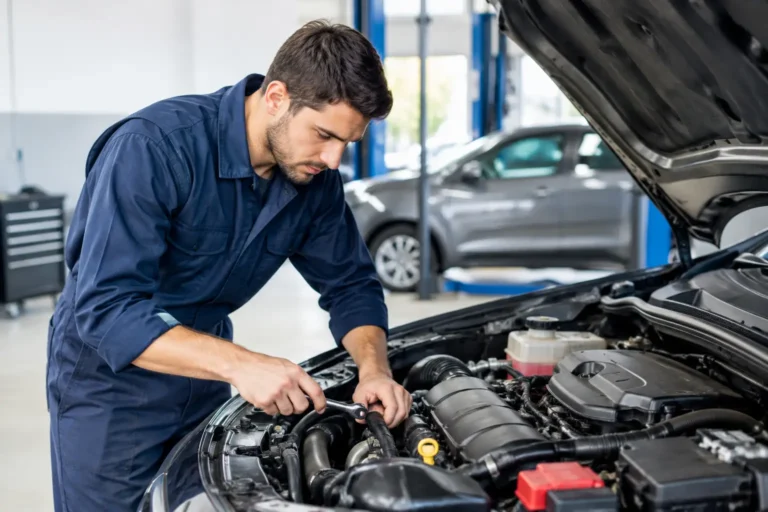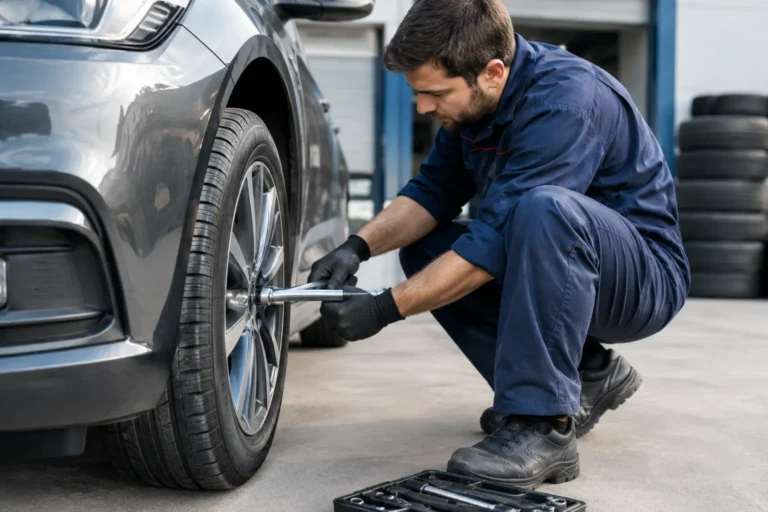
Failing an MOT can turn a normal day into a stressful one fast. If you are asking, can I drive after MOT failure, the short answer is: sometimes, but not always. It depends on why the vehicle failed, whether your previous MOT is still valid, and whether the car is considered dangerous to drive.
That distinction matters. Many drivers hear “failed” and assume the car is automatically banned from the road. Others do the opposite and keep driving without checking the details. The reality sits in the middle, and getting it wrong can leave you with a fine, invalid insurance issues, or a car that simply is not safe to use.
Can I drive after MOT failure if my old MOT is still valid?
In many cases, yes. If your vehicle fails its MOT but the previous MOT certificate has not yet expired, you may still be allowed to drive it. But that only applies if the vehicle is still roadworthy and there are no dangerous defects listed on the failed test.
This is where many people get caught out. An MOT certificate and a roadworthy vehicle are not exactly the same thing. Even if your old certificate still has time left on it, you are still responsible for the condition of the car every time you drive it. If the test identifies a serious safety issue, driving it anyway can create legal and safety problems very quickly.
So the better question is not only whether the old certificate is valid. It is whether the faults found make the vehicle unsafe.
What happens if the MOT failure includes dangerous defects?
If the MOT result shows dangerous defects, you should not drive the vehicle until those issues are repaired. A dangerous defect means the car poses an immediate risk to road safety or the environment. That could include major brake problems, badly damaged tires, steering faults, or anything else that makes the vehicle unsafe to control.
Even if your old MOT has not expired yet, a dangerous defect changes the picture. The vehicle may still show as having a valid certificate on paper, but that does not make it safe or legal to continue using on public roads in that condition.
In practical terms, if your MOT report says “dangerous,” treat that as a stop sign. Arrange repairs before driving anywhere other than where the law specifically allows it.
Major defects are different from dangerous defects
A major defect means the vehicle failed the MOT and needs repair, but it is not automatically classed as an immediate danger in the same way. That said, major does not mean minor in everyday use. A major issue can still affect reliability, performance, and safety.
This is why blanket advice never works well. Two failed MOTs can lead to very different outcomes. One car may be safe enough to drive to a repair appointment. Another may not be safe to leave the lot.
When can you legally drive a car after an MOT failure?
There are two situations people usually mean here. The first is driving the car away after it fails. The second is continuing to use it for normal daily driving.
If the vehicle has no dangerous defects and your previous MOT is still valid, you may be able to drive it away and continue using it for a short period. But you still need to be confident it is roadworthy.
If the previous MOT has expired, the rules become tighter. In general, you can only drive without a valid MOT to a pre-booked MOT test or to a garage for repairs related to the test. That does not cover shopping trips, commuting, school runs, or “just one quick errand.”
If the vehicle is dangerous, driving it is a poor idea regardless of whether you are trying to get home or get to work. In those cases, recovery is often the safest option.
Can I drive after MOT failure to a repair garage?
Usually, yes, if the trip is directly for repairs and the vehicle is still safe to be on the road. That is the key point. The law does not give a free pass to drive an unsafe vehicle simply because you are heading to a workshop.
If the fault is something clearly hazardous, such as failed brakes or severely damaged tires, booking a repair does not suddenly make the drive acceptable. This is where professional advice helps. A good garage will tell you plainly whether the car should be driven, recovered, or repaired on site.
At a workshop with proper diagnostic capability, that conversation tends to be much more useful than guesswork. You want a straight answer based on the actual failure sheet, not hopeful logic in the parking lot.
What if the MOT expired on the same day it failed?
This is a common scenario. You book the test on the last day of the certificate, the car fails, and now you are unsure whether you can use it.
Once the old MOT has expired, you cannot use the car for normal driving until it passes. The usual exception is driving it to a pre-booked MOT appointment or to a garage for repairs after the failed test, provided the vehicle is roadworthy and not dangerous.
That means the timing matters. If your MOT failed today and the previous certificate also ended today, your legal options are narrower than if you still had a week left on the old certificate.
This is one reason many drivers book the test a little earlier rather than leaving it to the deadline. It gives you room to deal with repairs without instantly losing flexibility.
Insurance and safety after an MOT failure
Drivers often focus on fines, but insurance is another concern. An MOT failure does not automatically void your insurance in every situation. Still, if you knowingly drive an unroadworthy vehicle and then have an accident, you could face serious problems.
Insurers care about the condition of the vehicle, not just the paperwork. If the car failed for something directly linked to the accident, such as brakes, lights, steering, or tires, you may have a hard time defending your position.
That is why the safest approach is simple. If there is any doubt about roadworthiness, do not drive it until a qualified technician has checked it and the repairs are done.
What should you do right after a failed MOT?
First, read the failure report properly. Do not just look at the word “fail” and panic. The report will separate dangerous defects, major defects, and advisories. Those categories matter.
Next, ask the garage to explain the findings in plain language. A trustworthy repair shop should be able to tell you what needs immediate attention, what can be repaired the same day, and whether the car should be driven at all.
Then decide the next step based on safety, not convenience. Sometimes the quickest and cheapest option is to fix it immediately while the car is already at the test center. Sometimes it makes sense to take the vehicle to a specialist, especially if the issue involves complex diagnostics, hybrid systems, electrical faults, or manufacturer-specific repairs.
If you are local to Harlow or the surrounding area, this is where using a garage that handles everything from MOT work to diagnostics and major repairs can save time. You do not want to move the car between multiple places if one workshop can inspect, explain, and fix the issue properly.
Why MOT failures are not all equal
A failed MOT sounds final, but it is really a snapshot of the car’s condition on that day. Some failures are straightforward, such as bulbs, wipers, or tire wear. Others point to deeper wear in the suspension, brake system, emissions control, or electronics.
That is why “can I drive after MOT failure” does not have a one-size-fits-all answer. Legally, the result depends on certificate status and defect category. Practically, it depends on whether the vehicle is truly safe to use.
Drivers often get into trouble when they treat every fail as either trivial or catastrophic. The smarter approach is measured. Understand the report, fix what matters promptly, and do not force the car back onto the road just because it is inconvenient to stop.
The safest rule to follow
If your car failed but has no dangerous defects and your previous MOT is still valid, you may be able to drive it. If the old MOT has expired, driving is usually limited to a pre-booked test or repair appointment. If the vehicle has dangerous defects, do not drive it until it is repaired.
That may not be the most convenient answer, but it is the one that protects you best. When a garage gives you clear advice and transparent repair options, the next step becomes much easier. A failed MOT is frustrating, but it is also a chance to fix the problem before it becomes more expensive – or more dangerous – down the road.
If you are unsure, pause before turning the key. A short phone call and an honest assessment can save you a lot more than time.