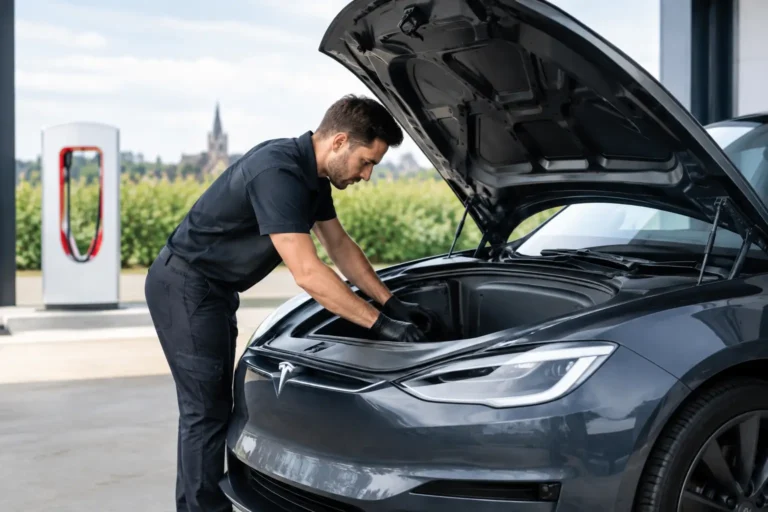
A search for a Harlow CM20 Burnt Mill Harlow specialist Tesla garage usually starts when something feels different: a warning message appears, tyre wear looks uneven, the brakes feel rough, or a routine service is due. Tesla ownership can be refreshingly simple, but it does not mean the car is maintenance-free. It still needs skilled inspection, accurate diagnosis and technicians who understand electric vehicle safety.
For drivers in Harlow, CM20 and Burnt Mill, the right workshop should make Tesla care straightforward. That means explaining the issue in plain English, confirming costs before work begins and knowing when a job is appropriate for an independent EV specialist or needs Tesla manufacturer support.
What a Tesla specialist in Harlow CM20 should understand
A Tesla combines conventional vehicle components with sophisticated software, high-voltage electrical systems and driver-assistance technology. A capable garage needs more than general mechanical experience. It needs the right diagnostic approach, EV-trained technicians and safe workshop procedures.
Much of the maintenance is familiar. Tyres, suspension, steering components, wheel alignment, brake discs, pads, cabin filters, air conditioning and body repairs all need regular attention. The difference is that the vehicle’s weight, regenerative braking and instant torque can affect how these components wear.
Electric vehicles also require a different safety mindset. High-voltage systems must only be assessed by appropriately trained technicians using correct isolation procedures and suitable equipment. A responsible specialist will never guess at electrical faults or carry out work beyond the team’s certification and capability.
Teslas still need regular mechanical care
One of the most common misconceptions is that a Tesla needs no servicing because it has no engine oil, spark plugs or exhaust system. There are fewer routine engine-related jobs, certainly, but there are still essential checks that protect reliability, safety and value.
Tyres and wheel alignment
Tesla vehicles are heavy and deliver power immediately. This can accelerate tyre wear, particularly on the inner edges where poor wheel alignment is not obvious at a glance. Uneven wear can also increase road noise, reduce wet-weather grip and shorten the life of expensive tyres.
A proper inspection should check tread depth across the tyre, tyre pressures, sidewall condition and alignment angles. If the steering wheel sits off-centre, the car pulls to one side or tyres are wearing faster than expected, an alignment check is sensible rather than something to put off.
Brakes that receive less use
Regenerative braking means friction brakes may be used less often than on a petrol or diesel car. That is useful for pad life, but it can allow corrosion to build up on discs and moving parts, especially when the car is driven mainly on shorter local journeys.
A brake inspection can identify seized or stiff components before they become an MOT failure or a more costly repair. Keeping brakes clean, free-moving and correctly functioning matters even when the car slows smoothly through regeneration.
Suspension, steering and comfort
Potholes, speed humps and everyday mileage take their toll on any vehicle. Knocks over bumps, vibration through the steering wheel, a change in ride height or a car that feels unsettled on the road should be checked promptly.
Suspension and steering faults are not unique to Teslas, but they should be diagnosed with the vehicle’s weight and wheel specifications in mind. Replacing a part without finding the underlying cause can waste money and leave the original problem unresolved.
Diagnostics should provide answers, not more confusion
A warning light or on-screen message can be worrying, particularly when it relates to charging, electrical systems or driver assistance. The best first step is a structured diagnostic assessment rather than assuming the most expensive fault.
An experienced technician will consider the reported message alongside the vehicle’s condition, recent work, battery state, charging behaviour and fault data. Sometimes the issue may relate to a conventional component, such as a sensor, tyre pressure system, suspension fault or low-voltage electrical concern. Other cases may need manufacturer-level support.
This distinction matters. An independent Tesla specialist should be honest about what can be diagnosed and repaired safely in-house, and when Tesla is the better route for software campaigns, warranty concerns, restricted system access or high-voltage battery matters. Clear advice is more valuable than an overconfident promise.
Software updates, recalls and manufacturer work
Tesla’s software can add features, refine operation and address certain issues remotely. Not every alert means a physical repair is required, and not every repair can be solved with a software update. It depends on the fault.
For official recalls, warranty repairs, major high-voltage battery concerns and work requiring Tesla’s own systems or parts authorisation, contacting Tesla may be necessary. For the practical maintenance that keeps the rest of the vehicle safe and roadworthy, a well-equipped local garage can be an efficient and cost-conscious choice.
Before booking any work, ask what the inspection includes, whether fault codes will be explained and whether the garage will contact you for approval before carrying out additional repairs. These are straightforward questions, but they prevent unwelcome surprises.
MOT testing for Tesla drivers
Electric cars require an MOT once they reach the relevant age, just like petrol and diesel vehicles. The test does not include emissions checks, but it does cover a wide range of safety-critical items: tyres, brakes, suspension, steering, lights, wipers, seatbelts, visibility and the vehicle’s general roadworthiness.
Preparing early gives you time to deal with advisory items before they develop into failures. A tyre close to the legal limit, worn brake components or a damaged suspension bush may be easier and less stressful to resolve before test day.
If a Tesla has displayed warnings, developed unusual noises or suffered kerb damage, it is worth arranging an inspection before the MOT rather than hoping for the best. A transparent garage will tell you what needs attention now, what can be monitored and what is likely to affect the test.
Choosing the right Burnt Mill Harlow Tesla specialist
Price matters, but the cheapest quote is not always the best value if it does not include a proper inspection, correct parts or a clear explanation. For Tesla maintenance and repair, look for a workshop that treats diagnostics as a process, not a quick code read.
You should expect technicians to explain the findings without unnecessary jargon. You should also know the likely cost before work goes ahead and receive honest guidance if a manufacturer appointment is the appropriate next step. That is particularly important with EVs, where safety, specialist knowledge and correct procedures cannot be compromised.
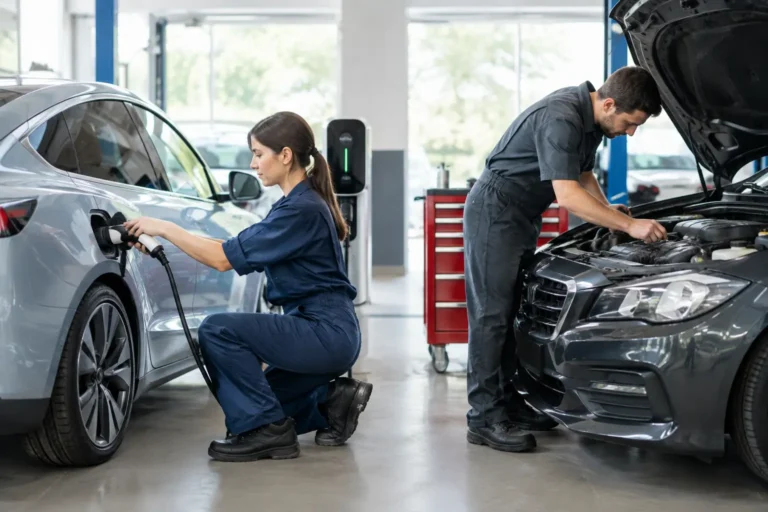
AutoNet VIP supports drivers across Harlow with maintenance, repairs, diagnostics and MOT testing for petrol, diesel, hybrid and electric vehicles. The focus is simple: assess the vehicle carefully, explain the options clearly and carry out approved work to a high standard.
A Tesla is built around advanced technology, but its day-to-day care should not feel complicated. When tyres, brakes, suspension, diagnostics or MOT preparation need attention, choose a local specialist who respects both the engineering and your time – then you can get back to driving with confidence.