A warning light on an electric vehicle is not always a sign of a major problem, but it should never be ignored. Professional EV repair combines careful diagnostics with high-voltage safety procedures, helping identify the real cause before unnecessary parts are fitted or costs begin to mount.
Electric cars have fewer moving mechanical parts than petrol or diesel models, but they are not maintenance-free. They still rely on sophisticated batteries, charging systems, cooling circuits, brakes, tyres, suspension and control modules to operate safely and efficiently. When something changes – whether it is reduced range, a charging issue, an unfamiliar warning message or unusual braking behaviour – the right assessment matters.
What EV repair covers
EV repair is broader than replacing a battery pack. In many cases, the fault lies in one component or system that supports the vehicle’s electric drivetrain rather than the drivetrain itself.
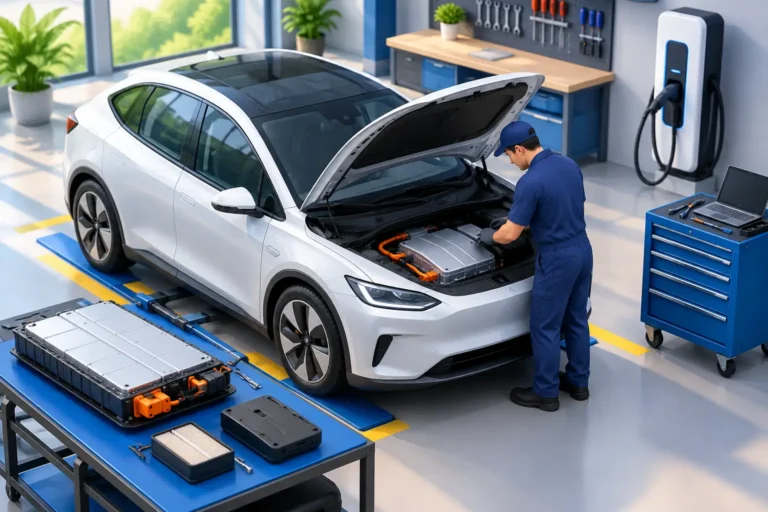
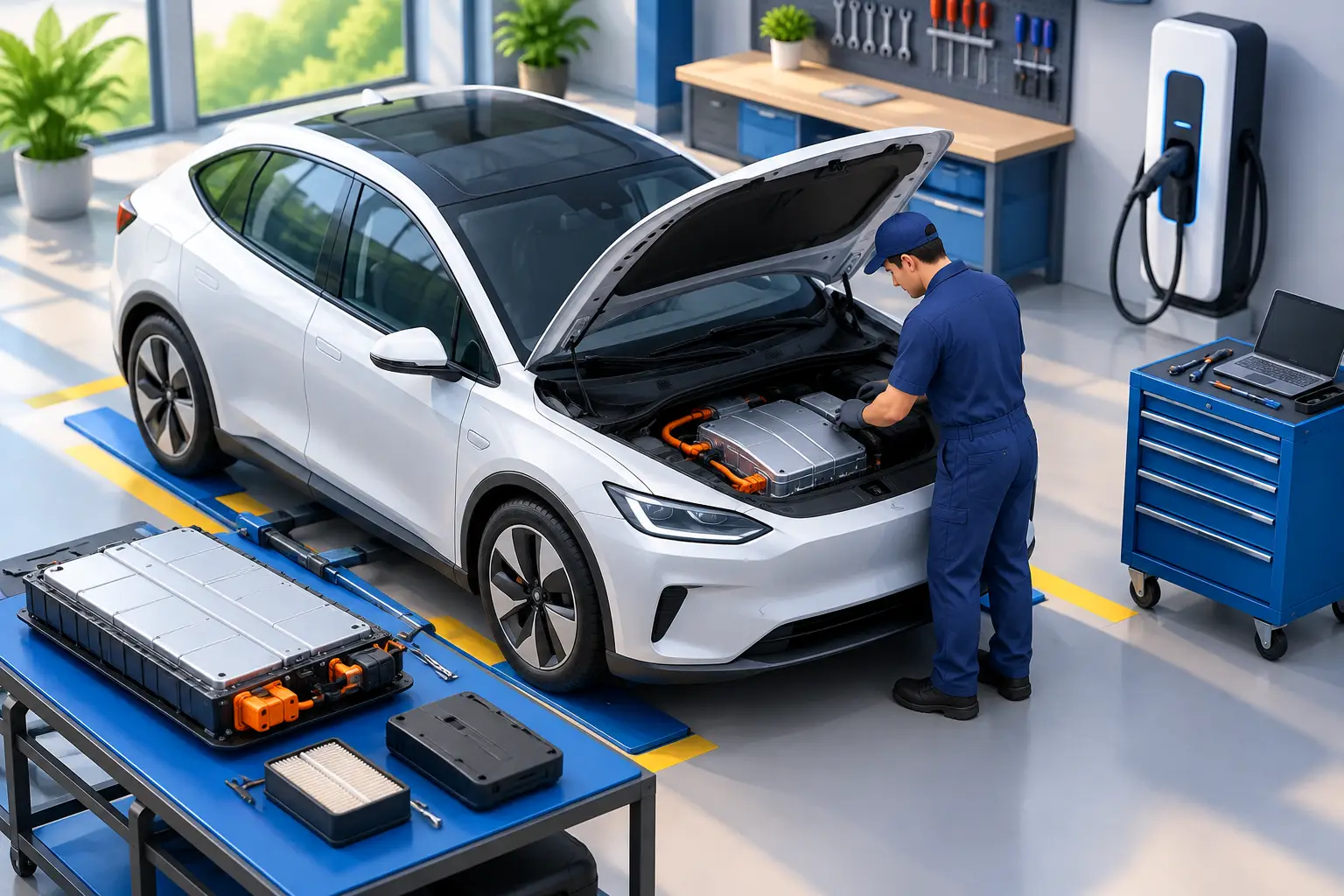
A trained technician will assess the vehicle’s reported fault codes, live data and charging performance before recommending work. This may involve the 12-volt battery, high-voltage battery cooling system, onboard charger, charging port, power electronics, electric motor, wiring or control units. The correct process depends on the make, model and symptoms.
Some repairs are familiar to any vehicle owner. Brake discs can corrode, tyres wear down, suspension components develop play and air-conditioning systems need attention. Other issues are specific to electric vehicles, including high-voltage insulation faults, battery-management warnings and charging communication faults between the vehicle and charger.
The key difference is that high-voltage components require the correct equipment, training and safety controls. An EV should not be treated as a conventional car with a different engine.
Signs your electric vehicle needs attention
An electric car often gives early warning that something is not working as it should. A dashboard message is the most obvious sign, but day-to-day changes can be just as useful.
If the vehicle is taking longer to charge, refusing to charge at certain points, losing more range than expected or displaying a reduced-power warning, it is sensible to arrange diagnostics. These symptoms do not automatically mean the main battery has failed. A charging cable, port, software setting, 12-volt battery or thermal-management issue can sometimes be responsible.
Pay attention to changes in braking too. Regenerative braking reduces wear on pads and discs, particularly in town driving, but it does not remove the need for conventional brakes. Because friction brakes may be used less often, discs can corrode and calipers can become less free-moving. A brake check remains an essential part of electric vehicle maintenance.
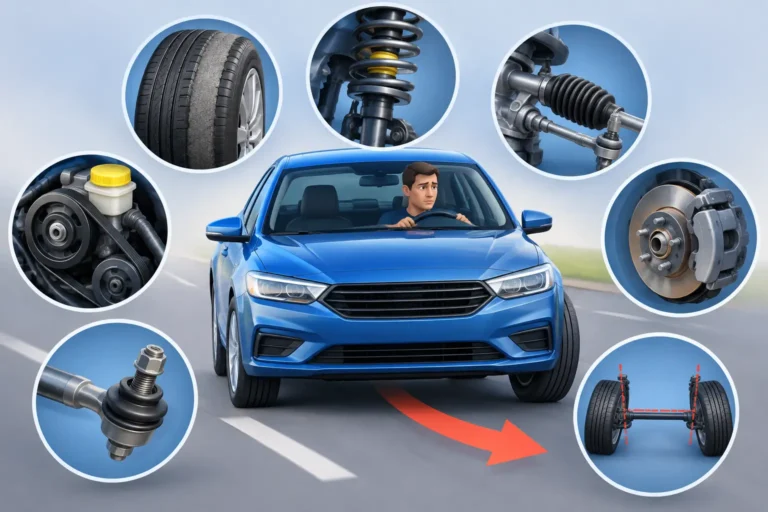
Other reasons to book an inspection include coolant warnings, unusual noises from the wheels or suspension, a burning smell, visible damage beneath the vehicle, water ingress around the charging port, or a sudden drop in performance. If a red warning light appears or the car reports an electrical system fault, avoid continuing to drive unless the vehicle handbook confirms it is safe to do so.
Why diagnosis should come before EV repair
Modern electric vehicles generate a considerable amount of diagnostic information. Reading a fault code is useful, but it is only the starting point. The same code can sometimes be triggered by several causes, and replacing a component without testing can lead to wasted time and money.
A proper diagnostic assessment looks at the wider picture. A technician may check battery state of health, charging voltage, insulation resistance, cooling-system operation, software status and communication between control modules. They will also inspect the condition of the charging connector and relevant wiring.
For example, a vehicle that will not charge may have a damaged connector, a weak 12-volt battery, a fault with the onboard charger or an issue with the charging point being used. A battery warning could relate to a cooling fault rather than battery-cell damage. This is why clear testing and an explanation of the findings are far more valuable than assumptions.
At AutoNet VIP, the focus is on identifying what the vehicle needs and explaining the options clearly, so you can make an informed decision before work goes ahead.
EV servicing still protects your car
A regular EV service is about preventing avoidable problems, maintaining safety and keeping a useful record of the vehicle’s care. Although there is no engine oil or exhaust system to maintain, an electric car still benefits from inspections at the recommended intervals.
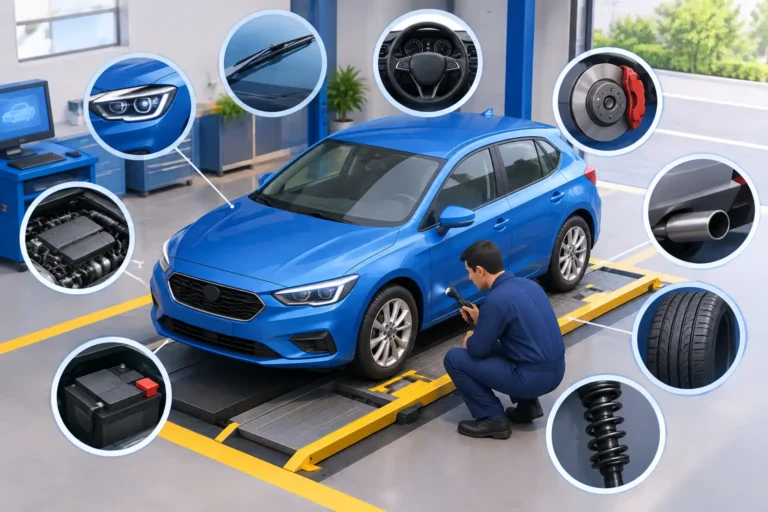
A thorough service may include checks of the brakes, tyres, steering, suspension, lights, wipers, cabin filter, air-conditioning, coolant systems and 12-volt battery. The high-voltage system and charging components can also be visually assessed for signs of damage or deterioration, where appropriate and safe to do so.
Tyres deserve particular attention. Electric vehicles are often heavier than equivalent petrol cars and deliver instant torque, which can increase tyre wear if pressures, alignment or driving style are not managed well. Using tyres with the correct load rating and specification is important for handling, braking and efficiency.
Air-conditioning is another system worth maintaining. Many EVs use heat-pump or thermal-management systems that help regulate cabin comfort and battery temperature. A fault can affect more than the temperature inside the car, particularly in demanding weather conditions.
Battery health: facts, not fear
The traction battery is naturally the component many owners worry about most. In reality, gradual range reduction over time is normal, while a sudden and substantial change deserves investigation. Battery condition is influenced by age, mileage, climate, charging habits and how the vehicle is used.
Frequent rapid charging may be convenient for long journeys, but regular slower charging is often gentler for everyday use. Equally, it is usually sensible to avoid leaving the vehicle at very high or very low charge levels for extended periods, unless the manufacturer gives different guidance. Most electric cars include charge limits or scheduled charging functions that can make this easier.
It is also worth separating battery degradation from a repairable fault. A reduction in displayed range may be caused by cold weather, tyre pressures, short journeys, heating use or driving conditions. Diagnostics can help establish whether the battery is performing as expected or whether there is a fault requiring further work.
If your vehicle remains within a manufacturer warranty period, some high-voltage battery repairs may need to be handled through the manufacturer’s approved network. An independent specialist can still help with routine maintenance, inspections and diagnosis, while advising on the most appropriate next step for your particular vehicle.
Choosing the right garage for EV repair
Not every repair requires main-dealer involvement, but not every garage is equipped for high-voltage work either. Ask whether the technicians are trained to work safely on hybrid and electric vehicles, whether the garage has suitable diagnostic equipment, and whether they can explain the findings in plain language.
Transparency should also be part of the service. Before authorising a repair, you should understand what has been tested, what needs attention now, what can be monitored and what the likely costs are. This is particularly valuable with electrical faults, where an accurate diagnosis may take more time than a straightforward mechanical repair.
For drivers in Harlow and the surrounding Essex area, choosing a local garage with electric-vehicle capability can make routine maintenance and fault finding more convenient. It also gives you a trusted point of contact when a warning light appears and you need sensible advice rather than guesswork.
A practical approach when a warning appears
Start by noting exactly what the car says, when the message appeared and whether charging, range or performance has changed. If possible, take a photograph of the warning message. Avoid repeatedly attempting to charge the vehicle if the connector is damaged, overheating or showing signs of water ingress.
Do not touch orange high-voltage cables or attempt DIY repairs to battery, charging or power-electronic components. Even a vehicle that is switched off can contain hazardous voltage. Simple checks such as tyre pressures or charging-cable condition are useful, but high-voltage diagnosis belongs with properly trained professionals.
The best time to arrange EV repair is when a concern first appears, not after a minor fault has disrupted your commute or left the vehicle unable to charge. Early, accurate diagnosis gives you clearer choices and helps keep your electric car safe, efficient and ready for the journeys that matter.