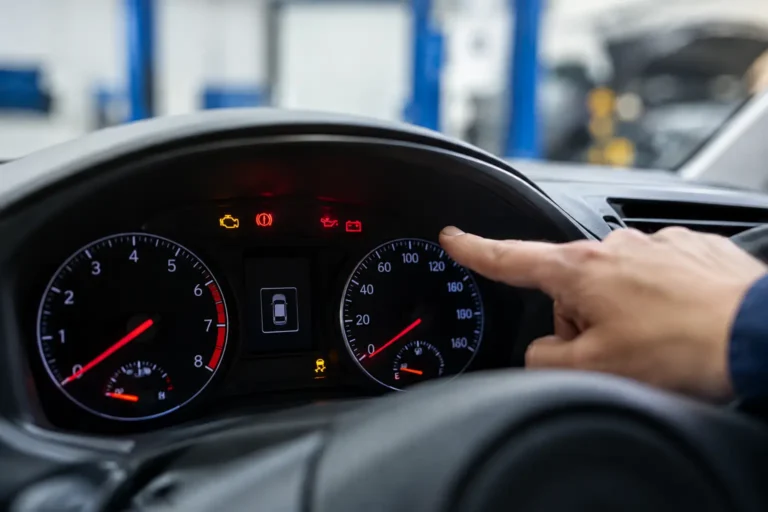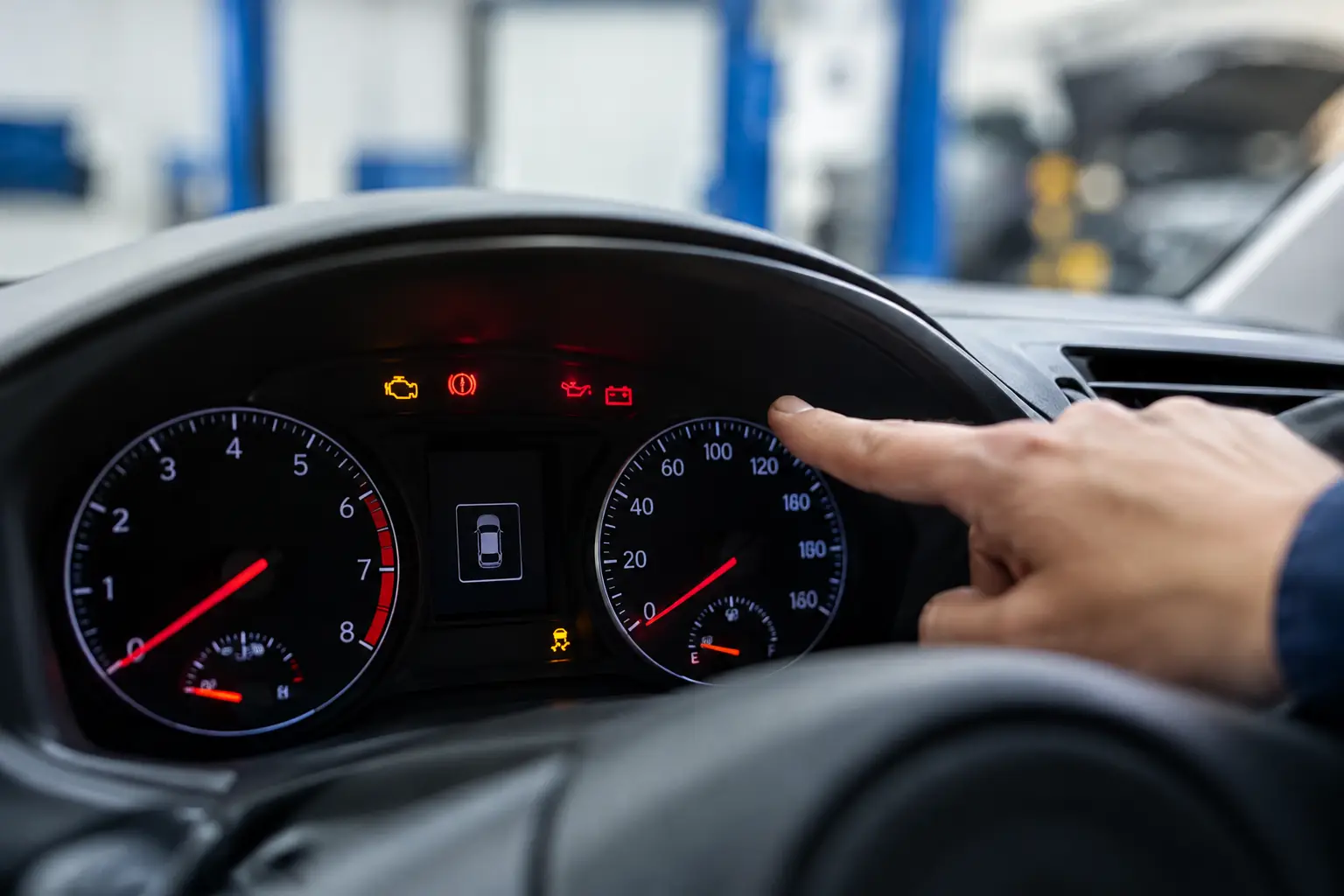
A warning light appearing on the dashboard rarely arrives at a convenient time. It may come on during the school run, before a long motorway journey or just as your car is due for its MOT. Reliable engine diagnostics Harlow drivers can depend on turns that uncertainty into a clear, practical answer – so you know what needs attention, what can wait and what should not be driven.
The engine management light is particularly easy to misread. Sometimes it relates to a relatively straightforward sensor fault; on other occasions, it is the first sign of a fault affecting emissions, performance, fuel economy or the engine itself. The light tells you that the vehicle has detected a problem. Proper diagnostics establish why.
What an engine diagnostic check actually does
Modern vehicles constantly monitor hundreds of systems through their onboard computers. These include engine timing, fuel delivery, exhaust emissions, air intake, ignition, cooling, transmission communication and, on newer models, hybrid or high-voltage systems. When a reading falls outside the expected range, the car may store a fault code and illuminate a warning light.
A diagnostic check connects professional equipment to the vehicle and reads the information held by its control units. This gives a technician a valuable starting point, but it is not the same as an automatic repair instruction.
For example, a code relating to an oxygen sensor may mean the sensor has failed. It could also be responding correctly to a separate issue, such as an air leak, a damaged wire, an exhaust leak or an engine running with the wrong fuel mixture. Replacing a part based on a code alone can be an expensive guess. A proper inspection combines the scan results with live data, visual checks, testing and the vehicle’s symptoms.
That distinction matters. It helps prevent unnecessary parts being fitted and gives you a clearer explanation of the work your car genuinely needs.
When to book engine diagnostics in Harlow
You do not have to wait for a red warning light or a breakdown. Early diagnosis is often the most cost-effective option, particularly where a minor running issue could affect other components over time.
Book a check if your engine management light remains on, flashes, or returns after being cleared. A flashing engine light needs prompt attention because it can indicate a misfire severe enough to damage the catalytic converter. It is usually best to stop driving safely and seek advice rather than continuing as normal.
Other signs worth investigating include a loss of power, rough idling, difficulty starting, stalling, poor fuel economy, unusual smoke, fuel smells or a car that has entered reduced-power mode. You may also notice the vehicle feels fine but fails an emissions test or displays a message such as “check injection system” or “emissions fault”. These messages can cover several possible causes, which is precisely why testing matters.
A diagnostic appointment is also sensible before a major repair, after a recurring fault, or when buying a used vehicle that has recently had warning lights cleared. Clearing a code may switch the light off temporarily, but it does not repair the underlying problem.
What happens during a professional diagnostic appointment
A good diagnostic process starts with listening. The details you provide can make fault-finding quicker and more accurate. A technician will want to know when the issue occurs: only from cold, under acceleration, in wet weather, at motorway speeds or after refuelling. They may also ask whether any repairs, battery replacement or jump-starting took place before the warning appeared.
The vehicle is then scanned for stored, pending and historic codes across the relevant modules. Modern cars may hold faults in more places than the engine control unit, including the gearbox, ABS, body control module, battery management system and charging systems.
From there, the technician reviews live readings and carries out targeted tests. Depending on the symptoms, this may include checking ignition components, air leaks, charging voltage, fuel pressure, sensors, wiring, exhaust components or cooling-system operation. A road test may be appropriate, but only where it is safe and useful.
At AutoNet VIP, the aim is to explain the finding in plain language before recommending repairs. You should understand the likely cause, the urgency of the work, the available options and the expected cost. If further investigation is required, that should be discussed clearly rather than hidden within a vague repair bill.
Why the same warning light can mean different things
The amber engine management light is a good example of why no two diagnostic jobs are identical. It can be triggered by a loose fuel cap on some vehicles, a worn spark plug, an injector issue, a failed sensor, a turbo control fault, a blocked particulate filter or an emissions-system problem. The right repair depends on the make, model, engine and evidence gathered during testing.
Diesel vehicles bring their own considerations. Short journeys can contribute to diesel particulate filter issues if the engine does not regularly reach the conditions needed for regeneration. However, a warning related to the DPF is not always caused by the filter itself. A faulty pressure sensor, thermostat problem or underlying engine fault can prevent regeneration and needs to be identified first.
Petrol cars may develop misfires or fuel-trim faults caused by ignition, intake or fuelling problems. Hybrid and electric vehicles have additional control modules, battery management systems and high-voltage safety requirements. Their diagnostics should be handled by technicians with the correct training and equipment, not treated as a conventional engine check with a different badge.
Diagnostics are not just for engine faults
Although many drivers search for engine diagnostics after seeing an engine warning light, a diagnostic scan can help identify faults in a far wider range of systems. This can include ABS and traction-control warnings, airbag lights, parking sensors, air-conditioning faults, electronic handbrakes, gearbox issues, battery charging concerns and driver-assistance features.
The process is especially useful when a fault is intermittent. If a warning comes and goes, the stored data may reveal the conditions present when it happened. That is far more useful than waiting until the problem becomes constant or leaves you stranded.
There are limits, too. A scan tool cannot replace mechanical inspection. A worn suspension component, tyre damage, brake wear or a fluid leak may not generate a useful code at all. The best workshops combine diagnostic technology with experienced hands-on assessment.
Can you keep driving with the engine management light on?
It depends on the colour of the light, the way the car is behaving and whether other warnings appear. An amber light with no change in performance may allow for a careful journey to a garage, but it should not be ignored for weeks. Continuing to drive could increase fuel use, worsen emissions and turn a manageable repair into a larger one.
If the light is flashing, the engine is shaking, power has dropped sharply, smoke is visible, the temperature warning appears or you can smell burning, stop somewhere safe as soon as possible. Do not attempt to diagnose a serious fault by repeatedly restarting the vehicle or driving it harder to “clear it”.
For hybrids and electric vehicles, warnings relating to the high-voltage system, battery or charging should always be taken seriously. Follow the vehicle’s instructions and arrange specialist assessment rather than attempting any work yourself.
Getting a result, not just a fault code
A diagnostic report is useful only when it leads to a sensible next step. Ask whether the fault is confirmed, whether further tests are needed, what could happen if you delay the repair and whether any preventative work is worth considering. A trustworthy answer may sometimes be that monitoring the issue is reasonable. At other times, prompt repair is the safer and cheaper choice.
Keep note of warning messages, when they appear and any changes in how the car drives before your appointment. A quick photograph of the dashboard can help, particularly if the message disappears before the vehicle reaches the workshop. That small detail can give the technician a better starting point and help get you back on the road with confidence.