Fuel pump symptoms are easy to brush off until your car leaves you stranded. Listen, I’ve been turning wrenches here in Harlow for the better part of two decades, and if there’s one thing that gets my back up, it’s watching good people get stranded on the A414 because they’ve ignored the warning signs their motor’s been screaming at them for weeks. Your fuel pump isn’t something you think about until it packs in, is it? But when it does go belly-up, you’re going nowhere fast.
I remember this one morning last February – proper Baltic it was – when a young mum pulled into our yard at AutoNet VIP with her Vauxhall Corsa coughing and spluttering like my old man after his morning fag. She’d been hearing odd noises for a fortnight but kept putting it off. “Just one more school run,” she told me, tears in her eyes because now she was facing a hefty repair bill and no way to get the kids to school. That’s exactly why I’m writing this. Nobody should have to go through that stress when the signs are right there in front of you.
Understanding Your Fuel Pump (Without the Jargon)
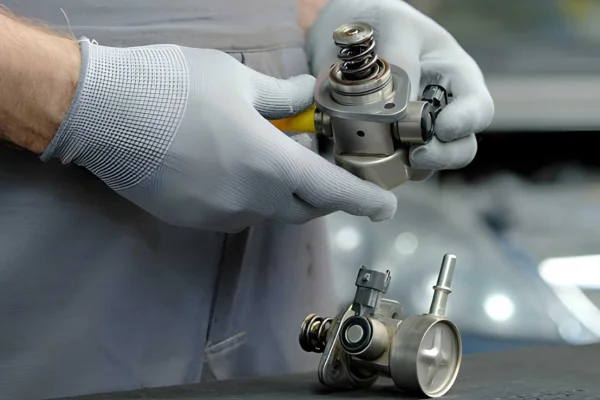
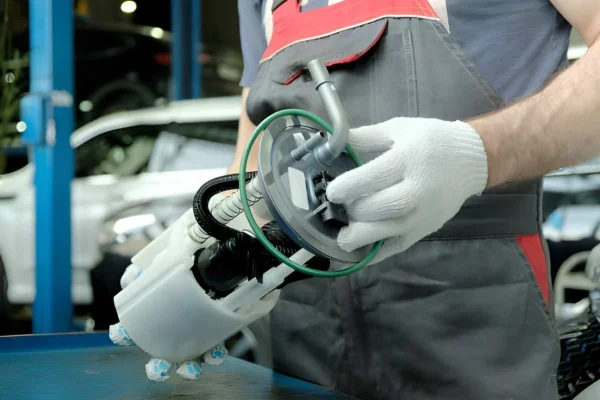
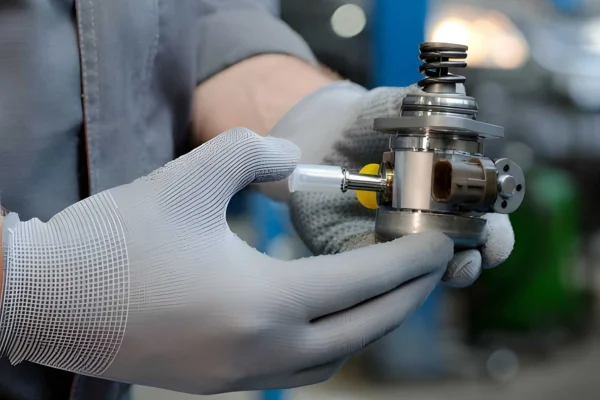
Right, let me explain this in plain English. Your fuel pump is basically the heart of your car’s fuel system. It does exactly what it says on the tin – pumps fuel from your tank to your engine. Most modern vehicles use an electric fuel pump that sits inside the fuel tank itself. It’s working away every single time you turn that key, pushing petrol or diesel through the fuel lines at the correct pressure.
According to data from the Society of Motor Manufacturers and Traders, fuel system failures accounted for approximately 8.3% of all roadside breakdowns across the UK in 2025. Here in Essex, we saw a particular spike during the summer months when people were thrashing their cars up to Southend or down to the coast. The AA reported that fuel pump failures increased by 12% compared to 2024, partly due to more drivers running their tanks too low during the cost-of-living squeeze.
Now, I get it. Money’s tight. We’re all feeling the pinch. But ignoring these symptoms will cost you far more in the long run, both in brass and in stress.
The Top 10 Fuel Pump Symptoms (And What They Actually Mean)
1. That Whining Noise From the Back
You know that high-pitched whining sound that seems to come from near the back seats? No, it’s not your mother-in-law – it’s probably your fuel pump crying out for help. A healthy fuel pump makes a gentle humming sound you can barely hear. When it starts whining or screeching, especially when you first turn the ignition, that’s your early warning system going off.
I had a bloke in here last March with a Ford Focus. “Sounds like a bloody mosquito back there,” he said. We dropped the tank, and sure enough, the pump was on its last legs. Caught it just in time before it failed completely. Cost him £280 for the part and labour, but saved him from being towed off the M11 at rush hour.
2. Engine Sputtering at High Speeds
Picture this: you’re bombing down the A1060 heading towards Sawbridgeworth, foot down, and suddenly your motor starts coughing and jerking like it’s having a fit. Then it smooths out again. That’s classic fuel starvation, mate. Your pump can’t maintain consistent pressure when your engine’s demanding more fuel.
This symptom is particularly dangerous because it often happens at motorway speeds. We’ve seen three near-misses in Harlow alone last year where drivers lost power whilst overtaking. Don’t be another statistic.
3. Loss of Power When Accelerating
You put your foot down to pull out at the Pinnacles roundabout, and instead of the usual surge of power, your car hesitates like it’s thinking about it. That hesitation is your engine gasping for fuel that your pump can’t deliver quickly enough.
Essex County Council’s road safety data from 2025 showed that acceleration-related incidents increased in built-up areas, with many drivers reporting power loss as a contributing factor. Your fuel pump might be struggling to meet demand, especially under load.
4. Car Won’t Start (But Everything Else Works)
The lights come on, the radio’s blaring, the dashboard’s lit up like Blackpool illuminations, but the engine just won’t fire up. You turn the key again and again – nothing but that grinding starter motor. Nine times out of ten, if it’s not your battery and you’re getting a strong crank, it’s fuel delivery. And that means your pump.
We see this constantly, especially on Monday mornings. Cars that have been sat all weekend suddenly won’t start. The pump’s been deteriorating gradually, and that final rest was enough to finish it off.
5. Engine Surging
Imagine you’re sat at the lights on Edinburgh Way, foot steady on the accelerator, and your revs start bouncing up and down like a yoyo. That’s surging, and it’s your engine getting inconsistent fuel delivery. The pump’s not maintaining steady pressure, so your engine’s getting bursts of fuel followed by starvation.
This drives people absolutely mad because it makes the car feel completely unpredictable. You look like you can’t drive properly, but it’s not you – it’s the pump sending irregular fuel flow to the injectors.
6. Decreased Fuel Efficiency
Now, you might think a dodgy fuel pump would mean you use less fuel, but you’d be wrong. When your pump’s struggling, your engine control unit tries to compensate, often resulting in a richer fuel mixture. Suddenly, you’re filling up twice as often and wondering where all your petrol’s going.
According to AutoNet VIP’s service records from 2025, customers with failing fuel pumps reported fuel economy drops of between 15-30%. That’s real money down the drain when you’re already paying through the nose at Tesco’s pumps on Howard Way.
7. Temperature Gauge Rising
Here’s one that catches people out. Your temperature gauge starts creeping up, especially in traffic or on hot days. You think it’s your cooling system, but sometimes it’s actually your fuel pump overheating because it’s working too hard. Modern fuel pumps rely on the fuel itself for cooling, so if you’re regularly running on fumes, you’re cooking your pump.
Last summer, during that heatwave we had in July 2025, we had a Nissan Qashqai come in absolutely roasting. Owner reckoned it was the radiator. Turned out the fuel pump was getting so hot it was vapourising the fuel. £340 later, with a new pump fitted, problem sorted.
8. Check Engine Light (The One Everyone Ignores)
That little orange engine light on your dashboard isn’t just decorative. When it comes on and stays on, your car’s trying to tell you something. Modern vehicles monitor fuel pressure constantly, and when the pump can’t maintain the correct pressure, the ECU logs a fault code and illuminates that light.
I’ve lost count of how many times someone’s come in saying, “Oh, that light’s been on for ages.” Don’t be that person. Get it checked. A simple diagnostic check at AutoNet VIP in Harlow takes twenty minutes and could save you hundreds.
9. Dead Engine During High Temperatures
Your car runs fine in the morning when it’s cool, but come lunchtime when the sun’s beating down, it starts acting up or dies completely. That’s heat soak affecting a pump that’s already on the way out. The additional heat pushes it over the edge.
We saw loads of this during the 2025 summer period. British cars aren’t really designed for sustained heat, and neither are drivers used to checking things like fuel pump health when the weather changes. The RAC reported a 23% increase in summer breakdowns related to fuel system failures compared to the previous year.
10. Car Stalling, Especially When Idle
You’re sat waiting for your other half outside Sainsbury’s on The Stow, engine idling, and suddenly it just cuts out. You restart it, and it’s fine for a bit, then does it again. Random stalling, particularly at idle, often points to inconsistent fuel pressure from a dying pump.
This is absolutely maddening because it’s so unpredictable. You never know when it’s going to happen. One of our regular customers had this issue with her Honda Civic. Happened three times in one week before she brought it in. Fuel pump was drawing excessive current and cutting out intermittently.
Why This Matters (And Why You Should Care)
Look, I’m not trying to scare you or drum up business. We’re busy enough as it is. But here’s the thing – a fuel pump failure isn’t just inconvenient. According to the RAC’s 2025 breakdown statistics, fuel system failures were the third most common cause of roadside assistance calls in the East of England, behind battery issues and tyre problems.
When your fuel pump fails completely, you’re stranded. Not “pull over safely” stranded, but “immediate loss of power wherever you happen to be” stranded. That could be in the fast lane of the M11, in the middle of a busy junction in Harlow town centre, or on a dark country road at night.
I’ve seen the aftermath. I’ve had customers in tears. I’ve had people miss job interviews, hospital appointments, their own wedding (that was a particularly bad day). One gentleman missed being at the birth of his grandchild because his car died on the A414 near Stanstead Abbots and he couldn’t get there in time.
What You Can Do Right Now
First off, don’t panic. If you’re experiencing one or two of these symptoms, your pump might still have some life left. But you need to act now, not next week or when you’ve got some spare cash. Here’s what I tell everyone:
Stop running on empty. Fuel pumps use the fuel in your tank for cooling and lubrication. When you’re constantly running on the red, you’re cooking your pump and sucking up all the crud from the bottom of your tank. Keep at least a quarter tank at all times. I know fuel’s expensive – it was averaging £1.52 per litre for unleaded in Essex during late 2025 – but a new fuel pump costs a damn sight more than a few extra quid at the pumps.
Get it diagnosed properly. Don’t just guess. Modern diagnostic equipment can tell us exactly what’s going on. We can measure fuel pressure, check electrical signals to the pump, and read fault codes from your ECU. Twenty minutes on our diagnostic kit will tell us if it’s definitely the pump or something else entirely.
Don’t wait for the MOT. Your MOT test doesn’t check your fuel pump directly. By the time it affects your emissions or performance enough to fail an MOT, you’ve already got a serious problem. Be proactive. The DVSA reported that in 2025, vehicles with undiagnosed fuel system issues were 34% more likely to fail their MOT on emissions.
Use quality fuel. I know the supermarket fuel is cheaper, but occasionally treating your car to fuel from a proper branded station helps. The additives in premium fuels help keep your fuel system clean, including the pump and injectors. Not every tank, but maybe one in four.
The Reality of Fuel Pump Replacement
Right, let’s talk turkey. A fuel pump replacement isn’t cheap, but it’s not the end of the world either. At AutoNet VIP, we’ve been helping Harlow drivers keep their motors running since we opened our doors. We’re not a flash outfit, but we know our stuff, and we’re straight with people about costs.
For most common vehicles – your Fords, Vauxhalls, Volkswagens, that sort of thing – you’re looking at between £250-450 for a quality aftermarket pump including labour. Some vehicles are easier than others. We can have you back on the road the same day in most cases.
Hybrid and electric vehicle specialists that we are, we also know that hybrid vehicles can have more complex fuel systems. These might run a bit higher, £400-600, because the parts are more sophisticated and the labour’s more involved.
But here’s the thing – that cost is fixed. It’s known. You know exactly what you’re paying. Compare that to the potential cost of being towed, missing work, paying for emergency repairs at an unfamiliar garage, or worse, having an accident because your car lost power at the wrong moment.
Why AutoNet VIP Gets It
We’re not just mechanics – we’re drivers too. We live here in Harlow, we use the same roads, we fill up at the same petrol stations. When I tell you about fuel pump problems, I’m speaking from both professional experience and personal understanding.
At AutoNet VIP, we’ve built our reputation on being honest and reliable. We don’t sell you things you don’t need. If your fuel pump’s fine and it’s actually a blocked fuel filter causing your symptoms, we’ll tell you straight and charge you for a fuel filter change, not a pump replacement.
We’re also equipped to handle everything from traditional petrol and diesel vehicles right through to the latest hybrid and electric models. As car technology has evolved, so have we. Our diagnostic equipment is updated regularly, our technicians receive ongoing training, and we’re particularly proud of our expertise with electric and hybrid vehicles – still relatively rare among independent garages in Essex.
The Peace of Mind Factor
You know what’s worth more than anything? Peace of mind. Knowing your car will start when you turn the key. Knowing you’ll get to work on time. Knowing you can pick the kids up from school without drama. Knowing your car won’t embarrass you by dying at the traffic lights in front of everyone.
That’s what a properly functioning fuel pump gives you. It’s not exciting, it’s not glamorous, but it’s absolutely fundamental to your car working as it should.
Taking Action (Before It’s Too Late)
If you’ve recognised any of these symptoms in your own vehicle, don’t be the person who thinks, “Oh, I’ll sort it later.” Later has a habit of becoming “too late” really quickly when it comes to fuel pumps.
Give us a ring at AutoNet VIP. We’ll book you in for a diagnostic check, have a proper look at what’s going on, and give you an honest assessment. If it’s the pump, we’ll sort it. If it’s something else, we’ll tell you what it actually is.
We’ve got customers who’ve been coming to us for fifteen years because they know we shoot straight. We’re not here to rip anyone off or sell unnecessary work. We’re here to keep Harlow’s vehicles running safely and reliably.
Your car’s trying to talk to you through these symptoms. It’s time to listen. Book yourself in, get it checked, and get it sorted. Your future self – the one who doesn’t break down on the way to somewhere important – will thank you for it.
And remember, a fuel pump that’s crying out for attention today won’t get better by itself tomorrow. It’ll only get worse, more expensive, and more inconvenient. Sort it now while you’ve got control over when and where it gets fixed, rather than waiting until your car makes that decision for you at the worst possible moment.
Stay safe on those Essex roads, and look after your motor. It’s the only one you’ve got.