A tire can look fine in your driveway and still be the reason your car needs longer to stop in the rain. That is why so many drivers ask when should you replace car tyres – not when they are completely worn out, but when they stop being safe, reliable, and worth keeping on the vehicle.
The short answer is this: replace your tires when tread is too low, when there is visible damage, when they have aged beyond safe use, or when the car starts showing clear signs that grip and stability are falling away. The right timing depends on more than mileage alone.
When should you replace car tyres based on tread?
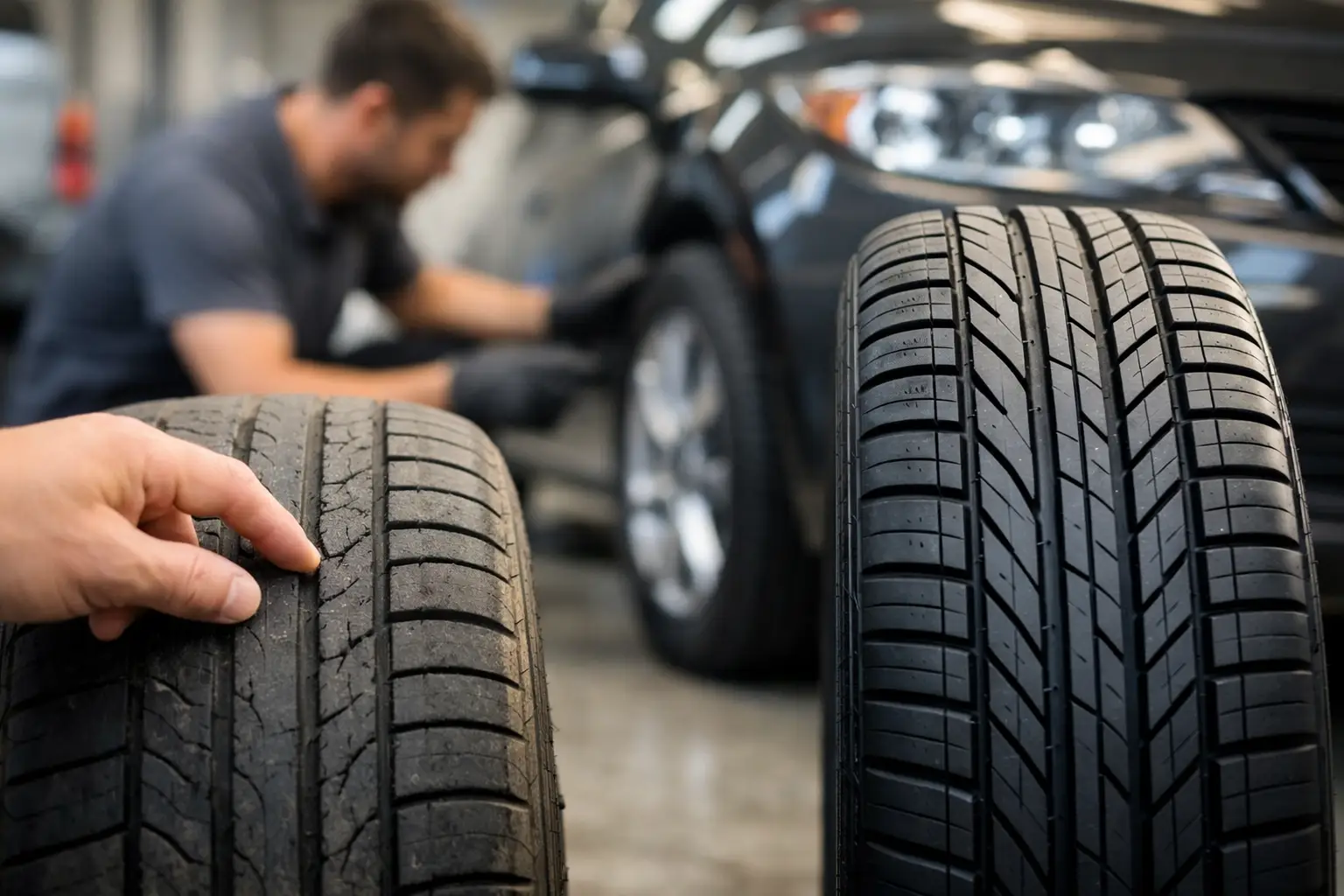
Tread depth is one of the clearest indicators. In the US, the legal minimum tread depth for passenger vehicles is commonly 2/32 of an inch, but replacing at the legal limit is leaving it late. In real driving conditions, especially on wet roads, tire performance drops off well before that point.
A good rule is to start planning replacement once tread reaches 4/32 of an inch for regular all-season tires. At that stage, wet braking and hydroplaning resistance are already reduced. If you do a lot of highway driving, carry family passengers, or regularly drive in heavy rain, replacing earlier is often the safer choice.
You can check tread with a gauge or even with the built-in wear bars molded into the tire grooves. If the tread is level with those bars, the tire is worn out. If one tire is more worn than the others, that can also point to an alignment, suspension, or tire pressure issue rather than simple age.
Signs you should replace car tyres before they look bald
Not every unsafe tire is obviously worn smooth. Some need replacing because the structure has been compromised, even if there is still tread left.
Cracks in the sidewall are a common warning sign, especially on older vehicles or cars that sit unused for long periods. Bulges or blisters matter even more. These can mean the internal structure has weakened, and a blowout becomes a real risk. If you see a sidewall bubble, replacement should not wait.
Cuts, punctures, and impact damage also need proper assessment. A simple nail through the center tread area may be repairable. A puncture near the sidewall usually is not. The same goes for damage caused by potholes or curbs. A tire can be internally damaged even if the outer mark looks minor.
Vibration is another clue drivers sometimes ignore. If your steering wheel shakes or the car feels unsettled at speed, the cause might be balancing, alignment, suspension wear, or tire damage. Either way, it is worth checking quickly. Tires are one of the few components that affect comfort, braking, and safety all at once.
Tire age matters more than many drivers realize
A tire does not need to be worn out to need replacement. Rubber hardens over time, and that changes how the tire grips the road. Even a low-mileage vehicle can end up on old tires that no longer perform as they should.
Most manufacturers recommend paying close attention once tires are around six years old, with ten years often treated as the absolute maximum regardless of tread depth. In practice, many tires should be replaced before that, depending on storage conditions, climate, usage, and exposure to sunlight.
If your car is used occasionally, this matters even more. Weekend vehicles, second cars, trailers, and low-mileage family cars often age out before they wear out. That can catch drivers off guard because the tread still looks respectable.
You can check the tire’s manufacturing date on the sidewall. The last four digits of the DOT code show the week and year it was made. For example, 2321 means the 23rd week of 2021. If you are unsure how to read it, a garage can check it in minutes.
When should you replace car tyres if wear is uneven?
Uneven wear usually means there is another problem behind the tire condition. Replacing the tire without fixing the cause often leads to the same issue again.
If the center of the tread wears faster, the tire may have been overinflated. If both outer edges are worn, underinflation may be the cause. If one edge is wearing more heavily than the other, alignment is a likely culprit. Cupping or patchy wear can point to worn suspension components or poor balancing.
This is where good inspection matters. A trustworthy garage should explain whether you only need tires, or whether the car also needs alignment, suspension work, or a pressure check routine. Clear advice saves money because it prevents premature wear on the next set.
How driving habits affect replacement timing
There is no single mileage point that fits every driver. One car may need new tires at 20,000 miles, while another goes much further. The difference often comes down to use.
Frequent highway driving can wear tires steadily but evenly. Short trips around town may seem gentler, yet repeated braking, turning, and curb contact can take a toll. Aggressive acceleration also shortens tire life, especially on higher-torque vehicles, hybrids, and EVs where instant torque can wear driven tires faster than many owners expect.
Load matters too. Family SUVs, work vans, and cars that regularly carry heavy cargo put more stress on tires. So do poor roads. If you drive through potholes regularly, tire sidewalls and internal belts take more punishment than tread depth alone would suggest.
That is why replacement advice should be based on inspection, not guesswork. Mileage is useful, but it is only part of the picture.
Seasonal and weather-related reasons to replace tires
Wet weather exposes bad tires quickly. A tread pattern that still feels acceptable in dry conditions can become a problem in heavy rain. Longer stopping distances and reduced steering response often show up before drivers realize the tread is truly low.
If you use winter or summer tires, timing matters even more. Winter tires should be replaced once their tread falls below the level needed to bite effectively into snow and slush, which is generally sooner than the legal minimum. Summer performance tires can also harden with age and lose the sharp grip they were designed to deliver.
For everyday drivers using all-season tires, the key question is not only whether the tire passes inspection, but whether it still gives you the margin of safety you expect in poor conditions.
Should you replace one tire, two tires, or all four?
It depends on the vehicle and how much difference there is between the existing tread and the new tire. If one tire is damaged and the others are still relatively new, replacing a single tire may be reasonable. But if tread depth varies too much across an axle, or across all four corners, handling can suffer.
On many vehicles, tires should be replaced in pairs at minimum, with the new pair installed on the rear axle for better stability in wet conditions. On all-wheel drive vehicles, matching tire circumference is especially important. Too much variation can place extra strain on drivetrain components.
This is one of those cases where cheaping out often costs more later. The right choice protects not only traction, but the mechanical systems connected to it.
What a professional inspection should tell you
A proper tire inspection should do more than say yes or no to replacement. It should explain current tread depth, point out any age-related concerns, identify signs of damage, and flag any mechanical issue that may be affecting wear.
That is the standard drivers should expect from a modern garage. At AutoNet VIP, for example, the focus is on straightforward advice and transparent recommendations, so you understand what needs attention now and what can reasonably wait.
If your car pulls to one side, struggles for grip in the wet, feels harsh over bumps, or simply has tires you have not checked in a long time, it is worth getting them looked at sooner rather than later. Tires are easy to overlook because they wear gradually. The problem is that safety often drops gradually too, right up until you need the car to stop or steer properly.
The best time to replace a tire is before it forces the decision for you – before the puncture cannot be repaired, before the tread reaches the last safe margin, and before worn rubber turns an ordinary drive into an avoidable risk.