A message such as app_w306_lssultrasonicsblocked at least one of the ultrasonic sensors is blocked and preventing lane can look alarming, particularly when it appears alongside a lane assist or parking-system warning. The wording is not always clear, but it usually means your vehicle has detected a problem with one or more of the sensors used by its driver-assistance systems. The sensible response is not to guess or ignore it. Check for an obvious obstruction first, then arrange professional diagnostics if the warning remains.
What the warning is really telling you
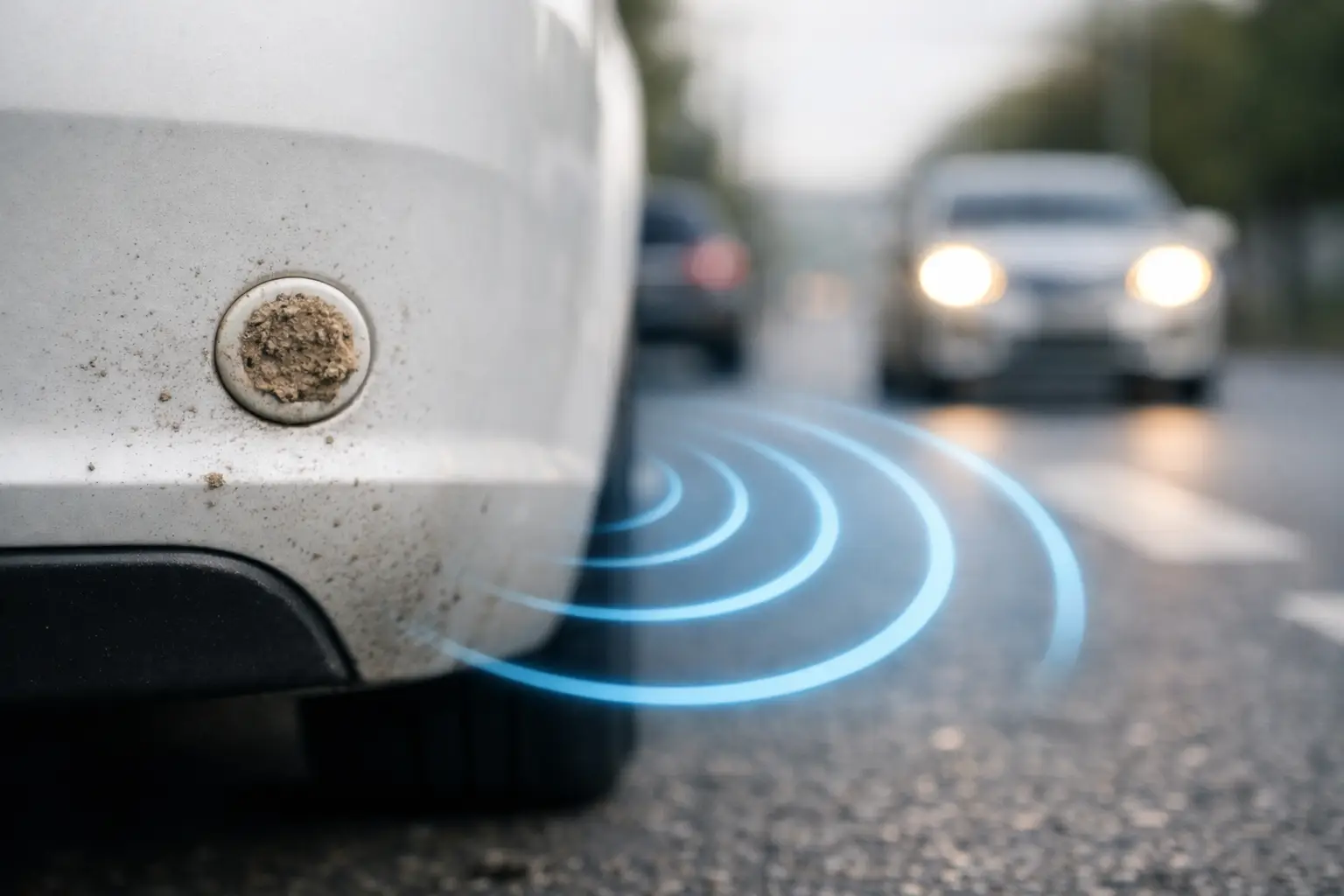
Ultrasonic sensors are the small circular sensors commonly fitted into front and rear bumpers. They use sound waves to detect nearby objects at low speed, helping with parking alerts, parking cameras and, on some vehicles, automated parking functions.
Lane assistance normally relies more heavily on a windscreen camera, radar sensor or both. However, modern vehicles share information between several control modules. If a parking sensor, bumper wiring circuit or driver-assistance module reports an implausible signal, the car may limit a related assistance feature as a precaution. This is why a warning can appear to link blocked ultrasonic sensors with lane assistance, even though they do different jobs.
The exact meaning depends on the make, model and software version. On some cars, the message may be a poorly translated diagnostic description rather than the wording shown to the driver. A proper scan of the vehicle is needed to identify the affected sensor and determine whether the fault is a temporary obstruction, an electrical issue or a calibration problem.
Why ultrasonic sensors become blocked
The simplest cause is dirt. Road film, mud, snow, ice, wax, polish residue and heavy rain can interfere with a sensor’s ability to send and receive its signal. This is particularly common after winter driving, travelling on untreated roads or using a car wash that leaves residue around the bumper.
A sensor can also be physically obstructed by a number plate fitting, bike rack, tow-bar accessory, bumper protector or an incorrectly positioned parking accessory. Even a small layer of paint over a replacement sensor can affect its operation. These sensors are precise components, so they need the correct finish and installation depth to work reliably.
Not every ‘blocked’ message means the sensor surface is dirty. A cracked sensor, loose connector, damaged bumper loom or water ingress can produce the same result. If the vehicle has had even a minor bump, kerb strike or bumper repair, it is worth considering whether the issue began afterwards. Damage is not always visible from the outside.
Quick checks you can safely make
Before booking a diagnostic inspection, park somewhere safe, switch the ignition off and inspect the bumper sensors in good daylight. Look for mud, ice, leaves, polish residue, dents or signs that a sensor sits differently from the others.
Clean each sensor gently with water and a soft cloth. Do not use abrasive products, pressure-wash at close range or scrape at the sensor with a tool. If snow or ice is present, allow it to melt rather than forcing it off. Once clean and dry, restart the vehicle and see whether the warning clears after a short drive.
If you have recently fitted a tow-bar-mounted carrier, bumper guard or other accessory, remove it where practical and check again. Equally, think about recent repairs. A replacement bumper, repaint, parking-sensor retrofit or bodywork repair can require sensor testing or system calibration.
If the warning disappears after cleaning, keep an eye on it. A message that returns repeatedly in dry, clean conditions needs investigation, even if the parking sensors seem to work some of the time.
When not to rely on lane assist
If the dashboard says lane assist, parking assistance or another driver-support feature is unavailable, treat that system as switched off until the fault is resolved. Do not assume it will intervene when you drift, approach an obstacle or attempt an assisted parking manoeuvre.
This does not necessarily mean the car is unsafe to drive. In many cases, it remains mechanically roadworthy and the warning relates to a convenience or assistance feature. But the driver remains fully responsible for observation, steering, braking and safe manoeuvring. Take extra care when parking, changing lanes and driving in poor visibility.
There are exceptions. If the warning is accompanied by braking-system alerts, steering warnings, a red dashboard message, collision damage, loose bumper parts or unusual vehicle behaviour, stop using the vehicle where safe and seek advice promptly. Multiple warnings at once can point to a wider electrical, communication or sensor-system fault.
Diagnosing ultrasonic sensors blocked and preventing lane assist
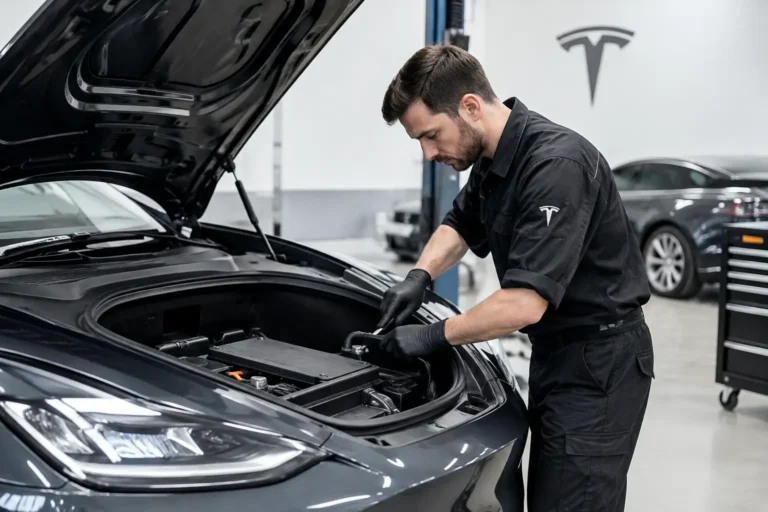
A quality diagnostic check goes further than clearing a fault code. The first step is to scan all relevant control modules, not just the parking sensor module. This shows stored and current fault codes, identifies which corner or bumper sensor is affected, and reveals whether another module is causing the warning.
A technician can then inspect the sensor faces, bumper fitment, wiring and connectors. Live data is particularly useful because it can show whether a sensor is detecting a permanent nearby object, sending an implausible reading or failing to communicate at all.
Where damage or corrosion is suspected, electrical testing may be needed. A sensor that looks perfect can still have a broken wire behind the bumper or moisture inside its connector. Replacing parts before this testing is complete can be an expensive mistake.
If a sensor is replaced, the vehicle may require coding, configuration or calibration. This is especially relevant where the car has parking assistance, radar-based safety systems or a camera behind the windscreen. The requirements vary widely between manufacturers. Fitting a cheap non-matching sensor or simply swapping parts can leave the warning in place and may create new faults.
At AutoNet VIP, diagnostics are approached as an investigation rather than a parts-selling exercise. The aim is to explain what has failed, why it has failed and what repair is genuinely required before work goes ahead.
Common fixes and what they involve
For a genuine obstruction, cleaning the sensors is often all that is needed. If the issue is caused by a loose accessory or a poorly fitted number plate, correcting the obstruction may restore normal operation.
A damaged sensor usually needs replacement, but the part must match the vehicle correctly. Sensors can vary by manufacturer, position, colour finish and electronic specification. On painted bumpers, the replacement also needs proper preparation so that excessive paint does not dull its signal.
Wiring faults can range from a simple connector repair to replacement of a section of bumper loom. This can be more time-consuming than changing a sensor, but it is the correct repair where the sensor itself tests healthy. If water has entered the bumper, the source of the ingress should be addressed as well.
Software updates can occasionally resolve communication faults or known system issues. They are not a cure for damaged hardware, though. A garage should confirm the fault evidence before recommending an update, calibration or replacement component.
Can you clear the warning yourself?
Some drivers use a basic code reader to erase dashboard faults. This may remove the message temporarily, but it will not repair the underlying cause. If the system sees the same problem again, the warning will return. Clearing codes without recording them first can also make diagnosis harder.
A basic reader may not access the parking, body-control, camera or advanced driver-assistance modules where the useful information is stored. Manufacturer-level or professional diagnostic equipment is often required to read live values, run actuator tests and carry out calibrations correctly.
It is reasonable to clean the sensors and check for visible obstruction yourself. Beyond that, avoid unplugging sensors, probing wiring or fitting random replacement parts. Modern bumpers can contain multiple sensors and safety-related wiring, and a small error can turn a straightforward repair into a larger bill.
Preventing future sensor warnings
Regular cleaning helps, particularly during winter and after long motorway journeys. When washing the car, wipe the parking sensors gently rather than leaving wax or traffic film to build up around them. If you use a car cover, bike carrier or tow-bar attachment, check that it does not sit in the sensors’ detection area.
After any bumper repair, ask whether parking sensors and driver-assistance features have been tested and, where required, calibrated. This matters just as much after minor cosmetic work as it does after accident repairs.
A blocked ultrasonic sensor warning is often straightforward to resolve, but it deserves proper attention when it persists. Your vehicle is telling you that one of its assisting systems cannot trust the information it is receiving. A clear diagnostic assessment will replace uncertainty with an accurate repair plan, allowing you to get back on the road with the features you rely on working as intended.