rr5k*kkkkkkjkkThere is a particular feeling that makes many drivers immediately realise something is wrong.
That soft slipping sensation when pulling away from a junction. The burning smell coming through the footwell after heavy traffic. The engine revving higher than expected while the vehicle struggles to accelerate.
Your clutch.
It is one of the hardest working components in your vehicle, yet it is often one of the most overlooked.
Many drivers only think about their clutch when it starts failing. Unfortunately, by that stage, the damage may already be significant. A worn out clutch usually does not fail without warning. It often gives small signs for weeks or even months before becoming a major repair.
At AutoNet VIP in Harlow, we regularly inspect vehicles with clutch problems and help drivers understand what is happening before a minor issue becomes an expensive repair.
A clutch naturally wears over time, but many premature failures are caused by driving habits, incorrect use, or problems that could have been identified earlier.
In this guide, we explain nine common causes of a worn out clutch and what you can do to protect it.
1. Riding the Clutch While Driving
One of the most common causes of a worn out clutch is a habit many drivers do without realising.
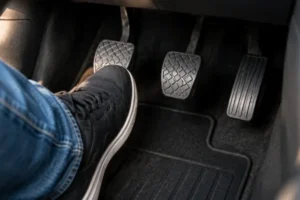
Riding the clutch means keeping your foot lightly resting on the clutch pedal while driving instead of fully removing it when you are not changing gear.
Even slight pressure on the pedal can prevent the clutch from fully engaging.
This creates a condition where the clutch friction plate remains partially engaged, generating unnecessary heat and increasing wear.
Over time, this constant friction can reduce the lifespan of the clutch significantly.
Common examples include:
- Resting your foot on the clutch pedal during normal driving
- Keeping the clutch slightly pressed while approaching traffic lights
- Hovering over the pedal during slow journeys
The solution is simple.
When you are not changing gear, keep your left foot on the footrest.
This small change in driving technique can help reduce unnecessary clutch wear and extend the life of the component.
2. Excessive Clutch Use in Heavy Traffic
Driving in heavy traffic is part of everyday life for many Essex drivers.
Routes around Harlow, the A414 and busy commuter roads often involve repeated stopping and starting.
During slow traffic, some drivers allow the vehicle to creep forward by constantly slipping the clutch instead of using the brake and selecting neutral when stopped.
Although this may feel smoother, it creates a large amount of heat inside the clutch assembly.
The clutch is designed to engage and disengage smoothly during gear changes. It is not designed to act as a replacement for the brake in constant stop start traffic.
To reduce clutch wear:
- Use the brake when stationary
- Select neutral during longer stops
- Avoid slowly moving forward using only clutch control
- Allow enough space so you are not constantly moving a few metres at a time
Your clutch will last longer, and you may also reduce unnecessary stress on your left leg during long journeys.
3. Holding the Vehicle on a Hill Using the Clutch
Many drivers use the clutch bite point to keep their vehicle stationary on a hill.
This technique may feel convenient, but it places significant stress on the clutch.
The clutch bite point is designed for moving the vehicle smoothly from a stationary position. It is not designed to hold the full weight of the vehicle on an incline.
When the clutch is used this way, the friction plate continues working against the flywheel, creating heat and accelerating wear.
The correct technique is:
- Apply the handbrake.
- Bring the clutch to the bite point.
- Release the handbrake smoothly as you move away.
Many modern vehicles also have hill start assist, which can make this process easier.
Using the correct technique reduces heat build up and helps protect the clutch.
4. Regular Towing or Carrying Heavy Loads
A clutch works harder when a vehicle carries additional weight.
Drivers who regularly tow caravans, trailers, equipment or heavy loads place extra demand on the clutch system.
Every additional kilogram increases the amount of work required during:
- Hill starts
- Pulling away from junctions
- Low speed manoeuvres
- Parking situations
A clutch that performs perfectly during normal driving may begin showing signs of wear much sooner when regularly used under heavy loads.
If you regularly tow or carry heavy equipment, it is important to consider your driving style and maintenance schedule.
At AutoNet VIP in Harlow, our technicians can inspect your vehicle and advise whether your clutch system requires additional attention based on your driving habits.
5. Incorrect Gear Selection
The way you change gears has a direct impact on clutch wear.
Many drivers do not realise that selecting the wrong gear for the speed and driving conditions can place unnecessary stress on the clutch.
For example:
- Using a high gear at very low speeds
- Accelerating heavily while in the wrong gear
- Skipping gears incorrectly during changes
- Allowing the engine to struggle instead of changing down
When the engine speed and vehicle speed do not match correctly, the clutch has to absorb the difference during engagement.
This creates extra friction and heat.
Over thousands of miles, repeated incorrect gear selection can contribute to a worn out clutch.
The best approach is to select the correct gear for your speed and driving conditions.
Smooth gear changes reduce stress on the clutch system and improve overall driving comfort.
6. Clutch Cable or Hydraulic System Problems
Not every clutch problem is caused by driving habits.
Sometimes the issue comes from the clutch operating system itself.
Depending on the vehicle, the clutch may use either a cable system or a hydraulic system to operate.
If the clutch cable becomes stretched, damaged or incorrectly adjusted, the clutch may not engage or disengage properly.
Hydraulic clutch systems can also develop problems due to:
- Low hydraulic fluid
- Leaks
- Worn seals
- Air entering the system
When the clutch cannot operate correctly, the friction surfaces may remain partially engaged.
This creates additional wear and can lead to:
- Difficulty changing gears
- A high or unusual bite point
- Clutch slipping
- Poor vehicle response
During regular servicing, it is important to have the clutch operation checked.
At AutoNet VIP in Harlow, our vehicle inspections can identify clutch related issues before they become major repairs.
7. Oil Contamination on the Clutch Disc
The clutch system is designed to operate dry.
Engine oil or gearbox oil should never come into contact with the clutch friction material.
However, if a seal fails, oil can leak into the clutch housing and contaminate the clutch disc.
Common causes include:
- Rear crankshaft seal failure
- Gearbox input shaft seal failure
- Oil leaks from surrounding components
Oil contamination can cause:
- Clutch slipping
- Juddering when moving away
- Poor engagement
- Burning smells
One of the biggest problems with oil contamination is that replacing the clutch alone may not solve the issue.
If the source of the leak is not repaired, the replacement clutch may suffer the same failure.
This is why proper diagnosis is important.
At AutoNet VIP, we focus on identifying the cause of the problem rather than simply replacing parts. You can contact our Harlow team for advice or a vehicle inspection.
8. High Speed Driving and Heavy Acceleration
Many drivers assume motorway driving is easy on the clutch because there is less stopping and starting.
While this can be true in some situations, high speed driving with aggressive acceleration can still place significant stress on a worn clutch.
Examples include:
- Hard acceleration during overtaking
- Rapid downshifting
- Sudden gear changes under heavy load
If the clutch is already worn, these situations can make slipping more noticeable.
One common warning sign is when the engine revs increase but the vehicle does not accelerate at the same rate.
This indicates that the clutch may not be transferring power efficiently.
A slipping clutch should not be ignored, especially when driving at higher speeds where reliable power delivery is important.
If you notice these symptoms, arrange a clutch inspection with AutoNet VIP in Harlow.
9. Ignoring Early Warning Signs
A worn out clutch rarely fails without warning.
Many drivers continue using their vehicle even after noticing signs that something is wrong.
Common warning signs include:
- Engine revs increasing without matching acceleration
- Juddering when moving away
- Difficulty selecting gears
- Burning smells after driving
- A clutch pedal that feels different
- A high bite point
These symptoms usually indicate that the clutch is experiencing wear or another underlying problem.
Ignoring these signs can allow a relatively simple repair to become a much larger issue.
A clutch caught early may only require adjustment, inspection or minor repairs.
A clutch ignored until complete failure may require replacement of additional components, increasing both repair time and cost.
If your vehicle is showing any of these symptoms, it is better to have it checked sooner rather than later.
How to Extend the Life of Your Clutch
The good news is that many clutch problems can be reduced with better driving habits.
Here are some simple ways to protect your clutch:
Avoid Resting Your Foot on the Clutch Pedal
Only press the clutch when changing gear.
Keeping your foot on the pedal unnecessarily creates extra wear.
Use the Handbrake on Hills
Do not hold the vehicle using the clutch bite point.
Use the handbrake and move away smoothly.
Change Gear Smoothly
Avoid forcing gear changes or selecting unsuitable gears.
Smooth driving reduces stress on the clutch system.
Avoid Unnecessary Clutch Slipping
Allow the clutch to fully engage whenever possible.
Repeated slipping creates excessive heat.
Maintain Your Vehicle Regularly
Regular servicing can identify problems before they become expensive.
A vehicle health check can highlight clutch operation issues, fluid leaks and other related problems.
Signs You May Need a Clutch Inspection
You should arrange an inspection if you notice:
Clutch slipping
The engine revs rise but the vehicle does not accelerate properly.
Difficulty changing gears
The clutch may not be fully disengaging.
Burning smell
A strong burning smell after driving may indicate excessive clutch heat.
Juddering
Vibration when moving away can indicate clutch or flywheel problems.
Changes in pedal feel
A different bite point or unusual pedal movement should be investigated.
These signs should not be ignored because early diagnosis can prevent further damage.
Why Drivers Choose AutoNet VIP for Clutch Repairs in Harlow
At AutoNet VIP, Car Repairs, MOTs and Electric and Hybrid Specialists in Harlow, we understand how important your vehicle is for everyday life.
Whether you use your car for commuting, family journeys or business, a reliable clutch is essential.
Our experienced technicians can help with:
- Clutch inspections
- Clutch repairs
- Gearbox checks
- Vehicle diagnostics
- General servicing
- Electric and hybrid vehicle support
We believe in honest advice.
If your clutch requires repair, we explain the problem clearly and recommend the most suitable solution.
If the issue is minor, we will tell you.
If further work is required, we will explain why.
You can learn more about our vehicle servicing options or contact AutoNet VIP to arrange an inspection.
The Bottom Line: Do Not Ignore a Worn Out Clutch
A clutch is one of the hardest working components in your vehicle.
Every time you move away from a junction, change gear, climb a hill or accelerate, your clutch is working to transfer power from the engine to the wheels.
Although clutch wear is a normal part of vehicle ownership, premature failure is often caused by avoidable habits and problems that could have been identified earlier.
The nine main causes of a worn out clutch include:
- Riding the clutch pedal
- Excessive clutch use in traffic
- Holding the vehicle on hills using the clutch
- Regular towing and heavy loads
- Incorrect gear selection
- Clutch cable or hydraulic system problems
- Oil contamination
- Heavy acceleration and high speed driving
- Ignoring early warning signs
Understanding these causes gives you the opportunity to protect your vehicle and avoid unexpected repair costs.
A clutch problem caught early is usually much easier and more affordable to resolve than a complete clutch failure.
How Much Does a Clutch Replacement Cost?
The cost of replacing a clutch depends on several factors, including:
- Vehicle make and model
- Labour time required
- Type of clutch system
- Whether additional components require replacement
In some cases, a worn clutch may also affect other parts such as:
- Flywheel
- Clutch release bearing
- Pressure plate
- Gearbox components
This is why proper diagnosis is important before any repair work begins.
A professional inspection helps identify the actual cause of the problem and prevents unnecessary repairs.
At AutoNet VIP in Harlow, our technicians inspect vehicles carefully and explain the repair options clearly before any work is carried out.
Can You Drive With a Worn Out Clutch?
It may be possible to continue driving with a worn out clutch for a short period, but it is not recommended.
A clutch that is already slipping can quickly become worse.
Continuing to drive may result in:
- Complete loss of drive
- Increased wear to the flywheel
- Difficulty changing gears
- Being unable to move the vehicle safely
A failing clutch can also become dangerous if it affects your ability to accelerate when joining roads or overtaking.
If you notice clutch slipping, unusual smells or difficulty changing gears, arrange an inspection as soon as possible.
Why Early Clutch Diagnosis Saves Money
Many drivers delay clutch repairs because the vehicle still appears to work.
The problem is that a clutch rarely improves once wear has started.
A small issue can develop into a much larger repair if ignored.
For example:
A clutch that is beginning to slip may only require attention before further damage occurs.
A clutch that completely fails may also damage surrounding components and leave you unable to drive the vehicle.
Early diagnosis allows you to:
- Understand the condition of your clutch
- Plan repairs before failure occurs
- Avoid unexpected breakdowns
- Protect other drivetrain components
Trust AutoNet VIP for Clutch Repairs in Harlow
At AutoNet VIP, Car Repairs, MOTs and Electric and Hybrid Specialists in Harlow, we help drivers across Harlow, Essex and surrounding areas keep their vehicles reliable and safe.
Our team works with a wide range of vehicles, including:
- Petrol vehicles
- Diesel vehicles
- Hybrid vehicles
- Electric vehicles
We use professional diagnostic equipment and experienced inspection methods to identify clutch and drivetrain issues accurately.
Whether you are experiencing:
- Clutch slipping
- Gear selection problems
- Unusual noises
- Burning smells
- Juddering when moving away
our team can help identify the cause and recommend the right solution.
We focus on honest advice and quality repairs.
We do not recommend unnecessary work. We explain what is happening with your vehicle and help you make an informed decision.
You can learn more about our vehicle servicing and repair services or contact our Harlow workshop to arrange an inspection.
Final Thoughts
A worn out clutch is not something drivers should simply accept until the vehicle stops moving.
Your clutch provides one of the most important connections between your engine and wheels. Looking after it helps improve reliability, reduce repair costs and keep your vehicle performing properly.
Pay attention to the warning signs.
If your clutch feels different, your vehicle struggles to accelerate or you notice unusual smells, do not ignore it.
Small problems are easier to fix than major failures.
The team at AutoNet VIP in Harlow is here to help with professional inspections, honest advice and reliable vehicle repairs.
AutoNet VIP
Car Repairs, MOTs and Electric and Hybrid Specialists in Harlow
Serving drivers across Harlow, Essex and surrounding areas.