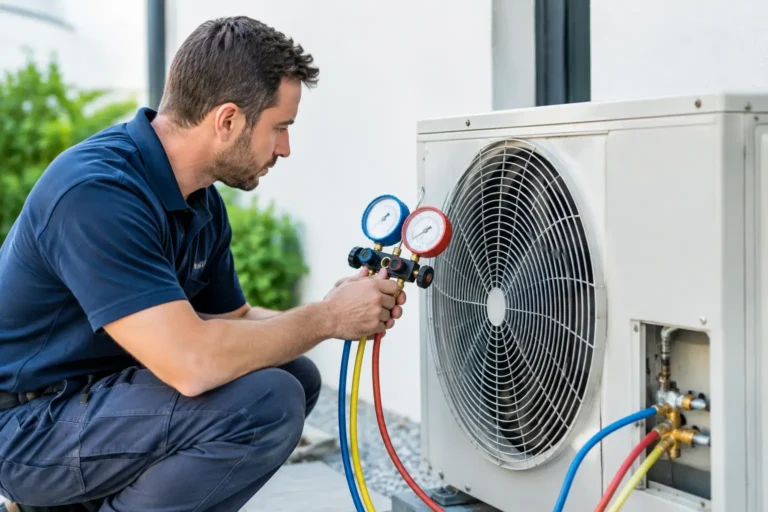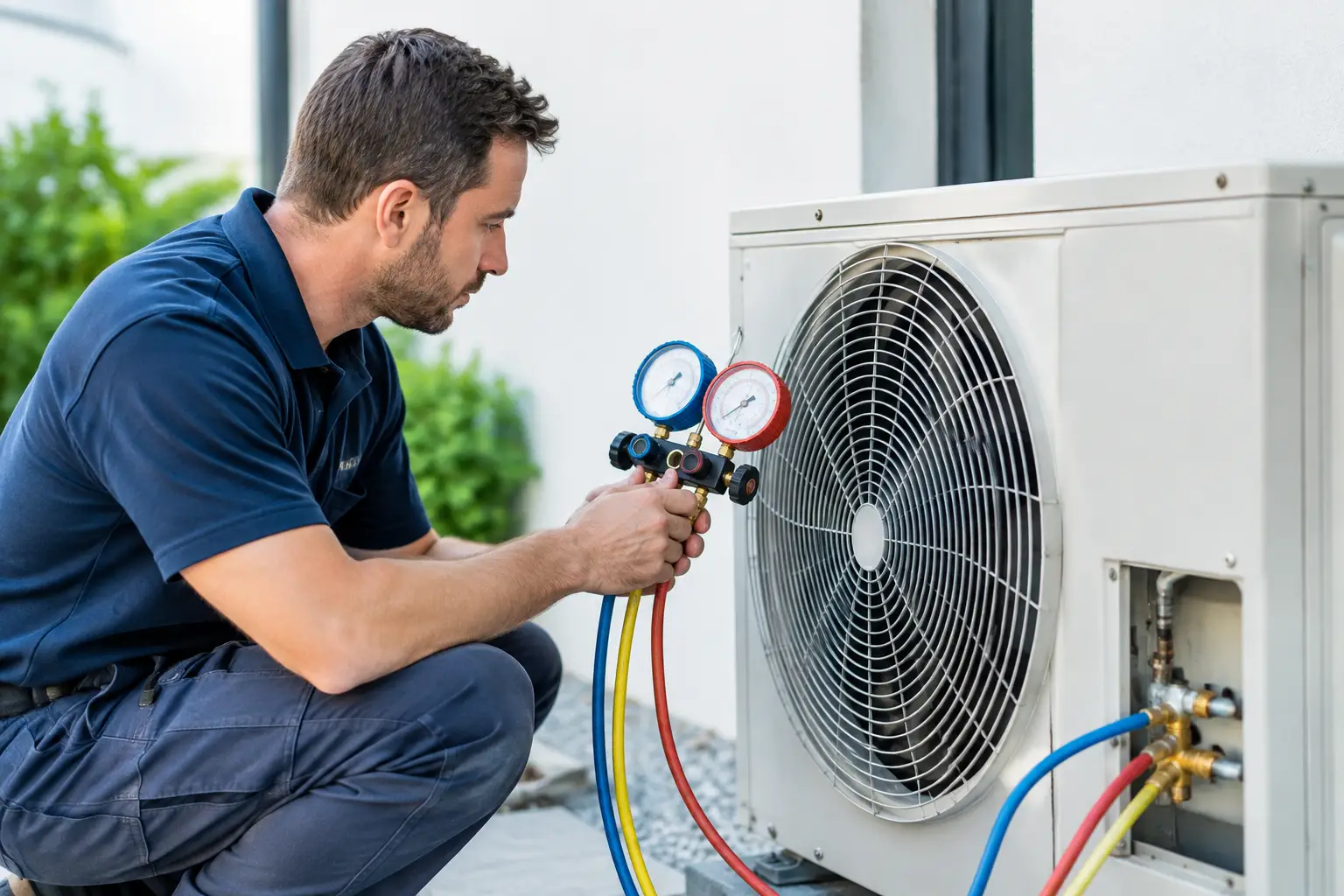
A hot cabin, weak airflow and windows that take ages to clear can turn even a short journey into a chore. If you are looking for air con regas in Harlow, the first question is not simply whether your system needs more refrigerant. It is whether the system is cooling as it should, and why it has lost performance in the first place.
Your car’s air conditioning does more than keep you comfortable during a spell of warm weather. It helps reduce humidity, clears misted windows faster and makes long commutes, school runs and motorway journeys more pleasant. A correctly maintained system should deliver cool, clean air consistently, without unusual noises or unpleasant smells.
What an air con regas actually does
An air con regas replaces refrigerant that has gradually escaped from the system over time. Refrigerant is the fluid that absorbs heat from inside the cabin and releases it outside the vehicle. When its level is low, the air conditioning cannot cool effectively and the compressor may have to work harder than it should.
A proper service is more than connecting a machine and adding gas. The technician should recover any remaining refrigerant, assess the system’s pressures, vacuum out moisture and recharge it with the correct type and quantity specified by the manufacturer. The system should then be tested to confirm that it is producing cold air and operating within expected limits.
Most modern cars use one of two refrigerants. Older vehicles commonly use R134a, while many newer models use R1234yf, which has a lower environmental impact but is generally more expensive. The right gas is not a matter of preference – it must match your vehicle’s specification. Using the wrong refrigerant can affect performance and may damage the system.
Signs you may need air con regas in Harlow
The clearest warning sign is air that feels noticeably less cold than it used to. You may still feel some cooling, especially while driving at speed, but it takes too long to cool the cabin or struggles on warmer days. That often points to a low refrigerant level, although it is not the only possible cause.
You might also notice that your windscreen takes longer to demist when the air conditioning is switched on. The system removes moisture from the air as it runs, so weak performance can make wet-weather driving less comfortable and reduce visibility.
Other symptoms deserve a closer look. A clicking or rattling sound when the air con engages, a bad smell from the vents, inconsistent temperatures, or a compressor that does not engage at all may indicate a fault rather than a routine regas. In these cases, adding refrigerant without diagnosis can be a short-lived fix at best and wasted money at worst.
Why refrigerant levels fall
Air conditioning systems are sealed, but no system stays perfectly loss-free forever. Small amounts of refrigerant can escape gradually through hoses, seals and joints over several years. That is why many manufacturers recommend checking the system regularly, even if it has not stopped cooling completely.
A more rapid loss usually suggests a leak. Stone damage to the condenser at the front of the car, worn seals, corroded pipework and damaged hoses can all allow refrigerant to escape. The condenser sits behind the grille, where it is exposed to road debris, rain and salt, making it a common area for problems.
A regas is appropriate when the system is otherwise healthy and simply low on gas. If it needs regassing every year, however, the cause should be investigated. A responsible garage will explain that distinction clearly rather than repeatedly recharging a leaking system.
What a professional air con service should include
The quality of the process matters. Air conditioning is a pressurised system, and refrigerant must be handled using suitable equipment by trained technicians. DIY refill kits can appear convenient, but they do not provide an accurate pressure assessment, moisture removal or reliable leak diagnosis. They can also lead to overcharging, undercharging or introducing contaminants into the system.
A professional air con appointment should start with a performance check. This helps establish whether the system is cooling poorly, not cooling at all, or showing signs of a wider fault. The existing refrigerant is then recovered safely and measured, which can indicate how much has been lost.
The system is placed under vacuum to remove air and moisture before the precise refrigerant charge is added. Oil may also be added where required to lubricate the compressor. Finally, the technician checks vent temperature, system pressures and operation of key components. If results point to a leak or electrical issue, you should be told before further work is recommended.
At AutoNet VIP, this approach supports the kind of clear, practical advice drivers expect: identify the issue, explain the options and only carry out work that is genuinely needed.
Regas, antibacterial treatment or repair?
These services are often grouped together, but they solve different problems. A regas restores the refrigerant charge. An antibacterial treatment cleans the ventilation system to help reduce odours caused by bacteria and moisture around the evaporator. A repair addresses a failed component, leak or electrical fault.
If your air con smells damp or musty but still blows cold, a cabin filter replacement and antibacterial treatment may be more useful than a regas. If it blows warm because the compressor has failed or there is a leak, the fault needs repairing before a recharge will provide lasting results. If cooling has simply faded after several years and the system passes its checks, a regas may be all that is required.
This is why a fixed-price regas can be helpful, but it should not replace diagnosis when symptoms are more serious. Transparent pricing means understanding what the quoted service covers and being contacted if additional work is needed.
How often should you use your car air conditioning?
Many drivers only switch on the air con during a heatwave. In practice, it is better to run it regularly throughout the year, including in winter. Using the system for around 10 minutes every week helps circulate lubricant and can reduce the risk of seals drying out.
It also helps with demisting. Air conditioning dries the air before it reaches the windscreen, so it is useful on cold, wet mornings as well as sunny afternoons. Running it regularly gives you a better chance of spotting a drop in performance before the first genuinely warm day of the year.
There is a small fuel-use trade-off when the compressor is working, particularly in stop-start traffic. But using the system sensibly and maintaining it properly is often more practical than avoiding it entirely and discovering it has failed when you need it most.
Looking after your air con between services
A few simple habits can help the system perform well. Use the air con regularly, replace the pollen filter at the recommended interval and clear leaves or debris from the area around the base of the windscreen. If the cabin smells unpleasant, deal with it early rather than masking it with air freshener.
Keep an eye on changes in cooling performance too. If the air becomes warm suddenly, the compressor makes unusual noises or you can see damage around the front grille after an impact, book an inspection rather than assuming it only needs gas. Early diagnosis can prevent a smaller issue from becoming an expensive repair.
A comfortable cabin is useful, but clear windows and predictable performance matter just as much. Before summer journeys or a busy period of commuting, a properly checked air conditioning system gives you one less thing to worry about when you turn the key.