A tyre can look acceptable on the driveway and still compromise braking, grip or stability when the road is wet. That is why the tyre fitting Harlow drivers can rely on is about more than replacing worn rubber. It is a safety service that should consider the correct specification for your vehicle, the condition of the wheels, tyre pressures, balance and any signs that another issue is wearing your tyres prematurely.
For commuters, family cars, vans and higher-performance vehicles alike, tyres are the only part of the car in contact with the road. Choosing the right ones and having them fitted properly makes a genuine difference to how confidently your vehicle stops, steers and handles the changing conditions on Essex and London roads.
When to book tyre fitting in Harlow
A puncture is the obvious reason to visit a garage, but tyres often give earlier warnings that should not be ignored. Checking them regularly can prevent a stressful roadside problem and may identify suspension or alignment faults before they become more expensive.
Look out for these common signs:
- Tread that is close to the legal 1.6mm minimum, or worn unevenly across the tyre
- Cracks in the sidewall, bulges, cuts or exposed cords
- A steering wheel vibration that appears or worsens at particular speeds
- Repeated pressure loss, even after the tyre has been inflated
- Your vehicle pulling to one side or feeling less settled in wet conditions
The legal minimum tread depth is 1.6mm across the central three-quarters of the tyre and around its full circumference. However, waiting until that point is rarely the best plan. Wet-weather grip reduces as tread becomes shallow, so many drivers choose replacement at around 3mm to retain more confidence in heavy rain.
A tyre can also be unsafe before its tread is worn. Sidewall damage, deep cracking, a distorted shape or a puncture in the wrong area may mean repair is not suitable. A proper inspection gives you a clear answer rather than a guess.
What professional tyre fitting should include
A tyre fitting appointment should begin with the basics: confirming your vehicle registration, wheel size and the approved tyre specification. The right tyre is not simply one that fits the wheel. Load rating, speed rating, construction and, in some cases, manufacturer approval all matter.
This is especially relevant for electric and hybrid vehicles. They are often heavier than equivalent petrol models and deliver instant torque, which can place greater demands on tyres. Some vehicles may also be designed around tyres with low rolling resistance or specific noise-reduction features. Fitting a cheaper alternative without checking its suitability can affect refinement, efficiency and handling.
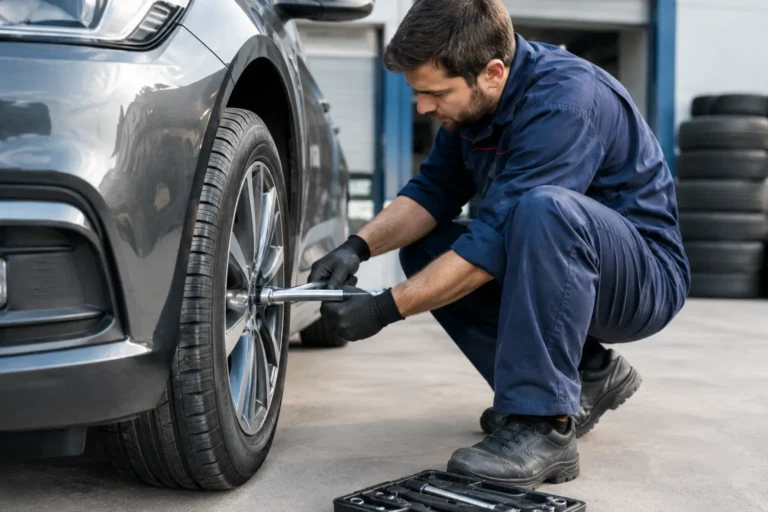
Once the correct tyres have been selected, the technician should inspect the wheel and remove the old tyre carefully. The new tyre is fitted using suitable equipment, seated correctly, inflated to the appropriate pressure and balanced. Balancing matters because even a small weight imbalance can create vibration through the steering wheel, reduce comfort and contribute to irregular wear over time.
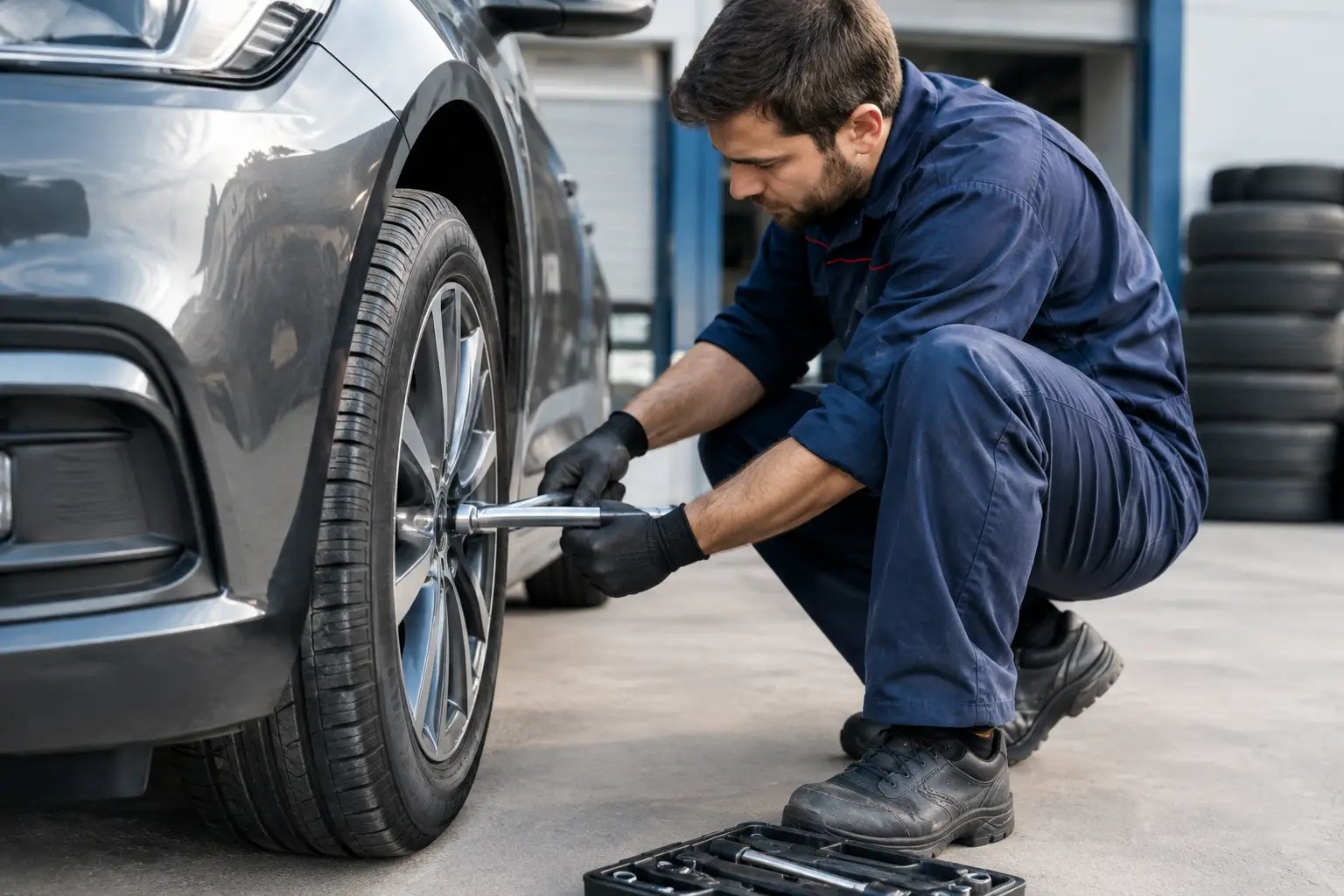
Valve condition should be checked at the same time. Where your vehicle has a tyre pressure monitoring system, the sensor needs to be handled correctly and reset or recalibrated where required. Finally, wheel bolts or nuts must be tightened to the manufacturer’s specified torque. These are not glamorous details, but they are the details that make fitting work safe and dependable.
Repair or replacement: it depends on the puncture
Not every puncture requires a new tyre. A small, straightforward puncture within the central tread area may be repairable if the tyre has not been driven flat and has no other damage. A reputable garage will inspect it from the inside before recommending a repair.
Punctures in the shoulder or sidewall are generally not safely repairable. Nor should a tyre be repaired if its internal structure has been damaged by running at very low pressure. While a repair can save money where appropriate, safety must come first. Clear advice should explain why a repair is possible or why replacement is the safer option.
Choosing tyres that suit the way you drive
The most expensive tyre is not automatically the best choice for every driver, and the lowest-priced option may not offer the wet grip, lifespan or refinement you need. The sensible choice depends on your mileage, vehicle, budget and typical journeys.
Premium tyres can be a strong investment for drivers who cover high motorway mileage, own performance vehicles or want the best possible wet-weather performance. Mid-range tyres often provide a good balance of quality and cost for everyday family motoring. Budget tyres may suit low-mileage cars, but it is worth comparing the tyre label information and considering braking performance in wet conditions rather than looking at price alone.
Season also matters. Most drivers in the UK use quality summer or all-season tyres throughout the year. All-season tyres can be particularly useful for vehicles that face a mix of town driving, motorway miles and occasional cold or wintry conditions. Dedicated winter tyres offer better cold-weather traction, but make most sense for drivers who regularly travel in severe conditions or more rural areas.
If replacing only two tyres, they should normally be fitted as a matching pair on the same axle. There is also a safety reason many manufacturers and tyre specialists recommend fitting the tyres with the greater tread depth to the rear axle, as this can help reduce the risk of rear-wheel instability on wet roads. Vehicle manufacturer guidance and the condition of all four tyres should always be considered rather than applying a one-size-fits-all rule.
Uneven wear is a clue, not just a tyre problem
New tyres will not solve the underlying issue if the old ones have worn unevenly. Wear on one edge may point to incorrect wheel alignment, while cupping or patchy wear can suggest worn suspension components, wheel imbalance or incorrect tyre pressure.
A vehicle that hits potholes regularly, clips kerbs or carries heavy loads can gradually move out of alignment. You may notice it pulls to one side, the steering wheel no longer sits straight when travelling ahead, or the tyres wear faster than expected. Checking alignment before fitting new tyres can protect your investment and improve how the car feels on the road.
Suspension checks are equally worthwhile where there is a knock, bounce, vibration or obvious irregular wear. A tyre is often the first visible sign of a wider mechanical issue. Addressing that issue early is usually better value than replacing tyres again months later.
Tyre pressures deserve more attention
Correct pressures support safe braking, predictable handling and even tyre wear. Underinflated tyres can run hotter, wear quickly at the shoulders and increase fuel consumption or reduce electric driving range. Overinflation can reduce the contact patch and lead to excessive wear through the centre of the tread.
Check pressures at least once a month and before long journeys, always when tyres are cold. Use the pressure figure listed for your specific vehicle, usually found inside the driver’s door frame, fuel filler flap or handbook. Do not rely only on the maximum pressure printed on the tyre sidewall, as that is not the recommended operating pressure for your car.
If a pressure warning light appears, do not simply reset it and carry on. Check each tyre, including the spare if fitted, for a puncture or visible damage. A gradual loss of pressure may be caused by a nail, a leaking valve or corrosion around the wheel rim.
A fitting service built around clear advice
The best garage experience is one where you understand what has been found, what needs doing now and what can reasonably wait. That means no confusing jargon, no pressure to buy tyres you do not need and no surprises when the bill is presented.
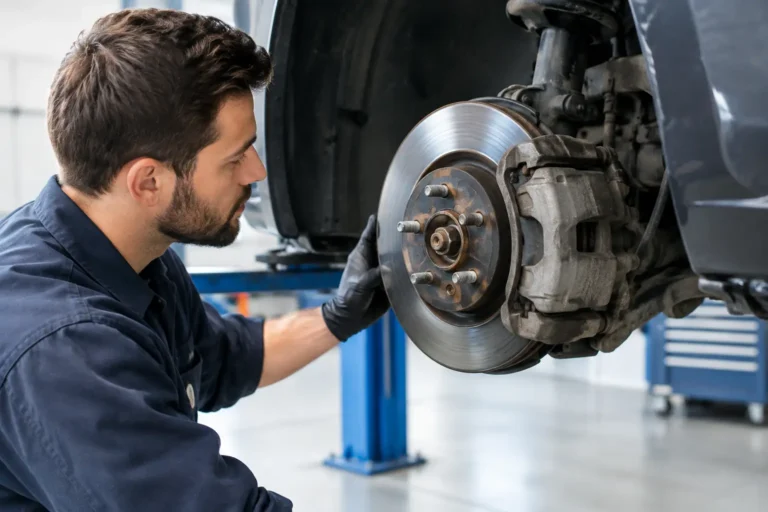
At AutoNet VIP, tyre work can be assessed alongside wheel alignment, brakes, suspension and general vehicle condition, giving drivers a clearer picture of what is affecting safety and tyre life. Whether you need a puncture inspected, a single replacement or a full set chosen for a hybrid, van or family car, the aim should be straightforward: suitable tyres, fitted correctly, with honest advice at every stage.
Before your next long journey, take two minutes to look at your tyres. If the tread looks low, pressures keep dropping or the car no longer feels right on the road, booking an inspection early can turn a small concern into a simple, safer fix.