A Tesla may be plugged in with a healthy-looking cable and a live charge point, yet still refuse to start charging or stop unexpectedly. In some cases, the issue is not simply the battery, charge port or public charger. PLC – power line communication Tesla systems use a high-frequency data signal to let the vehicle and charger exchange essential information before and during certain charging sessions.
That sounds technical, but the practical point is simple: charging is a conversation, not just an electrical connection. If that conversation cannot begin or is interrupted, the vehicle may limit charging, display an error or fail to charge at all.
What PLC means in a Tesla charging system
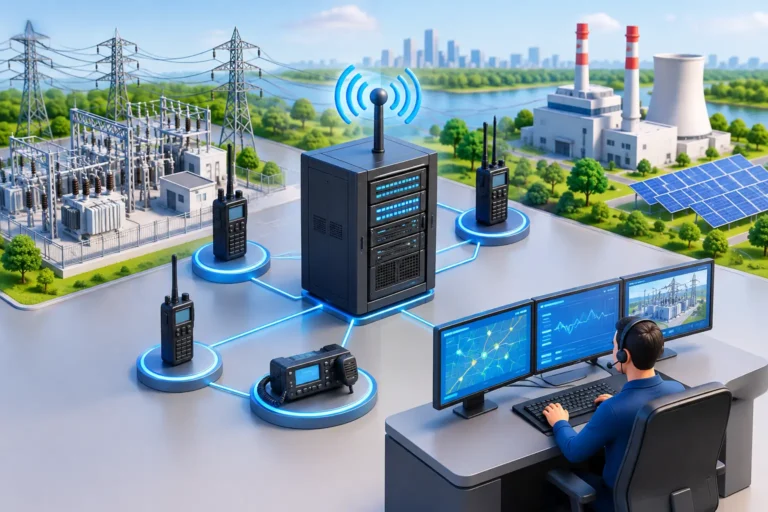
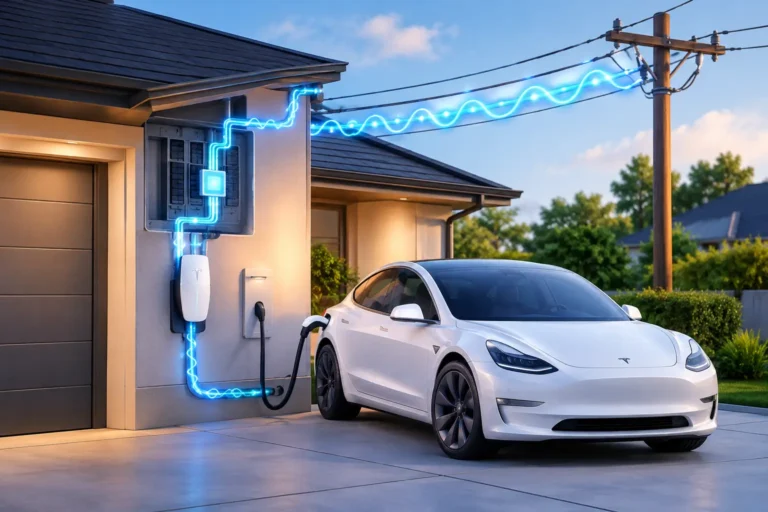
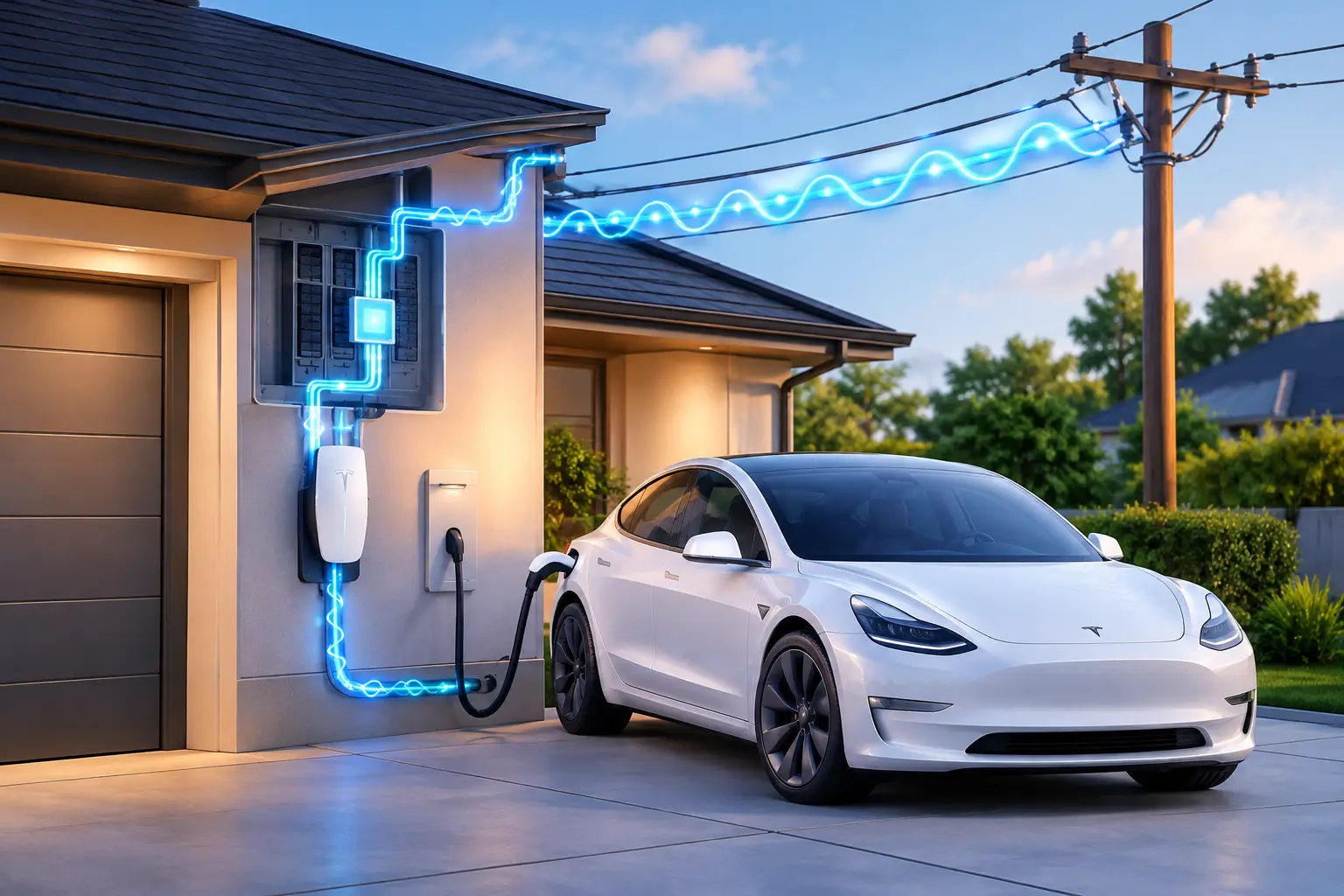
PLC stands for Power Line Communication. It allows digital data to travel over the same conductors used in the charging connection. Rather than requiring a separate data cable, the vehicle and charging equipment can send information using a high-frequency signal alongside the power supply.
For compatible DC rapid-charging systems, PLC is used as part of the communication process between the car and charge point. The charger needs to identify what the vehicle can accept and confirm that conditions are safe before it delivers high-voltage DC power. The car, in turn, needs to monitor the session and request the correct voltage and current.
This is different from the idea of using household electrical wiring for internet access. In an electric vehicle, PLC is a purpose-built charging communication method, designed to support controlled, safe energy transfer.
Why Tesla vehicles need charging communication
A DC rapid charger cannot simply send maximum power as soon as the plug is connected. Battery temperature, state of charge, pack voltage and the vehicle’s charging limits all affect what should happen next. The charger and vehicle must agree on the session parameters.
Depending on the charging standard, this exchange can cover vehicle identification, charging capability, requested current and voltage, safety checks and status updates throughout the charge. On newer systems, communication can also support features associated with ISO 15118, such as certificate-based vehicle identification and, where available, Plug & Charge.
Tesla vehicles in the UK and Europe may charge using Tesla’s own Supercharger network as well as CCS-compatible rapid chargers, subject to the vehicle, site and access arrangements. The exact hardware and software arrangement varies by model year, region and charging equipment. However, the core principle remains the same: reliable communication is needed before high-power charging can begin.
AC charging works differently
It is worth separating AC charging from DC rapid charging. When charging from a home wall box or many destination chargers, the vehicle’s onboard charger converts AC electricity into DC for the battery. This process normally relies on control signals through the charging connection rather than the same PLC-based DC communication used by CCS rapid-charging protocols.
That distinction matters when diagnosing a fault. A Tesla that charges normally on AC but will not rapid charge may point towards a different set of possible causes than a car that will not charge from any source. It does not prove the fault is PLC-related, but it gives a technician useful direction.
When PLC communication can cause charging problems
Communication errors can be frustrating because the symptoms often resemble a charger, cable or vehicle fault. A message may simply say that charging cannot start, that a charge station issue has occurred, or that the connector should be reinserted.
The cause may be temporary. Public chargers can have software faults, poor network status, damaged connectors or maintenance issues. Reconnecting once, trying another bay or testing a known-good charger can help establish whether the problem is local to the charge point.
If the same problem occurs repeatedly at different compatible rapid chargers, the vehicle deserves closer attention. Possible areas for professional investigation include the charge port and pins, wiring and connectors, charging control modules, high-voltage system faults, software status and stored diagnostic codes. Moisture ingress, physical damage, corrosion or a poor connection can all affect electrical signals, even where the charging socket appears clean at first glance.
A communication fault should not automatically be blamed on the Tesla itself. Rapid charging involves the vehicle, the cable, the charger hardware, the payment or access process and the station’s software. A good diagnosis separates these possibilities rather than replacing parts on assumption.
Sensible checks before booking diagnostics
If a charging session fails, start with the basics. Check whether the charge point has reported a fault, inspect the connector for obvious dirt or damage and ensure it is fully seated. Where safe and permitted, try a second compatible charger, ideally at a different location or from a different operator.
Take note of the exact warning shown in the car, the type of charger used, the battery percentage and whether AC charging still works. A photo of the message and a brief record of what happened can save time during diagnosis.
Avoid repeatedly forcing the connector, using damaged adaptors or attempting makeshift repairs to a charge lead or port. High-voltage charging equipment is not an area for trial-and-error work. If the vehicle reports a high-voltage warning, shows visible port damage or repeatedly fails to charge, stop using the affected equipment and arrange a proper assessment.
How a garage approaches a Tesla charging fault
A useful EV diagnostic process begins with the vehicle’s history, not just a code read. A technician will want to know whether the issue happens at home, on public AC chargers, on rapid DC chargers or across every charging method. That pattern often tells a clearer story than one error message alone.
The next steps can include checking stored fault codes, reviewing live data, examining the charge port and associated wiring, and confirming whether software updates or known charging equipment issues may be relevant. The 12-volt battery and low-voltage electrical system may also be considered, as modern EV control systems depend on stable low-voltage power to initialise and communicate correctly.
The aim is to identify the failed part of the process, whether that is charger compatibility, an external charge point fault, a connection issue or a vehicle-side concern. It is a more measured approach than assuming every charging failure needs an expensive high-voltage component.
Safety and warranty considerations
Tesla high-voltage systems require suitable equipment, training and safety procedures. Independent garages can carry out many EV inspections and diagnostic tasks, but work should always be matched to the technician’s competence, available tooling and the repair required.
If your Tesla is within a manufacturer warranty or has a fault that may be covered by Tesla, it is sensible to check the warranty position before authorising repairs. An independent specialist can still help document symptoms, carry out initial checks and provide clear advice on the most appropriate next step.
PLC – power line communication Tesla faults are not always serious
A failed rapid charge does not necessarily mean there is a major battery fault. It may be a one-off issue with a charge point, a temporary communication mismatch or a connector that has not engaged correctly. Equally, repeated failures should not be ignored, particularly if they affect your ability to rely on the vehicle for work, commuting or family travel.
At AutoNet VIP, a methodical diagnostic check can help establish whether the concern is limited to a charging location or needs vehicle-side investigation. Clear fault information and honest advice give you a better basis for deciding what to do next.
If your Tesla repeatedly struggles to connect to compatible rapid chargers, record the pattern and arrange a professional assessment before your next longer journey. A small communication issue is far easier to deal with when you are not depending on a single charging stop.