If you have seen the phrase PCS – power conversion system on a vehicle report, charger document or online search, it is usually referring to a power conversion system. The spelling is often confused, but the principle matters: it is the equipment that manages and changes electrical power so an electric or hybrid vehicle can use it safely and efficiently.
For most drivers, this is not a component to think about until a warning light appears, charging becomes unreliable or the vehicle loses power. Understanding the basics can help you describe the problem clearly and make an informed decision about diagnostics.
What does a PCS – power conversion system do?
An electric vehicle battery stores direct current, known as DC. However, the electric motor generally needs alternating current, or AC, to drive the wheels. A power conversion system handles this change, controlling how energy moves between the high-voltage battery, motor, charging system and 12-volt electrical network.
In a vehicle, the term may describe a group of power-electronic components rather than one single part. The main elements can include the traction inverter, DC-to-DC converter, onboard charger and the control software that allows them to work together.
The traction inverter converts battery DC power into the AC power needed by the drive motor. When you lift off the accelerator or brake, it can reverse that process, sending recovered energy back to the battery through regenerative braking. The DC-to-DC converter reduces high-voltage battery power to supply the 12-volt battery and everyday electrical equipment, such as lights, wipers, infotainment and control modules.
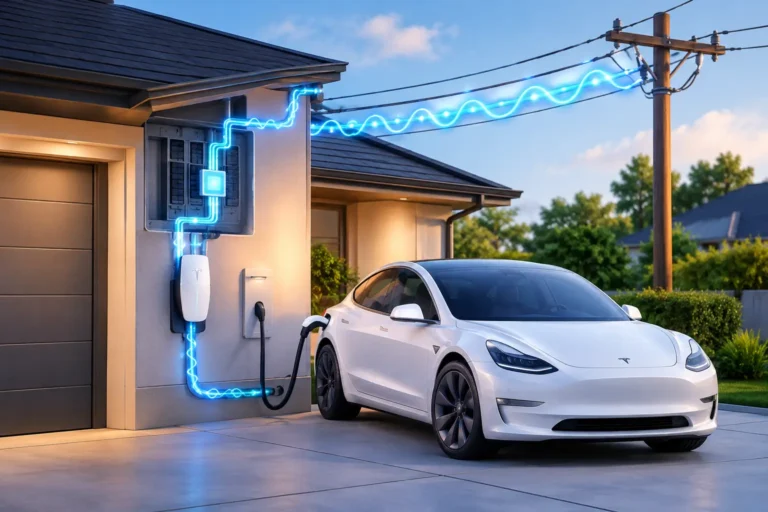
The onboard charger has a different job. It changes AC electricity from a home wallbox or public AC charge point into DC electricity that the battery can store. Rapid chargers usually perform the AC-to-DC conversion within the charger itself, then supply DC directly to the vehicle battery.
Why power conversion matters to your vehicle
Power conversion is central to efficiency, performance and reliable charging. It is also one reason modern electric and hybrid vehicles require properly trained technicians and suitable diagnostic equipment.
A fault in this area does not always mean the main battery has failed. A weak 12-volt battery, damaged charging cable, corroded connection, cooling issue or software fault can all affect the way high-voltage systems operate. Equally, a warning message that looks minor should not be ignored, especially if it is accompanied by reduced performance or a charging fault.
These components create heat while handling high electrical loads. Manufacturers therefore use cooling circuits, sensors and protective controls to prevent overheating. If a cooling pump, temperature sensor or coolant level issue affects the system, the vehicle may limit power or refuse to charge as a safety measure. That can feel alarming, but the restriction is designed to protect expensive components.
The exact layout depends on the vehicle. Some manufacturers package several functions into one integrated drive unit, while others use separate modules. Plug-in hybrids add further complexity because they combine a high-voltage system with an engine, fuel system and conventional gearbox components.
Signs that may point to a power conversion fault
A PCS-related issue can produce a range of symptoms, and none should be treated as a diagnosis on its own. The most useful starting point is to note when the problem occurs: while charging, on a cold morning, after a longer journey or only under hard acceleration.
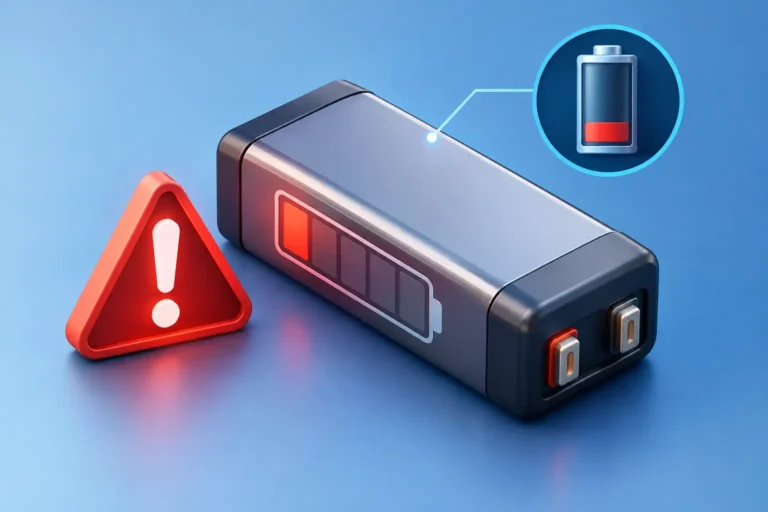
Common concerns include a warning message relating to the electric drive system, a refusal to charge, charging that stops unexpectedly, reduced power, intermittent starting problems or a sudden loss of 12-volt electrical functions. You may also notice that the vehicle will drive but displays a limited-performance mode.
Do not assume a charging issue is always inside the car. Check that the charge point is functioning, inspect the cable for visible damage and try another compatible charger if it is safe to do so. If the same problem happens repeatedly, or the vehicle displays a red warning light, arrange professional inspection rather than repeatedly attempting to charge it.
A burning smell, smoke, unusual heat around the charging port, visible cable damage or a warning telling you to stop safely are reasons to stop using the vehicle and seek assistance. High-voltage systems should never be opened, disconnected or tested at home.
How a garage diagnoses EV power electronics
Proper diagnosis starts well before replacing a part. A capable workshop will read fault codes from the relevant control modules, but fault codes are only one piece of the picture. Technicians also assess live data, battery voltages, insulation readings, charging behaviour, cooling-system operation and communication between electronic modules.
The 12-volt battery is particularly important. Even though it is much smaller than the traction battery, a low or failing 12-volt battery can create multiple warning messages and prevent high-voltage systems from switching on correctly. Testing it first can avoid unnecessary concern and expense.
If a charging concern is involved, the inspection may include the charging socket, locking mechanism, cable communication, onboard charger and the vehicle’s charging settings. Some faults are resolved through repairs to wiring or connectors, while others may require a software update or calibration. A failed inverter or onboard charger can be more substantial, so clear testing is essential before authorising work.
High-voltage vehicles also have safety interlocks. These are designed to isolate the battery if the car detects an impact, damaged cable, insulation problem or unsafe condition. A trained technician follows manufacturer-safe procedures to make the system safe before any repair work begins.
Looking after the system between services
There is no routine owner maintenance task for the high-voltage conversion equipment itself, but good habits can reduce avoidable problems. Use undamaged, suitable charging equipment; keep the charging flap and connector area clean and dry; and do not force a connector that will not lock into place.
Pay attention to cooling-system maintenance specified for your vehicle. Some EVs and hybrids use separate coolant circuits for the battery, motor and power electronics, and the wrong coolant or neglected maintenance can cause problems. A scheduled service should include checks appropriate to the vehicle’s make, model and age.
It is also sensible to act on software recalls and manufacturer updates. Software controls charging limits, thermal management, battery protection and energy delivery. An update will not repair a failed component, but it can correct known operating issues or improve system management.
For vehicles used mainly for short trips, do not overlook the 12-volt battery. It may be supported by the high-voltage battery, but it can still deteriorate with age. Early signs include slow system start-up, random warning messages or electrical settings that reset.
When to book professional help
Book diagnostics if an EV or hybrid warning remains after restarting, charging repeatedly fails, performance is restricted or you notice an electrical issue that is becoming more frequent. Prompt investigation can identify a straightforward cause before it leads to inconvenience or further faults.
At AutoNet VIP, hybrid and electric vehicle diagnostics are approached methodically, with clear explanations of the findings and recommended work. You should know what has been tested, what the fault means and what options are available before repairs go ahead.
A power conversion system is working hard every time an electric or hybrid vehicle moves or charges. If your car is giving you a warning, treating it early is the simplest way to protect reliability and keep your journeys on track.