You press the start button, the dashboard wakes up, and your electric or hybrid vehicle performs a sequence most drivers never notice. Before high voltage is allowed to reach the motor and inverter, the vehicle completes a process called precharge. It lasts only moments, but it plays an essential part in starting the car safely and protecting expensive electrical components.
For most drivers, precharge is not a maintenance item or something that needs regular attention. However, if a vehicle displays a high-voltage system warning, will not enter Ready mode, or intermittently refuses to start, a fault within the precharge circuit may be one possible cause. Understanding the basics can make warning messages less confusing and help you know when professional diagnostics are needed.
What is precharge in a hybrid or electric vehicle?
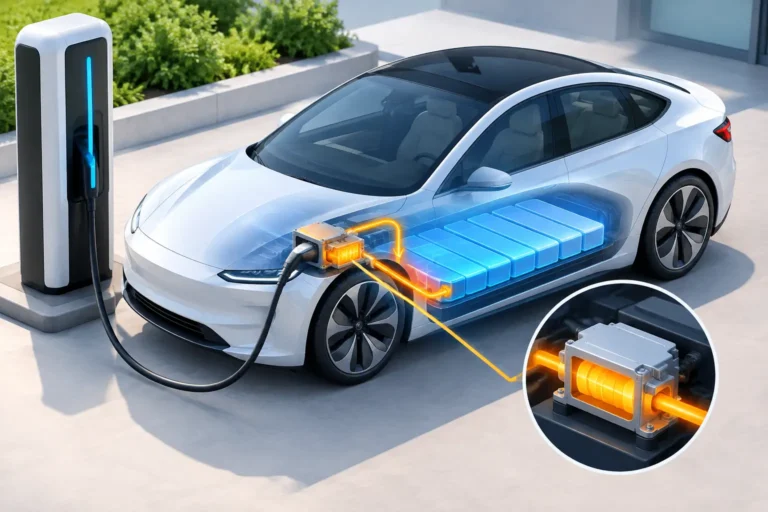
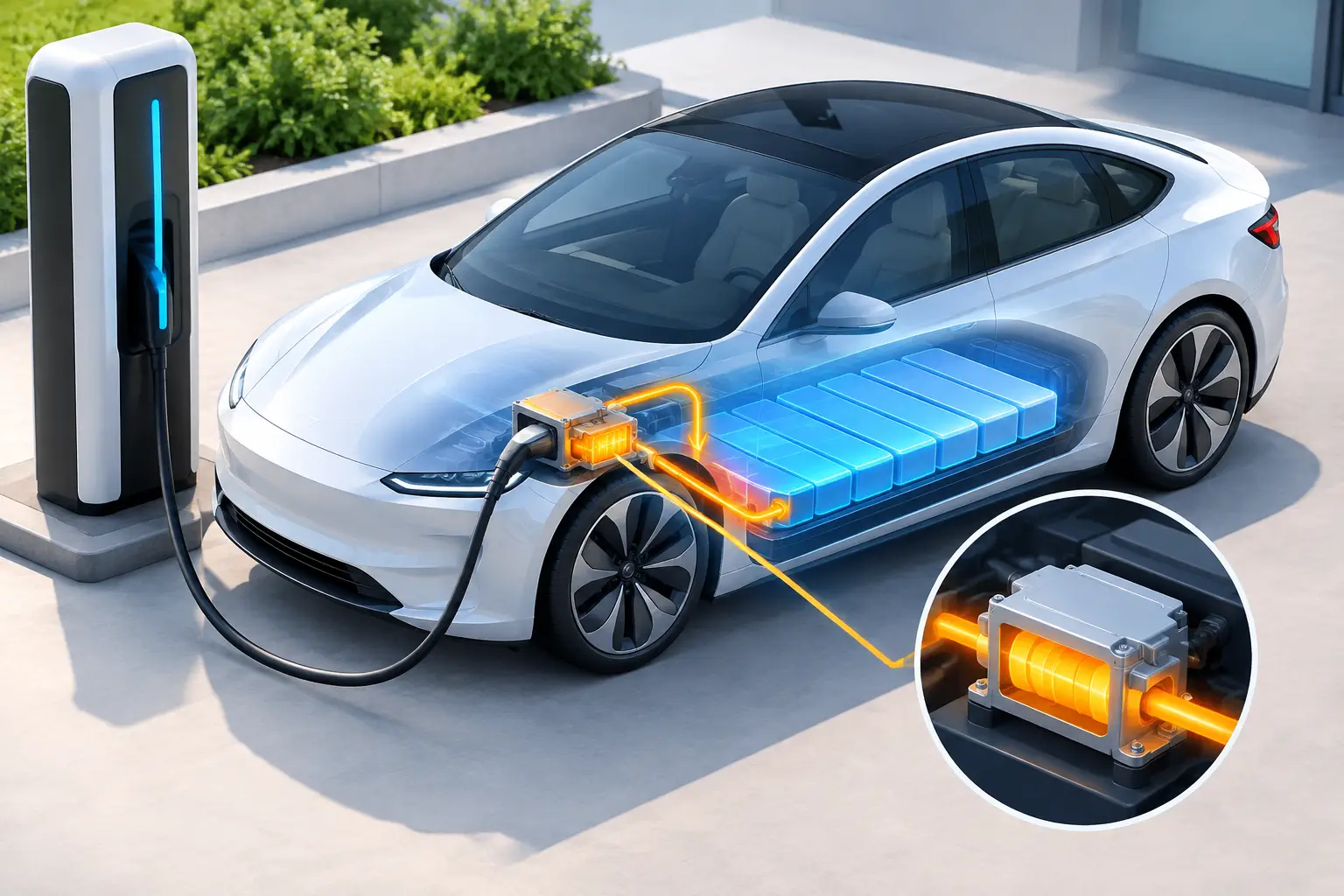
Precharge is a controlled start-up process for a vehicle’s high-voltage electrical system. Electric and hybrid vehicles use a large traction battery to supply power to equipment including the inverter, electric motor and, in some models, the air-conditioning compressor or heater.
Some of these components contain capacitors. A capacitor stores electrical energy and can draw a very large current if it is connected immediately to a high-voltage battery. Connecting full battery voltage in one instant could create an electrical surge, place unnecessary stress on contactors and potentially damage parts of the system.
The precharge circuit avoids that sudden rush of current. It introduces power gradually through a resistor before the main high-voltage contactors fully close. Once the system confirms that voltage has risen as expected, the vehicle can connect the battery normally and enter Ready mode.
Put simply, it is the vehicle’s careful way of switching on a powerful electrical system.
Why the precharge process matters
The precharge process is designed to protect the high-voltage components that allow an EV or hybrid to drive. These components are engineered for demanding conditions, but controlled start-up reduces stress each time the vehicle is used.
It also provides a useful safety check. The battery management system monitors how voltage builds during precharge. If the expected reading is not reached within a specified time, the vehicle may stop the start-up sequence. This prevents the system from operating when there may be a problem with wiring, a contactor, the inverter, insulation or another high-voltage component.
That does not mean every precharge-related message points to a major battery failure. A weak 12V battery, damaged connector, corroded connection or software issue can sometimes affect whether the process completes correctly. Proper diagnostics are needed before any repair decision is made.
What happens during precharge?
The exact design differs between manufacturers, but the principle is broadly similar. When you switch on the vehicle, the control system first checks that conditions are safe for the high-voltage system to operate. It then closes a precharge contactor, allowing current to pass through the precharge resistor.
This gradually raises the voltage in the inverter’s capacitors. The battery management system compares the battery voltage with the voltage measured on the other side of the contactors. When the values are close enough, the main contactors can close and the precharge contactor is opened or bypassed.
The complete process is normally quick and silent. Some vehicles make a faint click as contactors operate, which can be entirely normal. A repeated clicking sound, an inability to select drive, or a warning message should not be ignored.
The main parts involved
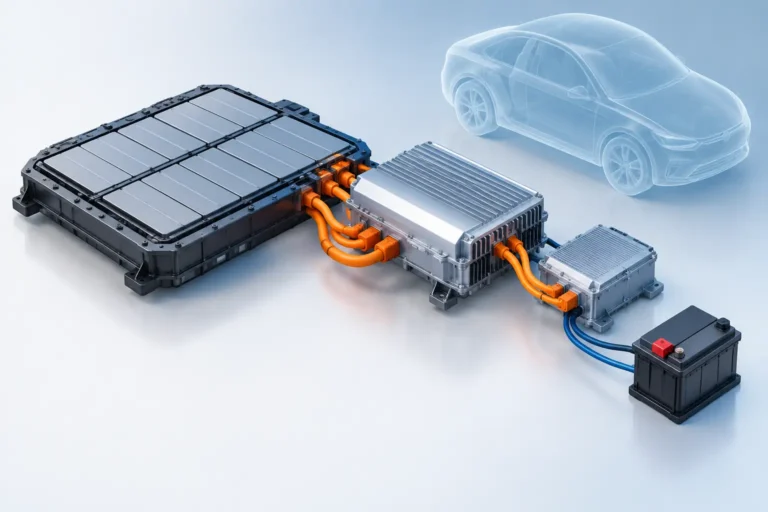
A typical precharge system includes the high-voltage traction battery, battery management system, contactors, a precharge resistor and high-voltage cabling. The inverter is commonly the component receiving the controlled voltage rise, although system layouts vary.
These parts work together closely. A fault code may identify a precharge issue, but the failed part is not automatically the resistor or contactor. Technicians need to assess live data, battery condition, wiring integrity and the vehicle manufacturer’s test procedures.
Signs of a possible precharge fault
A healthy vehicle will carry out precharge without any driver input. When it does not complete successfully, the symptoms can vary by make and model. You may notice a warning relating to the EV system, hybrid system, electrical system or high-voltage battery.
Other possible signs include the vehicle failing to enter Ready mode, refusing to start despite a charged traction battery, limited power, or an intermittent fault that clears after the car has been left for a while. In some cases, the vehicle may remain in Park and prevent drive selection as a protective measure.
These symptoms overlap with other faults, particularly a weak 12V battery. The 12V battery still powers control modules, relays and many conventional electrical functions in an EV or hybrid. If its voltage is low, the vehicle may behave unpredictably or fail to complete its normal start-up checks.
For that reason, it is sensible not to assume that a dashboard warning means the traction battery needs replacing. Equally, repeatedly attempting to start the vehicle is unlikely to solve an underlying issue.
Is precharge the same as charging the battery?
No. The similar wording can cause understandable confusion.
Charging adds energy to the traction battery from a charge point, home charger or regenerative braking. Precharge is an internal electrical process that happens when the vehicle prepares its high-voltage system for operation. It does not meaningfully charge the battery, and drivers do not need to activate it manually.
Some battery chargers also use the word precharge in a different context. A smart 12V battery charger may apply a low current to a deeply discharged battery before moving into its normal charging stages. That is separate from the high-voltage precharge circuit in an electric or hybrid vehicle.
What should you do if a warning appears?
Start by taking the warning seriously, but avoid jumping to conclusions. If the vehicle is safe to park and the manufacturer instructions allow it, switch it off, lock it and leave it for a short period before trying once more. A temporary control-module issue can occasionally reset, but a recurring warning still needs investigation.
Do not attempt to disconnect orange high-voltage cables, test high-voltage terminals or replace contactors at home. Electric and hybrid systems can retain dangerous voltage even after the vehicle has been switched off. Safe work requires appropriate training, insulated equipment and a defined isolation procedure.
If the car will not enter Ready mode, arrange recovery rather than trying to force it into drive. If it is still driveable but shows an electrical or hybrid-system warning, book a diagnostic assessment promptly and use the vehicle only if the manufacturer guidance says it is safe to do so.
At a properly equipped workshop, the diagnostic process should begin with a health check rather than assumptions. This may include reading fault codes and freeze-frame data, checking the 12V battery, inspecting relevant connections, reviewing battery and inverter data, and following the manufacturer’s test plan. The goal is to identify the cause, not simply clear the message.
Can routine servicing prevent precharge problems?
Not every precharge fault is preventable. Electronic components can fail with age, and wiring can be damaged by impact, water ingress or rodent activity. Nevertheless, regular servicing gives a technician the opportunity to identify concerns before they become more disruptive.
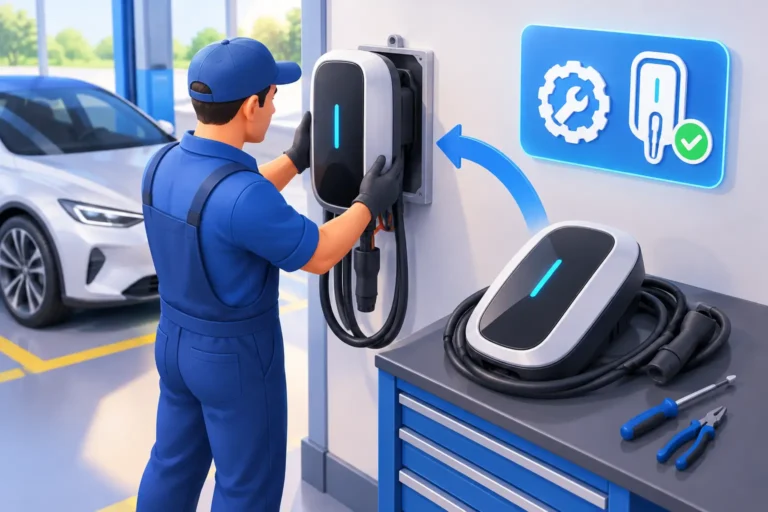
For hybrid and electric vehicles, this can include checking the 12V battery condition, looking for damaged undertrays or wiring, inspecting charging equipment where relevant and scanning for stored fault codes. Keeping software updates and manufacturer campaigns up to date may also be worthwhile for some models.
If your vehicle has suffered accident damage, flood exposure, significant corrosion or repeated 12V battery problems, mention this when booking. That background can help a technician investigate more efficiently.
Choosing the right workshop for EV diagnostics
A precharge-related fault sits within a high-voltage system, so experience matters. Look for a workshop that can diagnose hybrid and electric vehicles safely, explain findings in plain language and distinguish between a confirmed fault and a possible cause.
Ask what the diagnostic assessment involves and whether any recommended repair has been supported by test results. A clear explanation should cover what has failed, why it affects the vehicle, what work is required and whether there are alternatives. For drivers in Harlow and the surrounding area, AutoNet VIP can provide professional diagnostics and maintenance for hybrid and electric vehicles, with straightforward advice at every stage.
A precharge warning is rarely something to panic about, but it is not one to dismiss. Prompt, qualified assessment protects your vehicle, avoids guesswork and helps keep every journey dependable.