A replacement charging component is not always ready to use as soon as it is fitted. When a diagnostic instruction says to “adapt charger after replacement, perform ‘redeploy’ procedure via ‘service mode’”, it means the vehicle may need to identify, configure and validate the new unit before normal charging can resume. This is a controlled workshop procedure, not simply a matter of clearing a warning light.
For electric and plug-in hybrid vehicles, the charging system is closely linked to the high-voltage battery, battery management system and vehicle software. Getting the post-replacement process right helps prevent repeat fault messages, unreliable charging and unnecessary replacement parts.
What does adapting a charger after replacement mean?
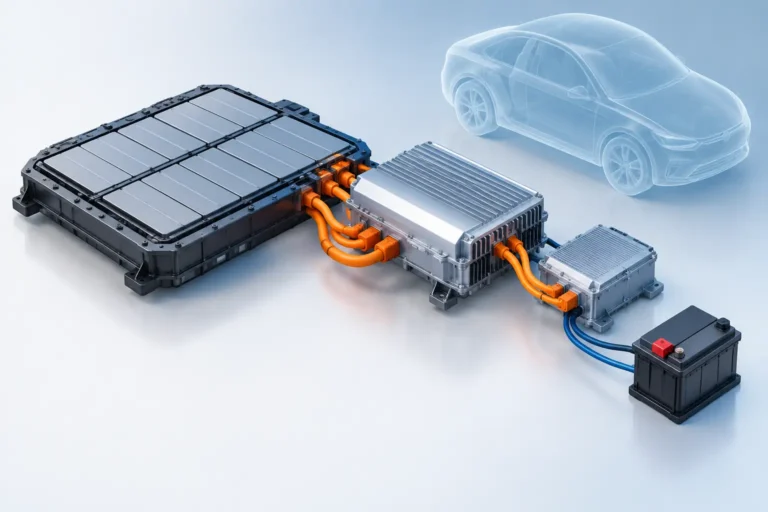
In this context, “charger” usually refers to the vehicle’s onboard charger or a related charging control module, rather than the wallbox or charging cable. The onboard charger converts AC power from a home, workplace or public charge point into the DC power the high-voltage battery requires.
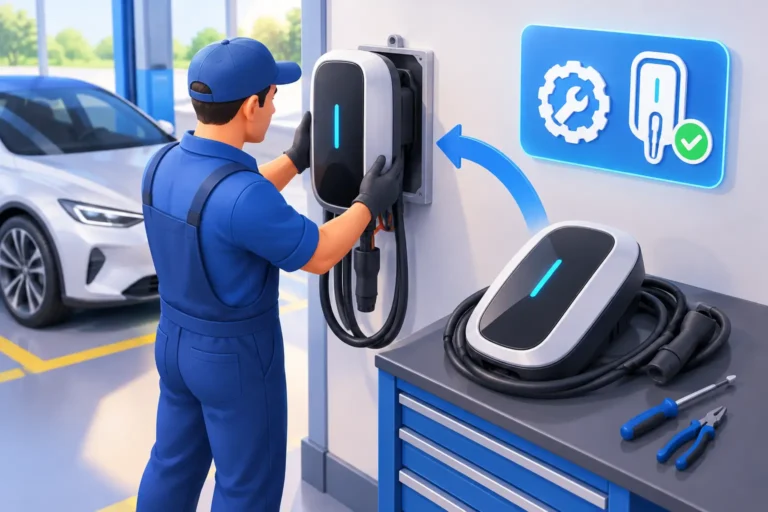
After replacement, many vehicles need the new component to be introduced to the rest of the car’s electronic systems. Depending on the manufacturer, this can involve entering part information, coding the module to the vehicle, resetting learned values, carrying out an adaptation routine or downloading the correct software configuration.
The wording varies widely between manufacturers and diagnostic systems. “Redeploy” is not a universal automotive term, but it commonly describes commissioning or activating a replacement module within the vehicle network. The exact process must be based on the manufacturer’s repair information for that specific make, model, battery system and software version.
Why service mode is used for the redeploy procedure
Service mode places the vehicle in a controlled state so that diagnostic equipment can communicate safely with the relevant systems. It may prevent the vehicle from entering normal drive or charging states while configuration work is being completed, and it can ensure the correct control units are awake and ready to communicate.
On high-voltage vehicles, safety is the first consideration. Before work begins, a trained technician will follow the vehicle-specific isolation process, verify that the high-voltage system is safe to work on and use suitable protective equipment. The replacement charger can then be fitted, connected and checked in line with the manufacturer’s procedure.
Once the physical repair is complete, service mode may allow the technician to perform the redeploy or adaptation sequence. A stable support power supply is often essential at this point. If the 12V battery voltage drops during coding or programming, the procedure can fail and may leave further modules unable to communicate.
The correct process depends on the vehicle
There is no safe one-size-fits-all sequence for adapting a charger after replacement. Some vehicles require online programming through approved diagnostic software. Others may use a guided test plan that automatically checks the charger’s identity, configuration and communication status. Certain systems require a battery management reset or a charging-system calibration after installation.
A professional repair normally follows a process like this:
- Confirm the original fault before replacing any component. A charging failure may be caused by the 12V battery, wiring, a fuse, the charge port, insulation monitoring, battery management or the charge point itself.
- Check the replacement part number and software compatibility. A visually similar charger is not necessarily suitable for the vehicle.
- Make the high-voltage system safe, complete the installation and inspect connectors, seals and wiring carefully.
- Connect approved diagnostic equipment with a stabilised 12V power supply, then enter service mode where required.
- Carry out the manufacturer-led coding, adaptation or redeploy routine, clear only relevant stored faults and run the specified functional checks.
- Test AC charging under suitable conditions and confirm that the vehicle reports the correct charge status without new warning messages.
That final test matters. A module can appear to communicate during a workshop scan but still fail when it is asked to charge at a realistic current. Where the manufacturer procedure calls for it, the technician may also check charging schedules, connector locking, thermal readings and communication between the charger and battery management system.
Why clearing faults alone is rarely enough
It can be tempting to replace a suspected charger, erase the fault codes and see whether the dashboard warning disappears. That approach can be misleading. Fault codes are evidence, not always the root cause, and deleting them does not configure a replacement module.
If the new charger has not been correctly adapted, the vehicle may reject it, restrict charging or log communication faults again after the next drive cycle. In some cases, charging may start but stop unexpectedly, charge at a reduced rate or fail only with certain charge points. These intermittent faults can be frustrating for drivers and time-consuming to trace if the commissioning procedure has been skipped.
There is also a cost consideration. Replacing high-voltage components without a full diagnosis can become expensive quickly. A careful assessment before fitting parts is often the best way to avoid changing a serviceable charger when the actual issue is a damaged connector, water ingress, low-voltage supply fault or an external charging problem.
Common issues that can look like a charger failure
A vehicle that will not charge does not automatically need an onboard charger. The condition of the 12V battery is particularly important, as modern electric vehicles rely on it to wake up control units and close high-voltage contactors. A weak 12V battery can create multiple warnings that point in the wrong direction.
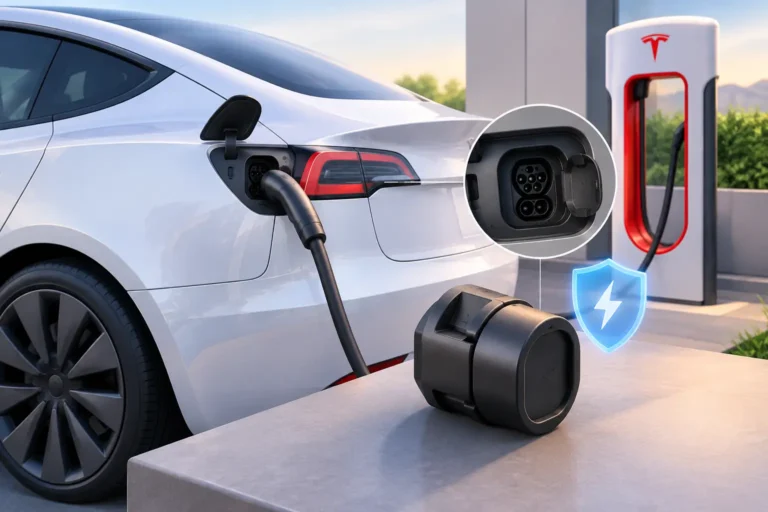
The charge cable and charge point should also be considered. A cable fault, poor connection, incompatible setting or issue with the wallbox can prevent charging even when the vehicle is healthy. Likewise, corrosion, damage or moisture around the vehicle’s charge port can interrupt communication before the onboard charger is involved.
Diagnostic testing should look at the complete system. This includes live data, stored fault information, power and earth supplies, network communication, insulation status and charging behaviour. The right repair follows the evidence rather than assumptions.
What to expect from a professional charging-system repair
A good repair process should be clear from the outset. You should be told what fault has been found, what tests support that diagnosis and whether replacement, repair or further investigation is recommended. If a new charging module is needed, the estimate should account for fitting, required software work and post-repair testing, not simply the cost of the part.
At AutoNet VIP, advanced diagnostics and high-voltage repair procedures are approached with the same focus on safety and transparency as any other vehicle repair. For drivers in Harlow and the surrounding area, that means clear advice before authorising work and practical checks to confirm the vehicle is charging correctly afterwards.
When to arrange a diagnostic inspection
Book an inspection if your EV or plug-in hybrid displays a charging-system warning, refuses to charge from known working charge points, charges inconsistently or has recently had a charger-related component replaced. It is also sensible to have the system checked if a fault returns soon after it has been cleared.
Avoid attempting high-voltage repairs or service-mode procedures at home. These systems contain potentially dangerous voltages, and incorrect programming can introduce new faults even where the physical installation is sound. A vehicle-specific diagnostic approach gives the replacement component the best chance of working properly and gives you confidence when you next plug in to charge.