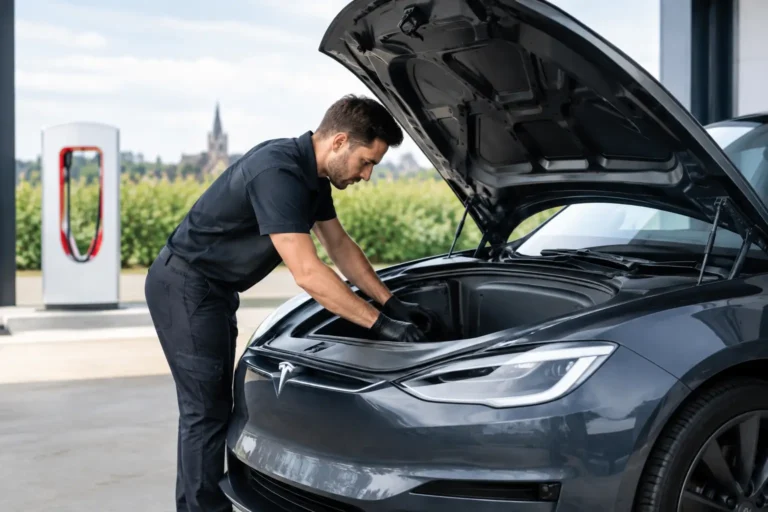
A service should make your car safer, more reliable and less likely to surprise you with a costly warning light next month. That is what affordable car servicing Harlow drivers should look for: not the lowest headline price at any cost, but careful maintenance, clear communication and work that genuinely protects the vehicle.
For commuters, families and business drivers, a car off the road is more than an inconvenience. It can mean missed work, rearranged school runs and plans put on hold. A properly planned service is one of the most practical ways to reduce that risk, while keeping costs predictable.
What affordable car servicing in Harlow should include
Affordability starts with knowing what you are paying for. A good garage will explain whether your vehicle needs an interim, full or manufacturer-scheduled service, then set out the checks, parts and fluids involved before work begins. There should be no pressure to approve work you do not understand.
An interim service is often suitable for drivers covering high mileage or using their car heavily between annual services. It generally focuses on the essentials, such as engine oil, oil filter, fluid levels, tyres, brakes and visible safety checks. A full service is more comprehensive, with additional inspections and replacement items according to the vehicle’s age, mileage and service schedule.
The right option depends on the car, how it is used and when it was last serviced. A low-mileage second car may not need exactly the same attention as a diesel commuter vehicle travelling long distances every week. Equally, low mileage does not remove the need for maintenance. Brake fluid, coolant condition, tyres, batteries and rubber components can all deteriorate with time.
Cheap servicing versus genuine value
A very low service price can be tempting, particularly when household costs are rising. However, the cheapest booking is not always the most affordable outcome. If the advertised price covers only an oil change and a quick look around the car, important maintenance may be missed or added later as unexpected extras.
Value comes from a garage taking the time to inspect the right areas, using suitable parts and oils, and discussing any findings in plain English. That does not mean every advisory must be repaired immediately. Some items need urgent attention because they affect safety or reliability; others can be monitored and budgeted for. The difference is honest advice about urgency, cost and consequences.
Before authorising a service, ask what is included, which parts are due for replacement, whether VAT is included in the quote, and whether the garage will contact you before carrying out additional work. These are straightforward questions, and a customer-focused workshop should answer them clearly.
The checks that help prevent bigger bills
Routine servicing is preventative maintenance. Its purpose is to spot wear while it is manageable rather than waiting for a breakdown or MOT failure. Oil and filters protect the engine from contamination. Brake inspections can reveal worn pads, discs or leaks before stopping distances are affected. Tyre checks identify uneven wear that may point to incorrect alignment or suspension wear.
A thorough service can also bring attention to issues that are easy to overlook in daily driving. These include a weakening battery, perished auxiliary belts, ageing wiper blades, low coolant strength and air conditioning that is no longer operating efficiently. None of these findings automatically requires an immediate repair, but knowing about them gives you control over the next step.
Modern vehicles also need electronic checks. Dashboard warning lights, fault codes and service resets should not be treated as a mystery. Accurate diagnostics help identify whether a fault is a sensor, wiring issue, battery-voltage problem or a mechanical component. Replacing parts without proper testing can turn a small problem into an expensive guessing game.
Servicing petrol, diesel, hybrid and electric cars
Not all vehicles are serviced in the same way. Petrol and diesel cars require attention to items such as oil, filters, emissions-related components and, where applicable, timing belts or chains. Diesel vehicles used mainly for short journeys may need particular care, as interrupted regeneration can contribute to diesel particulate filter problems.
Hybrid and electric vehicles have fewer conventional engine-service requirements, but they are not maintenance-free. Tyres, brakes, suspension, coolant systems, cabin filters and 12-volt batteries still need regular inspection. Regenerative braking can mean friction brakes are used less often, which may allow corrosion to build up if they are not checked and cleaned when needed.
High-voltage systems must be handled by trained technicians with suitable equipment and procedures. This is an area where choosing solely on price can be a false economy. Specialist knowledge supports both safety and accurate fault-finding, particularly when a warning message or charging issue appears.
How to keep your service costs under control
The most reliable way to avoid large repair bills is to deal with small concerns early. A new noise, vibration, warning light, change in steering feel or a sudden drop in fuel economy is worth checking before it develops into a breakdown. Drivers often worry that booking an inspection means committing to repairs. It should not. A clear diagnosis gives you information, then you decide how to proceed.
There are a few simple habits that also make a real difference between visits:
- Check tyre pressures regularly, including the spare where fitted, and look for cuts or uneven wear.
- Watch for warning lights and do not ignore changes in how the car starts, stops or steers.
- Keep to the service interval in the handbook, particularly if the vehicle is still within a manufacturer’s warranty period.
- Tell the technician about short journeys, towing, heavy loads or other demanding use, as these can affect the maintenance plan.
It is also worth keeping service invoices and records together. A documented history supports resale value, makes recurring faults easier to trace and shows that the car has been maintained responsibly. For vans and vehicles that support a business, this record can be especially useful when planning downtime and operating costs.
Clear advice makes the difference
A professional garage should make the process straightforward from booking to collection. You should know what the service is designed to cover, receive an explanation of any faults found, and be given a transparent price before additional work is started. Photos or a direct demonstration of worn parts can be helpful where appropriate, but the most important thing is being able to ask questions without being rushed.
At AutoNet VIP, servicing is approached as part of the vehicle’s wider care, not as a one-size-fits-all task. The workshop can support conventional vehicles as well as hybrid and electric models, combining practical mechanical checks with modern diagnostic capability. For drivers who value regular care, membership options can also make ongoing maintenance easier to plan through service reminders, priority booking and available benefits.
An MOT and a service are different, although arranging them together can be convenient. An MOT is a legal roadworthiness test on the day it is carried out. A service is maintenance based on the vehicle’s needs and manufacturer guidance. Passing an MOT does not necessarily mean the oil, filters, fluids or scheduled maintenance items are up to date.
Book before a minor issue becomes urgent
The best time to arrange a service is before the car forces the decision. If your service light is due, your MOT date is approaching, or something simply does not feel right, a planned visit gives you more choice and usually more control over cost.
Choose a garage that listens to how you use your vehicle, explains the findings without jargon and treats your budget with respect. That is how regular servicing becomes a sensible investment in safer journeys, dependable transport and fewer unwelcome surprises.