A warning light on the way to work, brakes that feel different at a busy junction, or an MOT date that has crept up can turn a normal week into a costly worry. For automotive car repair in Burnt Mill, Harlow, the priority should be simple: understand what is wrong, know what it will take to put right, and only approve work when the advice is clear.
A dependable garage does more than replace parts. It identifies the real cause of a fault, considers how you use your vehicle, and explains the sensible options. That matters whether you drive a family hatchback, a work van, a prestige car, or a hybrid or electric vehicle with more complex systems beneath the surface.
What good car repair should look like
Car problems are not always obvious. A noise may come from worn suspension components, a tyre issue, a brake binding, or even a loose heat shield. An engine management light may relate to a minor sensor reading, but it can also point to an issue affecting performance, emissions or reliability. Replacing the first part that appears on a fault code is rarely the best approach.
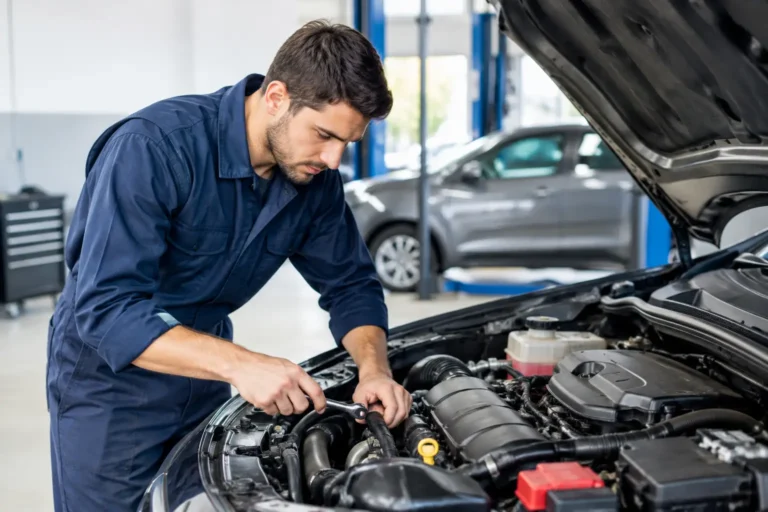
A professional repair process starts with inspection and diagnostics. The technician should gather the fault information, test the relevant systems and check the vehicle’s condition before recommending repairs. This takes a little more care than guessing, but it can prevent unnecessary expense and repeat visits.
You should also receive straightforward communication before work goes ahead. A clear estimate, an explanation of urgent safety work versus items that can be planned, and notice of any additional findings give you control over the decision. Fair pricing is not simply about choosing the cheapest figure. It is about knowing what is included, why the repair is needed and what standard of parts and workmanship you can expect.
Automotive car repair in Burnt Mill, Harlow for everyday faults
Most vehicles need a mixture of routine maintenance and occasional repair. Acting early often keeps a manageable job from becoming a larger one. For example, replacing brake pads before they wear through can help avoid damage to the discs. Resolving a coolant leak promptly can protect the engine from overheating. A worn tyre or poor wheel alignment can affect grip, fuel economy and tyre life long before it becomes an MOT issue.
Brakes, tyres and suspension
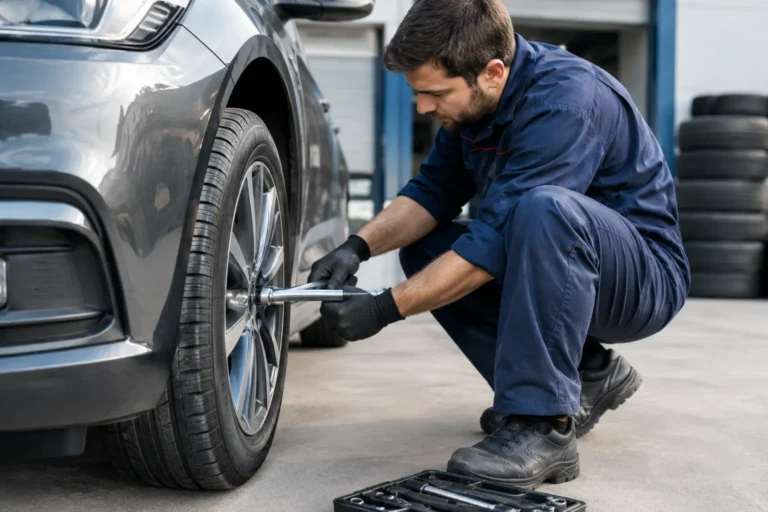
These systems have a direct effect on safety and comfort. Signs worth checking include vibration through the steering wheel, pulling under braking, squealing or grinding brakes, uneven tyre wear, a knocking sound over bumps, or a vehicle that feels unsettled through corners.
The right repair depends on the cause. A vibration may call for wheel balancing, alignment correction, tyre replacement or investigation of brake discs and suspension. There is no value in fitting parts until the source has been properly assessed. A good garage will explain the findings in plain English and make clear which work needs immediate attention.
Engine, gearbox and exhaust repairs
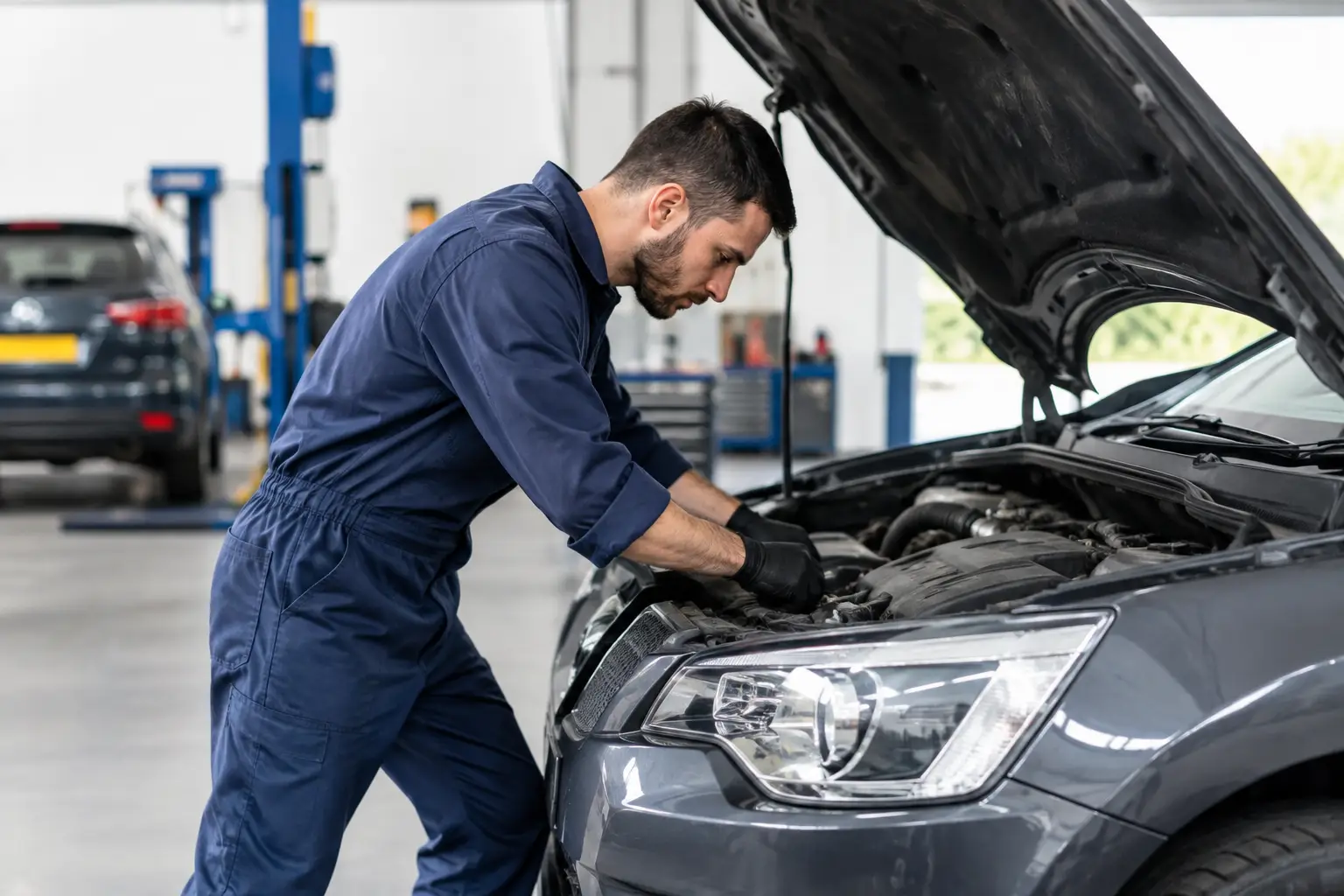
Loss of power, smoke, rough running, difficult starting and unusual noises should not be ignored. Modern engines rely on mechanical components, fuel delivery, sensors and electronic controls all working together. A diagnostic check can narrow the investigation, but physical testing and inspection are often necessary to reach an accurate answer.
Gearbox concerns deserve the same measured approach. Hesitation, slipping, harsh changes or fluid leaks can have several causes, particularly with automatic transmissions. Sometimes servicing or a targeted repair is appropriate; in other cases, a more involved repair may be required. The important point is to understand the condition of the unit and the available options before committing to major work.
Exhaust faults can be more than a noisy inconvenience. Leaks may affect emissions, fuel efficiency and MOT performance. A warning light connected to emissions equipment needs proper diagnosis, especially on diesel vehicles where systems such as the DPF and AdBlue components require specialist attention.
Electrical faults and warning lights
Cars now contain a large number of control modules, sensors and wiring circuits. Flat batteries, charging faults, parking sensor problems, central locking issues and dashboard warnings can all need diagnostic equipment as well as hands-on expertise.
A fault code is a useful starting point, not a final verdict. For instance, a code relating to a sensor may be caused by the sensor itself, damaged wiring, a connector issue or another fault affecting the reading. Testing before replacement is what separates a considered repair from a costly guess.
Petrol, diesel, hybrid and electric vehicle expertise
The vehicle on your drive may be more advanced than it appears. Hybrids combine a conventional engine with electric drive systems, while electric vehicles use high-voltage components that require trained handling and the correct workshop procedures. These vehicles still need tyres, brakes, suspension, air conditioning and routine checks, but their diagnostics and electrical systems call for appropriate knowledge and equipment.
Brakes on hybrid and electric cars can wear differently because regenerative braking reduces the use of conventional friction brakes. That does not mean they can be overlooked. In some cases, less frequent use can allow components to corrode or bind, particularly if the vehicle mainly covers shorter journeys. A thorough inspection is more useful than assuming lower wear means no maintenance is needed.
For any high-voltage or electronic fault, choose a workshop that can assess the vehicle safely and explain the work without unnecessary jargon. AutoNet VIP supports petrol, diesel, hybrid and electric vehicles, combining modern diagnostics with the practical repair knowledge every vehicle owner expects.
Repairs, servicing and MOTs work better together
An MOT checks whether a vehicle meets the required road-safety and environmental standards on the day of the test. It is not the same as a service. A service is planned maintenance based on mileage, age, manufacturer recommendations and the vehicle’s actual condition.
Keeping the two connected makes sense. An MOT advisory can highlight a component to monitor, while a service may identify wear before it develops into an MOT failure. If your car has failed its MOT, ask for the fail items to be explained clearly, along with any separate advisories. This helps you prioritise the required repair rather than feeling pressured into work you do not understand.
For busy drivers, booking routine maintenance before an MOT is due can reduce disruption. It also gives time to deal with wear items calmly, rather than discovering them when you need the car back quickly.
How to make the repair visit less stressful
Give the garage as much useful information as possible. Note when the problem happens, whether the engine is cold or warm, the speed you are travelling, any warning lights and any changes after rain, a long journey or recent work. A short video of an intermittent noise can be particularly helpful, provided it is safe to record.
Before authorising work, ask what has been found, whether the repair is urgent, what parts are being fitted and whether there are alternatives. There can be valid choices between original-equipment, premium aftermarket and budget parts, depending on the vehicle, the repair and your plans for ownership. The cheapest option is not automatically poor, and the most expensive option is not automatically necessary. Honest advice should match the solution to the job.
It is also sensible to address small issues while they are accessible during related work, but only where it genuinely saves labour or prevents a foreseeable problem. Ask for the reasoning. A garage that values long-term customer relationships will be happy to explain it.
Choose clarity before the car becomes urgent
The best time to arrange a check is often when the symptom first appears, not when the vehicle has stopped working or the MOT deadline is days away. Early diagnostics can protect your budget, your time and, most importantly, your confidence in the car.
If something feels different behind the wheel, trust that instinct. Book an inspection, describe the symptoms clearly and expect a straightforward answer. Good vehicle care should leave you knowing exactly where you stand and ready to drive away with confidence.