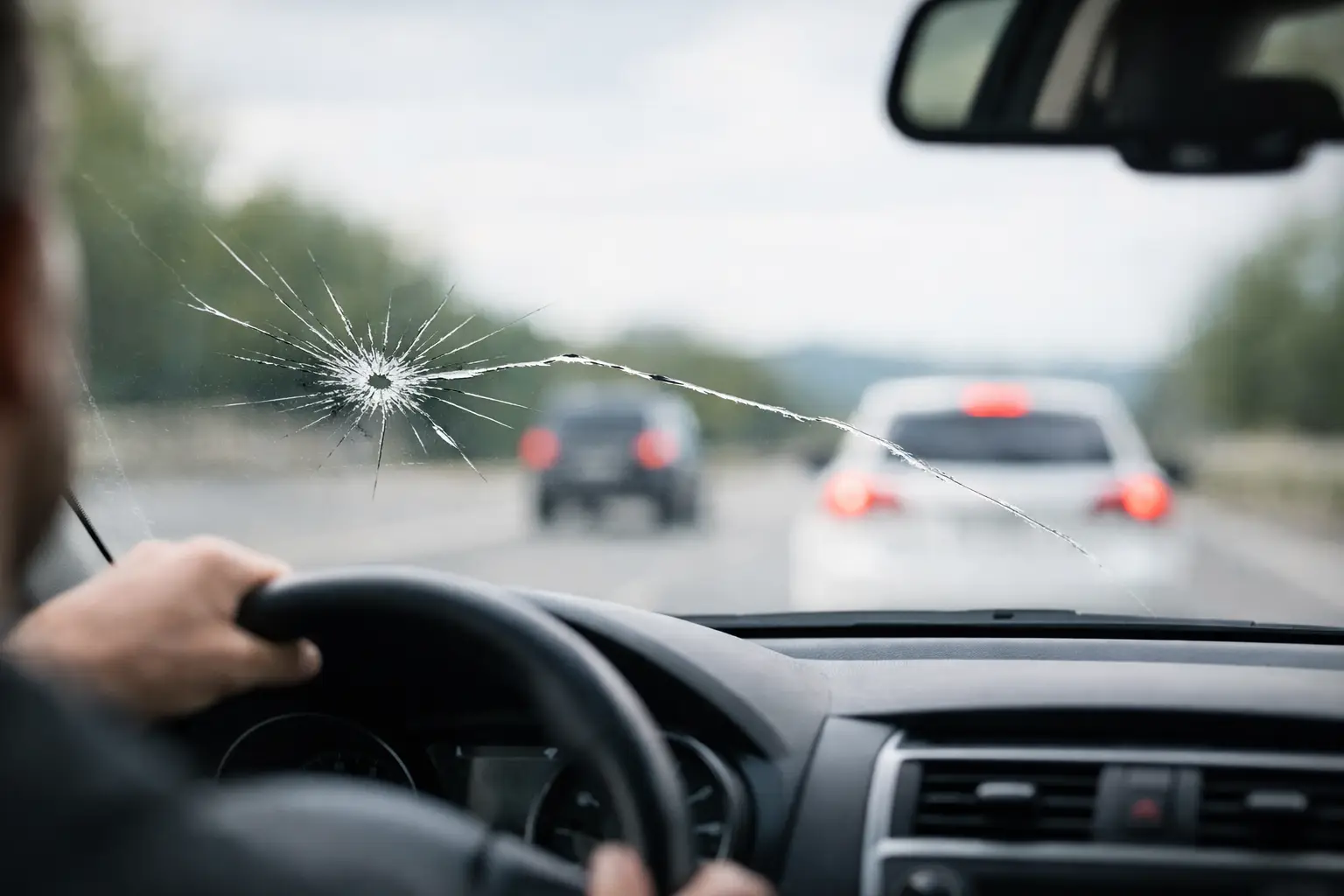
A crack can begin as a tiny mark from a loose stone and spread across the glass after one cold morning, a pothole or a sharp change in temperature. So, can you drive with a cracked windscreen? Sometimes you may be able to drive a short distance to arrange repairs, but it is not a fault to ignore. Whether it is safe and legal depends on the crack’s size, position and effect on your view of the road.
For drivers in Harlow, Essex and London, the practical answer is simple: if the damage is in your line of sight, is growing, or leaves the glass weakened, have it assessed as soon as possible. A windscreen is not just there to keep out rain. It is a structural part of the vehicle and plays an important role in visibility, roof strength and airbag performance.
Can you drive with a cracked windscreen in the UK?
There is no single rule that says every crack makes a car instantly illegal to drive. However, the law requires drivers to have a clear view of the road, and the vehicle must be maintained in a safe condition. A crack that obstructs your vision, causes glare from headlights or sunlight, or creates a risk of the screen failing can make the vehicle unsafe.
The key issue is not simply whether you can still see around the crack. A fracture can distort what you see through the glass, particularly in rain or low winter sun. At night, oncoming headlights can catch the damaged area and create distracting reflections. If you need to lean, move your head or look around the crack to see clearly, the screen needs attention before normal driving continues.
A damaged windscreen may also be examined if you are stopped by the police. Depending on the condition of the vehicle and how it affects safety, driving with defective glass can lead to enforcement action. It is far better to deal with the damage promptly than take a chance with road safety, your MOT or your insurance claim.
When a cracked windscreen is likely to fail an MOT
MOT testers inspect the windscreen for damage in the area swept by the wipers. The strictest assessment applies to the central area directly in front of the driver, often called Zone A. This is a vertical strip 290mm wide, centred on the steering wheel.
Damage in Zone A is normally a reason for MOT failure if it is more than 10mm across. In the rest of the swept area, damage larger than 40mm can also result in a failure. These measurements apply to the whole damaged area, not merely the narrowest point of a crack or chip.
That said, an MOT pass is not a reason to delay a repair. A crack may be below the relevant size limit on the day of the test but lengthen quickly. Equally, a smaller defect can still be dangerous if it sits directly in your eyeline or interferes with cameras and sensors. An MOT confirms that a vehicle met the required standard at the time of testing; it does not make worsening glass safe for the months that follow.
Why cracks spread more quickly than expected
Windscreen glass is made from two layers of glass bonded around a plastic interlayer. This design helps it remain in place in an impact, but it does not stop an existing crack from travelling. Once the outer layer is damaged, normal vehicle use can place pressure on the affected area.
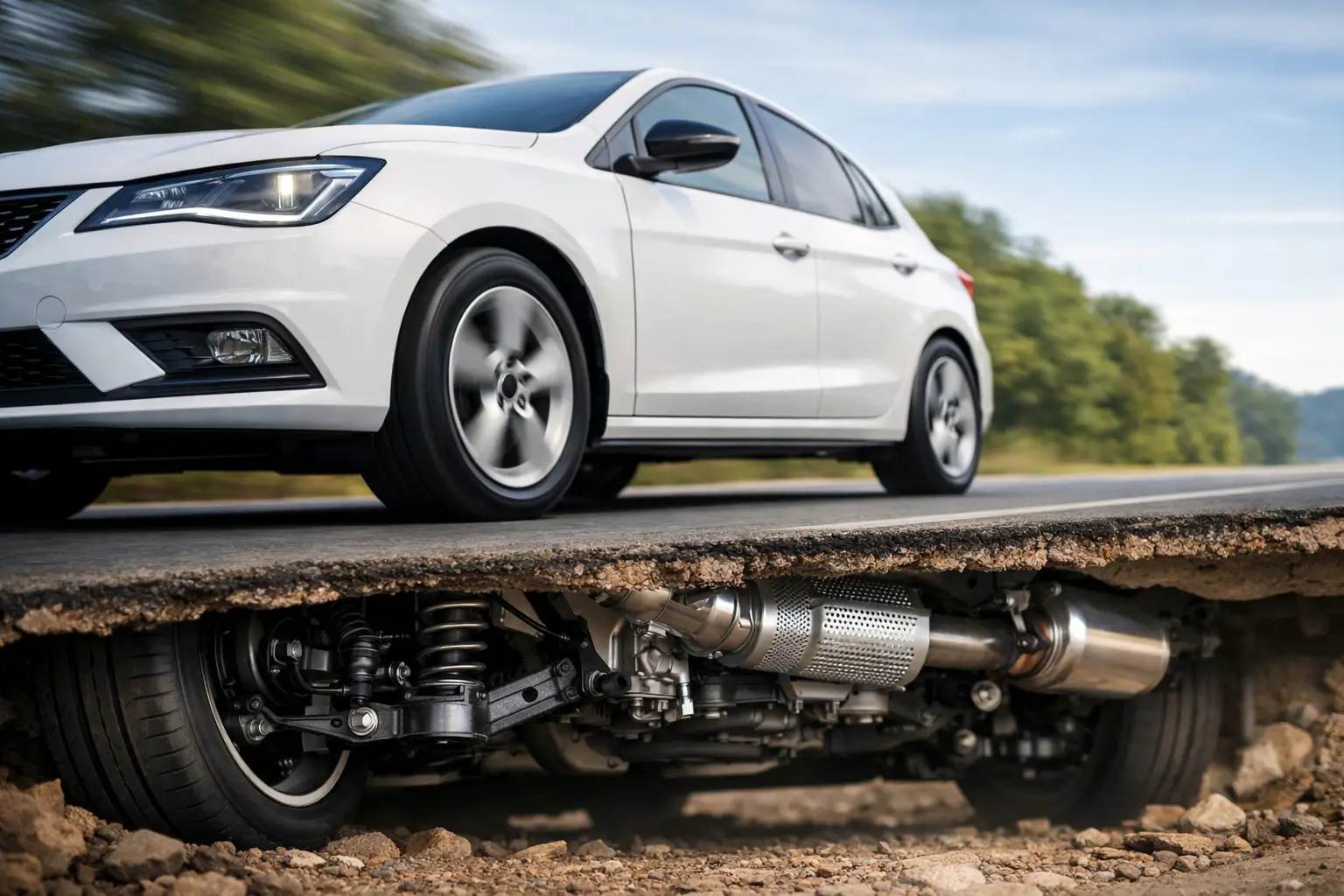
Temperature changes are a common trigger. Blasting a cold screen with hot air, parking in direct sunshine, or using very cold water on a warm windscreen can cause the glass to expand or contract unevenly. Road vibration, speed bumps and potholes can have the same effect. Even shutting a door firmly can sometimes be enough to extend an already stressed crack.
Avoid trying to heat, cool or clean the damaged area aggressively. Do not pour hot water over a frozen windscreen, and do not press adhesive tape tightly into the crack. Keeping the area dry and clean may help prevent dirt entering a small chip, but it is not a substitute for a professional inspection.
Repair or replacement: what does your car need?
Small chips can often be repaired if they are dealt with early. A technician injects specialist resin into suitable damage, then cures and polishes it to restore strength and improve clarity. A successful repair is generally quicker and less costly than fitting a new screen, although a faint mark may remain visible.
A replacement is usually the safer option where a crack is long, reaches the edge of the glass, has spread from a previous repair, or sits in the driver’s direct viewing area. Damage near the windscreen edge matters because that is where the glass is under significant stress and where a crack is more likely to spread.
Modern vehicles need extra care. Many cars, including hybrids and electric vehicles, have forward-facing cameras or sensors mounted behind the windscreen to support features such as lane assistance, automatic emergency braking and traffic-sign recognition. If the screen is replaced, those systems may require recalibration. Fitting glass without completing the required calibration can leave driver-assistance functions inaccurate or unavailable.
A proper assessment should therefore consider more than the visible crack. The technician should identify the location and type of damage, check for sensor equipment, and explain whether repair is realistic or replacement is the dependable choice. Clear advice before work begins helps you make the decision with confidence.
Is it safe to drive to a garage with a cracked windscreen?
It depends on the damage. A small chip away from your viewing area may allow a cautious, short journey to a garage or windscreen specialist. Keep the trip necessary and avoid high speeds, poor roads and major temperature changes where possible.
Do not drive the vehicle if the crack crosses your line of sight, is spreading rapidly, reaches across a large section of the screen, or has left loose glass or severe distortion. The same applies if you cannot operate the wipers effectively or your view is compromised in rain. Arrange recovery or ask the repairer about the safest next step instead.
Before setting off, check whether the crack has changed since you last drove. Look at it from inside the car as well as outside, because glare and distortion are often more obvious from the driver’s seat. If there is any doubt about whether you have a clear view, treat it as a safety issue rather than a minor cosmetic defect.
What to do as soon as you notice windscreen damage
Take a clear photograph of the crack and note when it appeared. This is useful if you need to speak to an insurer and helps you see whether the damage is growing. Then book an inspection promptly, particularly if an MOT is approaching or the weather is likely to be very hot or cold.
Check your motor insurance policy before authorising work, as windscreen cover often has a separate excess and may be handled differently from a standard accident claim. Do not let cover arrangements delay a safety decision, though. A repair that is possible today may become a full replacement after a few days of vibration and changing temperatures.
At AutoNet VIP, we believe car repair advice should be straightforward: you should know what has been found, why it matters and what work is genuinely required. If you are unsure whether your cracked windscreen can wait, having it checked early is the calmest and usually most cost-effective next move.