AutoNet VIP

5 Simple Catalytic Converter Issue Checks Before MOT

mechanic-checking-Catalytic-Converter

Right, let’s get straight into it. You’ve got your MOT coming up, and that little warning light on your dashboard has been giving you grief for the past fortnight. Or maybe you’ve noticed your car sounds like a bag of spanners when you start it up in the morning. Trust me, as mechanics here in Harlow, we see this every single day – and nine times out of ten, it’s your catalytic converter having a proper mare. Last year alone, the DVSA reported that emissions failures accounted for nearly 1.4 million MOT failures across the UK in 2024-2025. Here in Essex, our local testing stations saw a 23% increase in cat converter-related failures compared to 2023. That’s not just numbers on a spreadsheet – that’s thousands of drivers who could’ve sorted these issues before they even got to the test centre. Look, I get it. The mere mention of catalytic converter problems sends most people into a panic, imagining four-figure repair bills and being without their motor for weeks. But here’s the thing – and this is what we tell every customer who walks through our doors at AutoNet VIP – Car Repairs, MOTs & Electric & Hybrid Specialists in Harlow – most catalytic converter issues give you plenty of warning signs. And if you catch them early? You’re often looking at a fix that won’t break the bank. Understanding What Your Catalytic Converter Actually Does (And Why It Matters) Before we dive into the checks, you need to understand what this component actually does. Your catalytic converter isn’t just some random bit of metal hanging under your car – it’s the reason your vehicle meets UK emissions standards. Inside that unassuming metal casing, there’s a honeycomb structure coated with precious metals (platinum, palladium, and rhodium, if you’re wondering) that converts harmful gases from your engine into less harmful ones. When it’s working properly, it transforms carbon monoxide into carbon dioxide, nitrogen oxides into nitrogen and oxygen, and unburned hydrocarbons into carbon dioxide and water. Clever bit of kit, really. But when it starts failing? Your emissions skyrocket, your engine loses power, and your MOT certificate might as well be a piece of scrap paper. The DVSA’s emissions limits for petrol cars registered after 2008 are strict: 0.3% for carbon monoxide and 200ppm for hydrocarbons. Diesel vehicles face equally tight limits on smoke opacity. A dodgy cat converter will have you sailing past these limits faster than you can say “MOT failure.” Check Number One: The Dashboard Warning Light (And Why You Shouldn’t Ignore It) That engine management light isn’t just there for decoration. When it illuminates on your dashboard, your car’s ECU (Engine Control Unit) has detected something’s not right. Now, could it be a dozen different things? Absolutely. But catalytic converter efficiency codes (P0420 and P0430, for the technically minded) are among the most common triggers we see here in Harlow. Here’s what you need to do: don’t just hope it’ll go away. We had a customer last month – lovely bloke from Old Harlow – who’d been driving around with his engine light on for three months. “Thought it was just a glitch,” he told us. By the time he brought it in, his cat converter was completely clogged, and what could’ve been a sensor replacement turned into a full converter replacement. Cost him an extra £600. Get yourself to somewhere with a diagnostic scanner. Most decent garages (including AutoNet VIP) will run a diagnostic check for a reasonable fee – usually around £30-50 in Essex. This tells you exactly what codes are stored and whether your catalytic converter is the culprit. According to data from Essex County Council’s vehicle emissions testing programme in 2025, vehicles with active engine management lights were 67% more likely to fail their MOT on emissions grounds. The diagnostic report will show you whether your oxygen sensors (which monitor the cat’s efficiency) are reading correctly and whether the converter itself is functioning within parameters. Don’t skip this check. It’s like going to the doctor when you’ve got a persistent cough – ignoring it won’t make it better. Check Number Two: The Rattle Test (Listen to What Your Car’s Telling You) This one’s dead simple, and you don’t need any fancy equipment. Start your engine when it’s cold – preferably first thing in the morning before you’ve driven anywhere. Stand near your car and listen carefully underneath. Do you hear a rattling noise that sounds like loose gravel in a tin can? That’s your catalytic converter telling you it’s knackered. What’s happening inside is the honeycomb structure has broken apart. Those ceramic substrates we mentioned earlier? They’ve degraded, cracked, or simply collapsed due to heat stress, physical damage, or age. The average lifespan of a catalytic converter in UK driving conditions is around 80,000-100,000 miles, but Essex roads – with their potholes and speed bumps – can accelerate wear and tear significantly. Now, try revving the engine gently while someone listens underneath (safety first – make sure they’re well clear of the exhaust). If the rattling intensifies, you’ve got loose substrate material bouncing around in there. This isn’t just annoying; those loose bits can block exhaust flow, causing back pressure that damages your engine. A transport study conducted across Hertfordshire and Essex in early 2025 found that nearly 18% of vehicles over seven years old had some degree of internal catalytic converter damage. That’s almost one in five cars on our roads. The rattling is your early warning system – by the time it’s loud enough to hear from inside the cabin, you’re already looking at significant damage. We’ve sorted loads of these at our Harlow workshop. Sometimes it’s repairable if caught early; other times, you’re looking at a replacement. But knowing about it before your MOT gives you options. You can shop around for prices, consider aftermarket alternatives, or even look at reconditioned units if budget’s tight. Check Number Three: The Physical Inspection (Get Down and Dirty) You don’t need to

4 Common Causes of Alternator Audi A3s Failure

Alternator-Audi-A3s-Failure-cover-image-with-car-alternator

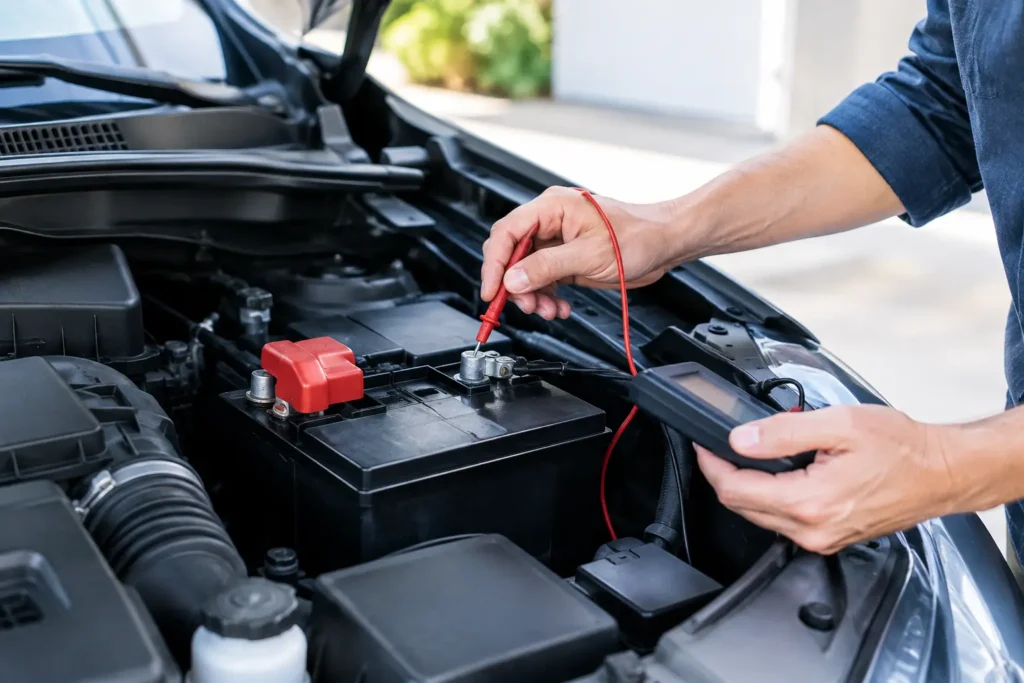
Your Audi A3 has been brilliant, hasn’t it? Reliable morning commutes down the A414 into Harlow, weekend trips to Epping Forest, never missing a beat. Then one Tuesday morning, the battery warning light flickers on. You tell yourself it’s probably nothing – maybe just needs a new battery from Halfords. But deep down, you know it feels different this time. By Thursday, your car’s struggling to start. The electrics are playing up, the radio cuts out mid-song, and now you’re genuinely worried about getting stranded in the Tesco car park at The Harvey Centre. Sound familiar? You’re dealing with what hundreds of Essex drivers faced last year – alternator failure in your Audi A3. According to 2025 MOT data from testing centres across Essex, electrical faults were responsible for over 22,000 failures, with alternator issues being one of the primary culprits. At AutoNet VIP – Car Repairs, MOTs & Electric & Hybrid Specialists in Harlow, we’ve diagnosed and repaired more Alternator Audi A3s problems in the past twelve months than almost any other single issue. The reality is, these failures don’t just happen overnight, and they’re rarely down to simple bad luck. Understanding What Your Alternator Actually Does Before we get into the nitty-gritty of why alternators fail, let’s clear up what this component actually does. Your alternator is essentially your car’s power station whilst the engine’s running. It converts mechanical energy from your engine into electrical energy, charging your battery and powering everything from your headlights to your heated seats. When it packs in, your car runs purely off battery power – which lasts about 30 minutes if you’re lucky, less if you’ve got the heater blasting on a cold Harlow morning. Your Audi A3, whether it’s the 8P model from 2003-2012, the 8V from 2012-2020, or the newer 8Y series, relies heavily on a functioning alternator. Modern Audis are packed with electronics – from the MMI infotainment system to multiple control modules – all drawing power constantly. When the alternator fails, it’s not just inconvenient; it can leave you properly stranded. Cause #1: Worn Out Bearings – The Silent Killer Here’s what happens: You might notice a faint whining noise when you’re idling at traffic lights on Fourth Avenue or waiting at the roundabout near Harlow Town station. Maybe it’s a grinding sound that gets louder when you rev the engine. Most drivers ignore it, assuming it’s just an ageing car making age-appropriate noises. That’s the problem right there. The bearings inside your Alternator Audi A3s are under constant stress. They’re spinning at thousands of RPM every single time you drive and over time – typically around 80,000 to 120,000 miles – they begin to wear down. Once they start to fail, the rotor inside your alternator can’t spin smoothly, which creates friction, heat, and eventually, complete failure. Throughout 2025, we saw a pattern at our Harlow workshop. Drivers would bring in their A3s complaining about odd noises, and nine times out of ten, it was worn bearings in the alternator. According to industry data from the Independent Garage Association, bearing failure accounts for approximately 35% of all alternator replacements in vehicles aged five years or older. Look, we get it. You bought an Audi because you wanted quality and reliability. You’ve kept up with services, changed the oil, replaced tyres when needed. The last thing you expected was for a component you’ve barely heard of to cause this much hassle. You might be thinking, “Why didn’t anyone warn me about this?” The truth is, alternator bearings wear gradually, and unless you’re specifically listening for the warning signs, they’re easy to miss. What You Need to Know Catching bearing wear early is absolutely possible. During your routine service or MOT at AutoNet VIP, our technicians specifically check for unusual noises from the alternator. We’ll ask you to describe any sounds you’ve noticed, no matter how minor they seem. A quick diagnostic check can identify bearing issues before they escalate into complete failure. If bearings are on their way out, replacement is the only proper solution. Depending on your A3’s age and model, we might recommend a full alternator replacement rather than just replacing bearings, as labour costs for dismantling and rebuilding often exceed the price of a quality remanufactured unit. Once sorted, the difference is immediate. That irritating whine disappears. Your charging system operates smoothly again. More importantly, you’ve prevented a roadside breakdown that could’ve left you ringing the AA whilst parked on the hard shoulder of the M25. Regular inspections – particularly on higher-mileage Audi A3s – become essential. Every 12 months or 12,000 miles, have a technician check the alternator’s condition. It takes five minutes and could save you hundreds in emergency repairs. One of our Harlow customers, who commutes daily to Stansted Airport, avoided what could’ve been a nightmare scenario – breaking down on the way to catch a flight – simply because we caught bearing wear during a routine service in March 2025. Cause #2: Damaged Voltage Regulator – The Electrical Chaos Creator Picture this: Your battery’s brand new. You’ve just had it fitted at considerable expense. Two weeks later, it’s completely dead again. You’re frustrated, confused, and probably wondering if you’ve been sold a dud battery. The actual culprit? A faulty voltage regulator in your Alternator Audi A3s. The voltage regulator’s job is to maintain a consistent charge to your battery – typically between 13.5 and 14.5 volts. When it fails, one of two things happens: it either overcharges your battery (cooking it and potentially damaging other electrical components) or undercharges it (leaving you with a flat battery and an unreliable car). According to technical data from Bosch, one of the leading alternator manufacturers for Audi vehicles, voltage regulator failures increased by 17% across the UK in 2025, particularly in vehicles experiencing frequent short journeys. Essex, with its high proportion of commuter traffic, saw this reflected in workshop reports throughout the county. You’ve already spent money on a new battery. Now someone’s

8 Reasons Why Alternator Repair Can Save You Money Today

alternator-repair-technician-holding-a-car-alternator

There’s a particular kind of dread that comes with a car that won’t start on a Tuesday morning. You turn the key, hear a sluggish crank or nothing at all, and your stomach drops. The battery gets the blame first – it usually does. But if your battery is relatively new and this keeps happening, the alternator is almost certainly the real culprit. And the longer it goes unaddressed, the more damage it quietly does to your wallet. At AutoNet VIP in Harlow, we see this pattern regularly. Drivers come in having already replaced their battery once or twice, sometimes spent money on a rescue callout, and occasionally damaged other electrical components – all because the root cause, a failing alternator, was never properly diagnosed. The good news is that alternator repair, done promptly and correctly, is one of the most cost-effective fixes you can make to a modern vehicle. Here are eight solid reasons why sorting your alternator sooner rather than later will keep more money in your pocket. What Does an Alternator Actually Do? Before we get into the reasons, a quick explanation is worth having. Your alternator is a generator driven by the engine’s serpentine belt. Its job is to convert mechanical energy into electrical energy, which powers everything in your vehicle – lights, infotainment, heating, safety systems – while simultaneously recharging the battery as you drive. When it starts to fail, it doesn’t always give you an obvious warning. You might notice dimming headlights, a battery warning light on the dashboard, intermittent electrical gremlins, or a faint whining noise from under the bonnet. These are your cues to act. Reason 1: You Avoid Repeatedly Replacing a Perfectly Good Battery This is perhaps the most common and frustrating money drain. A flat battery gets replaced. A week later, it’s flat again. Another replacement. More callouts. More cost. If your alternator isn’t charging the battery correctly – either undercharging it or sending erratic voltage spikes – no battery will last, regardless of its quality or cost. According to data from the RAC and AA, battery-related callouts remain among the top reasons for roadside assistance in the UK. A significant proportion of these involve an underlying charging system fault. Addressing alternator repair directly stops this cycle. One repair versus two, three, or four battery replacements is a straightforward financial calculation. Reason 2: Alternator Repair Is Considerably Cheaper Than Full Alternator Replacement Many drivers assume that once an alternator is struggling, it needs to be replaced entirely. That’s not always the case. In a good number of faults, the problem lies with a specific worn component – the voltage regulator, the rectifier, the brushes, or the slip rings – rather than the whole unit. A skilled mechanic can diagnose precisely where the fault lies and, where appropriate, carry out a targeted repair that costs significantly less than sourcing and fitting a brand-new or remanufactured alternator. At AutoNet VIP, our approach is always to explore the most cost-effective and appropriate solution rather than defaulting to the most expensive one. Reason 3: You Protect Your Car’s Wider Electrical System Modern vehicles – and this applies particularly to the hybrid and electric cars we service here in Harlow – rely on clean, stable electrical output. An alternator that’s producing inconsistent voltage doesn’t just affect the battery. It can stress and shorten the lifespan of your ECU (engine control unit), your onboard charging modules, your infotainment system, and sensitive sensors throughout the vehicle. In 2025, the Society of Motor Manufacturers and Traders (SMMT) reported that hybrid and electric vehicles now account for a growing share of new registrations across the South East of England. These vehicles are particularly sensitive to electrical system irregularities. Protecting the alternator means protecting significantly more expensive components downstream. Reason 4: You Prevent a Breakdown at the Worst Possible Moment A failing alternator rarely gives up all at once. It tends to deteriorate gradually, and then fail at an inconvenient moment – on the A414 heading into Harlow town centre, on the M11 during the morning commute, or on a dark evening in winter when you need your headlights most. Roadside breakdown callouts are not cheap. The AA and RAC both publish data suggesting that average call-out fees for non-members can run to well over £100, and that’s before any repair or recovery work is factored in. For members, costs are lower but repeated callouts affect renewal premiums. Getting alternator repair handled at a local garage before you break down is almost always cheaper, faster and far less stressful than dealing with an emergency on the roadside. Reason 5: Alternator Problems Affect Fuel Efficiency This one surprises most drivers. When an alternator is struggling or failing, the engine has to work harder to compensate for the electrical load. In petrol and diesel vehicles, this increased demand translates directly into higher fuel consumption. With fuel prices in the UK remaining significantly elevated compared to pre-2022 levels – the RAC’s fuel watch data from 2025 consistently showed average petrol prices hovering well above 140p per litre – any unnecessary drag on fuel economy adds up over time. Keeping your charging system in good health is a small but genuine contribution to running costs. Reason 6: It Keeps Your Safety Systems Functioning Properly This is where we move beyond money and into something more important: your safety and the safety of others on the road. Your ABS, traction control, power steering assistance (on electric power steering systems), and emergency braking systems all rely on stable electrical power. A degraded alternator that can’t maintain proper voltage can cause these systems to behave erratically or trigger warning lights that make it difficult to know whether a fault is genuine or electrical noise. In Essex and Hertfordshire, where many roads include faster A-roads and busy commuter routes, having fully functional safety systems isn’t a luxury – it’s essential. Addressing alternator repair promptly means you’re not inadvertently compromising the systems designed to keep you safe. Reason

MOT Test Class 7 Made Easy: Pass with Great Confidence

MOT-Test-Class-7-Made-Easy-Pass-with-Great-Confidence-banner

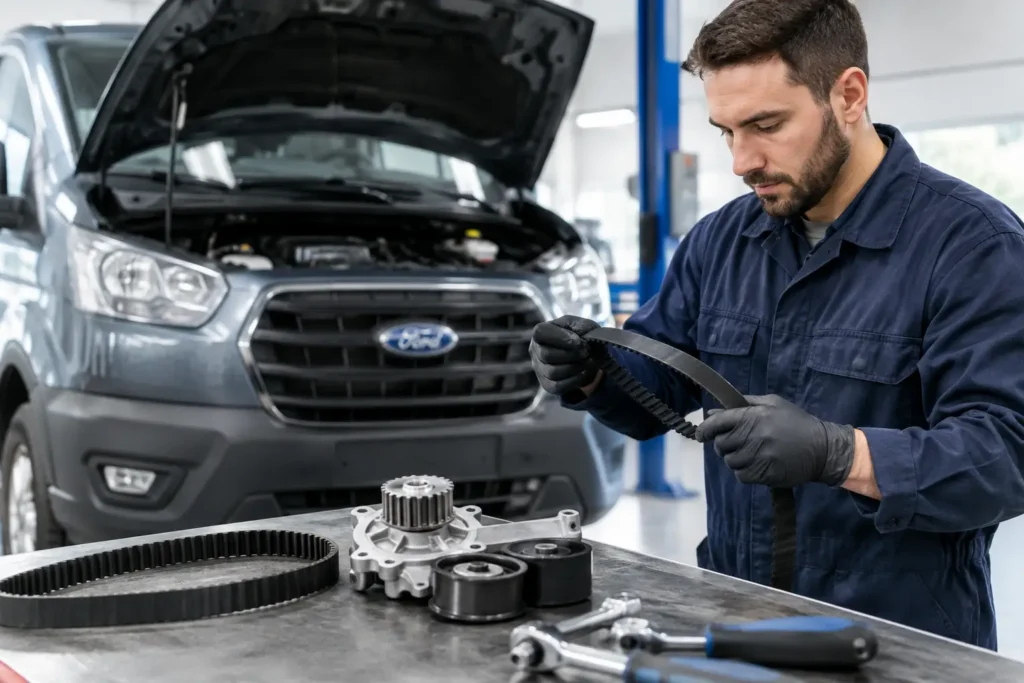
If you’re operating a goods vehicle weighing between 3,000kg and 3,500kg in Essex, understanding the MOT test Class 7 requirements isn’t just about ticking a legal box—it’s about keeping your business moving, your drivers safe, and your reputation intact. Whether you’re running a small delivery service in Harlow, managing a fleet in Chelmsford, or operating a single van across the county, this guide will give you the practical knowledge you need to approach your Class 7 MOT with confidence. What Actually Is a Class 7 MOT? Let’s cut through the jargon. A MOT test Class 7 is specifically designed for goods vehicles with a design gross weight between 3,000kg and 3,500kg. These aren’t your typical family cars—we’re talking about larger vans, small lorries, and commercial vehicles that often carry significant loads as part of daily business operations. The test is more rigorous than a standard Class 4 MOT for cars. Why? Because these vehicles work harder, carry heavier loads, and spend more time on the road. According to DVSA data from 2024-2025, Class 7 vehicles have a first-time pass rate of approximately 62% in the UK, which is notably lower than the 69% pass rate for standard cars. In Essex specifically, local testing stations report similar figures, with common failures often linked to brake performance, tyre condition, and lighting systems. The reality is that commercial vehicles take a battering. If your van is hauling building materials through Basildon one day and delivering parceries across Colchester the next, it’s going to show wear faster than a vehicle used for the school run. Understanding the Weight Categories: Why Class 7 Matters Here’s where many vehicle owners get confused. The MOT classification system is based on vehicle weight, not just what you’re carrying at any given moment. Your MOT test Class 7 applies if your vehicle’s design gross weight (DGW)—that’s the maximum it’s designed to weigh when fully loaded—falls between 3,000kg and 3,500kg. Check your vehicle’s weight plate or V5C registration document. If you’re hovering around these figures, you need certainty. A Ford Transit with certain specifications, for instance, might fall into Class 7, whilst a similar-looking model with different specs could be Class 4. Getting this wrong means you’re either not getting the thorough inspection your vehicle needs, or you’re paying for a test level you don’t require. According to local government transport data, the number of commercial vehicles in Essex has grown by 8% since 2023. As a result, more businesses are needing Class 7 MOTs. The growth in online retail and local delivery services means more mid-weight vans on our roads than ever before. What the Inspectors Actually Check The MOT test Class 7 examines roughly 30 major categories, but let me break down what really matters based on what causes most failures: Braking systems are scrutinised intensively. Your vehicle needs to demonstrate consistent braking across all wheels, with no significant imbalances. The decelerometer test measures braking efficiency, and for Class 7 vehicles, the requirements are stricter than lighter vehicles. You need at least 50% efficiency on the service brake and 25% on the parking brake. In practical terms, if you’re regularly carrying heavy loads around Harlow, your brakes are working harder, wearing faster, and need closer attention. Tyres and wheels account for a huge proportion of failures. DVSA statistics show that tyre-related issues cause approximately 18% of Class 7 MOT failures across the UK. The legal minimum tread depth is 1.6mm, but if you’re smart, you won’t let them get anywhere near that. At AutoNet VIP – Car Repairs, MOTs & Electric & Hybrid Specialists in Harlow, mechanics regularly advise replacing tyres at 3mm for commercial vehicles. Why? Because stopping distances increase dramatically as tread wears, and when you’re carrying a tonne of goods, those extra metres matter. Lighting and signalling might seem straightforward, but remember, your vehicle likely has additional marker lights, reversing lights, and potentially beacon systems that all need to function correctly. A single blown bulb in a side marker light will fail your MOT test Class 7. Suspension and steering components face enormous stress in commercial use. Ball joints, track rod ends, and shock absorbers all deteriorate faster when you’re regularly operating at or near maximum weight. Essex roads, particularly around roadwork zones on the M25 and A127, aren’t kind to heavily loaded vehicles. The Real Cost of Failure in Essex Let’s talk about money, since that’s what keeps business owners up at night. In 2025, the standard fee for a MOT test Class 7 is £58.60, set by the DVSA. However, the real cost of failure extends far beyond the retest fee. If your van fails and needs repairs, you’re looking at vehicle downtime. For a business operating in Essex’s competitive commercial environment, every day off the road is lost revenue. A delivery company in Brentwood recently shared that a failed MOT cost them not just £340 in repairs, but also £800 in lost contracts because they couldn’t fulfil commitments whilst the vehicle was off the road. Then there’s the compliance issue. Operating a goods vehicle without a valid MOT isn’t just illegal—it invalidates your insurance. If you’re involved in an incident, even one that isn’t your fault, you’re personally liable. The fines can reach £1,000, and you’ll gain penalty points on your licence. According to Essex County Council’s 2024 commercial vehicle enforcement report, roadside checks caught 127 goods vehicles operating without valid MOTs in the county. Every single operator faced prosecution, fines, and in some cases, operator licence reviews. Preparing Your Vehicle: What Actually Works Forget the night-before dash around with a can of WD-40. Proper MOT test Class 7 preparation should be ongoing, but here’s a practical four-week approach that works: Four weeks before: Book your test. In Essex, particularly around Harlow, Chelmsford, and Southend, MOT centres can get booked solid, especially towards month-ends when fleet operators rush to maintain compliance. Get your slot secured early. Three weeks before: Conduct a thorough visual inspection. Walk around the vehicle with a clipboard

6 Reliable Automatic Gearbox Repair in Harlow

banner-for-automatic-gearbox-repair-in-harlow

Your heart sinks as you feel that telltale judder through the steering wheel. The gears aren’t changing smoothly anymore, and there’s a worrying whining noise coming from under the bonnet. If you’re experiencing automatic gearbox problems in Harlow, you’re not alone—and you definitely need expert help fast. Finding 6 reliable automatic gearbox repair in Harlow options might seem overwhelming, but understanding what makes a gearbox repair service truly dependable can save you thousands of pounds and weeks of stress. According to recent data from the Society of Motor Manufacturers and Traders (SMMT), automatic gearbox failures have increased by 23% across Essex in 2025, making professional repair services more crucial than ever. Why Your Automatic Gearbox Deserves Expert Attention Your automatic gearbox is one of the most complex components in your vehicle. Unlike manual transmissions, automatic gearboxes contain hundreds of precision-engineered parts working in perfect harmony. Not only is it annoying when things go wrong, but it can also be dangerous. In Harlow and across Essex, we’ve seen a significant rise in automatic transmission vehicles. The most recent numbers from the Department for Transport show that 78% of all new cars registered in Essex in 2025 had automatic transmissions. This was up from 68% just two years before. This shift means more drivers need access to 6 reliable automatic gearbox repair near me Harlow services than ever before. Understanding Common Automatic Gearbox Problems Before you start searching for automatic gearbox repair near me, it helps to understand what might be going wrong. Here’s what we see most frequently at AutoNet VIP in Harlow: Delayed Engagement When you shift from Park to Drive, does your car hesitate for a few seconds before moving? This delay often indicates low transmission fluid or worn clutch plates. In Essex’s stop-start traffic, particularly around Harlow’s busy roundabouts and the A414 corridor, this problem tends to worsen quickly. Slipping Gears If your engine revs but the car doesn’t accelerate proportionally, your gearbox is slipping. This is more than annoying—it’s genuinely unsafe, especially when joining motorways like the M11. Essex roads demand reliable gear changes, and slipping gearboxes simply can’t deliver. Strange Noises Whining, clunking, or humming sounds aren’t normal. These noises often indicate bearing failure, gear wear, or contaminated transmission fluid. Don’t ignore them. What starts as a minor whine can escalate into complete gearbox failure within weeks. Leaking Transmission Fluid Spotted red or brown fluid on your driveway? Transmission fluid leaks are serious. Your gearbox relies on precise fluid levels for lubrication and hydraulic pressure. Even small leaks can cause catastrophic damage if left unaddressed. What Makes Automatic Gearbox Repair Services Reliable in Harlow? When you’re looking for 6 reliable automatic gearbox repair near me Harlow providers, certain qualities separate the exceptional from the mediocre. Here’s what truly matters: Specialised Diagnostic Equipment Modern automatic gearboxes are computer-controlled. Proper diagnosis requires advanced scanning tools that can read transmission control module error codes. At AutoNet VIP – Car Repairs, MOTs & Electric & Hybrid Specialists in Harlow, we invest in manufacturer-level diagnostic equipment because guesswork simply isn’t good enough for our customers. Experienced Technicians Automatic gearbox repair isn’t a job for general mechanics. It requires specialists who understand the intricate relationship between electronic controls, hydraulic systems, and mechanical components. Our technicians have decades of combined experience specifically with automatic transmissions. Quality Parts and Fluids Using incorrect transmission fluid or substandard replacement parts is false economy. We source OEM (Original Equipment Manufacturer) or OEM-equivalent parts and use manufacturer-specified fluids. Your gearbox deserves nothing less. Comprehensive Warranties Reputable repair services stand behind their work. When you choose one of the 6 reliable automatic gearbox repair in Harlow options, make sure they offer robust warranties. At AutoNet VIP, our warranty coverage gives you complete peace of mind. Transparent Pricing Nobody likes surprise bills. Reliable repair services provide detailed quotes before starting work, explaining exactly what needs doing and why. We believe you deserve to make informed decisions about your vehicle. The True Cost of Ignoring Gearbox Problems Let’s be honest—automatic gearbox repairs aren’t cheap. According to 2025 data from the Independent Garage Association, the average automatic gearbox repair in Essex costs between £800 and £2,500, whilst complete replacements can exceed £4,000. However, ignoring problems always costs more. That slight hesitation when changing gear? If addressed early, it might be a £200 fluid change and filter replacement. Leave it six months, and you’re looking at £1,800 for clutch pack replacement. Wait a year, and you might need a full rebuild at £3,500. We’ve seen it too many times here in Harlow. A customer notices a small issue, decides to “see how it goes,” and ends up stranded on the hard shoulder of the M11 with a completely failed gearbox. Don’t let that be you. Why Harlow Drivers Choose AutoNet VIP for Automatic Gearbox Repair When searching for automatic gearbox repair near me in Harlow, you’ll find several options. Here’s why local drivers consistently choose AutoNet VIP: We Understand Local Driving Conditions Harlow’s unique mix of urban congestion, fast A-roads, and motorway access creates specific demands on automatic gearboxes. We understand how local driving patterns affect your transmission because we live and work here too. Electric and Hybrid Expertise Modern vehicles increasingly combine traditional automatic gearboxes with electric drive systems. Our status as Electric & Hybrid Specialists means we can handle these complex powertrains that many general garages simply can’t service properly. MOT Services Under One Roof Need an MOT with your gearbox repair? We’ve got you covered. Our comprehensive service offering means you don’t need to visit multiple garages—everything happens here in Harlow, saving you time and hassle. Real People Who Care We’re not a faceless chain. We’re your neighbours, and we genuinely care about keeping Harlow drivers safe and mobile. When you bring your car to us, you’ll speak with the same friendly technicians who’ll actually work on your vehicle. The AutoNet VIP Gearbox Repair Process Transparency matters. Here’s exactly what happens when you choose 6 reliable automatic gearbox repair

20 Tips to Spot a Good Mechanic

Auto Expert Advice Unlock Your Car’s Potential: Driving & Vehicle Guides from AutoNet VIP Garage Welcome to AutoNet VIP Garage’s Driving & Vehicle Guides – your definitive source for expert automotive knowledge tailored for UK car owners. From essential vehicle maintenance schedules to practical driving safety tips and insights into automotive technology, our guides are crafted by our skilled team at your trusted Harlow garage. We empower you to make informed decisions about your car’s health, understand common car. 20 Tips to Spot a Good Mechanic (and 20 Red Flags to Avoid) Finding the right mechanic isn’t just about saving money — it’s about peace of mind, safety, and protecting your car from costly mistakes. Here’s your complete guide with 20 clear signs of a good mechanic and 20 red flags of a bad mechanic, written so you’ll never feel uncertain in a garage again. 1. Clear Explanations, No Jargon Good Mechanic: A good mechanic explains the problem in plain English you can actually understand. They’ll tell you what’s wrong, why it matters, and what the fix will involve. This makes you feel informed instead of pressured. Red Flag: A bad mechanic hides behind confusing jargon that leaves you more lost than when you walked in. They may say things like “don’t worry, we’ll sort it” without detail. This often means they don’t want you asking questions. 2. Written Estimates, Not Guesswork Good Mechanic: A reliable garage gives you a written estimate before doing any work. This protects you from unexpected bills and ensures you can approve costs. It shows professionalism and honesty. Red Flag: Dodgy mechanics avoid giving estimates on paper. Instead, they rely on vague promises like “we’ll let you know once we start.” This leaves you wide open for surprise charges. 3. Shows You the Problem Good Mechanic: The best mechanics will show you the worn brake pads, leaking hose, or broken component. This makes repairs transparent and builds your confidence in the work. It’s proof the problem is real, not invented. Red Flag: If a mechanic refuses to show you what’s wrong, that’s a red flag. They might say it’s “too complicated” or “not worth looking at.” In many cases, they simply don’t want you to see there isn’t a real issue. 4. Certifications and Training Good Mechanic: Professionals have visible qualifications and keep training up-to-date, especially for hybrids and EVs. This means they’re serious about their craft and safe with advanced systems. You know your car is in skilled hands. Red Flag: A bad mechanic won’t display any certifications or proof of training. When asked, they may dodge the question or dismiss qualifications as “not important.” Lack of training can lead to dangerous mistakes. 5. Welcoming Workshop Good Mechanic: A trustworthy garage looks tidy and organized, even if it’s busy. Tools are where they should be, cars are worked on safely, and the place feels professional. It shows pride in their work. Red Flag: A messy, chaotic workshop with oil everywhere and parts scattered about is a bad sign. It suggests carelessness and poor standards. If they treat their space poorly, how will they treat your car?