A hybrid should feel easy to own: quiet in traffic, economical on the daily commute and reassuringly familiar when it comes to driving. That does not mean it can be forgotten between MOTs, though. Knowing how to maintain a hybrid car helps protect its fuel economy, battery performance and long-term reliability – while catching smaller problems before they become expensive repairs.
Hybrid maintenance is not completely different from looking after a petrol or diesel car. Your vehicle still has tyres, brakes, suspension, lights, cooling systems and, in most cases, an engine that needs proper attention. The difference is that these systems work alongside an electric motor, high-voltage battery and more complex electronics. A good maintenance routine considers both sides of the car.
Follow the hybrid service schedule, not assumptions
One common misconception is that a hybrid needs very little servicing because the electric motor takes some pressure away from the engine. It is true that some parts may last longer, particularly brake pads in stop-start driving. But the engine still needs the correct oil, filters and fluids changed at the intervals set by the manufacturer.
Service intervals vary by make, model, mileage and whether you drive a conventional hybrid or plug-in hybrid. Short journeys, heavy traffic, regular towing and infrequent use can all justify more frequent checks. Engine oil can degrade even where the engine does not run constantly, while moisture and contaminants can still build up in fluids and filters.
Use the manufacturer schedule as the starting point, then discuss how you use the vehicle with your garage. A transparent service adviser should explain what is due now, what can safely wait and why each item matters.
Keep the hybrid battery cool, clean and monitored
The high-voltage battery is the component drivers worry about most, yet it is designed for years of normal use. Its lifespan depends on the vehicle, climate, mileage, charging habits and how effectively its cooling system can do its job.
Many hybrids use air ducts, filters or fans to manage battery temperature. Depending on the model, an intake may sit near the rear seats, in the boot area or elsewhere in the cabin. Keep these areas clear of coats, bags, pet hair and dust. If the battery cooling fan becomes restricted, the battery can run hotter than intended and may lose performance over time.
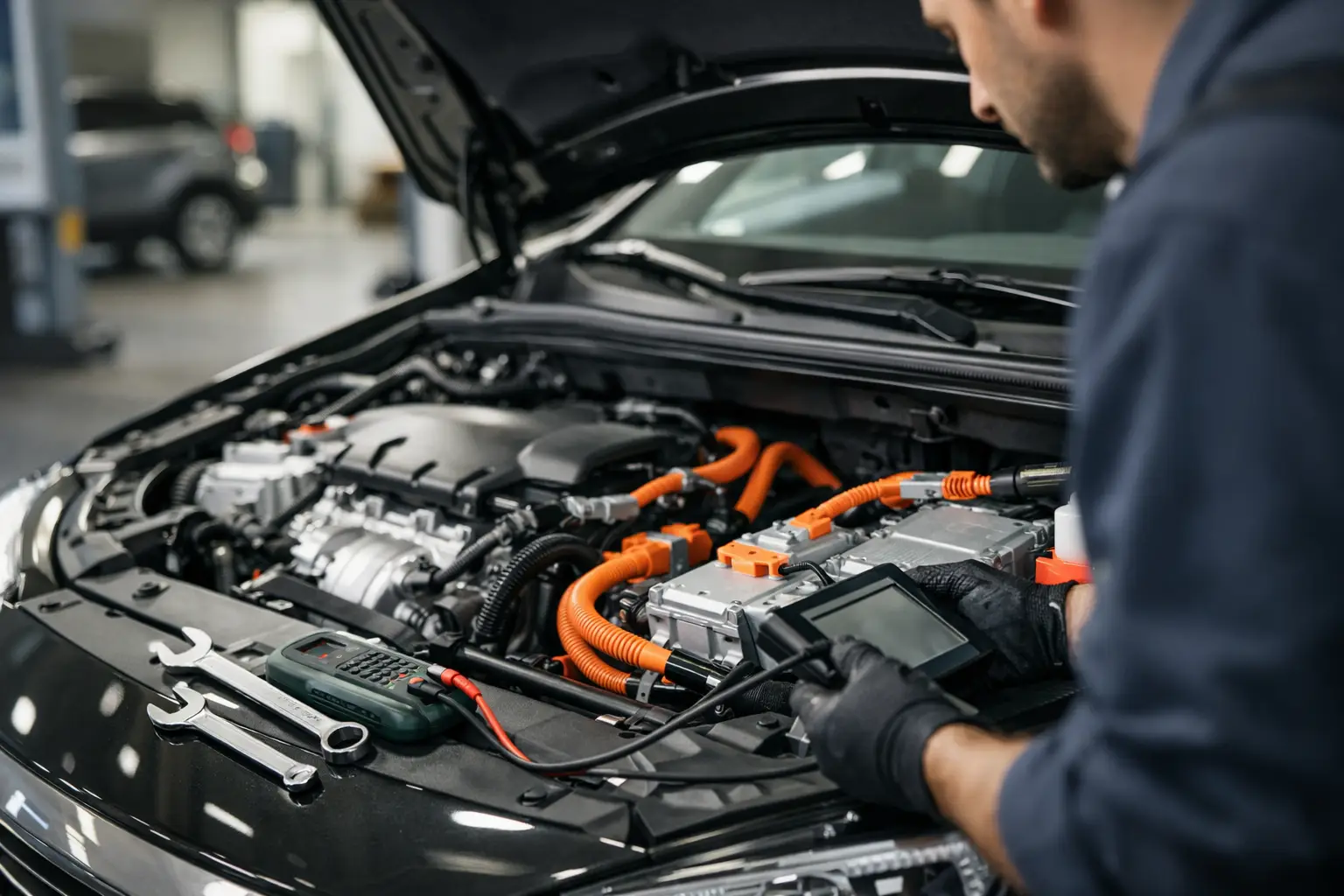
Do not attempt to dismantle high-voltage battery components yourself. Orange cables and clearly marked high-voltage parts require specialist training and correct safety procedures. If you notice a hybrid-system warning light, reduced power, a constantly running cooling fan or a clear fall in fuel economy, arrange professional diagnostics rather than guessing at the cause.
Plug-in hybrids need sensible charging habits
If you own a plug-in hybrid, use a suitable charging cable and inspect it regularly for damage, loose connections or exposed wiring. Charge from an approved, safe supply and keep the cable dry and properly stored when not in use.
There is rarely a need to chase a perfect battery routine. Most modern plug-in hybrids manage charging well, but leaving the car unused for long periods with a completely flat battery is not ideal. If the vehicle will be parked for several weeks, check the handbook for its storage guidance. It may advise keeping a moderate charge level or starting and driving the car periodically.
Do not neglect the 12-volt battery
Hybrid cars also have a conventional 12-volt battery. It powers essential low-voltage systems and helps the vehicle start its electronics, even though it does not crank the engine in the traditional way.
Because the engine may run less often, and because modern cars have plenty of electrical systems, a weak 12-volt battery can cause unexpected warning messages or leave the vehicle unable to enter its ready-to-drive mode. Have it tested during routine servicing, especially if the car is more than three years old, used mainly for short trips or left standing regularly.
Look after brakes, even when they seem to last longer
Regenerative braking is one of the biggest advantages of hybrid driving. When you lift off the accelerator or brake gently, the electric motor can recover energy and send it back to the battery. This reduces wear on the friction brakes.
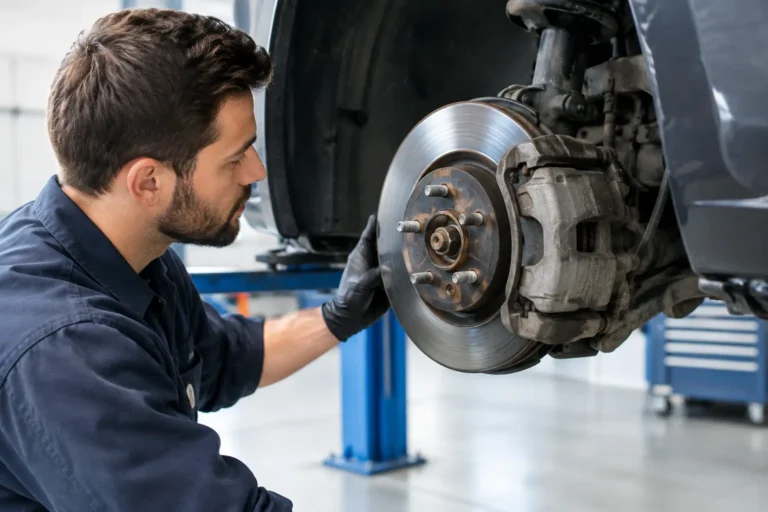
The trade-off is that brake discs and pads may be used less aggressively, particularly on cars that spend most of their time in town. In damp British weather, brake discs can corrode, and sliders or calipers can begin to stick. A brake inspection should check more than pad thickness: it should assess disc condition, brake movement, pipes, hoses and brake fluid.
A short, safe drive that includes firmer braking when conditions allow can help clear light surface corrosion. It is not a substitute for an inspection if you feel vibration, hear grinding, notice pulling under braking or see a brake warning light.
Tyres have a bigger effect on hybrid efficiency than many drivers realise
Hybrids are often heavier than equivalent petrol cars because of the battery and electric components. That extra weight, combined with instant electric torque, makes tyre condition and pressures particularly significant.
Check tyre pressures at least monthly and before longer journeys, using the pressures specified for your vehicle rather than the maximum number printed on the tyre sidewall. Underinflated tyres increase rolling resistance, reduce fuel economy and wear more quickly at the edges. Overinflation can reduce grip and make the ride less comfortable.
Also inspect the tread for uneven wear, cuts and embedded objects. Uneven wear may point to alignment, suspension or steering problems. Replacing tyres in matched pairs, or following the manufacturer’s guidance for your drivetrain, helps maintain predictable handling and supports the safety systems fitted to the car.
Maintain the engine and fuel system properly
A self-charging hybrid can drive for short periods with the petrol engine off, but it is still an engine vehicle. It needs the specified oil grade, a clean air filter and the right coolant levels. Ignoring these basics can reduce efficiency and place unnecessary strain on the engine when it is required.
If you drive a conventional hybrid infrequently, avoid leaving old fuel in the tank for many months. Fuel can deteriorate over time, and the engine may run less often than you expect. A regular journey long enough to bring the engine fully up to temperature is beneficial, particularly where most trips are very short.
Check the engine oil level according to the manufacturer’s instructions. Some hybrid engines can be surprisingly economical with oil, but that is not a reason to assume the level will never change. If the oil level drops repeatedly, book an inspection.
Keep the cooling and air-conditioning systems working
Hybrid vehicles may have separate cooling circuits for the engine, inverter, electric motor or battery. The layout is model-specific, which is why using the correct coolant and procedure matters. Never top up unfamiliar reservoirs simply because the level looks low – identify the system first or ask a qualified technician.
Your air conditioning also deserves regular use, including through winter. It helps demist the windscreen and keeps seals and components in working order. If cooling becomes weak, there is an unpleasant smell, or the system is noisy, have it assessed before a minor issue turns into a larger repair.
Use warning lights and software updates as early warnings
A hybrid can store fault codes before a problem becomes obvious during driving. A diagnostic check can identify concerns with charging, sensors, battery cooling, emissions equipment or electrical communication systems. This is particularly useful before buying a used hybrid or when a warning light appears intermittently.
Some manufacturers also issue software updates that improve system operation or address known faults. A garage with suitable diagnostic equipment can check whether updates or calibration work are relevant to your vehicle.
For hybrid and electric vehicle owners in Harlow and the surrounding area, AutoNet VIP can carry out routine servicing, brake checks, diagnostics and MOT preparation with clear advice at every stage. The aim is not to sell work you do not need, but to help you understand the condition of the car and plan sensibly for what comes next.
A hybrid rewards steady, preventative care. Keep it serviced, keep its tyres and brakes checked, respond early to warning lights and leave high-voltage work to trained professionals. That approach gives you the best chance of enjoying the quiet, efficient driving you bought it for – without unwelcome surprises at the roadside or test centre.