A burning smell in your car is not something to dismiss as ‘just the engine getting hot’. If you are asking what causes a burning smell in a car problems, the answer can range from a harmless plastic bag caught under the vehicle to a brake, clutch, oil or electrical fault that needs immediate attention. The smell itself is a useful clue, but what matters most is where it appears, when it starts and whether there are any warning lights, smoke or changes in how the vehicle drives.
A quick check can prevent further damage. If the smell is strong, persistent or accompanied by smoke, pull over somewhere safe, switch off the engine and avoid opening a hot radiator cap or touching components under the bonnet.
What causes a burning smell in a car?
Different materials create distinctly different smells as they overheat. An experienced technician will use your description alongside a visual inspection and diagnostic checks to narrow down the cause. Try to notice whether the odour is more like burning rubber, hot oil, scorched paper, melting plastic or an acrid electrical smell.
Burning oil leaking onto hot components
A sharp, oily smell is one of the most common causes. Engine oil can leak from a worn gasket, seal or oil filter area and drip onto a hot exhaust component. It may produce a little smoke from under the bonnet, particularly after the engine has warmed up or when you stop after a journey.
A minor leak can become more serious if the engine oil level falls. Low oil reduces lubrication, increases engine wear and can lead to expensive internal damage. It is sensible to check the oil level once the vehicle has cooled on level ground, but do not assume topping it up has cured the problem. The source of the leak still needs to be found.
Overheating brakes
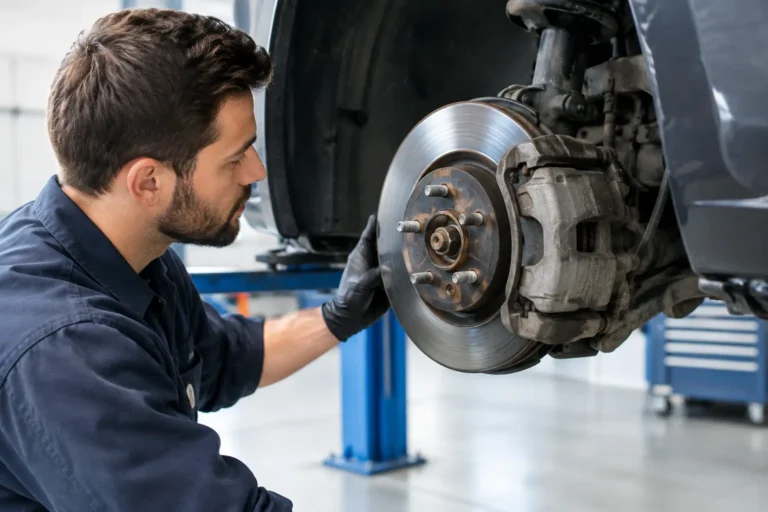
If the smell is harsh and chemical, especially after heavy braking, a brake may be overheating. This can happen when a brake caliper sticks, a handbrake mechanism does not release fully, or brake pads and discs have become excessively worn. You may also notice the car pulling to one side, reduced braking confidence, a hot wheel or poor fuel economy.
Do not spray water on a hot brake assembly. The sudden temperature change can damage discs, and the underlying fault remains. Let the vehicle cool and arrange a brake inspection as soon as possible. Continued driving can damage pads, discs, calipers and tyres, while also compromising stopping distance.
A slipping clutch
For manual vehicles, a burning smell that appears when pulling away, changing gear or climbing a hill can point to a slipping clutch. The odour is often described as similar to burnt paper or fabric. You might also find that engine revs rise without the vehicle accelerating as strongly as expected.
Occasionally, the clutch may overheat after repeated hill starts or towing, but a recurring smell is not normal. It can indicate a worn clutch plate, pressure plate issue or hydraulic fault. Driving gently may get you home in some cases, but a slipping clutch can deteriorate quickly and leave the vehicle unable to move.
Rubber or plastic touching the exhaust
A burning rubber smell may come from a loose hose, belt, undertray or plastic trim contacting a hot exhaust or moving engine component. Road debris can cause the same symptom. A plastic bag wrapped around part of the exhaust can smell unpleasant for some time, even after it has melted away.
If the smell follows recent repair work, a visual check is worthwhile. Do not reach around the exhaust while it is hot. A garage can safely inspect the underside of the car, heat shields, exhaust mounting points and nearby wiring or hoses.
Electrical wiring or a failing component
A melting-plastic or fishy burning smell can indicate overheating wiring, a damaged connector, a faulty blower motor or another electrical component. This is one of the more urgent smells to investigate, particularly if you also notice flickering lights, a flat battery, blown fuses, dashboard warnings or smoke.
Switch off non-essential electrical equipment, stop driving safely and turn off the ignition if the smell continues. Electrical faults carry a fire risk, so this is not a situation for repeated test drives or guesswork.
Engine overheating and coolant issues
An overheating engine can produce a hot, sweet smell when coolant leaks onto warm parts of the engine. Steam from under the bonnet, a rising temperature gauge or a coolant warning light should be treated seriously. Continuing to drive an overheating vehicle risks head gasket failure, warped engine components and major repair costs.
Stop as soon as it is safe. Allow the engine to cool fully before checking the coolant level, and never remove the coolant cap while the system is pressurised. Coolant loss can be caused by a hose, radiator, water pump, thermostat or internal engine fault, so a proper pressure test is often needed.
When a burning smell means you should stop driving
Some smells can wait for a booked inspection, but others require you to stop and seek assistance rather than press on. Do not continue driving if you notice:
- Smoke from the bonnet, wheel area or underneath the car.
- An electrical burning smell, especially with flickering lights or warning messages.
- A red temperature, oil-pressure or brake warning light.
- Loss of braking performance, steering changes, severe power loss or a visible fluid leak.
If there is any sign of fire, move away from the vehicle and contact the emergency services. Your safety comes before protecting the car or getting to your destination on time.
Why the timing of the smell matters
Knowing when the odour appears helps make diagnostics faster and more accurate. A smell only after braking points the inspection towards calipers, pads and discs. One that appears when the heater fan is running may relate to the cabin filter area, blower motor or electrical circuit. If it occurs after motorway driving, engine load, cooling performance and oil leaks onto the exhaust are all relevant.
Pay attention to where the smell is strongest too. An odour inside the cabin may be drawn in through the ventilation system, while a smell around one wheel generally points towards a brake or tyre-related issue. Burning rubber combined with vibration can also signal a tyre rubbing on a wheel arch liner or suspension component.
For hybrid and electric vehicles, burning smells should be assessed with particular care. These vehicles have high-voltage systems, specialised cooling arrangements and electronic control components. Although they still use tyres, brakes and conventional 12-volt electrical systems, high-voltage work should only be carried out by technicians trained and equipped to work safely on them.
What to tell your garage
Clear information can save diagnostic time and reduce the risk of replacing parts unnecessarily. Explain when you first noticed the smell, how long it lasts, whether it occurs at speed or only when stationary, and any recent work carried out on the vehicle. Mention warning lights, fluid spots on the drive, noises and changes in braking, gears or engine temperature.
Avoid masking the smell with air fresheners before the inspection. It may sound minor, but odour is genuinely part of the evidence. A technician may road-test the vehicle where safe, inspect it on a ramp, check fluid levels and leaks, assess brakes and belts, and use diagnostic equipment to identify stored fault codes or abnormal temperature readings.
At AutoNet VIP, the aim is to explain the cause in plain language before work begins, including what needs urgent attention and what can reasonably be planned for later. That clarity matters when a small leak, worn brake component or electrical connection has the potential to become a much larger repair.
A burning smell is your car telling you that something is hotter than it should be. Trust that warning, make safety the first decision, and arrange a professional check before a manageable fault turns into an unwanted breakdown.