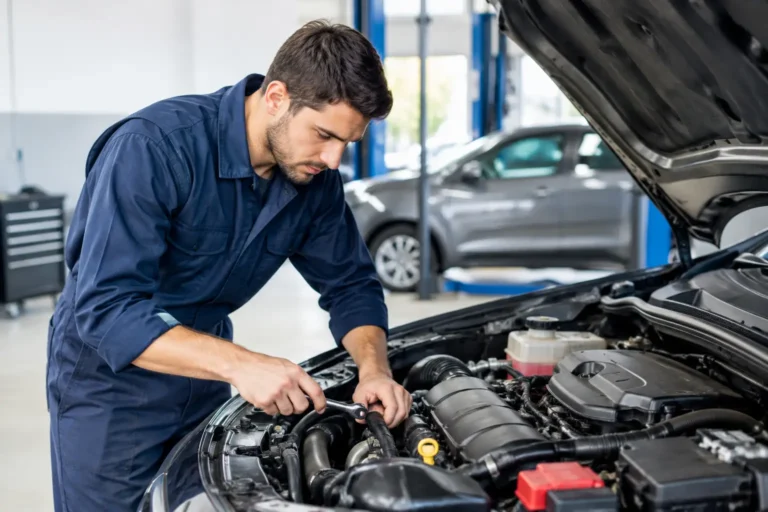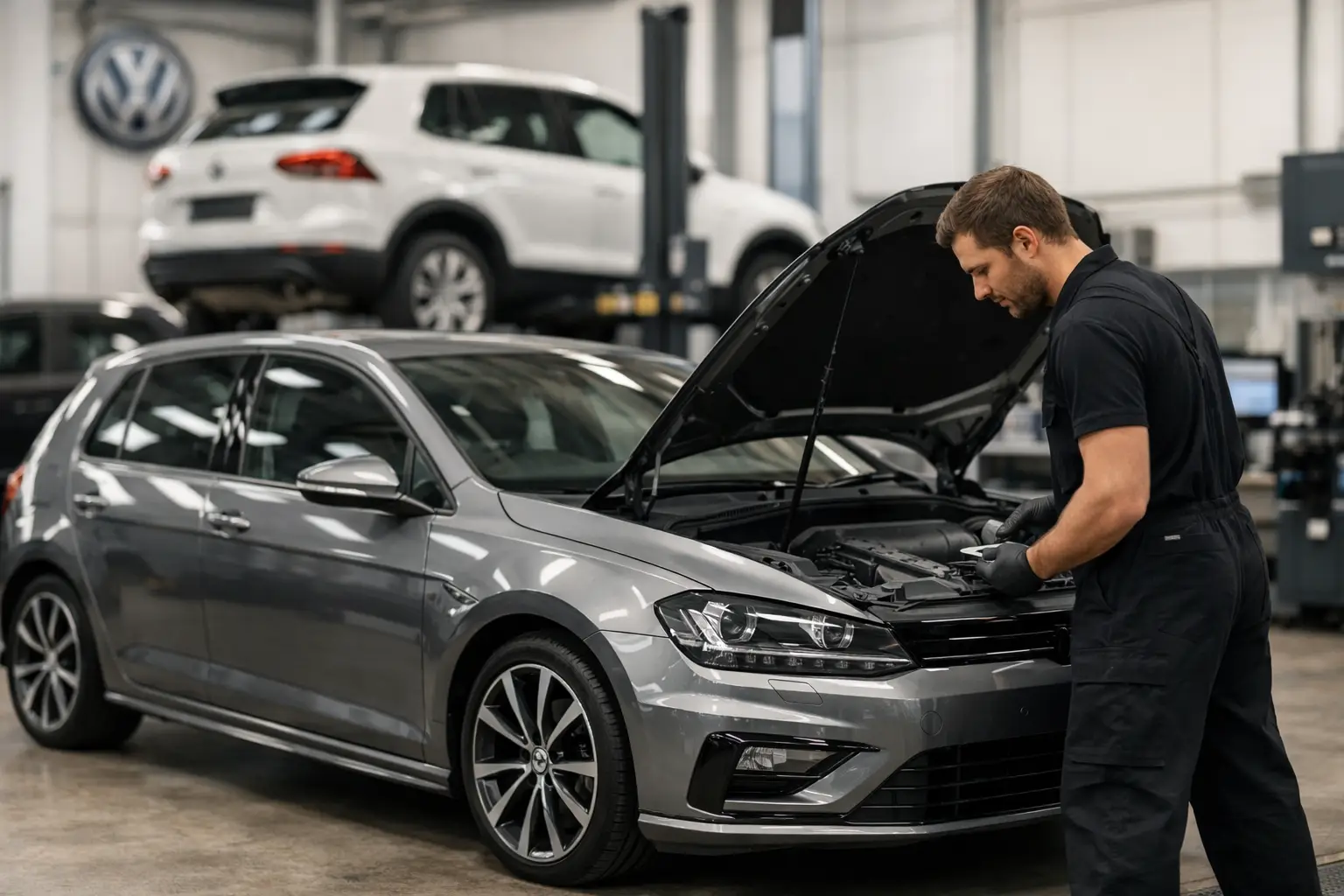
A Volkswagen can feel completely reliable one day, then show an amber warning light, make an unfamiliar noise or lose the sharp response you expect on the next journey. Finding a VW specialist Harlow drivers can rely on is about more than having someone change parts. It means choosing a garage that understands how the mechanical, electronic and software systems in your car work together – and explains the next step without jargon or pressure.
Whether you drive a Polo for the school run, a Golf for the daily commute, a Tiguan for family trips or an ID. model, the right care helps protect safety, reliability and long-term running costs. A specialist approach is especially valuable when a fault is not obvious, when the vehicle is out of warranty or when you simply want honest advice before agreeing to repair work.
What a VW Specialist in Harlow Should Understand
Volkswagen vehicles share engineering principles across the range, but no two models, engines or model years are quite the same. A modern petrol TSI engine, diesel TDI, plug-in hybrid and fully electric vehicle each have different servicing needs, diagnostic processes and likely wear points.
A capable workshop starts by identifying the precise vehicle, engine and fault history rather than guessing from a dashboard light alone. Diagnostic trouble codes are useful clues, but they do not automatically identify the failed component. For example, a code relating to an emissions sensor may be caused by a wiring issue, an air leak or a problem elsewhere in the system. Replacing the first part suggested by a code reader can become expensive very quickly.
The same principle applies to intermittent faults. A warning light that appears only during motorway driving, a gearbox hesitation when cold or a battery drain overnight needs methodical testing. The aim is to find the cause, not merely clear the symptom long enough for the light to disappear.
Servicing That Reflects How You Drive
Volkswagen servicing is not just an oil and filter change. The correct oil specification, brake fluid intervals, spark plug condition, filters, tyre wear and inspection of safety-critical components all matter. The most suitable service plan depends on your vehicle’s age, mileage, service history and use.
A low-mileage car that mainly completes short local journeys can need attention just as much as a high-mileage motorway car. Short trips can affect battery health, oil condition and diesel particulate filter regeneration. Conversely, a vehicle that covers long distances may need closer checks of tyres, brakes, suspension and driveline components.
Clear advice should distinguish between work that is required now, maintenance worth planning for soon and items that are simply being monitored. That gives you control of the budget while keeping the car roadworthy.
Why Proper Diagnostics Save Money
Modern Volkswagens rely on a network of control units. These manage everything from engine performance and automatic gearboxes to parking sensors, climate control, driver-assistance features and infotainment. When something goes wrong, the fault may involve electronics, mechanics, wiring, calibration or software.
This is why a cheap code scan is not always a cheap repair. A proper diagnostic assessment combines suitable equipment with a technician’s experience, live data checks, physical inspection and road testing where appropriate. It takes more time than plugging in a reader, but it can prevent unnecessary parts being fitted.
Diagnostics are particularly worthwhile if you notice repeated warning lights, poor fuel economy, reduced power, difficult starting, uneven running or an electrical fault that comes and goes. It is also sensible to investigate unusual gearbox behaviour early. A slight delay, vibration or warning message can sometimes be resolved before it develops into a larger repair.
Common Volkswagen Jobs Need a Measured Approach
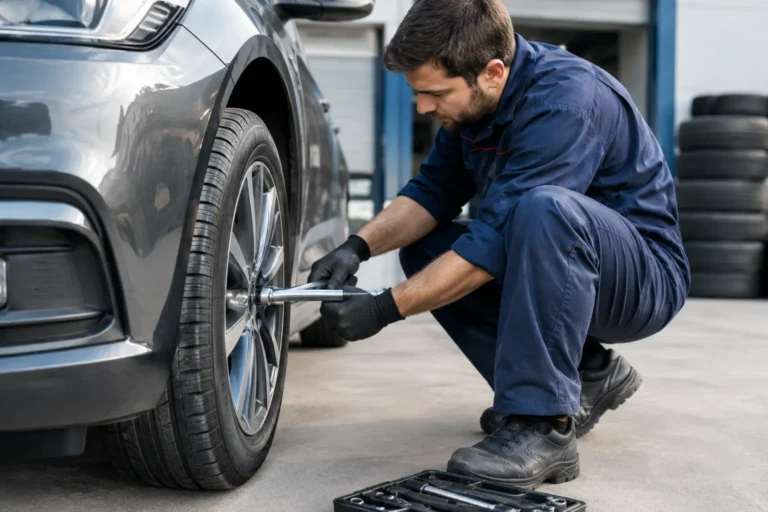
Every vehicle has components that wear over time, and Volkswagen models are no exception. Brakes, tyres, suspension bushes, clutches, batteries and air-conditioning systems all need routine attention eventually. The right repair depends on condition, not assumptions.
For instance, brake discs may have surface corrosion after the car has been standing, but not every mark means immediate replacement. Equally, a brake warning should never be ignored because pads, discs, sensors and fluid condition all contribute to safe stopping. A thorough inspection provides the facts before a recommendation is made.
Diesel owners may also need advice on DPF and emissions-related faults. These can be linked to driving pattern, sensor readings, soot loading, engine condition or an underlying fault preventing regeneration. A forced regeneration or cleaning service can be appropriate in some cases, but it is not a universal answer. The underlying reason must be checked first.
Automatic and DSG gearboxes deserve the same care. Smooth operation relies on correct fluid condition, accurate diagnosis and suitable maintenance. If there is a change in shift quality, do not wait for it to become severe. Early investigation often gives more options than a breakdown does.
Main Dealer or Independent VW Specialist?
A main dealer may be the right choice for certain warranty work, recalls or manufacturer-specific campaigns. There are situations where dealer support is the most practical route, and a good independent garage should say so plainly.
For routine maintenance, MOT preparation, mechanical repairs, tyres, brakes, diagnostics and many electrical faults, an independent VW specialist can offer a more personal and cost-conscious alternative. The key is not simply choosing the lowest quote. Ask what is included, whether the diagnosis has identified the cause, what parts will be used and whether the work is covered by a clear explanation before it begins.
The best value is work done correctly the first time, with no surprise additions after the car is already in the workshop. You should know what has been found, why it matters and what choices are available.
Hybrid and Electric Volkswagen Care
Volkswagen’s hybrid and electric range brings different maintenance considerations. Electric vehicles still require checks of brakes, tyres, suspension, steering, cabin filters, air conditioning and cooling systems. Hybrids combine conventional engine servicing with high-voltage components and complex energy management.
High-voltage systems should only be assessed by suitably trained technicians using the correct safety procedures. This is not an area for guesswork. If your hybrid or EV displays a warning message, has reduced range, charging problems or an issue with heating and cooling, book an assessment rather than relying on online speculation.
Battery range is influenced by weather, route, tyre pressures, driving style and use of heating or air conditioning. A drop in range is not always a battery fault, but a sudden or significant change deserves a professional check.
A Better Garage Experience Starts With Clear Communication
Car repairs are stressful when you are left wondering what is happening, how much it will cost and whether the work is genuinely needed. A customer-first garage keeps communication simple. You should receive a clear explanation of findings, an estimate before additional work is carried out and practical guidance on priorities.
At AutoNet VIP, the focus is on combining modern diagnostic capability with straightforward service. That means looking after everyday Volkswagen maintenance as carefully as more involved faults, from an MOT and brake inspection to engine, gearbox or electrical repairs.
It also helps to keep your own records. Save invoices, note warning messages and take a photo of dashboard lights when they appear. If a noise happens under particular conditions, such as when turning, braking or accelerating, mention that when booking. These details can make diagnosis faster and more accurate.
Choosing the Right VW Specialist
Before booking, look for a garage that is happy to discuss the symptoms before promising a fix. They should be comfortable working on your type of Volkswagen, whether it is petrol, diesel, hybrid or electric, and they should explain diagnostic charges and repair options clearly.
Convenience matters too. A local workshop in Harlow can make ongoing car care easier, particularly when servicing, MOTs and unexpected repairs need fitting around work and family commitments. But technical confidence and transparent communication matter more than proximity alone.
Your Volkswagen does not need unnecessary work to stay dependable. It needs timely maintenance, careful diagnosis and people who take the time to explain what they have found. If something has changed in the way your car drives, sounds or feels, arranging a professional check now is usually the calmest and most cost-effective next move.