A damp carpet may look like a minor annoyance after heavy rain, but water rarely stays a minor problem inside a vehicle. It can settle beneath trim, travel along wiring looms and begin corroding connectors long before a warning light appears. Prompt water ingress repair protects both the cabin and the electrical systems that modern cars rely on every day.
The right solution is not simply drying the visible water. A dependable repair finds the entry point, checks how far moisture has travelled and restores the affected area properly. That approach may cost more than a quick sealant job at first, but it can prevent mould, electrical faults and repeated visits to the garage.
Signs your car may have a water leak
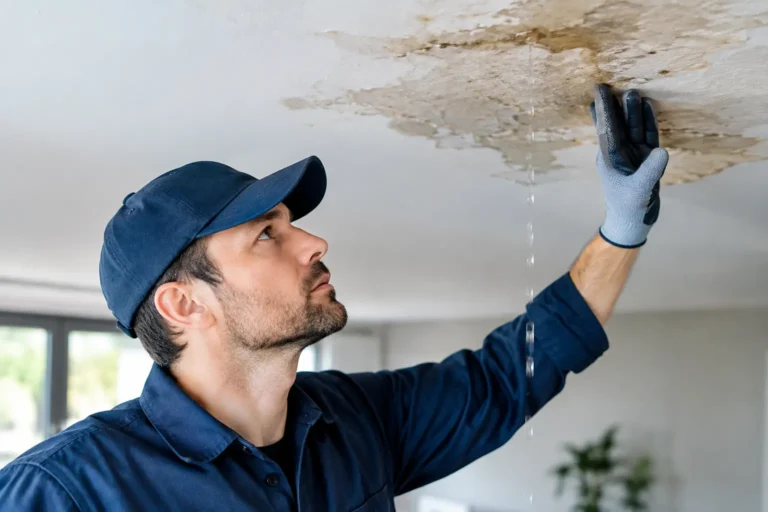
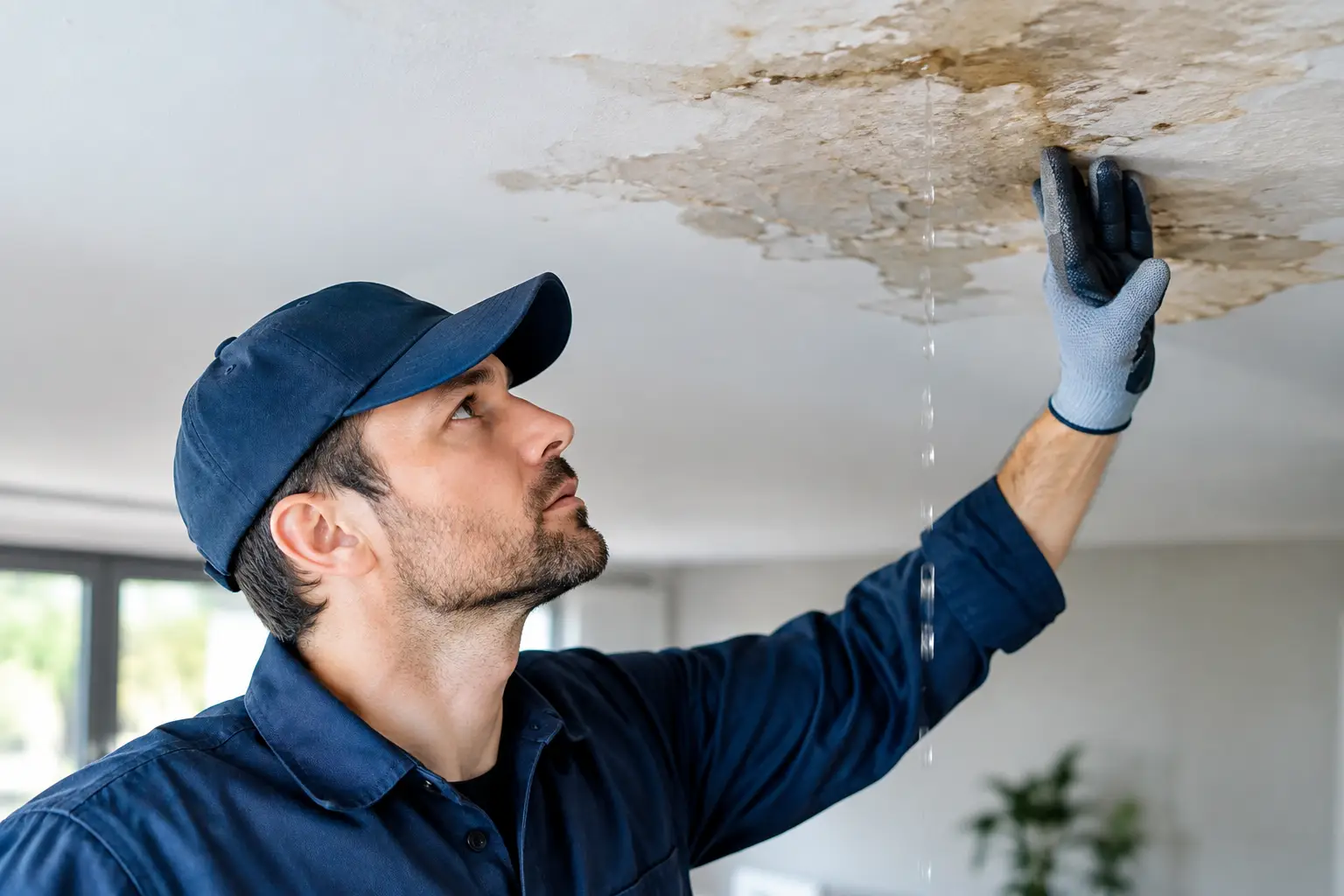
Some leaks are obvious, such as water dripping from the headlining or a puddle in the footwell. Others develop quietly. A persistent musty smell, windows that mist up more than usual, damp seat belts or wet patches beneath the carpets are all worth investigating. If the windscreen clears slowly despite the heater working correctly, moisture trapped in the cabin could be the reason.
Pay attention after rain, washing the vehicle or using the air conditioning. Water in the front footwells may point to blocked drainage channels, a windscreen seal or a heater-related issue. Dampness in the boot can be linked to rear light seals, the tailgate, boot vents or a leaking rear screen. Water appearing only after the air conditioning has been used may be caused by a blocked condensate drain rather than rainwater entering from outside.
Electrical symptoms need swift attention. Intermittent central locking, unexplained warning messages, a flat battery, faulty parking sensors or a non-functioning infotainment system can all be connected to moisture. It does not always mean the component itself has failed. Water may have reached a plug, fuse box, control module or wiring connection.
Why water ingress should not be ignored
Modern vehicles contain control units and wiring in places many drivers would not expect, including under seats, behind carpets and within the boot floor. Water can corrode terminals, increase electrical resistance and cause faults that come and go with temperature or humidity. Those are often the most frustrating faults to diagnose because the vehicle may behave normally by the time it reaches the workshop.
There is also the condition of the interior to consider. Wet sound-deadening material under the carpet can hold a surprising amount of water. Leaving it in place encourages mould and unpleasant odours, while prolonged damp can corrode floor sections, seat mountings and wiring beneath the cabin. Simply placing the car in the sun or using household towels will not remove moisture trapped in the underlay.
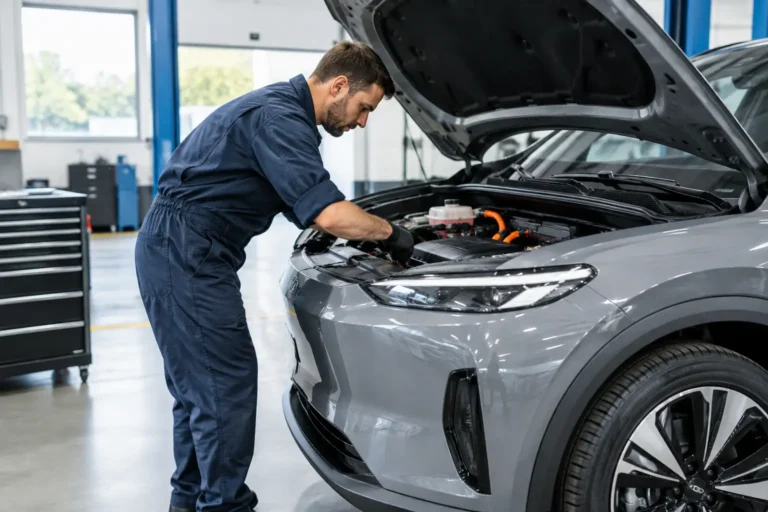
For hybrid and electric vehicles, careful inspection is particularly important. These vehicles have high-voltage components and additional electronic systems, so water-related concerns should be assessed by technicians trained to work safely around them. The cause may still be something straightforward, but assumptions are not a safe repair strategy.
Common causes of water entering a vehicle
A leak does not necessarily mean a major body repair is needed. Rubber seals can flatten, shrink or tear over time, but water can also enter through drains designed to carry it away. Leaves and debris frequently block scuttle drains below the windscreen, sunroof drains and air conditioning drains. When water cannot drain as intended, it finds another route – often into the cabin.
Windscreens and bonded glass are another possible source. If a screen has been replaced previously, a poor bond or damaged surrounding trim can allow water behind the dashboard or down the A-pillars. Door membranes, fitted behind door cards, can also fail. Water naturally enters the outer door through the window seals, then should drain harmlessly through the bottom. A damaged membrane directs that water into the cabin instead.
Other common causes include cracked rear light seals, worn tailgate seals, damaged seam sealer, corroded bodywork, missing grommets and poorly fitted accessories. A roof aerial, roof rails, dashcam cable routing or an aftermarket body modification can create a new entry point if it has not been sealed correctly.
What professional water ingress repair involves
Effective water ingress repair starts with diagnosis, not guesswork. The vehicle needs to be inspected around likely entry points, with particular attention to the location of the dampness. A technician may use a controlled water test, inspect drainage routes, remove selected trim or use diagnostic equipment where electrical symptoms are present.
Finding water in one footwell does not always mean the leak is directly above it. Water follows panels, sound insulation and wiring routes before collecting at the lowest point. This is why a proper inspection matters. Sealing the first suspect area without testing can leave the real fault unresolved.
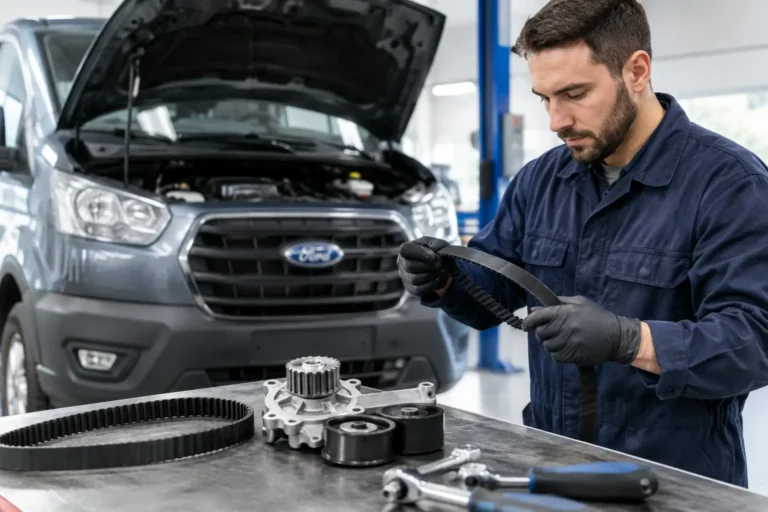
Once the source is confirmed, the repair could involve clearing and checking drains, replacing a seal or grommet, resealing a light unit, repairing a door membrane, correcting a windscreen-related fault or carrying out bodywork repairs. The appropriate method depends on the vehicle, the leak route and the condition of the surrounding materials. A tube of sealant is not automatically a repair – used in the wrong place, it can trap water, block drainage or make later diagnosis harder.
The drying stage is equally important. Carpets, underlay and trim may need to be lifted or removed so moisture can be assessed and dried correctly. Any affected electrical connectors should be inspected for corrosion or contamination. Where faults have been logged, diagnostic checks after the repair help confirm that systems are operating as they should.
Can you prevent water ingress?
Prevention is mostly about keeping the vehicle’s drainage and seals in good condition. Clear leaves from the base of the windscreen, especially in autumn, and avoid ignoring a sunroof that drains slowly. Check that doors and the tailgate close evenly, and have torn or loose seals looked at before winter weather exposes the problem.
If you notice dampness after a windscreen replacement, body repair or accessory installation, arrange an inspection rather than waiting for it to worsen. It is easier to address a fresh leak before water has spread beneath the interior. Regular servicing is also a useful opportunity to mention any condensation, smells or wet carpets you have noticed.
Avoid using high-pressure water directly around ageing seals, roof fittings or damaged trim. This will not normally cause a sound vehicle to leak, but it can reveal an existing weakness. If water appears after a car wash, that detail can help narrow down the diagnosis.
When to book an inspection
Book water ingress repair as soon as you find standing water, recurring damp carpets, mould growth or unexplained electrical behaviour. Do not wait for an MOT to identify the issue. An MOT may reveal certain safety-related electrical or corrosion concerns, but it is not designed to trace a hidden water leak.
At AutoNet VIP, a careful inspection can identify the cause rather than treating the visible symptom. For drivers in Harlow and the surrounding area, that means clear advice on what has been found, what repair is needed and whether any moisture-related electrical checks are sensible. You stay informed before work goes ahead, with no unnecessary repairs added to the job.
A dry cabin is about more than comfort. Acting early gives water less time to spread, keeps your vehicle pleasant to use and helps protect the systems that make it safe and reliable.