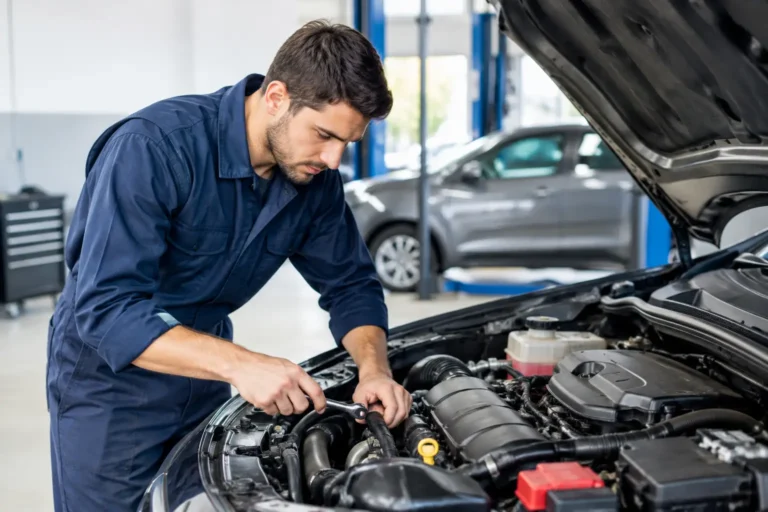
A dashboard message, an MOT reminder or an unfamiliar noise can make any driver wonder whether their vehicle needs specialist attention. With hybrid vs electric servicing, the key difference is not simply what powers the wheels. It is the mix of mechanical, electrical and high-voltage systems that a technician needs to inspect properly.
For drivers, the good news is that both hybrids and electric cars can be straightforward to maintain when they are serviced by a suitably equipped garage. The real value lies in knowing what is being checked, why it matters and where a cheaper-looking service may leave gaps.
Hybrid vs electric servicing: the main difference
A hybrid has an internal-combustion engine alongside an electric motor and battery. That means it still needs much of the routine maintenance associated with a petrol or diesel car, including engine oil, filters, spark plugs where specified, coolant and exhaust checks. Depending on the type of hybrid, it may also have a conventional gearbox or a dedicated hybrid transmission.
A fully electric vehicle has no engine oil, spark plugs, fuel filter or exhaust system. Its routine servicing is therefore often less intensive in those areas. However, this does not mean an electric car is maintenance-free. It still has brakes, tyres, steering, suspension, air conditioning, a 12-volt battery, charging equipment and complex electronic systems that need professional attention.
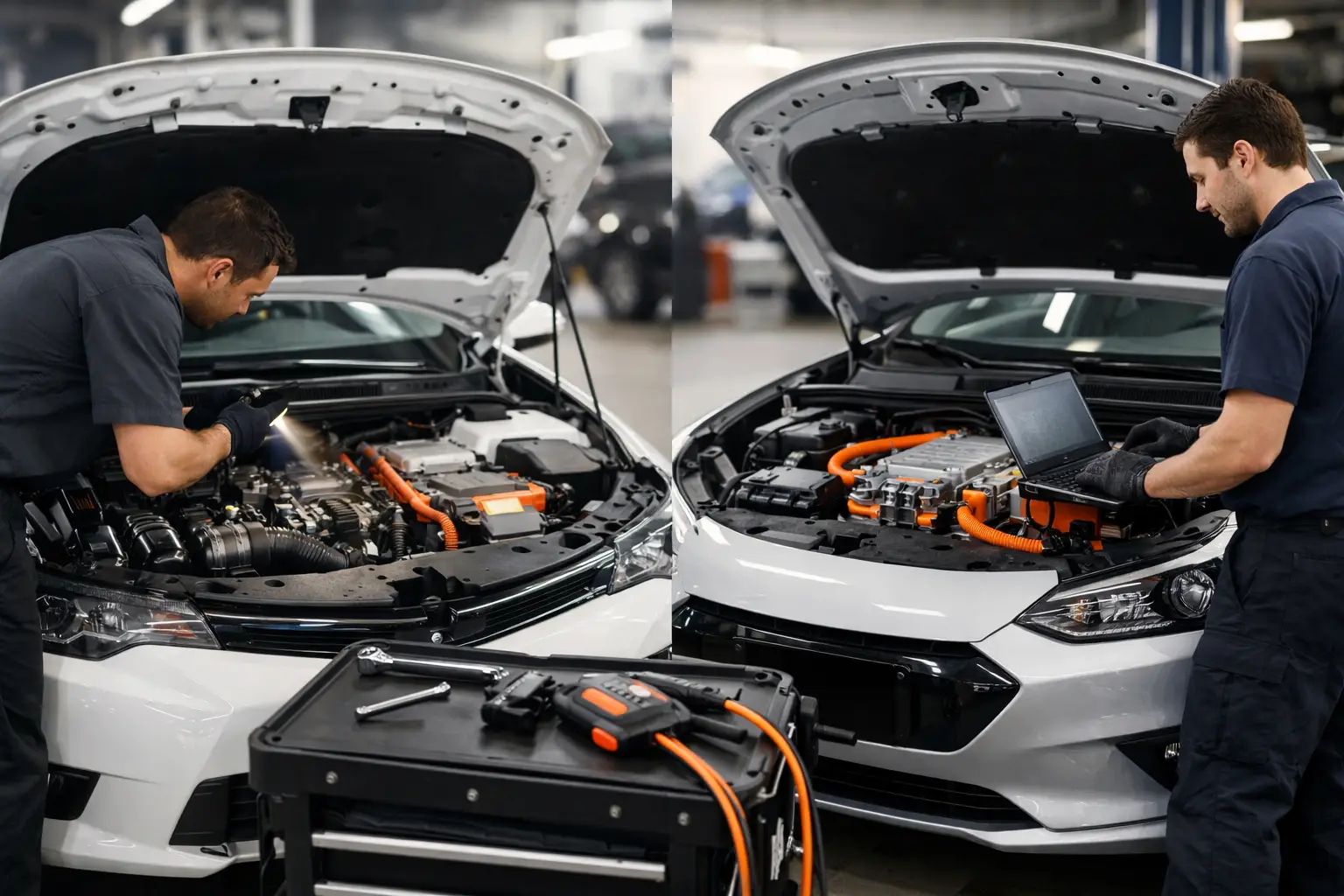
The high-voltage battery and associated cables are central to both types of vehicle. They must be assessed safely by trained technicians using the correct procedures and diagnostic equipment. A service is not just an oil change with a visual check added on. It is an opportunity to identify faults that could affect reliability, efficiency or safety before they become disruptive and expensive.
What is checked on a hybrid service?
Hybrid servicing combines conventional engine care with checks specific to the electric drive system. The exact schedule depends on the manufacturer, mileage and age of the vehicle, but a thorough service should take account of both sides of the car.
The engine still needs the right grade of oil and a quality filter at the intervals set by the manufacturer. Because a hybrid engine may switch on and off frequently, especially during short journeys, it is tempting to assume it works less hard. In reality, stop-start running, cold starts and urban driving can be demanding. Fresh oil remains essential for protecting moving parts and keeping the engine operating efficiently.
Technicians should also inspect the cooling systems. Hybrids can have separate cooling circuits for the engine, inverter, electric motor or battery. Low coolant, a leak or a failing pump can lead to overheating warnings and reduced performance. The hybrid battery ventilation system deserves attention too. Some vehicles use an air intake or cooling fan that can collect dust, pet hair and debris, restricting airflow around the battery.
Diagnostic checks are equally valuable. A warning light is not the only sign of a stored fault code. Reading the vehicle’s control modules can reveal developing issues with battery management, sensors, charging components or the hybrid system before they escalate.
What is checked on an electric vehicle service?
Electric vehicle servicing focuses less on engine components and more on the systems that carry, store and control electrical energy. The high-voltage battery pack is sealed and should never be opened or handled without proper qualifications. A trained technician can, however, check its condition through diagnostics, assess fault codes and inspect visible high-voltage cables and connectors for damage or contamination.
The charging port, flap and surrounding seals should also be examined. A worn or damaged charge port can cause interrupted charging, error messages or water ingress. Software updates may be relevant on some models, particularly where the manufacturer has issued improvements for battery management, charging behaviour or vehicle systems.
Electric cars still use coolant in many cases. Battery packs, inverters and motors can require thermal management, so coolant levels and condition remain part of the picture. Brake fluid is another important item. It absorbs moisture over time regardless of how little the hydraulic brakes are used, and should be tested and replaced to the manufacturer’s schedule.
A service should also include the 12-volt battery. This small battery powers essential low-voltage systems and allows the car to start its main systems. When it weakens, an electric car can display confusing faults or fail to wake up altogether, even when the high-voltage battery is well charged.
Brakes, tyres and suspension still matter
Regenerative braking is one reason many hybrid and electric vehicles need brake pads and discs less often. The motor helps slow the car and recovers energy, reducing reliance on the friction brakes. That is a genuine saving, but it brings a different maintenance risk.
Because the brakes are used less heavily, discs can corrode and calipers can become stiff, particularly on cars driven mainly on short journeys or left parked for long periods. During servicing, the brakes should be inspected for wear, corrosion, binding and free movement. A car that feels smooth under regenerative braking can still have a brake issue waiting to surface during an emergency stop or MOT test.
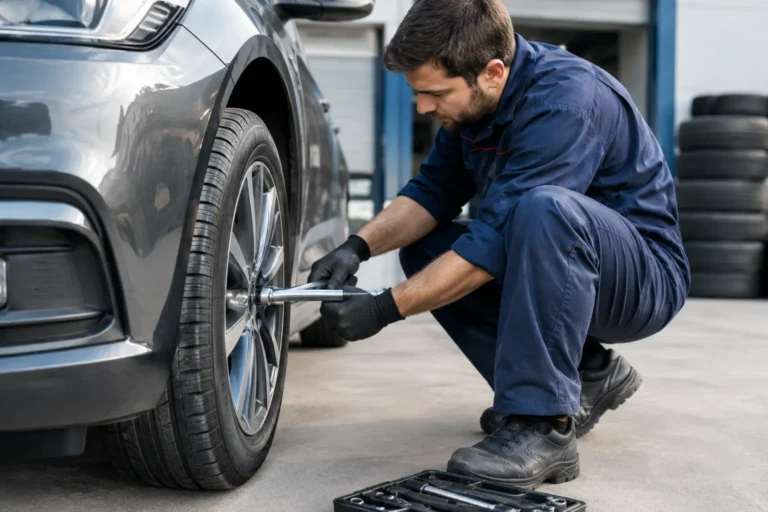
Tyres are another area where owners should not underestimate the difference. Electric cars are often heavier because of their battery packs, while instant torque can accelerate tyre wear if driven enthusiastically. Correct tyre pressures, tread depth and even wear are vital for handling, range and safety. Tyres designed for the vehicle’s load rating and performance requirements are particularly important.
Suspension, steering and wheel alignment also deserve close attention. A small alignment problem can shorten tyre life and reduce efficiency. On a heavier electric vehicle, worn suspension components may become noticeable sooner than drivers expect.
Does electric servicing cost less than hybrid servicing?
Usually, an electric vehicle has lower routine servicing costs than a hybrid because there is no engine oil, oil filter, exhaust or engine tune-up work. Over several years, that can make a meaningful difference to ownership costs.
A hybrid may cost more to service because it effectively combines two technologies. It has the engine-related service items of a conventional car as well as the electrical and high-voltage systems of an electrified vehicle. Plug-in hybrids can be especially varied: a car used mainly on electric power may have low engine mileage, but its engine oil and other time-sensitive components still need changing as specified.
Lower routine costs do not mean every repair will be cheaper. Battery, charging and electronic faults require specialist diagnosis, correct equipment and trained people. The best approach is not to choose a service purely on the lowest advertised price. Ask what is included, whether diagnostics are part of the process and whether the garage is qualified to work safely on high-voltage vehicles.
Why specialist capability protects your car
High-voltage systems demand a methodical approach. Before work begins, technicians may need to isolate the electrical system, confirm it is safe and follow manufacturer procedures. This is not an area for guesswork or shortcuts.
Equally, a specialist service should not be used to create unnecessary work. Clear advice means explaining what has been found, what needs attention now, what can be monitored and what it is likely to cost. That gives drivers control over the decision while ensuring safety-critical work is not delayed.
At AutoNet VIP, hybrid and electric vehicle servicing is approached as complete vehicle care rather than a separate, mysterious category. The aim is to check the systems that matter to your particular car, explain the findings in plain language and keep its service history on track.
When should you book a service?
Follow the manufacturer’s service interval first. Most vehicles need servicing based on time, mileage or whichever comes sooner. Even a low-mileage electric car benefits from an annual inspection because brake fluid, tyres, seals, filters and the 12-volt battery can deteriorate with age rather than use alone.
Book sooner if you notice reduced range, inconsistent charging, a warning light, unusual noises from the brakes, a coolant warning, a burning smell or a change in steering feel. For a hybrid, reduced fuel economy, rough engine running or repeated switching between electric and petrol power can also justify a diagnostic check.
A properly maintained hybrid or electric car should feel reassuringly uneventful to own. If yours is giving you a reason to question that, a clear inspection by the right people can turn uncertainty into a practical next step.