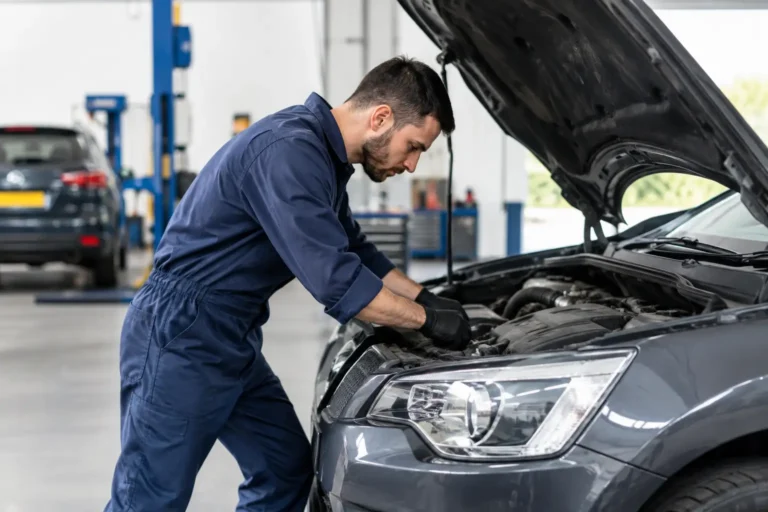
A warning light, a charging fault or an unfamiliar message on the dashboard can feel more worrying when your car has a battery and electric motor involved. Vehicle electrification is changing what sits beneath the bonnet, but it should not make car ownership harder to understand. Whether you drive a mild hybrid, plug-in hybrid or fully electric car, the key is knowing what the technology does, what still needs routine care and when to seek qualified advice.
What vehicle electrification actually means
Vehicle electrification describes the use of electrical energy to support or replace a conventional petrol or diesel engine. It is not one single type of vehicle. The term covers several systems, each with different driving characteristics, charging needs and servicing requirements.
A mild hybrid uses a small battery and electric motor-generator to assist the engine, particularly when pulling away or accelerating. It cannot normally drive on electric power alone for any meaningful distance. A full hybrid can travel short distances electrically at low speeds, while the petrol engine takes over when more power is needed or the battery charge is low.
A plug-in hybrid, often called a PHEV, has a larger battery that can be charged from an external supply. For drivers whose daily mileage fits within its electric range and who charge regularly, it can complete many local journeys without using petrol. A battery electric vehicle, or EV, has no internal combustion engine at all. Its electric motor is powered entirely by a high-voltage battery.
The right option depends on how you use your vehicle. A commuter with home charging may get excellent value from an EV. A family regularly making longer motorway trips without reliable charging at either end may prefer a hybrid or efficient petrol vehicle. Electrification is a practical choice, not a one-size-fits-all answer.
What changes behind the wheel
Electric motors deliver their pulling power immediately, so electrified vehicles often feel responsive from a standstill. Most are also quieter at lower speeds. That quieter drive is a benefit, but it can make unfamiliar noises from tyres, brakes or suspension easier to notice.
Regenerative braking is another major difference. When you lift off the accelerator or apply the brakes, the motor can recover some energy and return it to the battery. This helps efficiency and can reduce wear on brake pads and discs. It does not remove the need for brake inspections, however. In fact, brakes that are used less heavily can develop corrosion or binding if they are not checked and maintained properly.
For plug-in hybrids and EVs, journey planning becomes part of ownership. Charging speeds vary considerably between a domestic socket, a home charge point and a rapid public charger. Cold weather, high speeds, heavy loads, heating and air conditioning can all affect range. Manufacturers quote official figures under controlled conditions, so it is sensible to allow a margin for real-world driving.
The maintenance work that still matters
It is a common misunderstanding that electric vehicles need no servicing. They generally have fewer moving engine parts and do not require engine oil changes, spark plugs or exhaust repairs. Yet they still rely on many of the same safety-critical components as every other car.
Tyres deserve particular attention. The instant torque and additional battery weight found in some electric vehicles can increase tyre wear, especially if pressures or wheel alignment are not correct. Choosing tyres with the right load rating and specification matters for safety, comfort and range.
Suspension, steering, wheel bearings, lights, wipers, cabin filters and air conditioning also require regular inspection. The air conditioning system is particularly important because it may help manage cabin comfort and, on some vehicles, battery temperature. A fault should be diagnosed properly rather than ignored because the car still drives normally.
The conventional 12-volt battery remains essential too. Even a fully electric vehicle uses one to power control modules, central locking and other low-voltage systems. A weak 12-volt battery can cause confusing warning messages or prevent the vehicle from starting correctly, despite the main drive battery having plenty of charge.
High-voltage systems require the right expertise
The orange cables found in hybrid and electric vehicles identify high-voltage components. These systems are designed with multiple safety measures, but they are not suitable for DIY investigation or unqualified repair work. A damaged cable, battery casing, charging connector or cooling component needs professional assessment.
Qualified technicians follow controlled procedures before working on high-voltage systems. This can include reading fault codes with suitable diagnostic equipment, isolating the high-voltage supply, proving it is safely de-energised and then carrying out the repair according to manufacturer guidance. It is careful work, not simply standard servicing with a different plug.
This matters after an accident as well as when a warning light appears. Even minor body damage near the battery pack, underbody or charge port may need inspection. Water ingress, impact damage or a compromised battery cooling system should never be assumed harmless. Tell the garage that the vehicle is hybrid or electric when booking, so the correct checks and equipment can be prepared.
Battery health: facts rather than fear
The high-voltage battery is often the component drivers worry about most. Like any rechargeable battery, it gradually loses some capacity over time. The rate varies with vehicle age, mileage, temperature, charging habits, software management and how deeply the battery is regularly discharged.
A small reduction in range is normal and does not automatically mean the battery requires replacement. Modern battery management systems are designed to protect the pack by controlling charging, temperature and usable capacity. Many manufacturers also provide separate battery warranties, though the precise terms differ by make and model.
If you notice a sudden drop in range, repeated charging errors, a battery warning light or unusual changes in performance, a diagnostic check is more useful than guessing. The cause may be a charging issue, a software fault, a weak 12-volt battery, tyre pressures, temperature conditions or a genuine high-voltage system concern. Clear testing helps separate normal behaviour from a fault that needs attention.
Charging habits that support everyday ownership
For plug-in hybrids and EVs, regular charging is what allows the electrical side of the vehicle to deliver its intended benefits. A PHEV that is rarely charged can still be driven, but it may carry the weight of its battery while relying largely on its petrol engine. That can make fuel economy disappointing.
Follow the vehicle manufacturer’s guidance for charge limits and charging equipment. Some EVs allow a daily charge limit below 100 per cent, which can be useful if you do not need maximum range every day. Before a longer trip, charging fully may be entirely appropriate. The best routine depends on the vehicle and your mileage, rather than a universal rule.
Avoid trailing unsuitable extension leads across paths or using damaged charging cables. Check the connector for dirt, moisture or damage, and arrange inspection if the cable becomes hot, the charge point trips repeatedly or charging stops unexpectedly. Electrical safety is worth taking seriously at home as well as on the road.
MOTs, servicing and the cost question
Electric and hybrid vehicles still require an annual MOT once they reach the relevant age. An EV does not have tailpipe emissions to test, but the MOT still examines roadworthiness items such as tyres, brakes, lights, steering, suspension, seat belts and visibility. Hybrids may also require emissions testing when their engine is operating.
Running costs can be lower with electrification, but savings depend on the vehicle and the driver. Home charging can be considerably more economical than frequent rapid public charging. Electricity prices, insurance, tyre wear, purchase price, finance arrangements and the availability of charging all influence the overall picture.
The same is true of servicing costs. Routine maintenance may be simpler for an EV, but high-voltage diagnostics and specialist parts can be more involved when faults occur. The sensible approach is not to assume a vehicle will be cheap or expensive because of its powertrain alone. Look at your driving pattern, charging access and maintenance plan together.
Choosing the right support for an electrified vehicle
A garage should be able to explain what it has found in plain language, whether the issue is a routine wear item or a high-voltage concern. Ask what diagnostic checks are needed, what work is recommended now and what can be monitored. Clear estimates and a straightforward explanation make it easier to make an informed decision.
For drivers in Harlow and the surrounding area, AutoNet VIP can support petrol, diesel, hybrid and electric vehicles with modern diagnostics and honest advice. The aim is not to make the technology sound mysterious. It is to keep your vehicle safe, dependable and suited to the journeys you actually make.
If your electrified vehicle has changed how it feels to drive, how far it travels or how it charges, do not wait for a small concern to become an inconvenient breakdown. A timely professional check can give you clarity and help you enjoy the quieter, more efficient miles ahead.