A warning light that has been ignored for a few weeks, tyres worn close to their limit, a brake light that only works sometimes – these are the sort of everyday issues that can turn MOT testing into an unwelcome surprise. The good news is that an MOT does not need to be stressful when you understand what is being checked and deal with small problems before they become larger ones.
For most cars, the first MOT is due on the third anniversary of registration and then every year afterwards. It is a legal roadworthiness inspection, designed to confirm that key safety and environmental standards are being met on the day of the test. It is not the same as a service, and it does not assess every aspect of a vehicle’s mechanical condition.
What MOT testing is designed to check
An MOT focuses on the components that have a direct bearing on road safety, visibility and emissions. The tester follows set standards and records whether an item passes, receives an advisory, or fails. A pass confirms the vehicle met the required standards when inspected. It is not a guarantee that no part will wear out or fail later in the year.
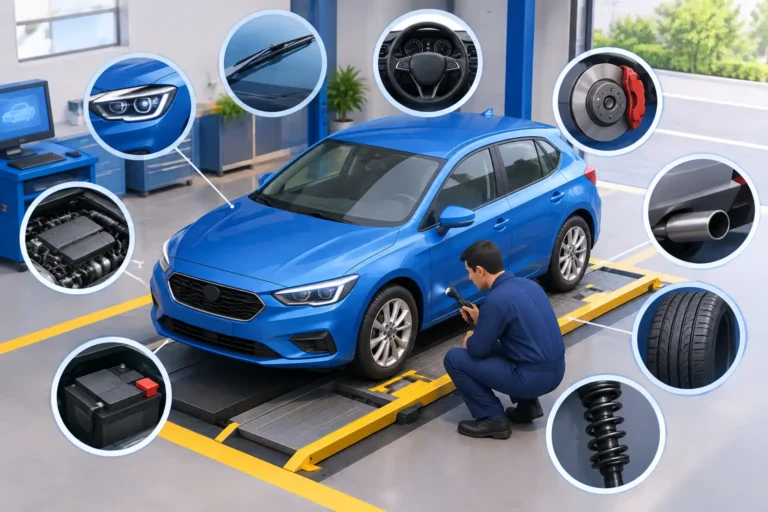
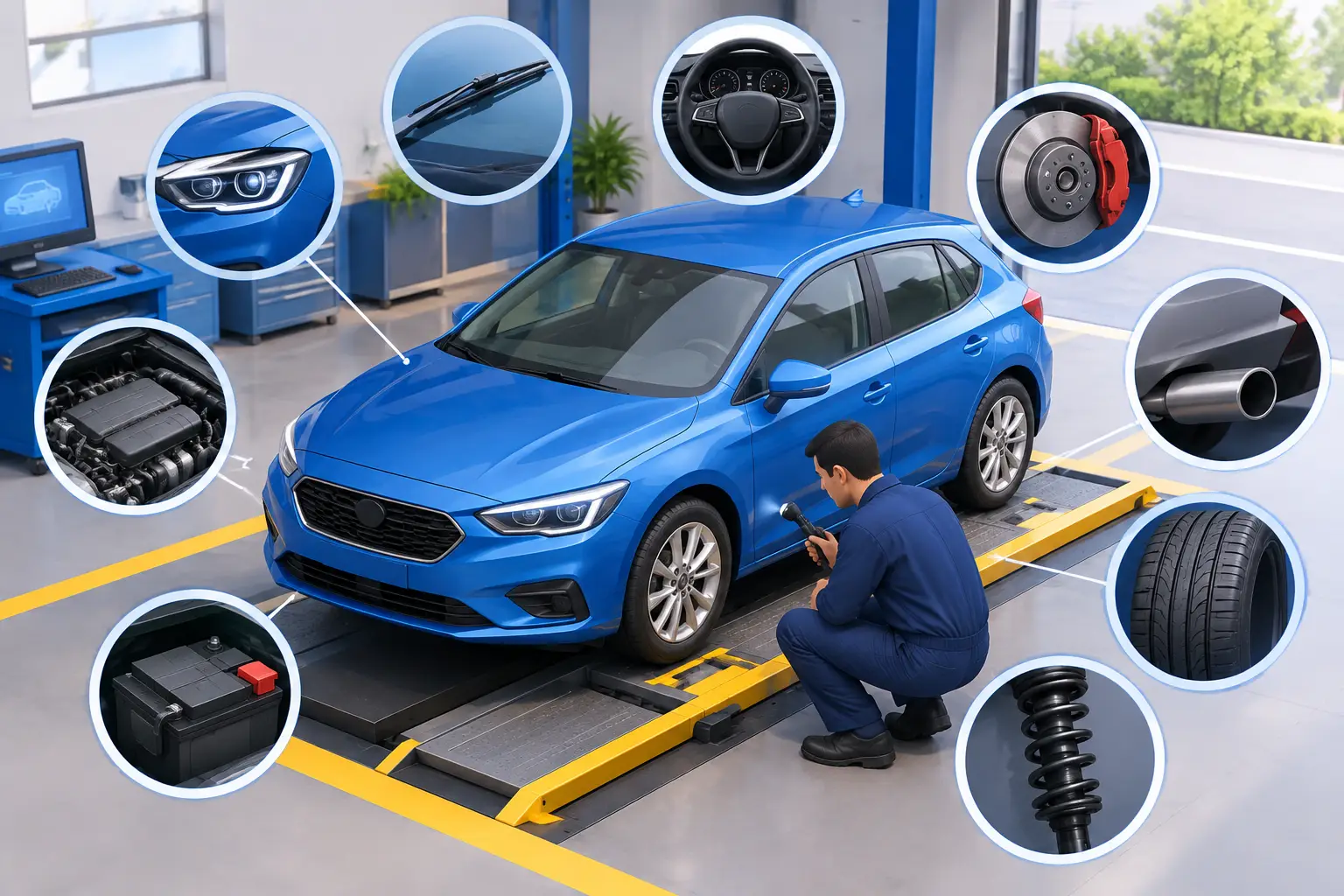
The inspection covers areas including lights, steering, suspension, brakes, tyres, seat belts, mirrors, wipers, washers, the windscreen, the vehicle structure and emissions. Registration plates and the horn are also checked. For petrol, diesel, hybrid and electric vehicles, the exact checks can differ, but the principle remains the same: the vehicle must be safe to use and comply with applicable rules.
A service is broader and preventative. During servicing, a technician can replace fluids, inspect wear items in more detail and follow the manufacturer’s maintenance schedule. Combining an MOT with a service can be convenient, but one does not replace the other.
The most common reasons vehicles fail
Many MOT failures come from items drivers can spot without specialist equipment. Lamps and reflectors are a frequent example. A blown bulb, incorrect light colour, damaged lens or poorly adjusted headlamp can all cause a problem. It is worth checking every light before the appointment, including brake lights, number plate lights, indicators, reversing lights and rear fog lights.
Tyres are another common cause. The legal minimum tread depth is 1.6mm across the central three-quarters of the tyre, around its full circumference. However, waiting until tyres reach the legal limit is rarely the best approach, particularly for drivers covering regular motorway or wet-weather miles. Cracking, bulges, cuts, exposed cord and unsuitable tyres on the same axle can also result in a failure.
Visibility matters more than many motorists realise. Wipers should clear the screen effectively, washers must work, and the driver’s view must not be obstructed by significant damage in the windscreen’s critical area. A small chip may be acceptable depending on its position and size, while a crack in the wrong place may not be.
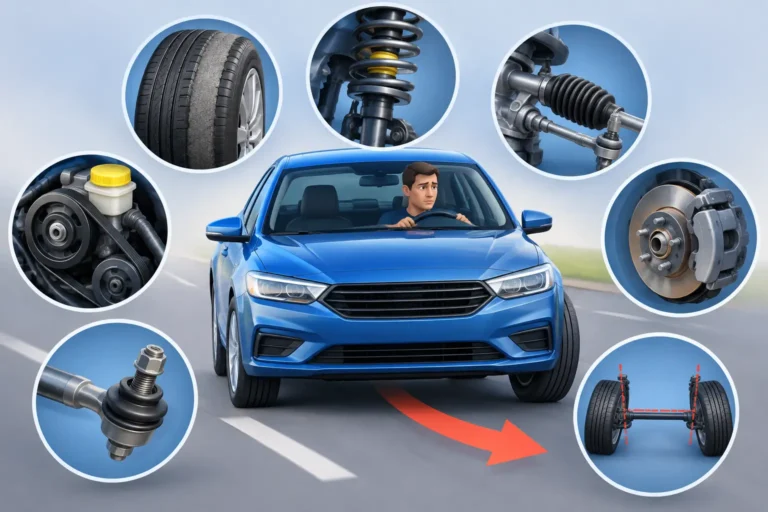
Brake performance, steering play and suspension wear are less obvious from the driveway. You may notice warning signs before the test, such as a vehicle pulling to one side, vibration through the steering wheel, clunking over bumps, a spongy brake pedal or a dashboard warning light. These symptoms deserve a proper inspection rather than a hopeful wait for the MOT result.
Major defects, dangerous defects and advisories
The wording on an MOT certificate matters. A minor defect does not prevent a pass, but it should still be addressed when practical. An advisory means an item has wear or deterioration that is not yet serious enough to fail, such as tyres approaching the legal tread limit or a component showing early corrosion.
A major defect means the vehicle fails and repairs are required before it can pass a retest. A dangerous defect is more urgent: the vehicle should not be driven until the issue has been repaired. This might apply where there is a clear, immediate risk to safety.
Advisories are not a sales list and should not be ignored either. They give you useful time to plan maintenance, compare options and avoid a more costly breakdown or failure later on. If the wording is unclear, ask the garage to explain what the item is, how soon it needs attention and what the practical risk is. Clear advice helps you make an informed decision rather than feeling pressured into work you do not understand.
MOT testing for diesel, hybrid and electric vehicles
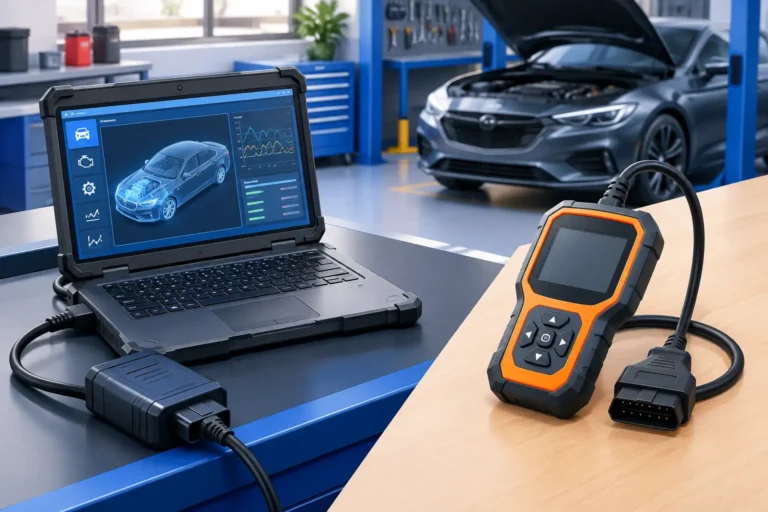
Modern vehicles need a test centre that understands the systems fitted to them. Diesel emissions testing remains particularly relevant, and excessive smoke or emissions-related faults can cause failure. Dashboard warnings connected to engine management or emissions systems can also affect the outcome.
Hybrid and electric vehicles do not have an exhaust emissions test in the same way as petrol or diesel cars, but they still require thorough safety checks. Tyres, brakes, suspension, lights, steering, seat belts and the vehicle’s general condition remain just as important. Electric vehicles can experience brake corrosion because regenerative braking means the conventional brakes may be used less often. Regular maintenance and appropriate inspection are still essential.
For premium, performance and specialist vehicles, the value of careful handling is equally important. The test standard is set nationally, but the way a vehicle is looked after before and after the inspection should reflect its particular requirements.
Simple checks before your MOT
A short check a few days before the test can save time and prevent avoidable failures. Walk around the vehicle with the lights switched on and ask someone to help check brake lights. Test the horn, front and rear wipers, washers and demisters. Check that number plates are clean, secure and easy to read.
Look at each tyre for visible damage and uneven wear, including the inner edges where possible. Check the tread with a gauge rather than relying only on the wear bars. Make sure the tyre pressures are set correctly, as poor pressure can affect handling, wear and the way tyres are assessed.
Inside the vehicle, ensure the driver’s seat can be secured in position and seat belts latch and retract properly. Remove anything that may obstruct the windscreen or mirrors. If a warning light is showing, or the vehicle has developed a new noise or handling concern, arrange a diagnostic check before the MOT rather than assuming it will disappear.
There is no benefit in trying to hide a fault. An honest pre-MOT inspection gives you time to understand what needs attention and authorise work on your terms. At AutoNet VIP, the aim is to explain findings plainly, carry out only the work that is needed, and help keep your vehicle roadworthy with minimal disruption.
What happens if your vehicle fails?
A failed MOT is inconvenient, but it gives a clear record of what needs correcting. Whether you can drive the vehicle depends on the nature of the defects, whether there is a valid existing MOT certificate and whether you are travelling to a pre-arranged repair or test appointment. A dangerous defect should always be treated as a stop-driving issue.
Ask for the failure items to be explained in plain language. Some repairs are straightforward, such as a bulb or wiper blade. Others, including brake, tyre, suspension or emissions faults, may require further inspection to identify the underlying cause. A reputable garage will distinguish between essential repairs for the retest and recommended work that can be planned for a later date.
It is also sensible to retain previous certificates and advisories. A repeated note about tyre wear, corrosion or brake condition can reveal a pattern that is worth investigating, especially if you rely on your car or van for commuting, school runs or work.
Your MOT should be a useful annual safety check, not a guessing game. A few minutes spent checking the basics, plus prompt attention to warning signs, can make the appointment far more straightforward and give you greater confidence every time you set off.