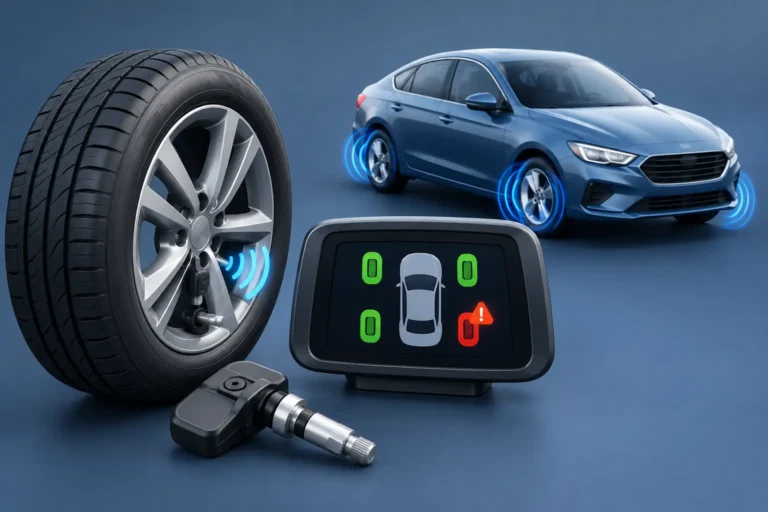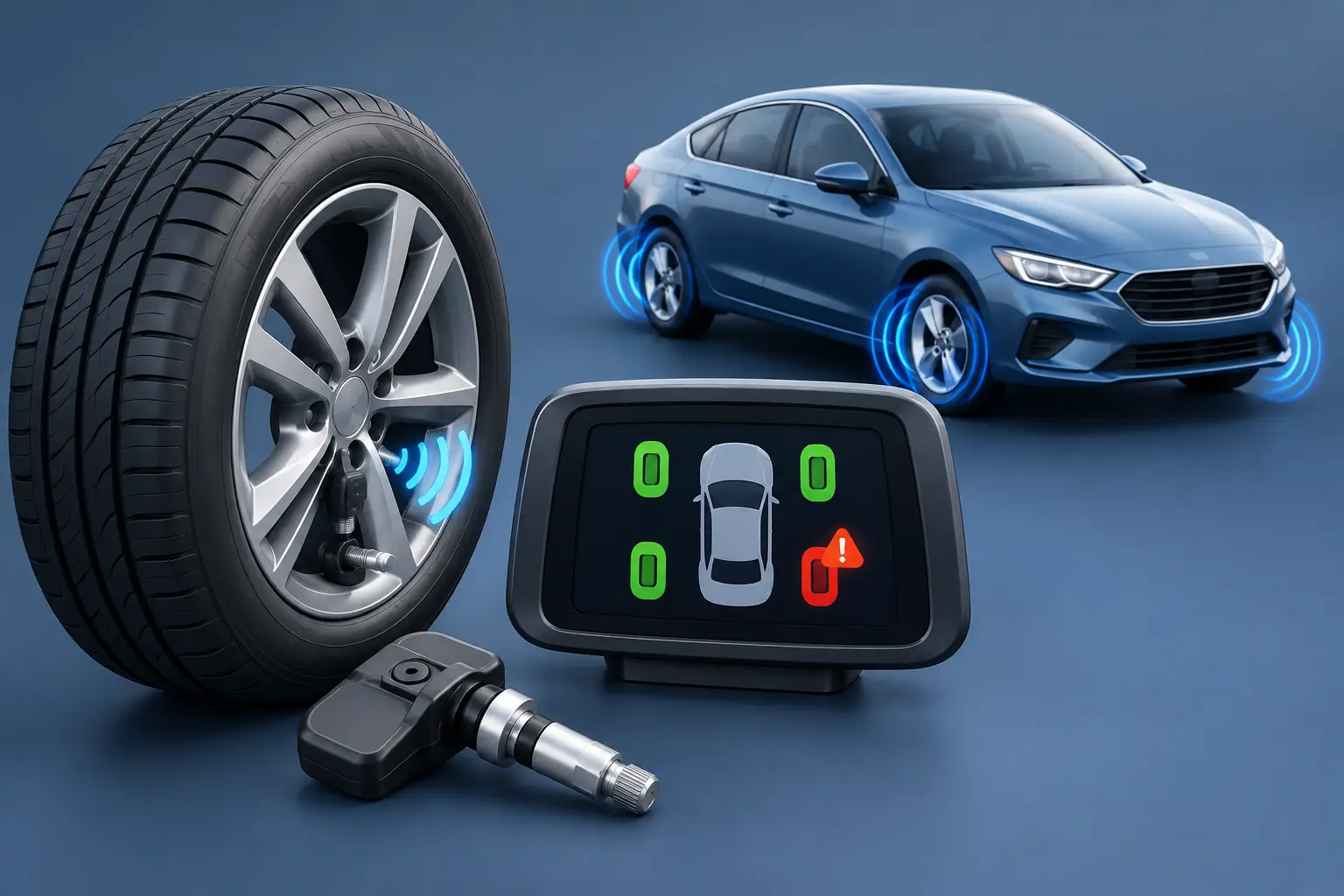
A TPMS – tyre pressure monitoring system – is designed to alert you before an under-inflated tyre becomes a bigger safety, handling or wear problem. That small warning light on the dashboard can be easy to put off when life is busy, but it deserves prompt attention. Tyres are the only part of your vehicle in contact with the road, and the correct pressure helps them do their job properly.
For drivers covering the school run, commuting into London or relying on a van for work, a TPMS warning is not necessarily a sign of an expensive repair. Often, it simply means one or more tyres needs checking and inflating. The key is to find out why the pressure changed rather than repeatedly topping it up and hoping for the best.
What does a TPMS do?
The tyre pressure monitoring system keeps watch over the pressure in your tyres and warns you when it detects a significant drop. Depending on the vehicle, the warning may show a general tyre symbol, identify the affected wheel, or display individual pressure readings.
Its purpose is practical. A tyre that is too soft can run hotter, wear unevenly and make the vehicle feel less precise through bends or during braking. It can also increase fuel consumption or reduce the driving range of an electric vehicle. If pressure loss is severe, continued driving risks tyre damage and, in the worst cases, a sudden failure.
TPMS is a warning system, not a replacement for regular checks. It may not alert you to every small change immediately, and it cannot tell you whether a tyre has sufficient tread, sidewall damage or a developing structural issue. Checking tyres by eye and checking pressures regularly still matters.
How tyre pressure monitoring systems work
There are two main types of system, and knowing which one your vehicle uses helps explain what may be needed when a warning appears.
Direct TPMS sensors
A direct system uses a small sensor fitted inside each wheel, usually attached to the tyre valve. The sensor measures pressure and temperature, then sends data to the vehicle’s control unit. This is the type most people associate with TPMS because it can often show the pressure at each wheel.
These sensors are battery-powered. Their batteries are sealed inside the unit and typically last several years, but not indefinitely. A battery failure, damaged sensor, leaking valve or communication fault can trigger a warning even when the tyre pressures are correct. Replacement sensors may also need programming or pairing to the vehicle before the system recognises them.
Indirect TPMS systems
An indirect system does not use pressure sensors inside the wheels. Instead, it uses information from the ABS wheel-speed sensors. A tyre with lower pressure has a slightly different rolling circumference, so the system looks for a wheel turning differently from the others.
This arrangement has fewer components inside the wheel, but it needs recalibrating after tyres are inflated, rotated or replaced. On many cars, this is done through the dashboard menu or a reset button once all four tyres have been set to the correct cold pressures. The exact process varies by manufacturer, so the vehicle handbook is the best starting point.
What to do when the TPMS warning light comes on
First, reduce speed smoothly and avoid harsh braking or sharp steering. If the vehicle pulls to one side, feels unstable, you can hear a flap or thump, or a tyre looks visibly flat, stop somewhere safe as soon as possible. Do not continue driving on a flat tyre unless your vehicle handbook specifically confirms how its run-flat system should be used.
If there is no obvious damage, check all four tyres and the spare where applicable. Look for nails, screws, cuts, bulges and damage to the tyre sidewall. Then check pressures with a reliable gauge when the tyres are cold, ideally before driving or after the vehicle has been parked for a few hours.
Use the pressures specified by the vehicle manufacturer, normally found on a sticker inside the driver’s door frame, behind the fuel flap or in the handbook. Do not rely on the maximum pressure printed on the tyre sidewall. That figure is a tyre limit, not your vehicle’s recommended setting.
After correcting the pressures, reset or recalibrate the system if your vehicle requires it. If the warning stays on, returns within a few days, flashes before remaining illuminated, or one tyre keeps losing air, arrange an inspection. A slow puncture, corroded valve, damaged wheel rim or sensor fault may be the cause.
Common reasons a TPMS light appears
A sudden warning after a cold night is common. Air contracts in lower temperatures, so tyre pressure can drop enough to trigger the system even without a puncture. Seasonal changes are a good reminder to check all tyres, rather than simply inflating the one that appears low.
Slow pressure loss is another frequent cause. A screw in the tread, a poor seal between tyre and wheel, or a leaking valve can lose only a small amount of air at a time. It may seem manageable, but running under pressure can damage the tyre internally before it looks seriously flat.
The light may also appear after tyre work. If a direct sensor is disturbed during fitting, a valve is not replaced correctly, or a new sensor has not been programmed, the vehicle may report a TPMS fault. With indirect systems, a reset may simply have been missed.
On older vehicles, a sensor battery reaching the end of its life is increasingly common. Sensors often age at a similar rate, so it is sensible to discuss the condition of the other sensors if one has failed. Replacing only the failed item can be the right value choice, while replacing several together may reduce repeat labour on a vehicle due for new tyres.
Why correct tyre pressure protects more than your tyres
Correct inflation supports predictable steering, braking and grip, particularly in wet conditions. It also helps tyres wear more evenly. Under-inflation tends to wear the outer shoulders and builds excess heat, while over-inflation can wear the centre of the tread and reduce the tyre’s contact patch.
For electric and hybrid vehicles, tyre pressure has an added effect on efficiency. These vehicles are often heavier than comparable petrol models, and their instant torque can place greater demands on tyres. Following the manufacturer’s pressure recommendation helps protect range, tyre life and handling without compromising the vehicle’s intended ride quality.
Pressure requirements can change with load. A family holiday, a fully laden estate car or a commercial van carrying tools may need higher pressures than everyday light-load driving. Check the vehicle label for the correct loaded setting before setting off, then return to the normal setting when that load is no longer carried.
TPMS faults, tyre repairs and MOT checks
A dashboard warning does not automatically mean a sensor needs replacing. Proper diagnosis should distinguish between a genuine pressure issue, a puncture, a faulty valve, a wheel problem and an electronic fault. That avoids paying for parts that do not solve the underlying issue.
Tyre repair is not always appropriate either. A repair may be possible for a suitable puncture in the central tread area, subject to a full inspection from inside the tyre. Damage to the shoulder or sidewall, driving while severely under-inflated, or a larger puncture can make replacement the safer option.
TPMS warning lights are also relevant at MOT time. On vehicles where the system is fitted and subject to inspection, an illuminated fault warning can affect the test result. It is far less stressful to investigate the warning before your MOT appointment than to discover it on the day.
At AutoNet VIP, a tyre pressure or TPMS concern can be assessed alongside the wider condition of your tyres, valves, wheels and related warning systems. Clear diagnosis helps you understand whether the answer is a pressure adjustment, puncture repair, sensor replacement or further electrical investigation.
A TPMS light is best treated as an early warning, not an inconvenience to ignore. A quick pressure check today can protect your tyres, improve confidence behind the wheel and prevent a small issue from interrupting tomorrow’s journey.