A flashing engine warning light, persistent knocking or a sudden loss of power can make any journey feel uncertain. When the diagnosis points to an internal engine fault, the central question is usually engine repair or replacement. The right answer is not always the cheapest option on the day. It depends on the cause of the fault, the condition of the vehicle as a whole and how long you need it to remain dependable.
A proper decision starts with clear evidence, not assumptions. Modern engines are complex systems of mechanical, electrical and electronic components, so the same symptom can have several possible causes. A loss of power, for example, may be caused by a turbocharger, injector, timing issue, sensor fault or worn internal engine components. Accurate diagnostics prevent customers paying for major work that their car does not need.
Start with a proper engine diagnosis
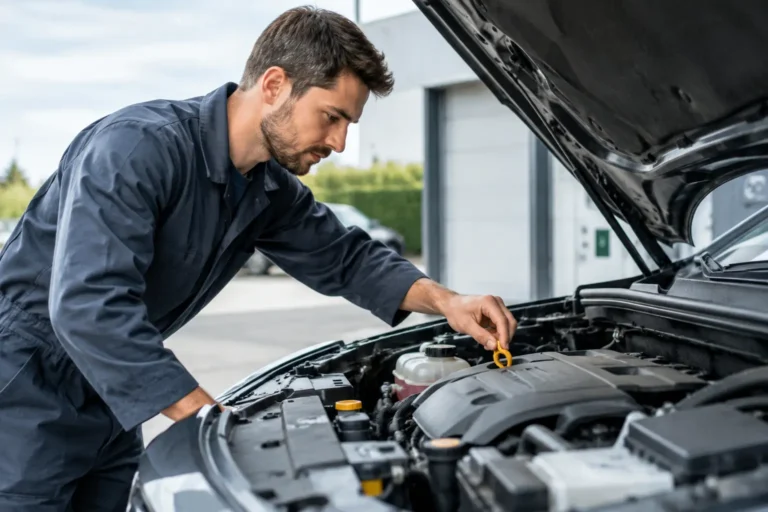
Before approving significant work, a garage should establish what has failed and why. Diagnostic fault codes are useful, but they are only one part of the picture. A skilled technician will also consider the vehicle’s service history, oil condition, coolant level, noises from the engine, exhaust smoke, compression readings and live data from the management system.
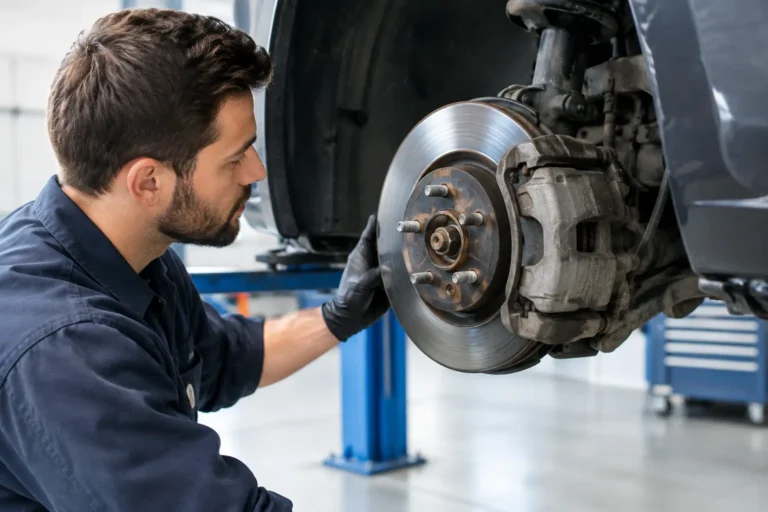
For petrol and diesel vehicles, tests may include cylinder compression or leak-down testing to identify worn piston rings, damaged valves or head-gasket problems. Oil pressure checks can reveal lubrication issues, while inspection of the timing belt or chain helps establish whether valve timing has been affected. On hybrids, the petrol engine and its control systems must be assessed alongside the electrical drive system. Electric vehicles do not have a conventional combustion engine, but they still require specialist diagnosis for motors, reduction gears, cooling systems and high-voltage components.
The aim is to give you a straightforward explanation: what has failed, what caused it, what must be done now and what options are available. That clarity matters, particularly when the repair could be worth hundreds or thousands of pounds.
When engine repair is the sensible choice
Engine repair is often the best route when the fault is localised and the rest of the engine is in good condition. Replacing a failed water pump, repairing an oil leak, fitting a new timing belt kit or resolving an injector issue can restore reliable performance without the cost of replacing the entire unit.
Even more involved work can be worthwhile. A cylinder-head repair may be appropriate after an overheating problem, provided the engine block, pistons and bottom end have not suffered serious damage. Likewise, replacing a turbocharger can make sense where the underlying oil supply issue has been corrected and the engine’s compression remains healthy.
Repair is particularly attractive when your vehicle is otherwise well maintained, has sensible mileage for its age and suits your needs. A family car with a sound body, good gearbox, current MOT and a documented service history may have plenty of useful life left. The same applies to a van that is vital to your work – keeping a familiar, serviceable vehicle on the road may be more practical than taking on the cost and uncertainty of changing it.
However, a repair only represents good value if it addresses the root cause. Replacing a damaged component without finding out why it failed can lead to the same problem returning. For example, fitting a new turbo without resolving blocked oil feed pipes or excessive crankcase pressure is unlikely to provide a lasting result.
When engine replacement may offer better value
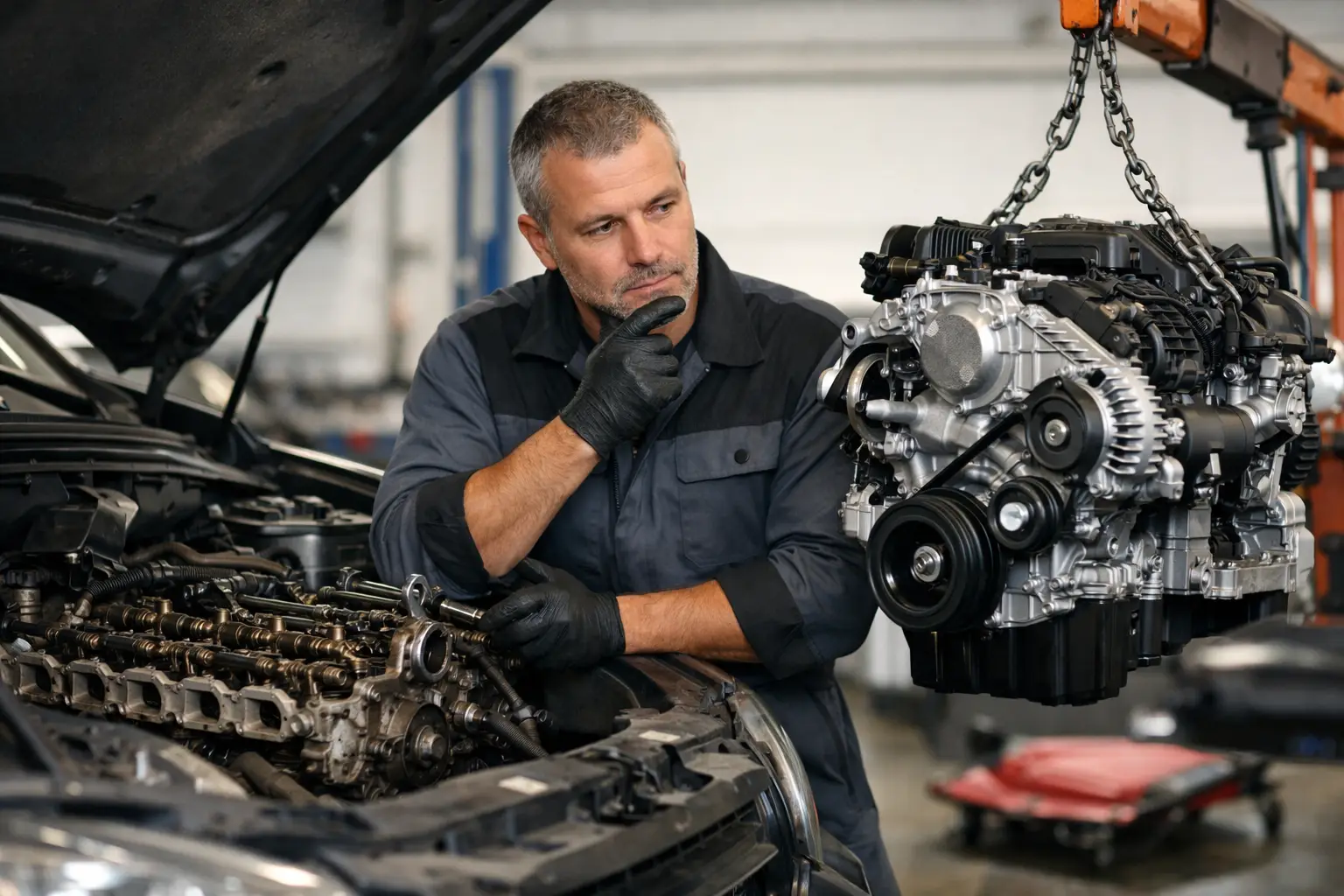
Replacement becomes a stronger option when damage is widespread or the engine has failed catastrophically. A snapped timing belt or chain can allow pistons and valves to collide. Severe overheating can crack a cylinder head or block. Running low on oil can damage bearings, crankshaft surfaces and other internal components. In these cases, repairing individual parts may become labour-intensive, unpredictable and expensive.
A replacement engine can also be the more reliable choice where multiple internal faults are present. If an engine has poor compression across several cylinders, heavy oil consumption, bearing noise and metal contamination in the oil, a partial repair may only postpone further problems.
There are normally two replacement routes: a used engine or a reconditioned engine. A used unit can be more affordable, but its history and remaining life may be uncertain. It should be sourced carefully, checked for compatibility and fitted with sensible preventative items where access is easier, such as timing components, seals, filters and fresh fluids.
A reconditioned engine has typically been dismantled, inspected and rebuilt with replacement parts to a defined standard. It usually costs more, but can provide greater confidence where you intend to keep the car for several years. The quality of the supplier, the specification of the rebuild and the warranty terms all matter. Not every reconditioned engine has undergone the same level of work.
How to compare engine repair or replacement costs
The headline price should never be the only figure considered. A cheaper repair can be a false economy if it leaves known weaknesses inside the engine. Equally, replacing an engine may not make financial sense if the vehicle has major corrosion, a failing gearbox, costly suspension work ahead or a market value well below the expected bill.
Ask for an estimate that separates parts, labour, fluids, diagnostic work and any additional items likely to be required. Engine jobs often uncover related issues once components are removed. A transparent garage will explain what is confirmed, what is recommended and what may only become clear during strip-down, rather than presenting surprise costs as unavoidable.
It is also worth considering the wider ownership picture. Will a successful repair give you reliable motoring for another year or two? Does replacement protect a vehicle you know and trust from the expense of buying another car? Is the vehicle a premium model, specialist van or well-equipped family car whose replacement cost is high? These questions can make a technically expensive job a financially sensible one.
Signs you should not ignore
Some engine faults worsen quickly if the car continues to be driven. Stop safely and seek advice if you notice a red oil-pressure warning, a serious overheating warning, loud knocking, heavy smoke, sudden severe power loss or coolant and oil mixing together. Continuing to drive can turn a repairable fault into major engine damage.
A yellow engine management light is not always an emergency, but it still deserves investigation, especially if it is flashing or accompanied by rough running. Misfires can send unburnt fuel into the exhaust and damage expensive emissions-control components. If the vehicle feels unsafe, loses power sharply or produces unusual noises, do not rely on the problem disappearing after a restart.
Regular servicing remains one of the best defences against major engine work. Correct oil specification, timely oil changes, cooling-system checks and replacement of timing belts or chains at the appropriate interval all protect the components that are hardest and most costly to repair.
Choose a garage that explains the options clearly
Major engine work is not a decision anyone should feel rushed into. You should know the diagnosis, understand the risks of each option and receive a clear indication of likely costs and timescales. For drivers in Harlow and the surrounding area, AutoNet VIP can assess conventional, hybrid and electric vehicle faults using modern diagnostic equipment and explain the findings in plain language.
The best next step is to book a diagnosis while the symptoms are still manageable. A clear assessment gives you control: you can repair with confidence, consider replacement where it genuinely offers better long-term value, or make an informed decision about your vehicle’s future.