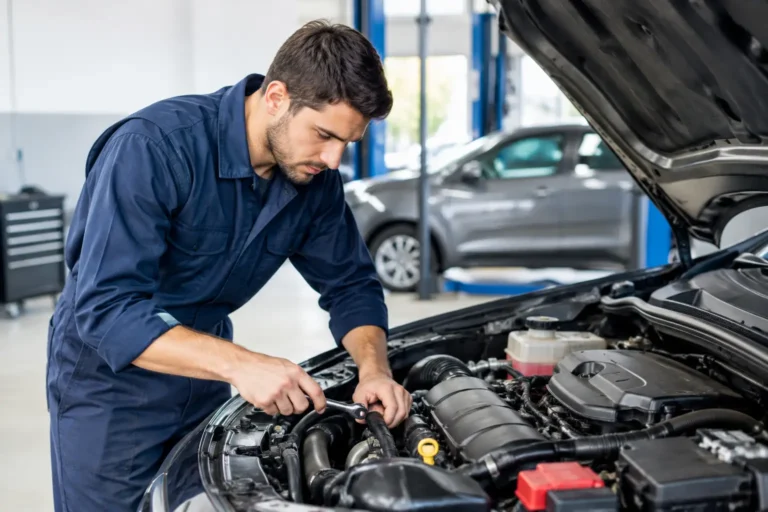
A car rarely chooses a convenient moment to need attention. A warning light before the school run, brakes that do not feel quite right on the way to work, or an MOT date that has crept up can quickly become stressful. Choosing a family run garage Harlow drivers can rely on should make those moments simpler: clear advice, capable technicians and no pressure to approve work you do not understand.
For many local motorists, a family-run approach is not about old-fashioned methods. It is about being treated as a person rather than a registration number. You need a garage that remembers the importance of your car, explains what has been found and has the equipment and knowledge to repair modern vehicles properly.
What a family run garage in Harlow should offer
Trust is earned in the practical details. When you leave your vehicle with a garage, you should know what is being checked, why work is recommended and what the likely cost will be before repairs begin. That matters whether you drive a small city car, a family SUV, a working van or a premium hybrid.
A dependable local garage combines personal service with proper workshop standards. The friendly welcome is valuable, but it should be backed by trained mechanics, quality parts where appropriate, accurate diagnostics and a process that protects both your time and your budget.
At AutoNet VIP, that means offering a full range of care under one roof, from routine servicing and MOT testing to complex electrical fault-finding, gearbox work and high-voltage hybrid and electric vehicle repairs. The aim is straightforward: provide the level of attention people expect from a local garage, with the capability their vehicle now requires.
Clear explanations before work starts
Vehicle faults can sound alarming when described in technical language. A good garage translates the issue into plain English. Instead of simply saying a component has failed, the team should explain what that part does, how it affects safety or performance, and whether the repair is urgent.
There is a difference between work that needs doing immediately and maintenance that can be planned for later. For example, worn brake pads may need prompt replacement, while tyres nearing their legal limit may allow time to compare options if they remain safe. Honest prioritisation helps drivers make informed decisions rather than feeling pushed into unexpected expense.
You should also expect a clear estimate and a call if further work is discovered. Cars can occasionally reveal additional faults once they are dismantled or tested, particularly on older vehicles. That does not automatically mean a garage has been careless with its original quote. What matters is that no extra repair goes ahead without an explanation and your approval.
Modern vehicles need more than basic mechanical knowledge
The idea that a local garage can only handle oil changes and simple repairs is long out of date. Modern cars are controlled by interconnected electronic systems, and a dashboard warning light can point to several possible causes. Replacing parts based on guesswork can be expensive and may not solve the problem.
Professional diagnostics are therefore central to good service. The right equipment allows technicians to read fault codes, assess live data, identify communication issues and test the relevant system before recommending a repair. A fault code is a starting point, not always the answer. An experienced technician uses it alongside inspection and testing to establish what is actually wrong.
This is particularly relevant for hybrid and electric vehicles. These cars still need tyres, brakes, suspension checks and air conditioning servicing, but their high-voltage systems demand specialist knowledge and safe working procedures. Selecting a garage with the right training and equipment gives you the convenience of local support without compromising on technical care.
Servicing is about prevention, not just paperwork
Routine servicing is one of the most effective ways to avoid inconvenient repairs. During a proper service, your garage can check fluid levels and condition, filters, brakes, tyres, steering, suspension, battery health and other key systems according to the vehicle’s needs.
The right service interval depends on the manufacturer guidance, your mileage and how you use the vehicle. A car that completes frequent short trips may place different demands on its engine and battery than one that regularly covers longer motorway journeys. Likewise, a van carrying tools and equipment may need closer attention to tyres, brakes and suspension than a lightly used car.
Servicing should never become a one-size-fits-all sales exercise. Some parts have a fixed replacement schedule, while others need replacing only when their condition shows it is necessary. A trustworthy garage will distinguish between the two and explain the reasoning.
MOTs should come with useful advice
An MOT confirms that a vehicle meets the required road safety and environmental standards on the day it is tested. It is not a substitute for regular maintenance, but it is an important safety check and a legal requirement for most vehicles over three years old.
If your vehicle passes with advisories, do not ignore them. Advisories are not an automatic failure, yet they can identify components that will need attention before long. Tyres showing wear, brake components with corrosion, or slight play in a suspension joint may be manageable today but could develop into a more costly issue if left unchecked.
A customer-focused garage will talk through any advisory in sensible terms. You should understand what to monitor, what to book in soon and what may be safely dealt with at a future service. That approach helps spread maintenance costs where appropriate while keeping safety first.
Why local accountability matters
There is real value in having one garage that knows your vehicle’s history. When the same team has serviced your car, repaired it and carried out previous checks, they can spot changing patterns more easily. A recurring battery issue, uneven tyre wear or repeated warning light may tell a more useful story when viewed alongside earlier work.
It also creates accountability. A local business depends on long-term relationships and recommendations, so its reputation is built one visit at a time. That does not mean every repair will be cheap – quality parts, skilled labour and diagnostic time all have a cost. It means the price should be fair, the work should be justified and the conversation should remain respectful.
For drivers with busy schedules, convenience matters too. A garage that can manage MOTs, servicing, repairs, tyres, air conditioning and diagnostics saves you from repeating your vehicle’s story at several different workshops. Membership options with service reminders and priority booking can be useful for motorists who want to stay ahead of maintenance, although they are most worthwhile when they suit your driving habits and planned ownership of the vehicle.
Questions worth asking before you book
Before choosing a garage, ask how they diagnose faults, whether they can work on your vehicle type and how they handle extra work found during an inspection. You may also want to ask about parts options, expected turnaround times and whether a service will be completed in line with manufacturer requirements.
Listen to how the answers are given. Technical expertise matters, but so does the willingness to communicate without jargon or impatience. You should feel comfortable asking questions about a quote, an MOT advisory or a warning light. No driver should leave a workshop unsure what has been done to their car.
A good garage relationship takes the uncertainty out of vehicle ownership. When your car next needs attention, choose a team that will inspect it carefully, explain it honestly and help you make the right decision for the road ahead.