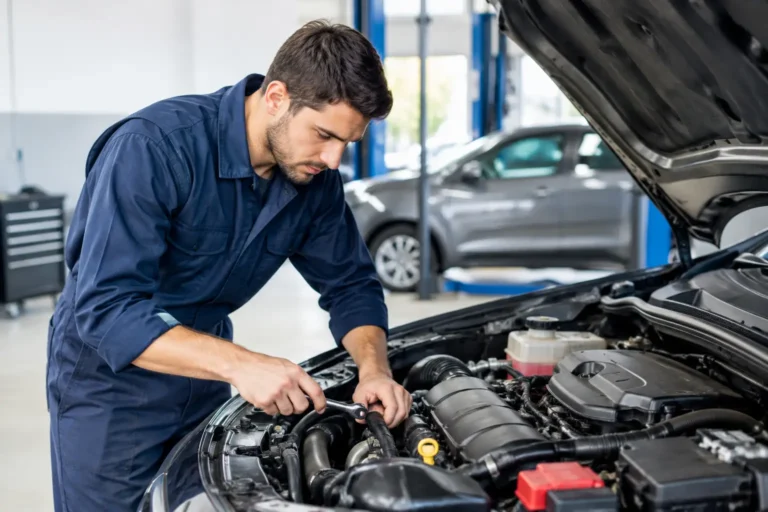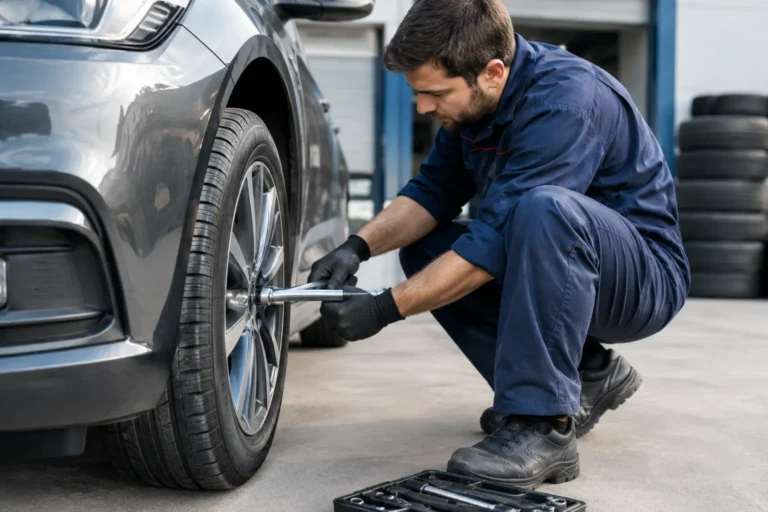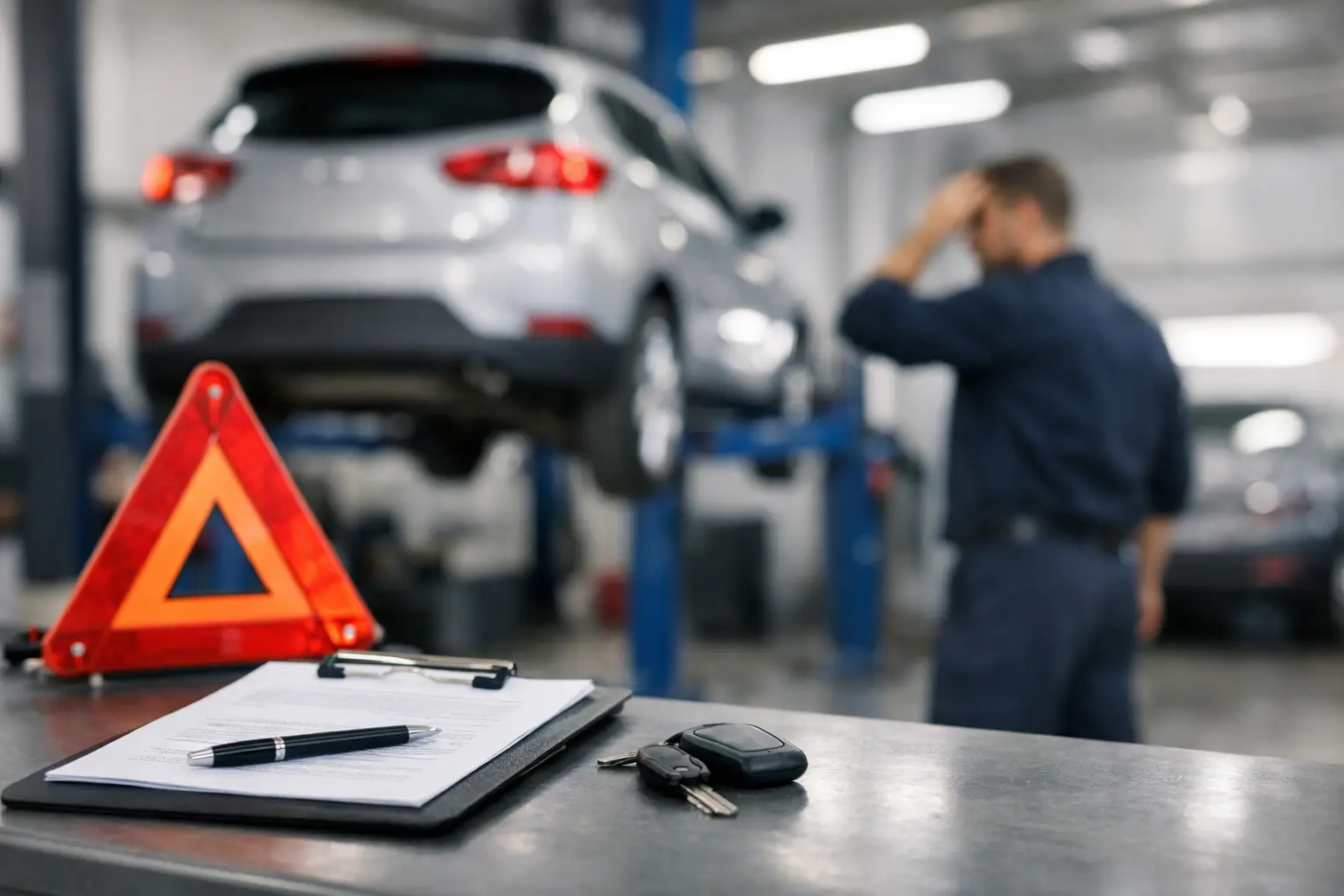
Seeing “fail” on an MOT result can ruin your day in seconds. Our MOT failure guide is here to make the next step clear, because a failed test does not always mean a major repair bill or days off the road.
What an MOT failure actually means
An MOT failure means your vehicle did not meet the minimum legal road safety or environmental standards at the time of the test. That is the key point – it is about minimum standards, not whether the car feels fine to drive. Many faults that trigger a failure are easy to miss from the driver’s seat, especially if they build up gradually.
The tester will give you a refusal of an MOT test certificate and a record of the issues found. Those issues are usually grouped by severity. Dangerous defects are the most urgent, major defects will also fail the test, and minor defects are advisory rather than fail items. Advisories matter more than many drivers think. They are often the warning signs that next year’s MOT, or even next month’s repair visit, could become more expensive.
MOT failure guide: first steps after a fail
The first thing to do is read the failure sheet properly. Do not just look at the word “fail” and assume the worst. You need to know whether the defects are dangerous, major, or simply noted as advisories. That affects whether the vehicle should be driven, how quickly repairs need to happen, and how much flexibility you have.
If the vehicle has dangerous defects, it should not be driven until the problem is fixed. If the defects are major but not classed as dangerous, the legal position can still depend on whether your current MOT has already expired and whether the vehicle remains roadworthy. This is where many people get caught out. A car can feel normal and still be legally unsafe.
The practical move is simple – ask the garage to explain each failed item in plain language, what caused it, how urgent it is, and whether there are repair options. A good workshop will not bury you in jargon or pressure you into extra work that has nothing to do with the failed test.
The most common reasons cars fail MOT tests
Lighting issues are near the top of the list every year. A blown bulb, faulty brake light, damaged lens, or headlight aim problem can all trigger a fail. These are often among the quickest fixes, but they still matter because visibility and signaling are basic safety items.
Tires are another common problem. Low tread depth, uneven wear, sidewall damage, or the wrong tire condition can all lead to failure. Tires also tell a bigger story. Uneven wear may point to alignment, suspension, or steering issues, so replacing rubber alone is not always the full solution.
Brakes regularly cause failures too. That might mean worn pads or discs, poor brake performance, imbalance across the axle, or leaks in the system. Some brake faults are routine wear-and-tear jobs. Others point to sticking calipers, corroded brake lines, or deeper hydraulic issues.
Suspension and steering faults can be less obvious to the driver until they become severe. Worn bushes, damaged springs, leaking shock absorbers, or excessive play in steering components can all result in a fail. The same goes for emissions, especially on diesel vehicles and cars with engine management issues. A warning light on the dash may seem minor, but if it relates to emissions systems, it can be enough to stop a pass.
Is it expensive to fix an MOT fail?
Sometimes yes, sometimes no. That is the honest answer.
A failed bulb, wiper blade, or tire might be relatively inexpensive. Brake repairs sit in the middle depending on what is worn and whether both sides of an axle need attention. Suspension work can range from a straightforward replacement to a larger job if multiple components are tired. Emissions faults are often the hardest to price before proper diagnostics because the root cause could be a sensor, a leak, a filter issue, or something deeper in the engine management system.
This is why estimates should be broken down clearly. You want to know what is essential for the MOT retest, what is recommended soon, and what can reasonably wait. Transparent garages separate those points, so you stay in control of the spending.
Should you repair the car or replace it?
That depends on the age, value, and overall condition of the vehicle. One MOT fail does not automatically mean the car is at the end of its life. Plenty of good vehicles fail on wear-and-tear items that are worth fixing. On the other hand, if the test reveals a long list of structural, braking, suspension, and emissions faults all at once, you may need to weigh repair costs against the car’s market value and future reliability.
A useful way to think about it is this – are you paying to restore a generally sound car, or are you starting a chain of catch-up repairs? Service history matters here. If the vehicle has been maintained properly and the fail is mostly age-related wear, repair is often the smarter choice. If it has been neglected and faults keep stacking up, replacing it may be more economical.
How retests work
Once the failed items are repaired, the vehicle can be retested. The process and any retest fee can depend on where the repairs are done and how quickly the vehicle returns. That is worth asking about before authorizing work, not after.
Convenience matters here. Having the same garage inspect, repair, and retest the car can save time and reduce back-and-forth. It also makes communication easier if something on the failure sheet needs clarification. The best experience is when the workshop explains the repair, shows you what was wrong if needed, and confirms exactly what has been done before the retest is carried out.
How to reduce the chances of failing next time
The best MOT prep is not a last-minute checklist the night before. It is consistent maintenance through the year.
That said, a basic pre-MOT check still helps. Make sure all lights work, tire tread is legal, washer fluid is topped up, wipers clear the screen properly, and the number plates are clean and readable. If warning lights are showing on the dashboard, do not ignore them and hope for the best. Get them checked before the test.
Regular servicing makes a big difference because technicians can spot developing issues before they become MOT failures. Brake wear, suspension play, fluid leaks, battery condition, and emissions-related faults are often easier and cheaper to handle early. This is especially true for hybrid and electric vehicles, where warning messages and electronic faults should be assessed by a garage with the right equipment and training.
Why clear advice matters after an MOT fail
Most drivers are not worried by the word “MOT” itself. They are worried about not knowing what comes next, how serious the problem is, and whether they are being quoted fairly. That is why communication matters as much as technical skill.
You should expect a garage to explain what failed, what must be fixed now, and what is simply worth keeping an eye on. You should also expect honest timeframes. Some repairs are same-day jobs. Others depend on diagnostics, parts availability, or the extent of wear once components are removed and inspected.
At a workshop like AutoNet VIP, that approach is straightforward – explain the issue clearly, price the work transparently, and focus on getting the vehicle safe, roadworthy, and back in service without unnecessary stress.
A failed MOT is a warning, not a dead end
The worst response to a failure is panic, and the second worst is delay. Most failed MOTs become much easier to deal with when the faults are explained clearly and fixed promptly. Whether the issue is as small as a bulb or as involved as brakes, suspension, or emissions work, the goal is the same: make the car safe, legal, and reliable again.
If your vehicle fails, treat it as useful information. It is a snapshot of what needs attention now, and often a chance to avoid a bigger problem later. The right garage will help you make sense of it without drama, and that alone can save you money as well as stress.