A low repair quote can feel like a result – until the same fault returns, a replacement part fails, or an insurer asks for evidence that the work was completed correctly. When drivers search for “warranty, insurance standards that are not negotiable”, what they usually want is reassurance: clear protection, safe workmanship and no difficult conversations after they have paid.
A reputable garage should be willing to explain its warranty and insurance position before work starts. This is not about chasing complicated small print. It is about knowing who is responsible if a repair does not last, how your vehicle is protected while it is on site, and whether the job has been carried out to a standard that supports its safety, value and future reliability.
Warranty and insurance standards that are non-negotiable
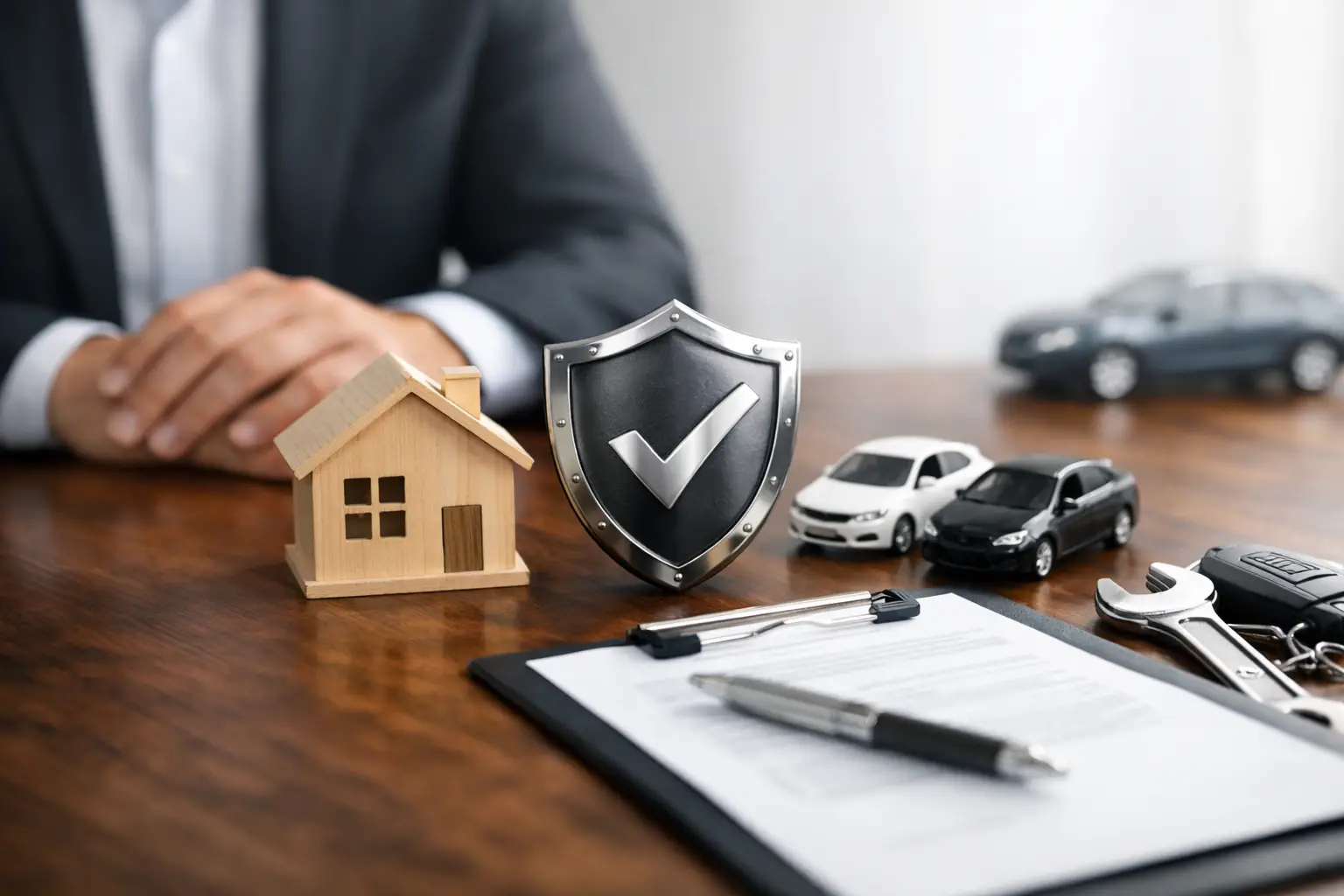
Warranty and insurance are often grouped together, but they protect you in different ways. A warranty concerns the quality and durability of the repair or part supplied. Insurance concerns events such as accidental damage, fire, theft or liability while your vehicle is in the garage’s care.
Neither should be treated as an optional extra. If a garage is vague about either point, it is reasonable to pause before authorising work – particularly where the repair involves brakes, steering, suspension, engine components, a gearbox, advanced diagnostics or high-voltage systems.
A written warranty on parts and labour
A parts warranty alone is not enough. If a newly fitted component fails, the cost is not always limited to the component itself. Diagnosing the issue, removing the failed part and fitting a replacement can involve significant labour.
Ask whether the garage warranties both the parts it supplies and the labour used to fit them. You should also understand the warranty period, what evidence you need to keep, and whether there are conditions attached. For example, some parts carry a manufacturer warranty but may not cover failure caused by an unrelated fault, incorrect use or a vehicle that has not been maintained appropriately.
That does not make a warranty worthless. It simply means clear advice matters. A good garage will explain what is covered in plain English rather than relying on broad promises that become unclear when you need help.
Parts that match the job and the vehicle
Not every repair requires the same type of part. Depending on the vehicle, age, mileage and budget, the sensible choice may be an original equipment part, an equivalent-quality aftermarket component or, in limited situations, a tested used part.
The non-negotiable standard is transparency. You should know what is being fitted and why. On safety-critical work, such as brakes, tyres and steering components, cutting costs with poor-quality parts can be a false economy. On a premium, performance, hybrid or electric vehicle, correct specification is equally important because systems are often closely integrated and electronically monitored.
Your invoice should identify the parts used wherever practical. That record is useful if you make a warranty claim, sell the vehicle, or need to demonstrate its maintenance history later.
Authorisation before extra work begins
A vehicle inspection can uncover faults that were not obvious at booking. Corroded fittings, worn adjacent components and underlying electrical issues are all real possibilities. The right response is not to carry out unapproved work and present a larger bill at collection.
You should receive a clear explanation of the finding, the urgency, the price and the consequences of delaying the repair. Then you can decide. This protects your budget and gives the garage a clear record of authorisation.
There are rare exceptions, such as immediate action required to prevent a serious safety issue while the vehicle is in pieces. Even then, the garage should make every reasonable effort to contact you and document the decision.
What proper garage insurance should cover
A garage’s standard business insurance is not necessarily the same as cover for customers’ vehicles. The key protection is often known as road risk or custody and control cover. In simple terms, it addresses the garage’s responsibility while it has possession of your car or van.
Appropriate cover should account for vehicles stored on site, moved around the premises and, where necessary, driven during a road test. It should also reflect the type and value of vehicles the workshop handles. A garage working on electric vehicles needs processes and insurance arrangements that recognise the additional risks of high-voltage work, battery damage and specialist recovery.
Insurance does not remove every risk, and policy terms vary. What matters is that the business takes its duty of care seriously, stores vehicles securely and has a clear process should an incident occur.
Road testing must be controlled
A road test is often essential after diagnostic work, brake repairs, clutch replacement, wheel alignment, engine repairs or software updates. It can confirm that a fault has been resolved in real driving conditions.
But it should never be casual. The vehicle should be driven only when necessary, by an appropriately licensed and authorised person, with suitable insurance in place. Mileage and vehicle condition should be recorded where appropriate, especially for higher-value vehicles or extensive repairs.
If you have concerns about a road test – perhaps because of a performance vehicle, a specialist conversion or a strict mileage limit – raise them when booking. A professional workshop will discuss the practical options rather than dismissing the question.
Safe handling is part of the promise
Insurance is the financial back-up. Safe working practices are the first line of protection. That includes using correct lifting points, battery support where needed, protective measures during bodywork or interior work, and proper diagnostic procedures before replacing expensive components.
For hybrids and EVs, safety goes further. High-voltage systems require trained technicians, suitable isolation procedures and equipment designed for the job. A warning light or charging issue is not something to guess at. Incorrect intervention can damage the vehicle and create a genuine safety risk.
Questions worth asking before you book
You do not need to interrogate a garage, but a few direct questions can prevent misunderstandings. Ask whether the estimate includes parts, labour, VAT and diagnostic time. Confirm the warranty period for the proposed repair and whether it covers labour as well as the component.
It is also sensible to ask how additional work is authorised, whether a road test may be required, and what cover applies while the vehicle is in the garage’s care. For a hybrid or EV, ask whether the technician is equipped and trained for the relevant high-voltage work.
The quality of the answer matters as much as the answer itself. Clear, calm explanations are a sign that the garage is used to being accountable. Rushed reassurance, unexplained exclusions or pressure to approve work immediately deserve more caution.
Keep the paperwork that protects you
Once the work is complete, retain the invoice, warranty information and any inspection report. These documents should show the vehicle registration, date, mileage where relevant, work completed and parts fitted. If an advisory item has been identified but not repaired, it should be clear whether it is urgent or simply something to monitor.
Paperwork is particularly valuable for vehicles under manufacturer warranty, lease arrangements and fleet use. Some providers have servicing requirements or approved-part expectations. An independent garage can often service and repair these vehicles competently, but the work must follow the correct specification and be documented properly. If you are unsure, check the terms of your specific agreement before authorising non-routine work.
The cheapest repair is not always the lowest cost
Price matters, and nobody wants to pay for work they do not need. Yet a quote without clear parts, labour cover, authorisation procedures and insurance safeguards is not easy to compare with a properly itemised repair.
The better value is usually the repair that is diagnosed accurately, explained honestly and supported after collection. At AutoNet VIP, that means treating the warranty conversation as part of the service, not something to hide in the background.
Before leaving your keys with any garage, make sure you understand the protection behind the repair. A straightforward question now can save considerable inconvenience later – and lets you choose with confidence rather than hope.