A warning light on the dashboard, brakes that no longer feel quite right, or an MOT date creeping closer can turn an ordinary week into a worry. If you are looking for a good mechanic in Harlow, why AutoNet VIP is the garage you can trust comes down to more than a repair being completed. It is about knowing what has gone wrong, what needs doing now, what can wait, and what the work will cost before you agree to it.
A good local garage should make car care feel clearer, not more confusing. Whether you drive a family hatchback, a work van, a premium vehicle or a hybrid, you need practical advice from people who understand the vehicle in front of them and respect the person who owns it.
What makes a garage genuinely trustworthy?
Trust is earned in the moments when a customer has limited technical knowledge and a garage has the expertise. It means explaining faults in plain English rather than using jargon to pressure someone into authorising work. It means identifying safety-critical problems honestly, while being equally honest when a repair is advisable but not immediately urgent.
Price matters too, but the cheapest quote is not always the best value. A low initial price can become expensive if the cause of a fault is not properly diagnosed, poor-quality parts are fitted, or necessary work is missed. A trustworthy mechanic looks at the full picture: the condition of the car, its mileage, its service history and how you use it.
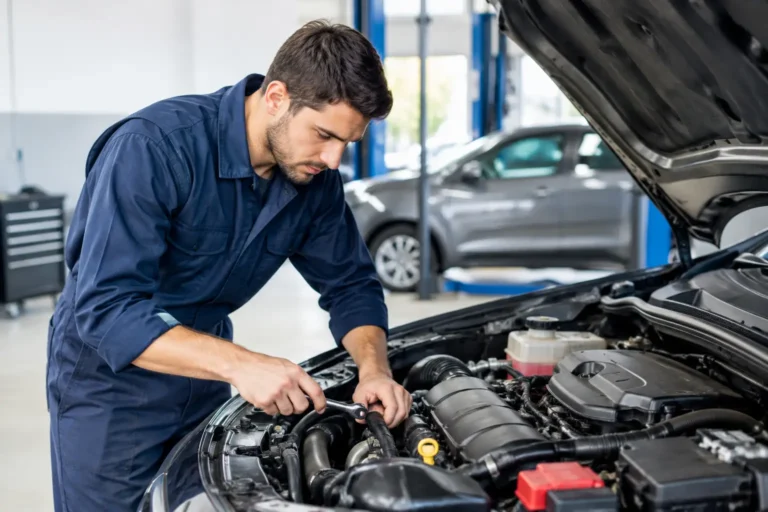
At AutoNet VIP, the aim is to give drivers that clarity. The workshop combines trained technicians with modern equipment, but the service remains straightforward: discuss the issue, diagnose it properly, explain the options and keep the customer in control of the decision.
Looking for a good mechanic in Harlow? Start with capability
Cars have changed significantly. A routine service on an older petrol car is very different from investigating a warning message on a modern diesel, hybrid or electric vehicle. Electronics now control everything from engine performance and emissions systems to parking sensors, battery management and safety features. A garage needs the right diagnostic equipment and the knowledge to interpret what it finds.
That does not mean every issue needs an expensive electronic investigation. A rattle may be a worn suspension component, uneven tyre wear may point to alignment, and poor braking performance may simply need a close inspection of discs and pads. The value of a capable garage is knowing where to begin, rather than replacing parts in the hope that the problem disappears.
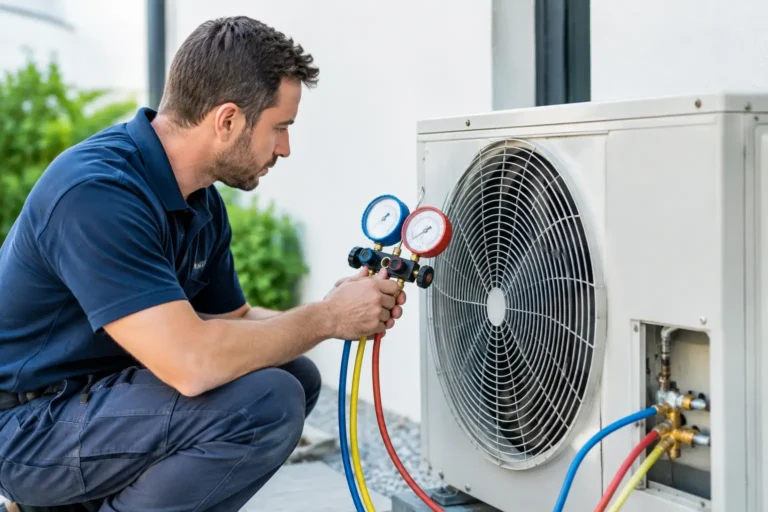
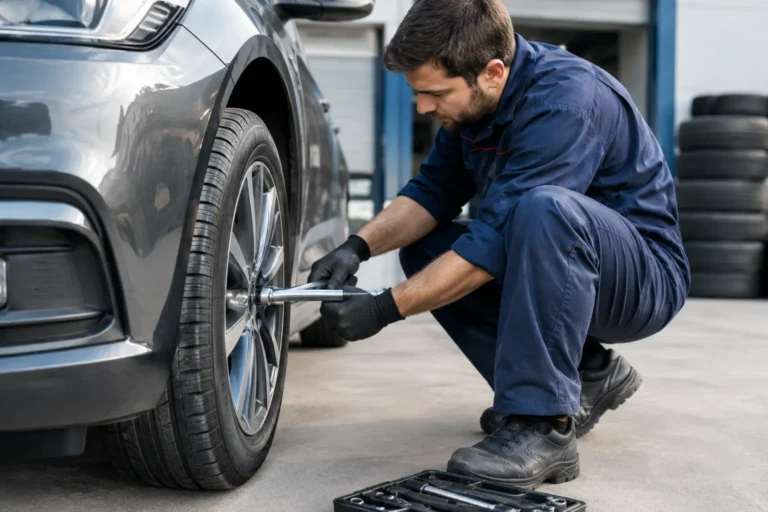
This breadth matters for drivers who want one reliable place for ongoing vehicle care. Servicing, MOT testing, tyres, brakes, air conditioning, suspension work, engine repairs and diagnostics are all connected. When a garage understands the history of your vehicle, it is easier to spot developing problems early and make sensible maintenance recommendations.
Petrol, diesel, hybrid and electric expertise
Choosing a garage is especially important when your vehicle has hybrid or electric technology. These vehicles still need familiar jobs such as tyres, brakes, suspension checks and cabin filters, but they also have high-voltage components and complex control systems that require suitable training and safe processes.
Hybrid and electric ownership can reduce some maintenance needs, but it does not remove the need for professional care. Brakes can corrode when regenerative braking does much of the daily work, tyres can wear quickly because electric vehicles are heavier and deliver instant torque, and software or battery-related warnings must be assessed correctly.
The same principle applies to modern diesel cars. Issues involving emissions systems, sensors or engine management need accurate diagnostics before any repair is recommended. Proper investigation may take a little longer than a quick guess, but it helps prevent unnecessary expense and repeat visits.
Clear communication protects your time and budget
Few things are more frustrating than booking a car in, arranging lifts or changing your working day, then receiving a vague call about unexpected costs. Repair work can uncover additional issues – particularly on older or high-mileage vehicles – but this should never become a surprise bill.
A customer-first garage communicates what has been found, why it matters and what the available choices are. If a repair is essential for safety or roadworthiness, you deserve to know that plainly. If there is a less urgent item to monitor or plan for at the next service, that should be stated just as clearly.
This approach is useful for every kind of driver. Commuters need a dependable car for the daily journey. Families need confidence that tyres, brakes and lights are in safe condition. Van owners need to minimise downtime, because a vehicle off the road can mean missed work. Drivers of performance or premium vehicles want careful, informed maintenance rather than a one-size-fits-all approach.
Transparent pricing is part of that respect. Before work goes ahead, you should understand the recommended repair and the likely cost. If there are different options, such as repair versus replacement, or original-equipment versus appropriate equivalent parts, the garage should explain the trade-offs rather than make the decision for you.
Preventative maintenance is usually the less stressful option
Most motorists do not think about a garage until something goes wrong. That is understandable, but planned servicing often costs less and causes less disruption than waiting for a breakdown. Oil, filters, fluids, brakes, tyres and belts all have serviceable lives. Catching wear before it becomes a failure can protect both your vehicle and your wallet.
An MOT is an important annual safety and roadworthiness check, but it is not a substitute for maintenance. It confirms whether a vehicle meets the required standard at the time of testing. A service takes a broader look at the items that keep the car running efficiently and reliably between tests.
The right schedule depends on your vehicle and how you drive it. Short urban journeys, heavy commuting, towing, frequent stop-start traffic and high annual mileage can all put extra strain on components. Conversely, a low-mileage car may still need attention if it spends long periods standing still. A sensible mechanic will tailor advice to your circumstances rather than sell work you do not need.
Small symptoms are worth checking early
Not every concern means a major repair, but it is wise to act before a minor symptom develops into a costly fault. Arrange an inspection if you notice a persistent warning light, unusual vibration, pulling under braking, difficulty starting, reduced power, strange noises, fluid leaks or air conditioning that no longer cools properly.
Some issues need immediate attention. A red warning light, brake warning, overheating engine, strong fuel smell or sudden loss of steering or braking performance should not be ignored. Stop somewhere safe where possible and seek professional advice. Continuing to drive may turn a manageable repair into serious damage or create a safety risk.
A garage relationship should be built for the long term
The best garage is not simply the one that fixes a problem once. It is the one you feel comfortable returning to, because it has treated you fairly, completed the work properly and kept you informed. That relationship becomes valuable over time as the workshop gets to know your vehicle, its previous repairs and the maintenance that will help it stay dependable.
For drivers who prefer an organised approach to ownership, a membership programme can also make routine care easier through service reminders, priority bookings and member savings. It will not suit everyone – occasional drivers may prefer to pay only when work is needed – but regular users and households with more than one vehicle may appreciate the added convenience.
When choosing where to take your car, ask yourself a simple question: will this garage give me a clear answer, a fair recommendation and work I can rely on? If that is what you want, book an inspection or service before a small concern becomes an inconvenient one.