A warning light on a hybrid or electric vehicle can feel different from an ordinary engine fault. The car may limit power, refuse to charge or display a message that gives very little away. For high voltage diagnostics Harlow drivers can rely on, choosing a capable main dealer alternative Harlow motorists trust can mean getting clear answers without automatically accepting dealer-level costs.
The right garage does not guess at an electrical fault or simply clear the warning and hope it stays away. It follows a safe, structured process to identify what the vehicle is reporting, test the relevant systems and explain what the result means for you. That is particularly important when high-voltage components are involved.
What high-voltage diagnostics actually involves
Electric and hybrid vehicles combine familiar mechanical systems with complex battery, charging and control technology. A warning light could relate to the high-voltage battery, battery cooling, insulation resistance, charging equipment, inverter, DC-DC converter, electric motor or the communication between control units. It could also stem from a conventional 12V battery, damaged wiring or a software issue.
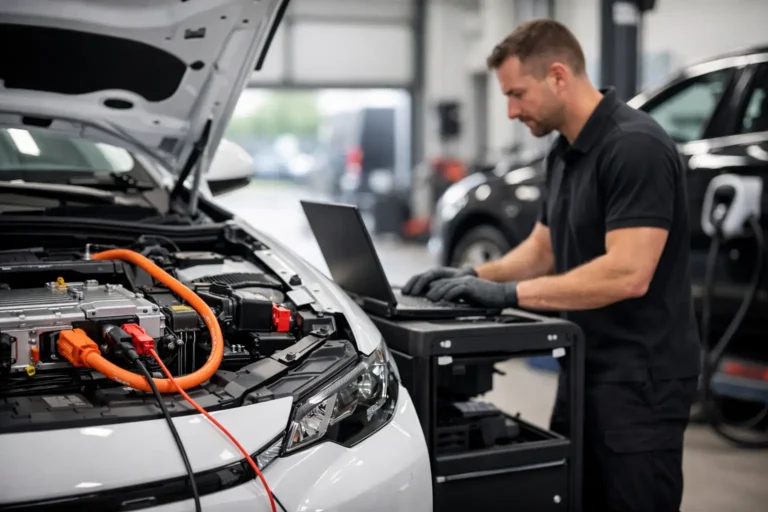
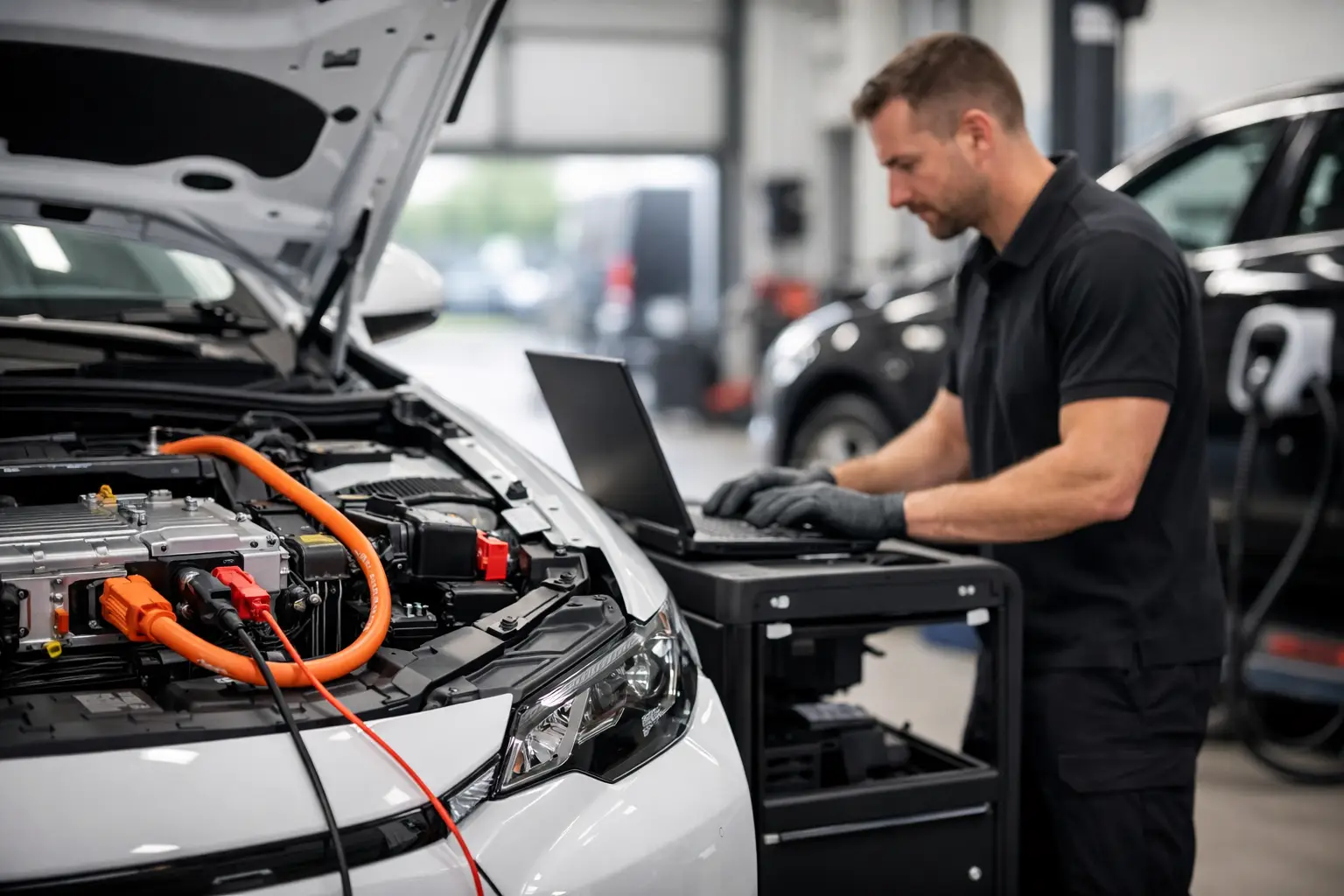
That is why a proper diagnostic appointment should begin with more than plugging in a code reader. Fault codes provide a starting point, not a final answer. An experienced technician will review live data, freeze-frame information and system readings, then carry out targeted checks in line with safe high-voltage working procedures.
On many vehicles, the first job is to confirm whether the issue is current, intermittent or historic. A fault that appeared once during low battery voltage may need a different repair from a repeated insulation warning. The detail matters, because replacing expensive parts without proving the cause is not fair to the customer.
Why a specialist main dealer alternative in Harlow makes sense
A main dealer can be the right option in some circumstances. For example, a manufacturer recall, warranty claim, software campaign or work that only the manufacturer is authorised to complete may need to go through the dealer network. There is no value in pretending otherwise.
For many out-of-warranty diagnostic, maintenance and repair needs, however, an independent workshop with the right skills and equipment can offer a more practical route. You should still expect professional diagnostic equipment, trained technicians, documented findings and an explanation before work begins. The difference is often a more personal service, a clearer discussion of repair options and pricing designed around the work required rather than a fixed corporate process.
At AutoNet VIP, the focus is on combining modern diagnostic capability with the straightforward service local drivers expect. Whether you drive an electric family car, a hybrid commuter vehicle, a premium model or a working van, you deserve to know what is wrong, what needs attention now and what can reasonably wait.
High-voltage faults are not always battery faults
The phrase ‘high-voltage warning’ understandably makes drivers think of a failed traction battery. In reality, the battery may not be the cause. EVs and hybrids depend on a network of parts working together, and one smaller fault can affect the whole system.
A weak 12V battery is a common example. It may seem unrelated to the traction battery, yet low voltage can trigger communication errors and confusing warning messages. Likewise, a problem with the charge port, charge flap actuator, coolant pump or a corroded connector can prevent charging or put the vehicle into reduced-power mode.
Battery thermal management is another area that needs careful attention. High-voltage batteries work best within a controlled temperature range. A cooling issue may trigger warnings, reduce charging speed or affect performance before it causes a complete breakdown. Finding it early can protect the vehicle and avoid more disruptive repairs later.
This is why diagnosis should be evidence-led. A garage should not recommend a battery replacement because a warning light sounds serious. It should establish which component or circuit is at fault, whether it can be repaired and whether there are alternative parts or repair routes available.
What to expect from a diagnostic visit
Bring the vehicle in with a note of any warning messages, changes in driving behaviour and charging problems you have noticed. If a fault appears only in certain conditions, such as after rapid charging, in wet weather or on a cold morning, mention that too. These details can shorten the diagnostic process considerably.
The vehicle will be assessed using suitable diagnostic equipment, alongside visual and electrical checks where appropriate. High-voltage systems must be handled by technicians trained to work safely around them. This may involve following the vehicle manufacturer’s isolation procedure before any physical inspection or repair begins.
After the assessment, you should receive a plain-English explanation. In some cases, the first diagnostic session identifies the cause and the repair can be quoted immediately. In others, the initial findings may point to a component that needs further testing. That is normal with complex electrical systems, as long as the next step, likely cost and reason for it are explained clearly.
A good garage will separate essential safety or reliability work from advisory items. It will also tell you when a dealer is the better route, such as where a manufacturer warranty or recall may cover the repair.
When you should book high voltage diagnostics in Harlow
Do not ignore a high-voltage or hybrid-system warning, even if the vehicle still drives normally. Some faults allow limited operation initially before the system restricts power, prevents charging or eventually refuses to start. Booking early gives you a better chance of resolving a small issue before it interrupts work, school runs or travel plans.
Prompt diagnosis is sensible if you notice a charging error, a significant reduction in electric range, unusual cooling-fan activity, intermittent loss of power, repeated warning messages or a burning smell. If the vehicle has been damaged underneath, involved in a collision or exposed to floodwater, it should be professionally assessed before continued use.
Never attempt to dismantle orange high-voltage cables, battery casings or charging components yourself. These systems carry dangerous voltage and need specialist procedures, protective equipment and test equipment. The safest decision is to arrange recovery or seek professional advice if the vehicle is not safe to drive.
The value of clear pricing and proper communication
Electrical diagnosis can take longer than a straightforward mechanical repair because the fault has to be proved. A transparent garage will explain its diagnostic charge at the outset and tell you before further investigative time is needed. That gives you control over the decision rather than presenting a surprise bill after the work is complete.
It is also worth asking what the quotation includes. Does it cover parts, labour, programming, calibration and VAT? Is a repair being recommended because it has been tested and confirmed, or because it is a possible cause? These are reasonable questions, and a trustworthy workshop should welcome them.
Choosing an independent does not mean accepting a lower standard. It means looking for the right combination of trained people, suitable equipment, honest advice and a workshop willing to take the time to explain the result. For electric and hybrid owners, that balance is often more valuable than a dealer reception area.
Keep the rest of the vehicle in good order
High-voltage technology does not remove the need for routine maintenance. Tyres, brakes, suspension, steering, cabin filters, air conditioning and brake fluid still need attention. In fact, regenerative braking can mean friction brakes are used less often, allowing corrosion to build up if they are not inspected and maintained properly.
Regular servicing is also a chance to spot issues with cooling systems, charge-port condition and 12V battery health before they create warning lights. A garage that understands both conventional maintenance and modern electric systems can look after the whole vehicle in one place, rather than treating an EV fault as an isolated problem.
If your hybrid or electric vehicle has raised a warning, the useful next step is not to assume the worst. Book a proper assessment, share what you have noticed and expect a clear explanation of the findings. That approach protects your safety, your time and your budget.