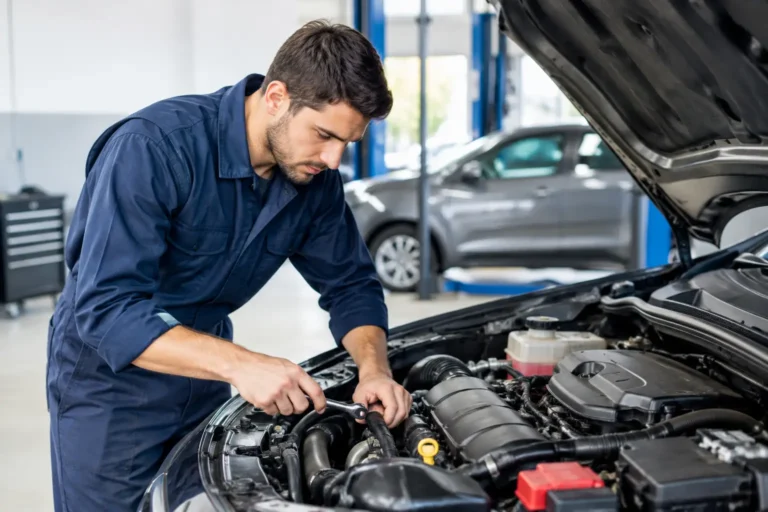
A hybrid warning light is not the moment to rely on guesswork. When you need to choose a garage for hybrid repairs, the right workshop should be able to identify whether the issue sits with the petrol engine, electric motor, battery system, wiring or control software – and explain the answer in plain English. A garage that only treats a hybrid as a conventional car may fix part of the problem while missing the cause.
Hybrid ownership can be straightforward and economical, but the vehicle needs informed care. These cars combine familiar mechanical components with high-voltage systems and sophisticated electronics. That does not mean every repair will be expensive or complicated. It does mean the garage should have the skills, equipment and safety procedures to work on the whole vehicle properly.
Choose a Garage for Hybrid Repairs With Proven Capability
The first question is not whether a garage says it services hybrids. Ask what it can actually diagnose and repair. A capable workshop should be comfortable with the conventional side of the car, including brakes, suspension, tyres, air conditioning and engine servicing, as well as hybrid-specific systems such as the traction battery, inverter, motor-generator, cooling circuits and high-voltage wiring.
This breadth matters because hybrid faults are not always caused by the hybrid battery. Reduced fuel economy, for example, could be linked to a sticking brake caliper, incorrect tyre pressures, a weak 12-volt battery, a sensor fault or an engine issue. Equally, an intermittent warning message may require more than a basic fault-code reader. Proper diagnosis looks at live data, system history and the way components behave together.
Ask whether the technicians have appropriate hybrid or electric vehicle training and whether the workshop follows high-voltage safety procedures. High-voltage components must be isolated and tested correctly before work begins. This is not a detail to overlook: safe handling protects both the technician and your vehicle.
The diagnostic equipment should match the vehicle
Modern hybrids rely heavily on communication between control units. A generic code reader can be useful, but it may not access manufacturer-specific information or complete required functions after a repair. The garage should use professional diagnostic equipment capable of reading live data, carrying out guided tests and, where necessary, completing coding, calibrations or software updates.
You do not need to know every tool in the workshop. What matters is the garage’s willingness to describe its diagnostic approach. Be cautious if you are given an immediate diagnosis without testing, or if the only recommendation is to replace a major component before the fault has been confirmed.
A good garage will usually explain the initial diagnostic charge, what it covers and what happens next. If further testing is needed, you should be told why before additional work is carried out. That clarity helps you make a sensible decision rather than feeling pressured into an expensive repair.
Look for Clear Advice, Not Scare Tactics
Hybrid repairs can sound alarming because terms such as inverter, traction battery and high-voltage fault are unfamiliar to many drivers. A trustworthy garage will not use that uncertainty to push unnecessary work. It should explain what has failed, how it affects the car and the available repair options.
For instance, a battery-related fault does not automatically mean the entire hybrid battery needs replacing. Depending on the vehicle, mileage and fault code, the answer may involve a cooling issue, corroded connection, battery management fault or a more focused repair. In other cases, a replacement battery may genuinely be the most reliable route. The key is having evidence behind the recommendation.
Ask for a written estimate that separates diagnosis, parts, labour and VAT. It should also make clear whether the quote is fixed, estimated or subject to findings once parts are removed. This is particularly useful for repairs involving electrical faults, where the first symptom may not reveal every underlying issue.
There is a balance to strike. The cheapest quote is not always the best value if it excludes testing, uses unsuitable parts or offers no meaningful guarantee. On the other hand, premium pricing is not proof of specialist knowledge. Look for a garage that is open about costs and can justify the work it recommends.
Check Experience With Your Type of Hybrid
Not all hybrids are built in the same way. A self-charging hybrid, plug-in hybrid and mild hybrid each have different layouts and service requirements. Plug-in hybrids, for example, add charging equipment and often a larger battery system. Mild hybrids may use a 48-volt setup rather than the higher-voltage architecture found in many full hybrids.
Experience with your make and model is useful, especially for complex electrical faults, software concerns or recurring manufacturer-specific issues. However, do not assume an independent garage must be a main dealer to do quality work. A well-equipped independent specialist can provide excellent maintenance and repairs, often with a more personal service and clearer communication.
When you call, give the registration number, describe the warning lights or symptoms, and mention whether the car is safe to drive. Useful details include when the issue began, whether it happens only on cold starts, during charging, in electric mode or at motorway speeds, and whether any recent work has been carried out. This gives the workshop a stronger starting point and may save diagnostic time.
Routine servicing still matters
Some drivers assume a hybrid needs very little maintenance because the engine runs less often and regenerative braking can reduce brake wear. Hybrids can certainly be efficient, but they still need regular attention. Brake discs may corrode if friction brakes are used less frequently, tyres still wear, suspension components age, and fluids, filters and cooling systems require checks.
A service plan should follow the manufacturer’s schedule while reflecting how the vehicle is used. Short journeys, heavy stop-start commuting, infrequent driving and towing can all affect maintenance needs. If your hybrid is a plug-in model, discuss charging habits and any concerns around the charge port or cable as part of the visit.
Assess the Whole Customer Experience
Technical skill is essential, but a dependable garage also makes the process easier. You should be able to book without confusion, receive updates if the repair takes longer than expected and approve extra work before it is started. For a family managing school runs or a commuter relying on the car each day, clear timings are as valuable as a correct diagnosis.
Look at how the garage responds to questions. Are they happy to explain the difference between urgent safety work and items that can be monitored? Do they offer practical options where appropriate? Do they provide invoices that show what was done and the parts fitted? These are everyday signs of a workshop that values long-term trust.
It is also worth asking about warranties on parts and labour, as terms can vary. A reputable garage should set expectations clearly rather than making vague promises. Keep your service records and invoices too. They can support warranty claims, protect resale value and give the next technician a useful maintenance history.
For drivers in Harlow and the surrounding area, AutoNet VIP combines routine mechanical expertise with the diagnostic and high-voltage capability needed for modern hybrid vehicles. The aim should always be the same: find the fault accurately, explain the options clearly and return your car in a safe, dependable condition.
When Should You Book Hybrid Diagnostics?
Book an inspection promptly if a hybrid system warning appears, the car will not enter ready mode, charging becomes unreliable, fuel economy drops noticeably or you notice unusual noises from the battery cooling area. Reduced power, a burning smell, visible damage beneath the vehicle or an electrical warning after an accident should be treated more urgently.
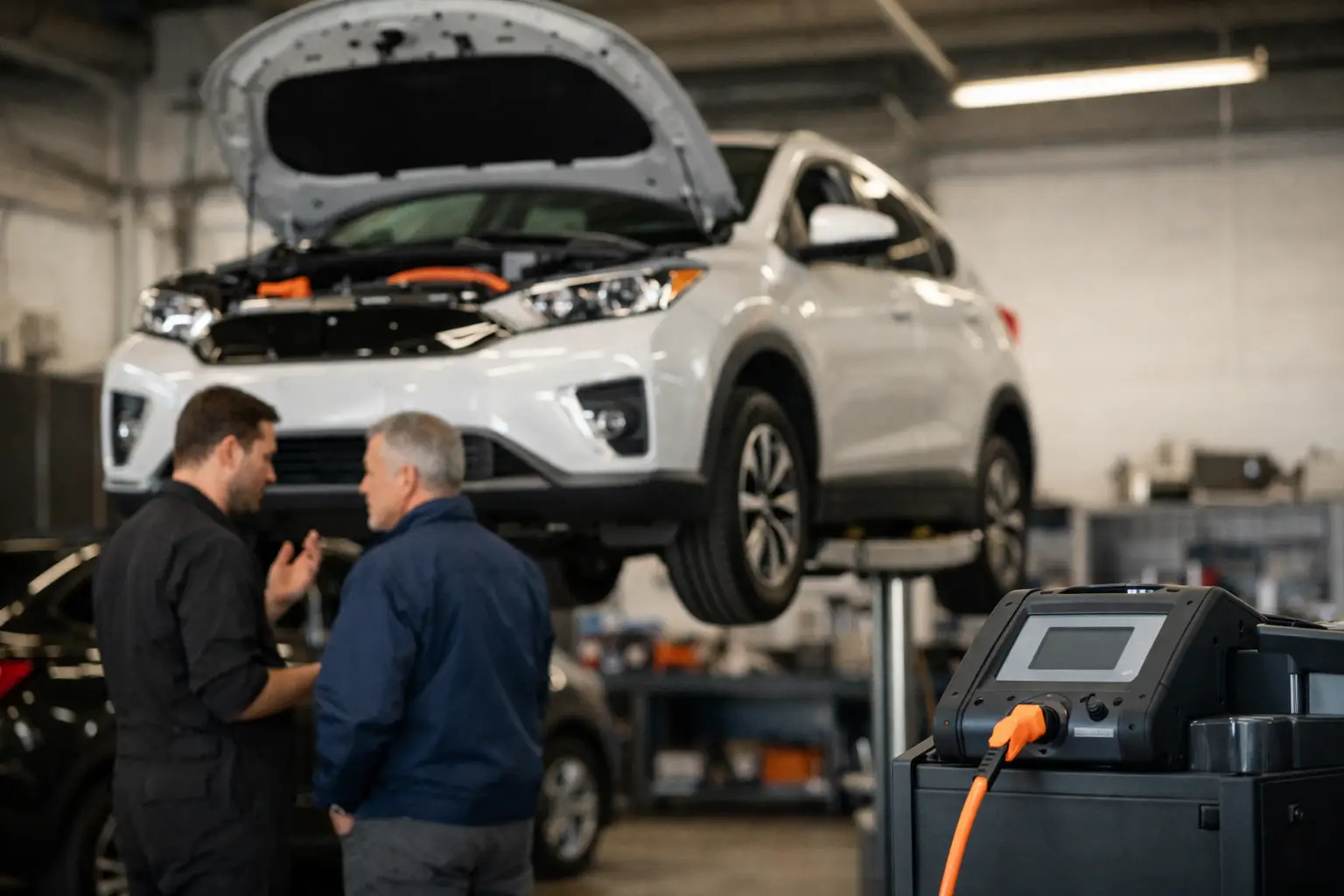
Do not attempt to inspect orange high-voltage cables or battery components yourself. Orange cabling is used to identify high-voltage circuits, and these systems require correct isolation procedures. If you are unsure whether the vehicle is safe to drive, ask the garage for advice before setting off.
Choosing well is less about finding the nearest ramp and more about finding people who can see the complete system behind the warning light. A clear conversation before the booking can tell you a great deal – and it may be the first step towards many miles of confident, efficient driving.