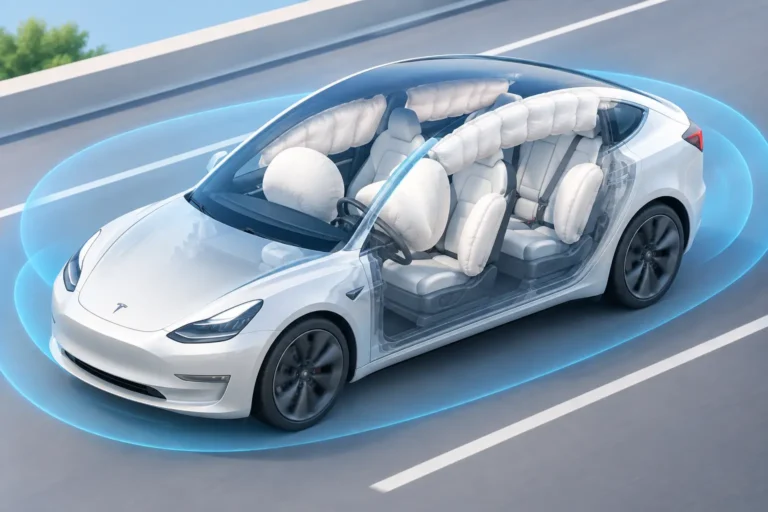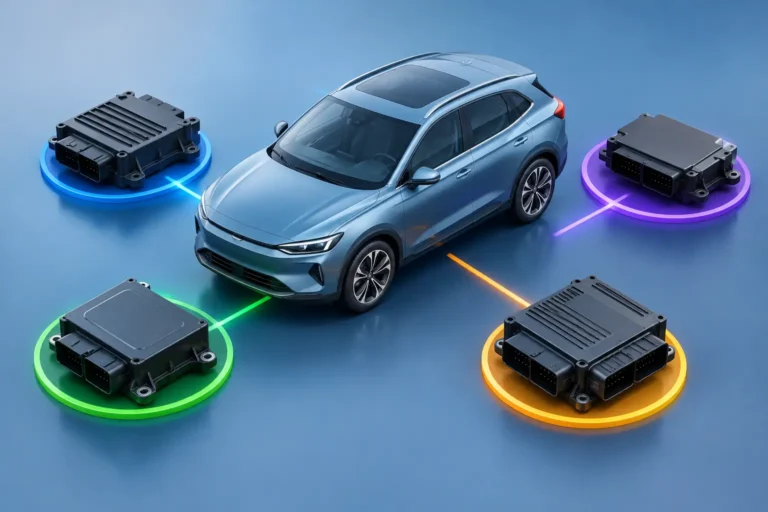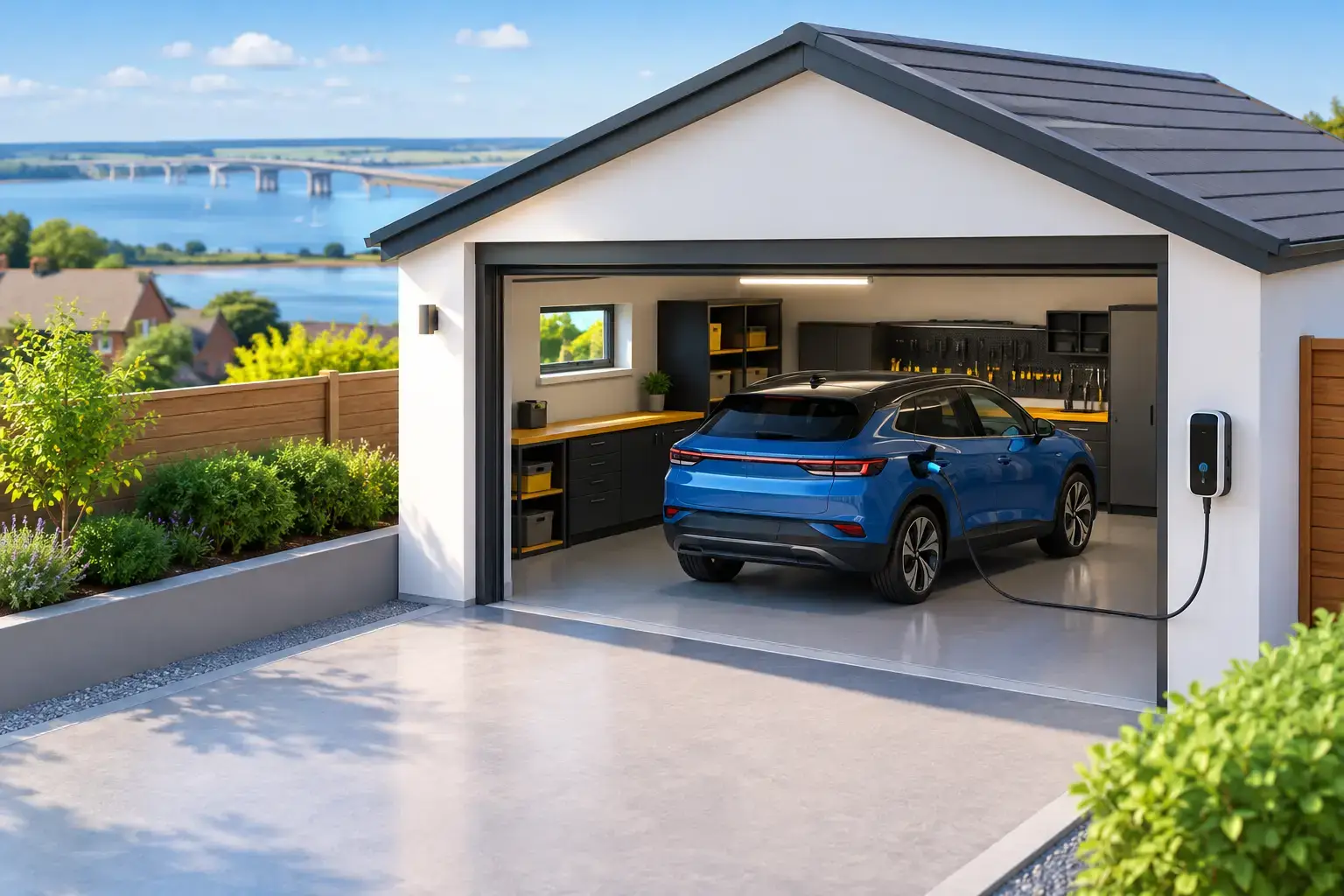
A warning light on an electric car can feel more worrying than one on a petrol vehicle, particularly when the dashboard message refers to the battery, charging system or electric drive. The right garage for EVs in Essex should make the next step clear: assess the vehicle safely, explain what has been found in plain English and recommend only the work that is genuinely needed.
Electric vehicles have fewer moving mechanical parts than conventional cars, but they are not maintenance-free. They still need regular inspections, tyres, brakes, suspension checks, cabin filters, air-conditioning care and accurate diagnostics. Most importantly, they need technicians and equipment suited to working safely around high-voltage systems.
What makes an EV garage different?
The most obvious difference is the high-voltage battery and the electrical components connected to it. An EV’s battery pack, inverter, charging system and electric motor operate at voltages that require specific safety procedures. Before work begins, a technician may need to isolate the high-voltage system and confirm that it is safe to continue.
This does not mean every appointment involves work on the battery. A tyre replacement, wiper change or brake inspection may be straightforward. However, if there is a warning light, charging fault, damaged orange high-voltage cable or concern following an accident, the garage must know when a specialist EV process is required.
A capable independent garage combines this safety awareness with good everyday workshop standards. It should be able to diagnose faults methodically rather than replace parts on guesswork, and explain the difference between an urgent safety issue, a developing concern and routine maintenance.
EV servicing is about prevention, not just repairs
An EV service is often less about changing engine oil and more about protecting the systems that keep the car efficient, safe and comfortable. Depending on the manufacturer’s schedule and the vehicle’s age, this can include checking the braking system, suspension, steering, tyres, lights, coolant circuits where applicable, the 12-volt battery, charge port condition and cabin filtration.
Brakes deserve particular attention. Regenerative braking reduces wear on pads and discs, which is good for running costs, but it can also mean the friction brakes are used less often. On vehicles that cover short trips or spend time parked outside, discs can corrode and calipers can begin to stick. Regular inspection and appropriate cleaning can prevent a minor issue becoming an expensive repair.
Tyres are another key area. EVs are often heavier than similar petrol cars and deliver instant torque, so tyre condition, correct load rating and pressures matter. A garage should not simply fit the cheapest available option. The right recommendation depends on the vehicle, driving pattern, budget and the manufacturer’s requirements.
Choosing a garage for EVs in Essex
When comparing garages, start with a simple question: can they confidently explain their approach to your particular concern? You do not need a technical lecture. You should, however, hear a clear explanation of what they can inspect, what diagnostic information they can access and whether manufacturer-specific procedures may be needed.
Ask whether the workshop works on hybrid and electric vehicles routinely, rather than treating them as an occasional extra. Familiarity matters when diagnosing intermittent charging concerns, battery-related dashboard warnings or electrical faults that may have several possible causes.
It is also sensible to ask how estimates are handled. Diagnostic work is skilled investigative work, and some faults take time to identify. A trustworthy garage will be clear about the initial diagnostic charge, contact you before carrying out additional work and set out the likely options once the cause is known.
For newer vehicles, follow the manufacturer’s servicing requirements carefully. Using an independent garage does not automatically mean compromising on quality, but the work should be completed to the correct specification, with the right parts and fluids where required, and with a proper service record. If a manufacturer service plan, recall or warranty-related issue is involved, the garage should help you understand the most appropriate route.
Diagnostics should lead to an explanation
Modern EVs produce a large amount of fault data. Reading a code is only the beginning. The same warning can sometimes be triggered by a low 12-volt battery, a communication issue, a charge-port fault or a problem elsewhere in the electrical system. Replacing a component without proper testing can be costly and may not solve the problem.
Good diagnostics combine suitable scan equipment with experience, visual checks and electrical testing. Once the fault has been identified, you should receive a straightforward explanation of what has happened, what needs attention now and what can be monitored. That clarity helps you make a sensible decision without feeling pressured.
Common EV concerns a local garage can assess
Many EV bookings begin with a concern that appears small: a charging flap that will not open, reduced charging speed, an unfamiliar warning message or a new noise from the brakes. Early inspection is usually the sensible choice, especially if the car’s charging behaviour has changed or warning lights remain on.
A garage may be able to assess issues such as the condition of the 12-volt battery, tyre wear, brake corrosion, suspension noises, heating and air-conditioning performance, charging cable and port condition, electrical faults and routine servicing requirements. The exact scope depends on the make, model and nature of the fault.
It is worth remembering that not every charging issue is caused by the car. Home chargers, public charge points, cables and software updates can all affect the experience. A careful inspection helps separate a vehicle fault from an external charging problem, saving time and unnecessary expense.
If you have been involved in a collision, even a minor one, tell the garage that the vehicle is electric or hybrid when booking. Damage underneath the car, around the battery area or near high-voltage components needs appropriate assessment. Do not ignore warning lights or continue driving if the vehicle advises you to stop safely.
The value of a one-stop workshop
For most drivers, convenience matters as much as technical capability. You want one trusted workshop that can manage servicing, MOT preparation, tyres, brakes, mechanical repairs and diagnostics without sending you from place to place for ordinary maintenance.
That is particularly useful for households and businesses with more than one vehicle. A family might run an EV alongside a diesel van, while a local business may have a mixed fleet during the transition to electric. A garage that understands both traditional and electrified vehicles can offer practical advice without treating every job as unusual.
AutoNet VIP provides this kind of independent, customer-focused support for motorists who want clear communication and professional care. The goal is not to make an EV sound more complicated than it is, but to ensure the vehicle receives the right checks at the right time.
When should you book your EV in?
Follow the service interval set by your vehicle manufacturer, even if the car feels faultless. Between services, arrange an inspection if a warning light appears, charging becomes unreliable, range drops suddenly, the brakes make a persistent noise, the car pulls to one side or you notice uneven tyre wear.
A pre-MOT check can also be worthwhile, particularly for older EVs. Electric cars still need to meet the same essential roadworthiness standards for tyres, brakes, suspension, lights, wipers and visibility. Keeping on top of those basics reduces the chance of disruption when you rely on the car for commuting, school runs or work.
The best garage relationship is built before a serious fault occurs. Choose a workshop that listens to your concerns, records the work clearly and gives honest advice about what can wait and what should not. That confidence is just as valuable as the repair itself.